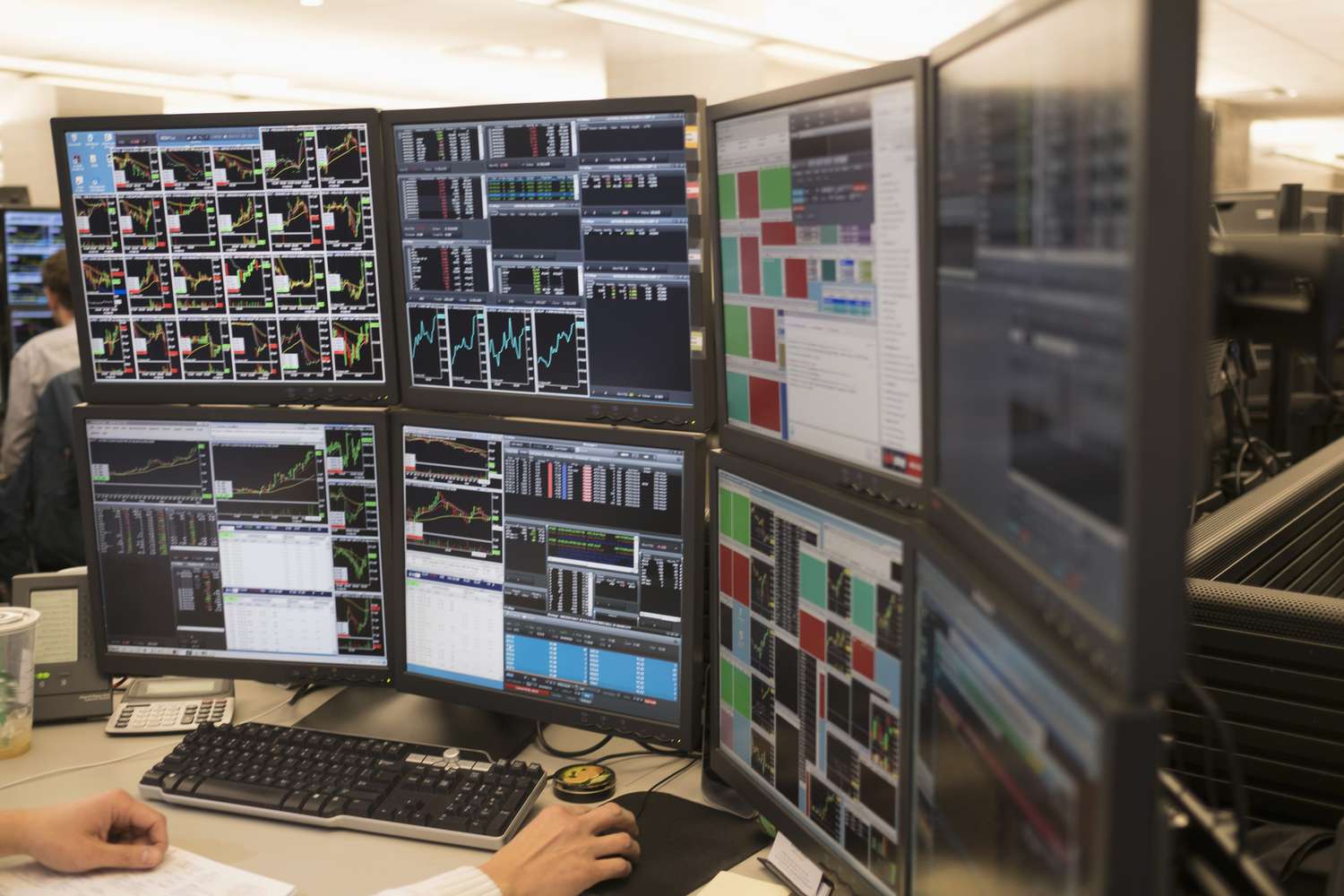
Breaking: US Financial Markets Shift as AI Trading, Prop Firms, and Global Currency Moves Reshape 2026 is emerging as one of the most critical financial developments influencing investors across the United States and global markets. The structure of financial markets is undergoing a rapid transformation driven by artificial intelligence, new capital access models like proprietary trading firms, and increasingly volatile currency movements.
In 2026, markets are no longer shaped solely by traditional factors like earnings reports and economic indicators. Instead, technology-driven trading systems, global capital flows, and innovative trading ecosystems are redefining how investors participate and profit. This shift is not temporary—it reflects a deeper evolution in the financial system that is attracting both retail and institutional investors.
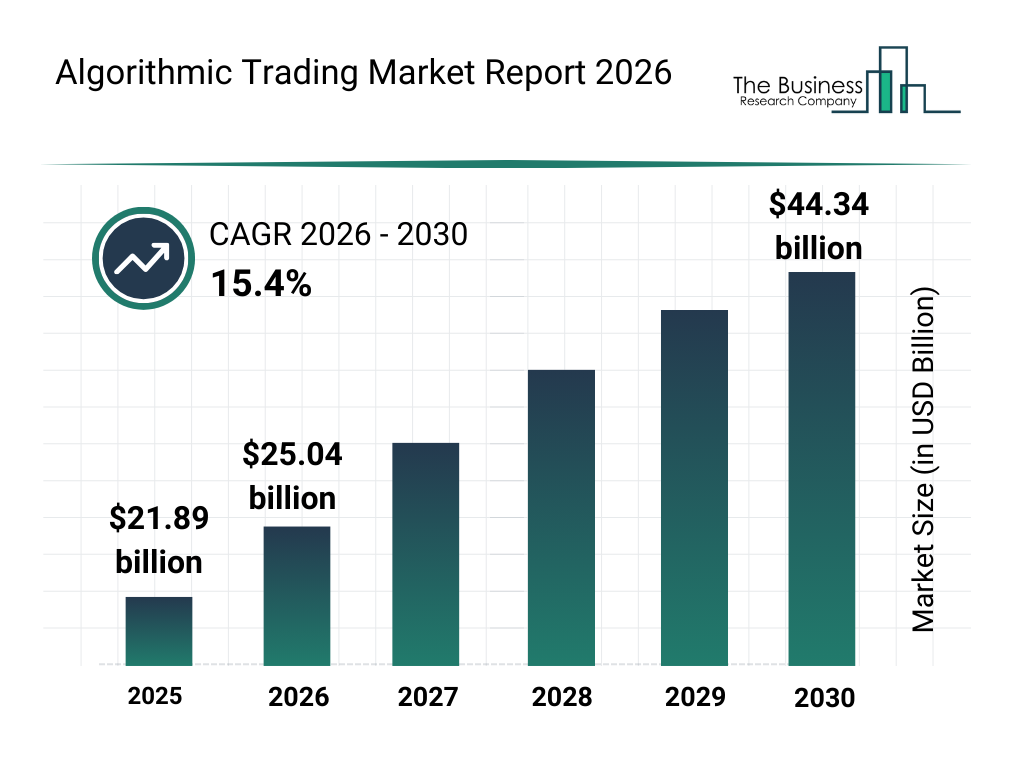
This comprehensive, high-value analysis explores the forces driving this transformation and what they mean for the future of trading and investing.

AI Trading Is Redefining Market Speed and Efficiency
Artificial intelligence has become a central force in financial markets. AI-powered trading systems can process massive amounts of data, identify patterns, and execute trades in milliseconds—far beyond human capabilities.
These systems analyze everything from price movements and economic indicators to news sentiment and global events. This allows traders to respond instantly to market changes, improving efficiency and reducing the impact of human emotion.
However, the rise of AI trading also introduces new challenges. Automated systems can amplify market volatility, especially during periods of uncertainty. This makes it essential for investors to understand how these technologies influence market behavior.
Prop Trading Firms Are Expanding Access to Capital

Proprietary trading firms are transforming how individuals access financial markets. These firms provide traders with significant capital, allowing them to trade without risking their own funds.
In most cases, traders must pass an evaluation process to demonstrate their skills and risk management abilities. Once approved, they receive funded accounts and share profits with the firm.
This model has opened new opportunities for aspiring traders, particularly those who lack the capital to trade at scale. It is also increasing competition in financial markets, as more participants gain access to advanced trading resources.
Global Currency Movements Are Driving Market Trends
Currency volatility is playing a major role in shaping financial markets in 2026. Fluctuations in exchange rates affect everything from corporate earnings and trade flows to investor sentiment and capital allocation.
A strong U.S. dollar, for example, can reduce the competitiveness of American exports while making imports more affordable. This creates mixed effects across industries and influences stock market performance.
At the same time, global currency movements are closely tied to central bank policies and geopolitical developments. Investors are increasingly monitoring forex markets to anticipate changes in broader financial trends.
Market Structure Is Becoming More Dynamic and Complex


The combination of AI trading, prop firms, and currency volatility is making financial markets more dynamic and complex. Traditional market structures are evolving to accommodate new technologies and participants.
High-frequency trading, algorithmic strategies, and decentralized platforms are changing how markets operate. This has increased efficiency but also introduced new risks, including systemic vulnerabilities and rapid price swings.
Investors must adapt to this complexity by using advanced tools, staying informed, and developing flexible strategies that can respond to changing conditions.
Market Outlook: Opportunities and Risks in 2026
The transformation of financial markets presents significant opportunities for investors. AI trading offers efficiency and precision, prop firms provide access to capital, and currency movements create trading opportunities.
At the same time, these changes also introduce risks. Increased volatility, technological dependence, and global uncertainty can impact market stability. Investors must carefully balance these factors when making decisions.
Diversification, risk management, and continuous learning are essential strategies for navigating this environment. Those who can adapt to new trends while maintaining discipline are likely to succeed.
Expert Insights: The Future of Financial Markets
Experts agree that the current shift represents a long-term transformation rather than a short-term trend. Technology and globalization are driving a new era of financial markets that will continue to evolve.
AI is expected to become even more integrated into trading systems, while prop firms and alternative funding models will expand access to markets. At the same time, currency volatility and geopolitical factors will remain key drivers of market behavior.
The future of financial markets will be defined by adaptability, innovation, and resilience. Investors who embrace these principles will be better positioned to navigate the challenges and opportunities ahead.
A New Era of Financial Market Evolution
Powerful and interconnected forces are reshaping the financial markets of 2026. AI trading, proprietary trading firms, and global currency movements are redefining how markets operate and how investors participate.
While these changes bring complexity and risk, they also create unprecedented opportunities for those who can adapt. Understanding these trends is essential for making informed decisions and achieving long-term success.
As the financial landscape continues to evolve, staying ahead of these developments will be key to thriving in the new era of investing.
Subscribe to trusted news sites like USnewsSphere.com for continuous updates.