Investor Playbook 2026: How to Navigate Volatility, War Risk, and Slowing Growth is now one of the most critical topics for investors as global markets enter a period defined by uncertainty, shifting economic conditions, and rising geopolitical tensions. In 2026, investors are no longer operating in a stable, low-interest environment. Instead, they are navigating a complex landscape shaped by inflation risks, energy price shocks, and slowing global growth.
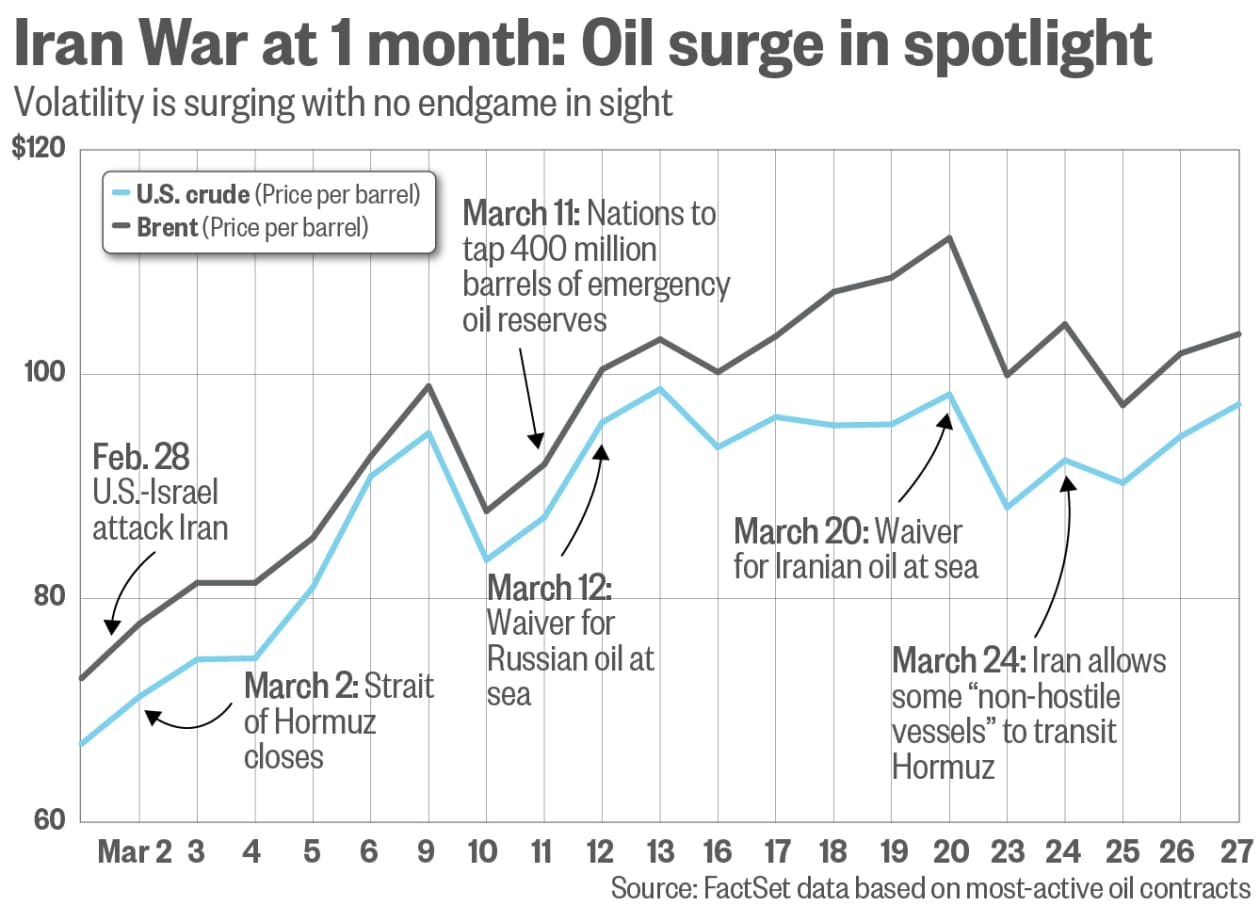
Recent market data shows increased volatility across equities, commodities, and currencies, driven by geopolitical conflicts and economic uncertainty. Oil prices approaching key levels, combined with persistent inflation concerns, are forcing central banks to maintain tight monetary policies longer than expected. This has created a challenging environment where traditional investment strategies may no longer be sufficient.
For investors seeking to protect capital and identify new opportunities, understanding these dynamics is essential. This playbook provides a comprehensive guide to navigating today’s market conditions while positioning for long-term growth.
How to Navigate Volatility: Understanding the New Market Reality in 2026
The global economic environment has shifted significantly compared to previous years. Low interest rates and abundant liquidity once supported strong market growth, but those conditions have changed.
Today, investors are dealing with higher borrowing costs, tighter financial conditions, and increased geopolitical risk. These factors are contributing to slower economic growth and heightened market volatility.
Additionally, global supply chains remain vulnerable to disruption, further complicating the outlook. This new reality requires investors to adapt their strategies and focus on resilience rather than aggressive growth.
Understanding these structural changes is the first step in building a successful investment approach in 2026.
The Impact of War Risk and Geopolitics on Markets
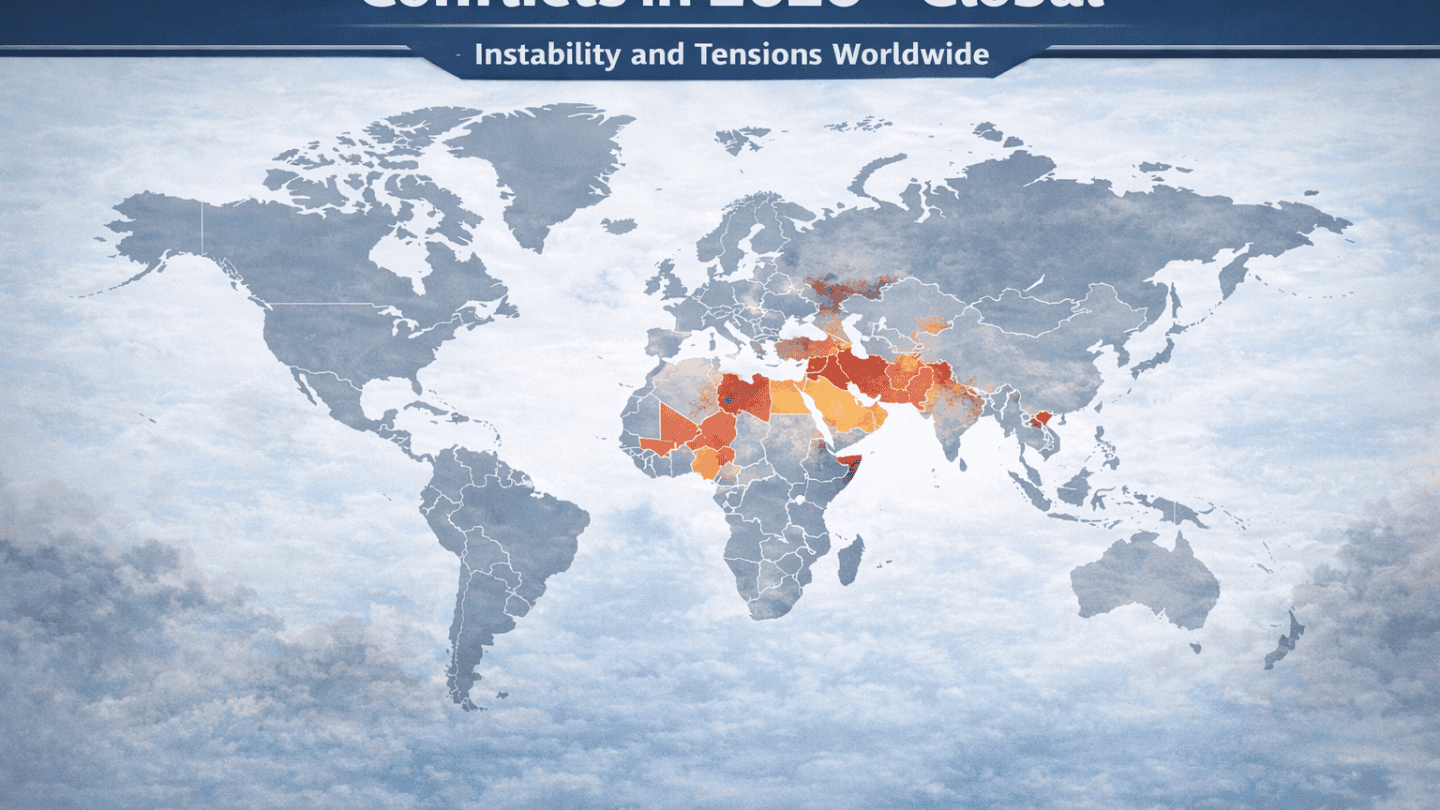
Geopolitical tensions are playing a central role in shaping market behavior. Conflicts in key regions are affecting energy supplies, trade routes, and investor sentiment.
Investors are also responding to geopolitical risks by reallocating capital toward safer assets. Defense stocks, commodities, and certain currencies often see increased demand during periods of uncertainty.
However, geopolitical events are inherently unpredictable, making it essential for investors to maintain flexibility and avoid overexposure to any single risk factor.
One of the most immediate impacts is on energy markets. Supply disruptions can lead to sharp increases in oil prices, which in turn influence inflation and economic growth.
Slowing Economic Growth and Its Investment Implications
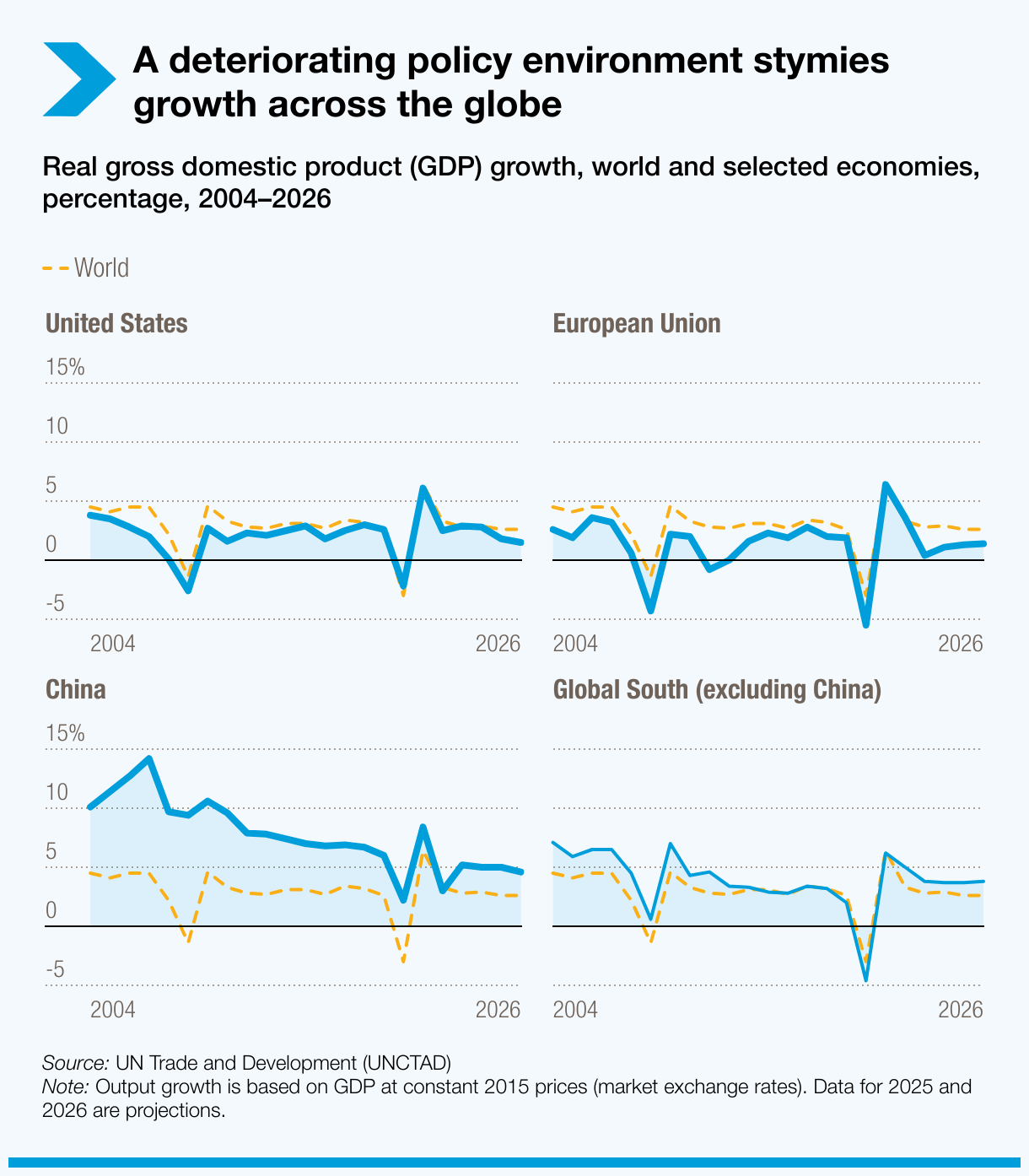

Economic growth is showing signs of slowing across major economies, including the United States. Higher interest rates, reduced consumer spending, and declining business investment are contributing to this trend.
For investors, slower growth can impact corporate earnings and stock valuations. Companies may face challenges in maintaining profitability, leading to increased market volatility.
At the same time, certain sectors may be more resilient. Industries such as healthcare, utilities, and essential consumer goods often perform better during economic slowdowns.
Recognizing these patterns can help investors identify opportunities and manage risks effectively.
Proven Strategies to Navigate Volatility
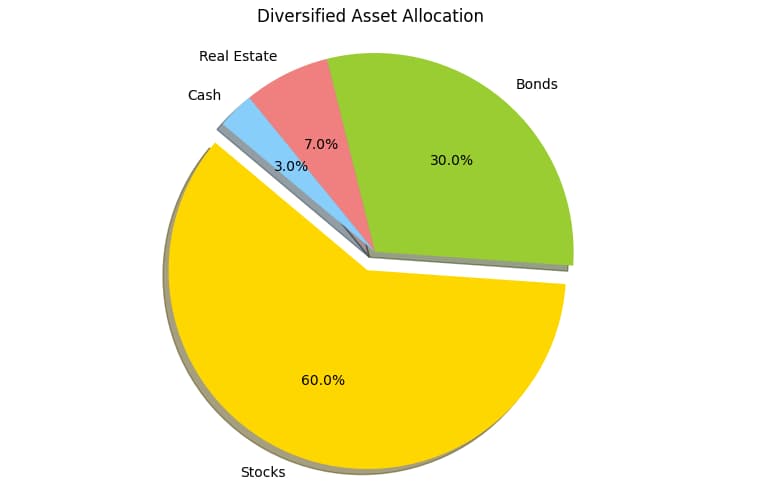
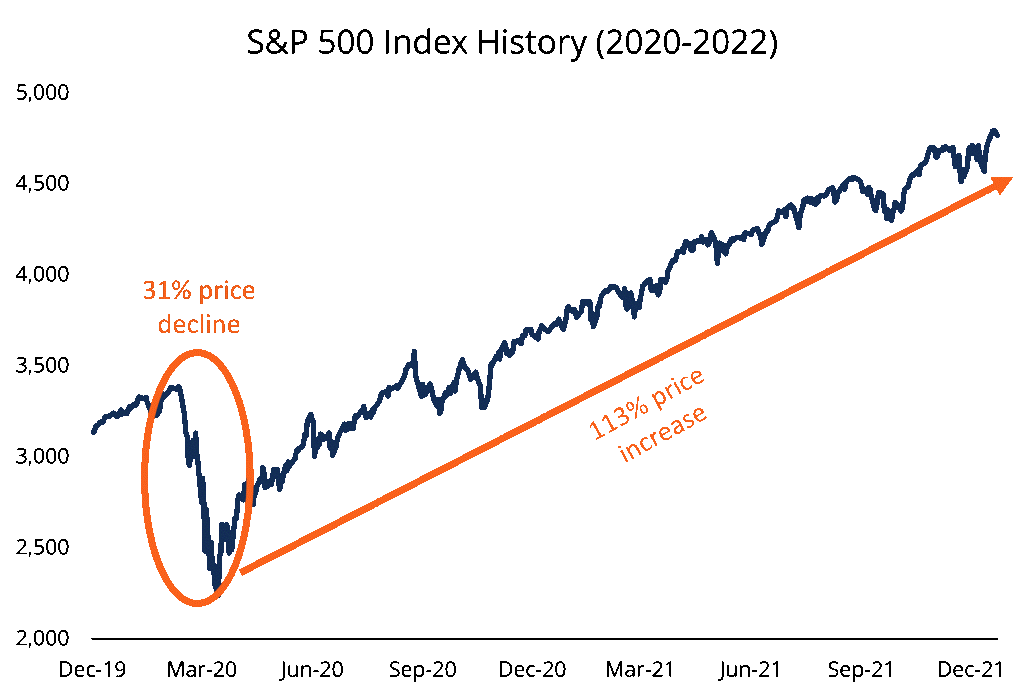
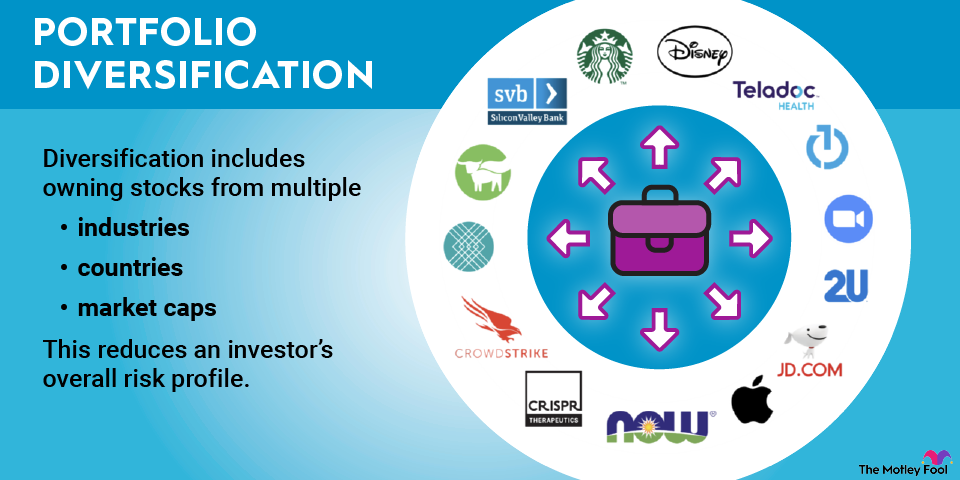
In volatile markets, strategy becomes more important than ever. Diversification remains one of the most effective ways to manage risk. By spreading investments across different asset classes, investors can reduce the impact of market fluctuations.
Dollar-cost averaging is another valuable approach. Investing a fixed amount regularly helps mitigate the effects of volatility and reduces the risk of entering the market at unfavorable times.
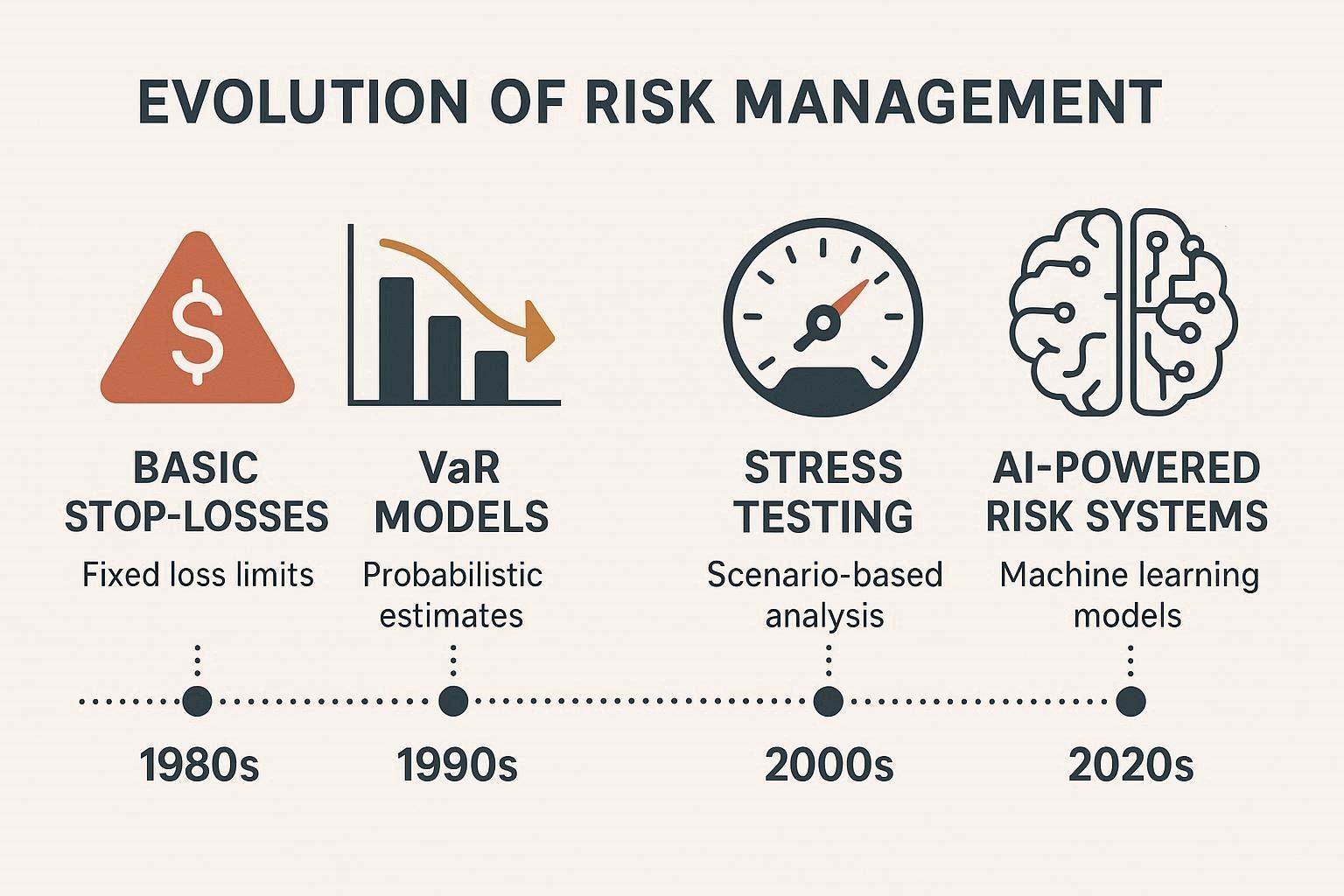
Risk management techniques, such as setting stop-loss levels and limiting position sizes, are also essential. These strategies help protect capital during periods of market turbulence.
Additionally, focusing on high-quality assets with strong fundamentals can provide stability and long-term growth potential.
Where Smart Money Is Moving in 2026
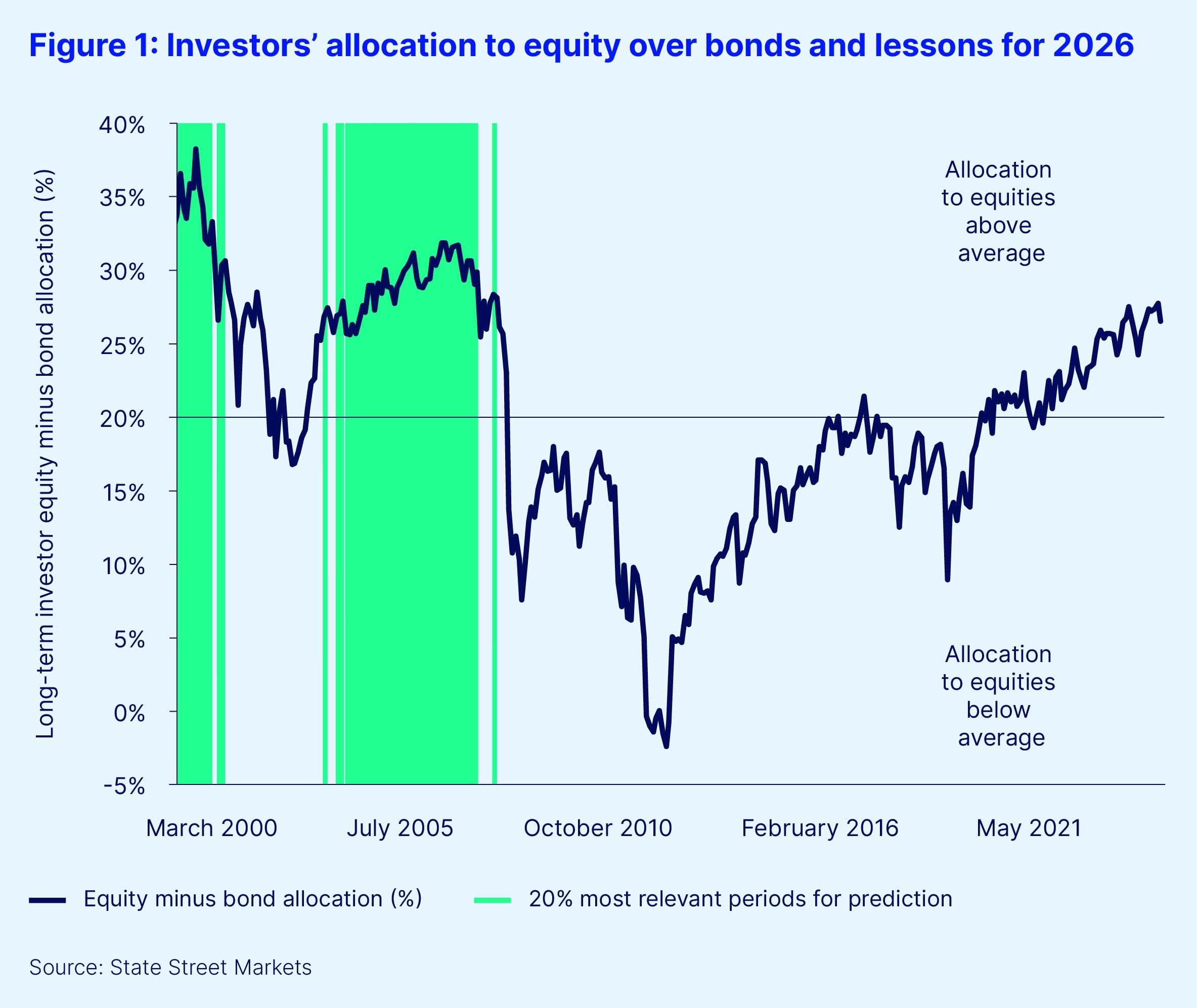
Institutional investors are adapting to the current environment by reallocating capital toward sectors that offer resilience and growth potential.
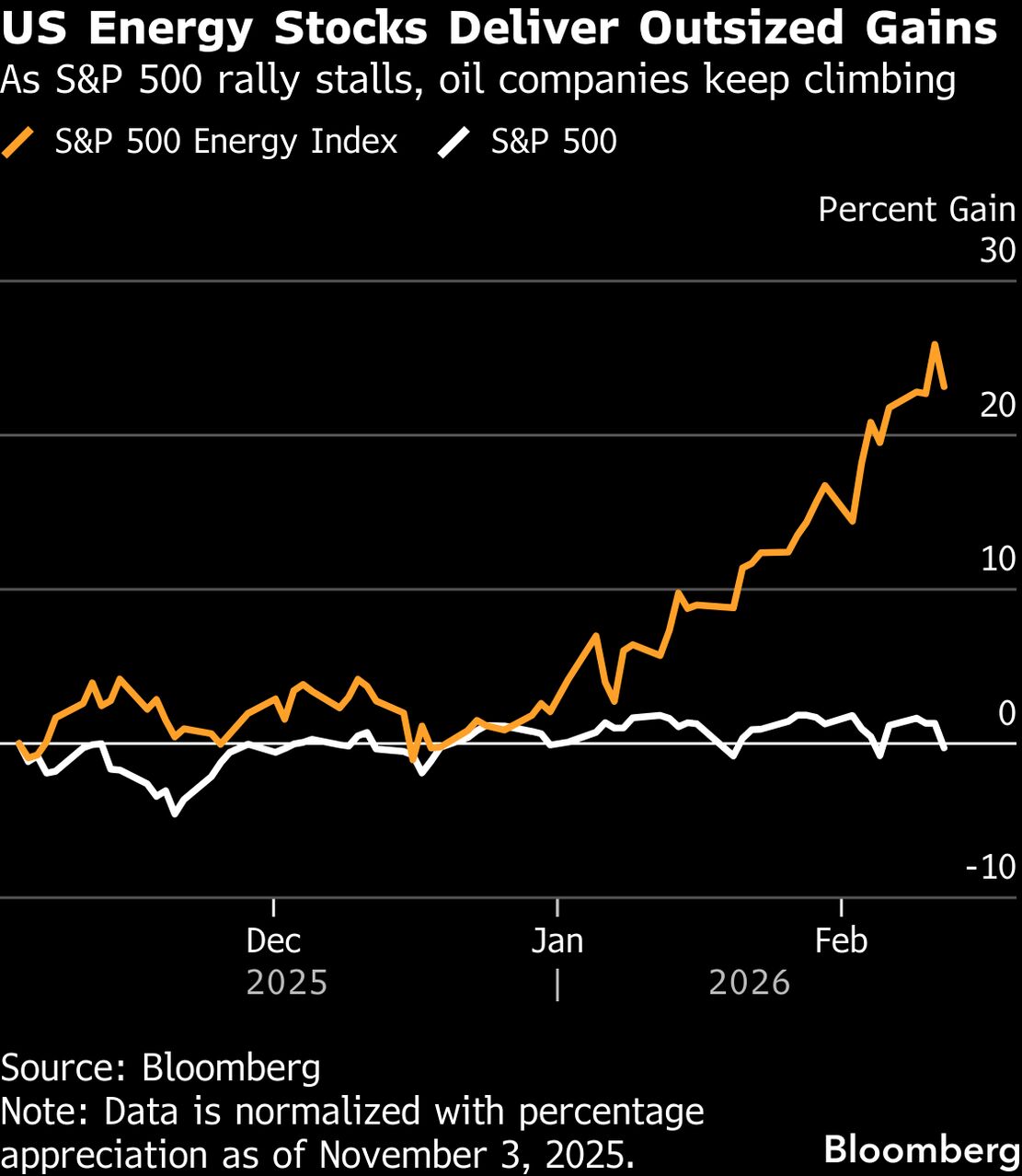
Energy remains a key focus due to rising oil prices and strong demand. Similarly, commodities are attracting attention as a hedge against inflation.
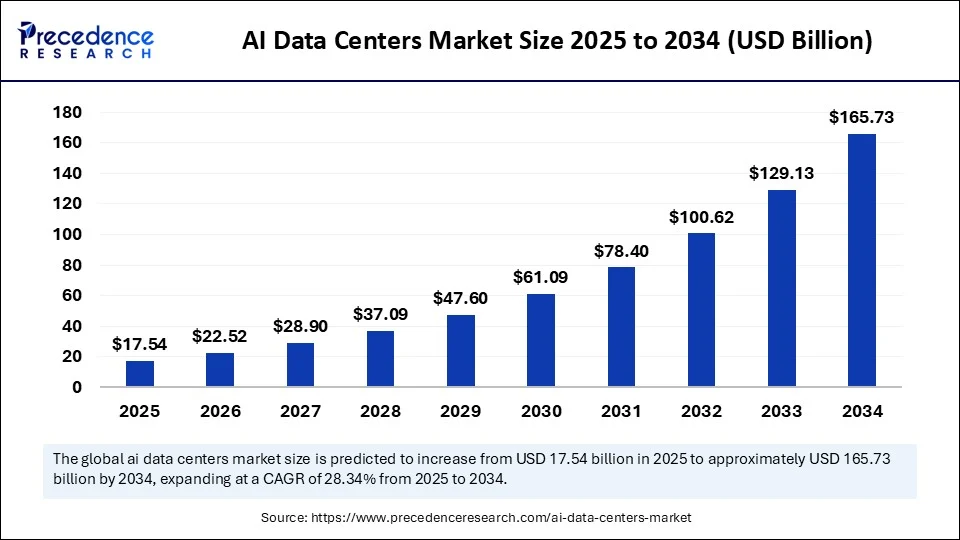
Technology, particularly artificial intelligence and data infrastructure, continues to receive significant investment. Despite broader market volatility, long-term growth prospects in this sector remain strong.
Defensive sectors, including healthcare and utilities, are also gaining popularity as investors seek stability in uncertain times.
Market Outlook: Risks and Opportunities Ahead
Looking ahead, the market outlook remains uncertain but not without opportunity. Key risks include persistent inflation, prolonged high interest rates, and potential escalation of geopolitical conflicts.
However, these challenges also create opportunities for disciplined investors. Market corrections can provide attractive entry points for high-quality assets.
The continued evolution of technology, energy markets, and global trade dynamics will shape future investment opportunities. Staying informed and adaptable will be critical for success.
Investors who focus on long-term trends and maintain a balanced approach will be better positioned to navigate the complexities of 2026.
Building a Resilient Investment Strategy
The investment landscape in 2026 is defined by volatility, uncertainty, and rapid change. While these conditions present challenges, they also offer opportunities for those who are prepared.
By understanding the factors driving market behavior and implementing proven strategies, investors can protect their wealth and position themselves for long-term success.
The key is to remain disciplined, diversified, and informed. In a world where uncertainty is the only constant, adaptability becomes the most valuable asset.
Subscribe to trusted news sites like USnewsSphere.com for continuous updates.