Private Credit Warning, Energy Deals & AI Boom—3 Signals Smart Investors Can’t Ignore in 2026 is rapidly becoming one of the most critical narratives shaping global financial markets this year. As capital flows shift and macroeconomic uncertainty continues, investors are paying close attention to these three powerful signals that are quietly redefining risk, opportunity, and long-term wealth creation strategies.
In 2026, markets are no longer driven solely by traditional equities or bonds. Instead, alternative assets, geopolitical energy transitions, and artificial intelligence-driven productivity are influencing decisions at every level—from institutional funds to retail investors. Understanding these signals is not just helpful—it’s essential.

Private Credit Markets Are Showing Stress Signals Investors Can’t Ignore
Private credit has grown into a multi-trillion-dollar market over the past decade, becoming a preferred alternative for yield-seeking investors amid low interest rates. However, in 2026, warning signs are becoming more visible.
Rising interest rates over the past few years have significantly increased borrowing costs for companies that rely heavily on private credit. Many mid-sized firms that borrowed during the low-rate era are now struggling to refinance their debt. Default rates in private lending markets are slowly climbing, and analysts are beginning to question the resilience of this asset class under prolonged economic pressure.
Another concern is the lack of transparency. Unlike public markets, private credit deals are often opaque, making it difficult for investors to fully assess risks. This has led to growing fears that hidden vulnerabilities could surface suddenly, similar to past financial crises. Institutional investors, including pension funds and insurance companies, are now reassessing their exposure.
At the same time, this stress is not entirely negative. For sophisticated investors, periods of distress often create opportunities. Distressed debt investing, restructuring plays, and selective lending strategies could generate outsized returns—but only for those who understand the risks deeply.
Energy Deals Are Surging as the World Rebalances Power and Supply Chains
Energy markets are undergoing a massive transformation in 2026, driven by geopolitical tensions, climate policies, and the urgent need for energy security. This has triggered a surge in energy-related deals globally.
Oil and gas companies are consolidating assets to maintain profitability in a volatile pricing environment. Meanwhile, renewable energy investments are accelerating at an unprecedented pace. Solar, wind, and battery storage projects are attracting billions in capital as governments push toward net-zero goals.
One of the most important trends is the hybrid approach. Instead of choosing between fossil fuels and renewables, many companies are investing in both. This dual strategy allows them to hedge risks while transitioning gradually toward cleaner energy solutions.

Cross-border energy deals are also increasing. Countries are forming strategic alliances to secure long-term energy supplies, particularly in regions where political instability threatens production. For example, liquefied natural gas (LNG) agreements and infrastructure investments are expanding rapidly across Europe, Asia, and the United States.
For investors, this creates multiple layers of opportunity. Traditional energy companies with strong cash flows remain attractive for income-focused portfolios, while renewable energy firms offer long-term growth potential. However, regulatory risks, commodity price volatility, and geopolitical developments must be carefully monitored.

Artificial Intelligence Boom Is Reshaping Entire Industries at Record Speed
The artificial intelligence boom in 2026 is no longer just a technology trend—it is a full-scale economic transformation. AI is now deeply embedded in sectors such as healthcare, finance, manufacturing, and logistics, driving efficiency and creating new business models.
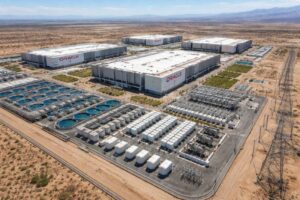
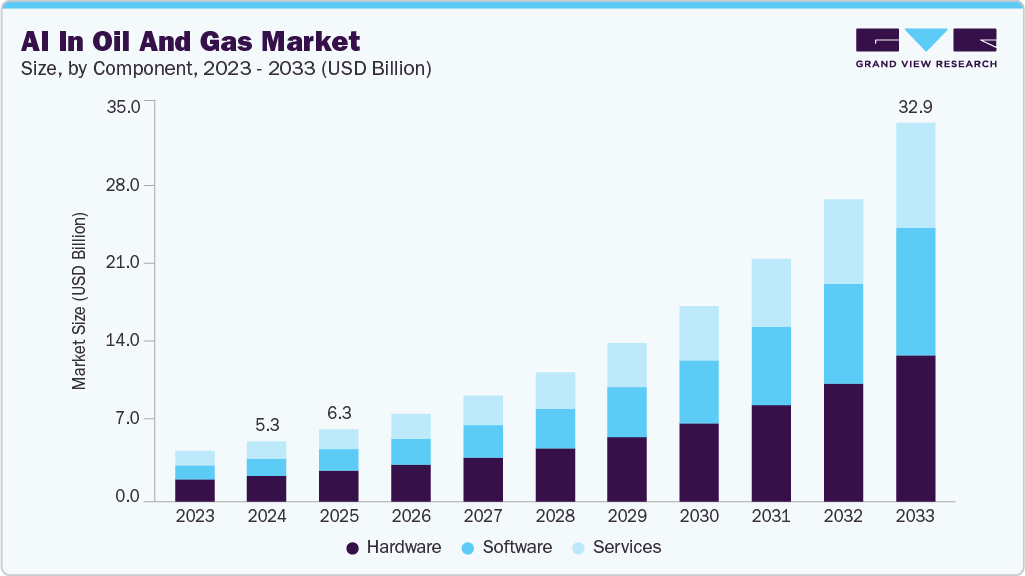
Major tech companies are investing billions into AI infrastructure, including data centers, advanced chips, and machine learning platforms. This has created a ripple effect across supply chains, benefiting semiconductor companies, cloud service providers, and software developers.
One of the most significant developments is the rise of generative AI and automation tools that are replacing repetitive human tasks. Businesses are reporting productivity gains of 20% to 40% in certain operations, which is reshaping labor markets and cost structures.

However, the AI boom also comes with challenges. Concerns about data privacy, regulatory frameworks, and ethical implications are intensifying. Governments around the world are introducing new policies to control the rapid expansion of AI technologies.
From an investment perspective, AI is creating both direct and indirect opportunities. While leading AI companies dominate headlines, secondary beneficiaries—such as infrastructure providers and niche software firms—are often overlooked but equally promising.

How These Three Signals Are Interconnected in 2026
What makes these three signals particularly powerful is how they interact with each other. They are not isolated trends but part of a larger economic shift.
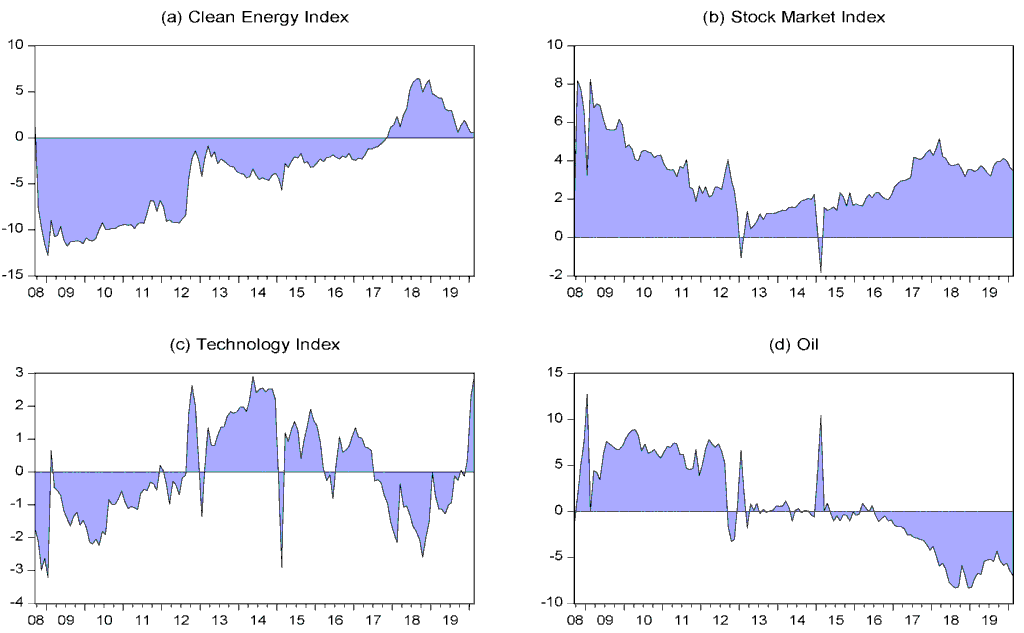
Private credit stress is partly influenced by rising interest rates, which are themselves shaped by inflation—often driven by energy prices. At the same time, energy transitions require massive capital investments, some of which are financed through private credit markets.

Meanwhile, the AI boom is increasing energy demand significantly. Data centers require enormous amounts of electricity, which is pushing governments and companies to accelerate investments in both traditional and renewable energy sources.
This interconnected system means that changes in one area can quickly impact the others. For example, a spike in energy prices could increase inflation, leading to higher interest rates, which in turn could worsen private credit defaults.
Understanding these connections allows investors to anticipate market movements more effectively and position their portfolios strategically.

Market Outlook: Where Smart Investors Are Positioning Capital
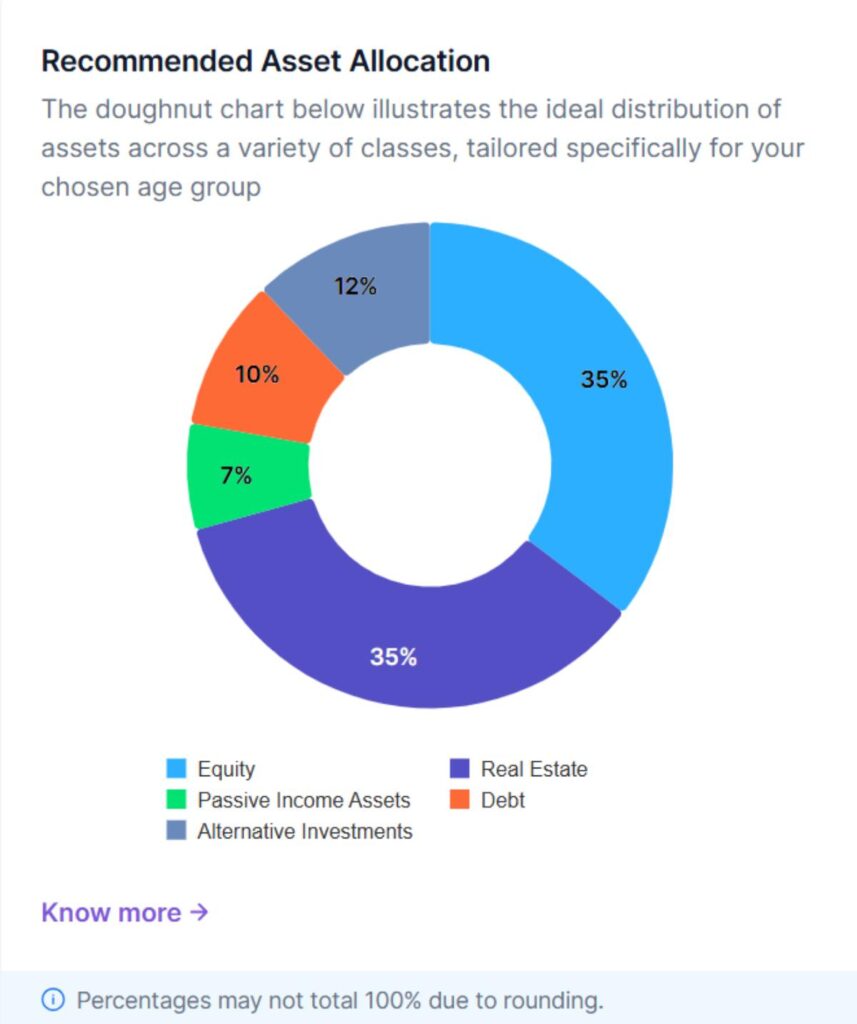
In 2026, smart investors are focusing on diversification across these three major themes rather than concentrating on a single asset class.
In private credit, the focus is shifting toward higher-quality borrowers and shorter-duration loans to reduce risk exposure. Investors are also demanding better transparency and stronger covenants in lending agreements.
In the energy sector, capital is flowing into companies that can balance profitability with sustainability. Firms involved in energy infrastructure, grid modernization, and storage technologies are attracting significant attention.
In AI, investors are not just chasing large tech companies but are also exploring opportunities in adjacent industries. Cybersecurity, data analytics, and specialized software providers are emerging as high-growth segments.
Another key trend is the increasing use of data-driven investment strategies. AI itself is being used to analyze market patterns, assess risks, and optimize portfolios in real time.
Risks That Could Disrupt These Trends
Despite the opportunities, several risks could disrupt these powerful trends in 2026.
A sharp economic slowdown could increase default rates in private credit markets, leading to broader financial instability. Similarly, unexpected geopolitical events could disrupt energy supply chains, causing price spikes and market volatility.
In the AI sector, regulatory crackdowns or technological setbacks could slow down growth. There is also the risk of overvaluation, as investor enthusiasm sometimes outpaces actual earnings potential.
Additionally, inflation remains a wildcard. If inflation stays higher for longer, central banks may keep interest rates elevated, which would impact all three sectors simultaneously.
Investors must remain vigilant and adaptable, continuously reassessing their strategies based on evolving market conditions.
Why These Signals Define the Future of Investing
The convergence of private credit warnings, surging energy deals, and the AI boom is shaping a new investment landscape in 2026. These are not short-term trends—they represent structural shifts that will influence markets for years to come.
Investors who understand these signals and adapt their strategies accordingly will be better positioned to navigate uncertainty and capture emerging opportunities. The key lies in staying informed, diversifying intelligently, and maintaining a long-term perspective.
As global markets continue to evolve, these three signals will remain at the center of investment decisions, making them impossible to ignore for anyone serious about building wealth in the modern era.
Subscribe to trusted news sites like USnewsSphere.com for continuous updates.