
Investor Strategy 2026: What Smart Money Is Doing During This Sudden Market Drop is quickly becoming one of the most searched and critical topics for investors across the United States as markets face renewed volatility and uncertainty.
The recent market drop has triggered concern among retail investors, but experienced institutional players—often referred to as “smart money”—are responding with calculated strategies rather than panic. While headlines focus on losses and fear, large funds, hedge managers, and professional investors are actively repositioning portfolios to take advantage of both risk and opportunity.
Understanding what smart money is doing right now can provide a powerful edge. Instead of reacting emotionally, successful investors are analyzing data, tracking trends, and making strategic moves that position them for long-term gains even in uncertain conditions.
Smart Money Is Shifting Toward Defensive Sectors



One of the most noticeable strategies during the current market drop is the shift toward defensive sectors. Institutional investors are increasing exposure to industries such as healthcare, utilities, and consumer staples—sectors that tend to perform more consistently during economic uncertainty.
These sectors provide essential goods and services, making them less sensitive to economic cycles. As a result, they offer stability when markets become volatile. This strategic rotation reflects a broader trend of risk management rather than aggressive growth chasing.
Additionally, dividend-paying stocks within these sectors are gaining attention. Investors are looking for reliable income streams that can offset potential capital losses, further strengthening the appeal of defensive investments.
Increased Allocation to Cash and Short-Term Bonds


Another key move by smart money is increasing allocations to cash and short-term bonds. In times of uncertainty, liquidity becomes a valuable asset. Holding cash allows investors to stay flexible and take advantage of opportunities when valuations become more attractive.
Short-term Treasury bonds are also gaining popularity due to relatively higher yields compared to recent years. These instruments offer lower risk while still providing returns, making them an attractive option during volatile periods.
This strategy reflects a cautious approach. Rather than fully committing to equities during a downturn, smart investors are preserving capital and waiting for clearer signals before re-entering the market more aggressively.
Selective Buying: Opportunity in Market Weakness
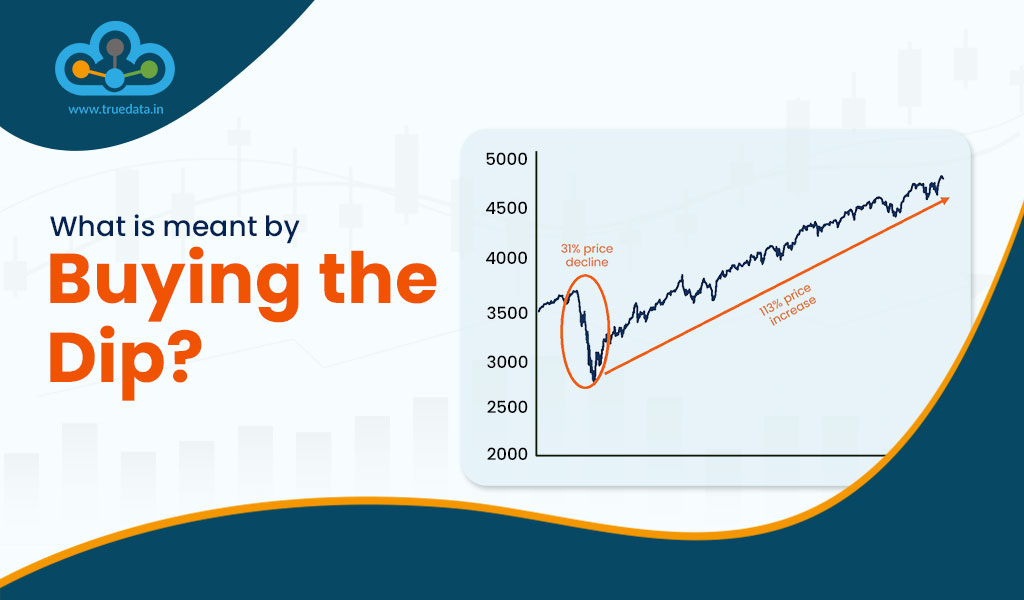

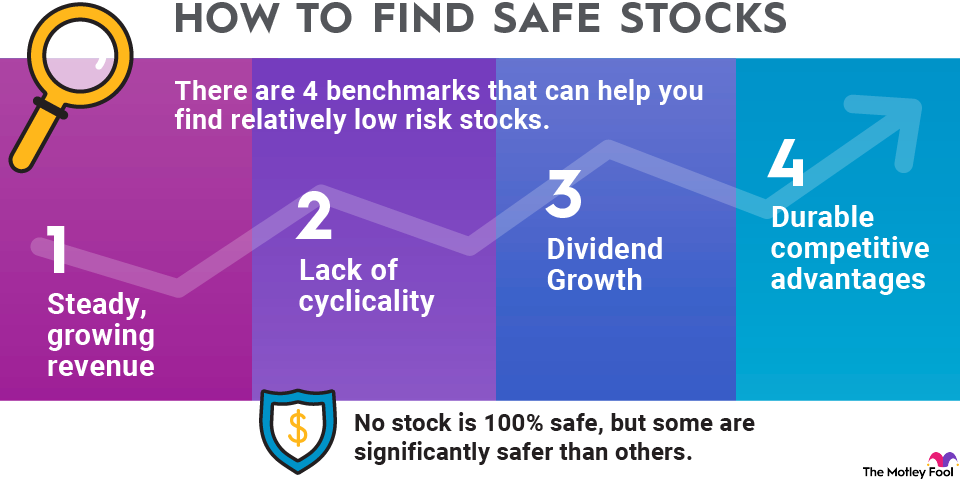
While caution is a major theme, smart money is not entirely avoiding the market. Instead, institutional investors are selectively buying high-quality stocks that have become undervalued during the recent decline.
This approach is often referred to as “buying the dip,” but with a disciplined and research-driven strategy. Investors are focusing on companies with strong fundamentals, solid earnings potential, and competitive advantages.
Technology giants, leading financial institutions, and companies with strong balance sheets are among the top targets. By entering positions gradually, smart money aims to benefit from long-term growth while managing short-term risks.
Monitoring Interest Rates and Federal Reserve Signals



Interest rates remain one of the most important factors influencing investor strategy in 2026. The Federal Reserve’s stance on rate cuts—or delays—has a direct impact on market sentiment and asset valuations.
Smart money closely monitors economic data, including inflation reports, employment figures, and GDP growth. These indicators provide insights into potential policy changes and help investors anticipate market movements.
Rising or sustained high interest rates can pressure equities, especially growth stocks. As a result, investors are adjusting their portfolios based on expectations of future monetary policy decisions.
Diversification and Risk Management Take Center Stage
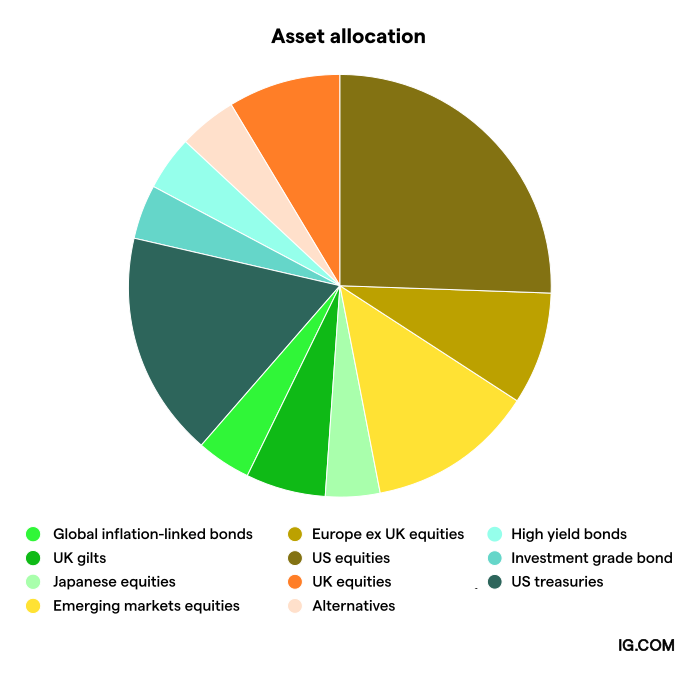



Diversification is a cornerstone of smart investing, and it becomes even more critical during market downturns. Institutional investors are spreading risk across multiple asset classes, including equities, bonds, commodities, and alternative investments.
This multi-asset approach helps reduce the impact of losses in any single area. For example, rising commodity prices can offset declines in equities, while bonds provide stability during periods of volatility.
Risk management strategies, such as hedging and stop-loss orders, are also being widely used. These tools help protect portfolios from significant downside while allowing investors to remain positioned for potential upside.
Global Perspective: Watching International Markets and Risks

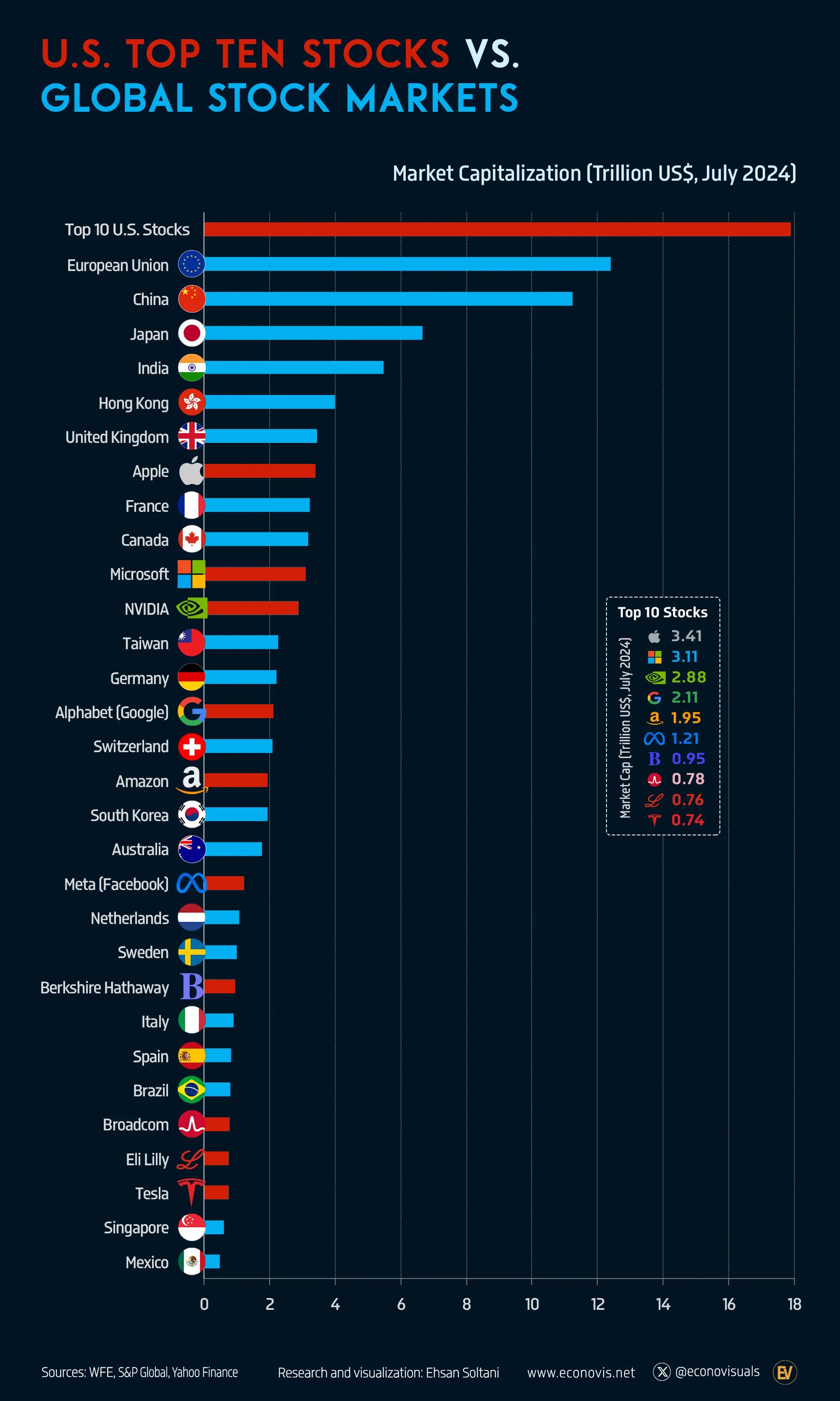

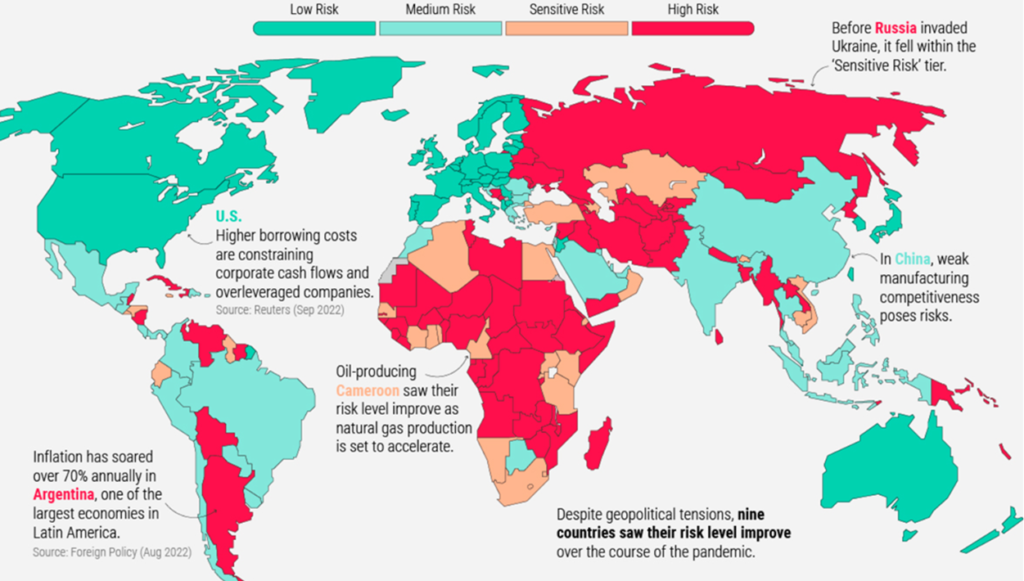
Smart money is not limited to domestic markets. Global factors are playing an increasingly important role in shaping investment strategies. Investors are closely watching developments in Europe, Asia, and emerging markets.
Trade tensions, geopolitical conflicts, and currency fluctuations can all influence market conditions. By maintaining a global perspective, investors can identify opportunities and risks that may not be immediately apparent in domestic markets.
International diversification also provides additional growth potential. While some regions may face challenges, others may offer stronger economic performance, creating opportunities for strategic investment.
What This Means for Investors in 2026
The current market drop has created uncertainty, but it has also revealed how experienced investors navigate challenging conditions. Smart money is focusing on defensive sectors, maintaining liquidity, selectively buying undervalued assets, and closely monitoring economic signals.
Rather than reacting emotionally, successful investors are taking a disciplined and strategic approach. This mindset allows them to manage risk effectively while positioning for future opportunities.
For individual investors, the key takeaway is clear: understanding market trends, staying informed, and maintaining a long-term perspective are essential. While short-term volatility can be unsettling, it often creates opportunities for those who are prepared.
As markets continue to evolve, keeping an eye on smart money strategies can provide valuable insights. By learning from these approaches, investors can make more informed decisions and navigate uncertainty with confidence.
Subscribe to trusted news sites like USnewsSphere.com for continuous updates.