
CrowdStrike, Amazon Pressure & AI Competition: Is Cybersecurity Still a Safe Investment? This question is dominating financial markets in 2026 as investors reassess one of the most popular growth sectors of the past decade. Cybersecurity stocks once delivered consistent double-digit growth, fueled by rising cyber threats and global digital transformation. However, recent developments—including intensified competition, pricing pressure from cloud giants, and rapid AI disruption—are forcing investors to rethink whether this sector remains a “safe bet” or is entering a more volatile phase.
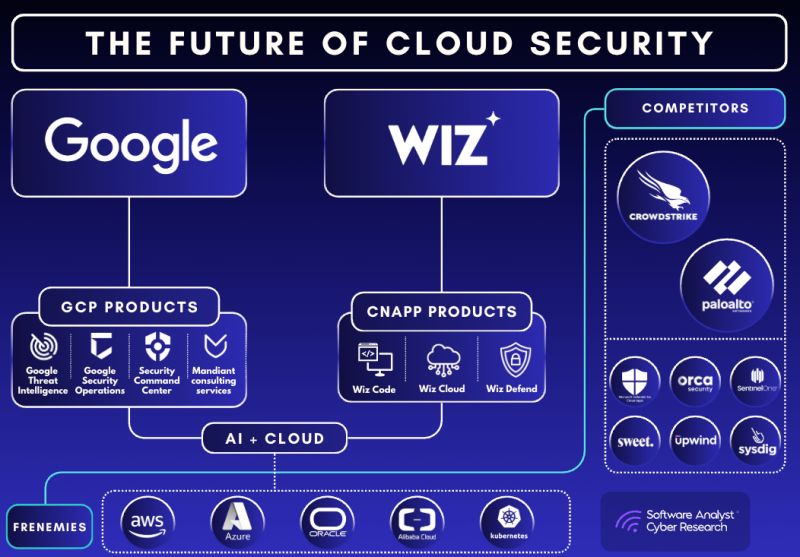
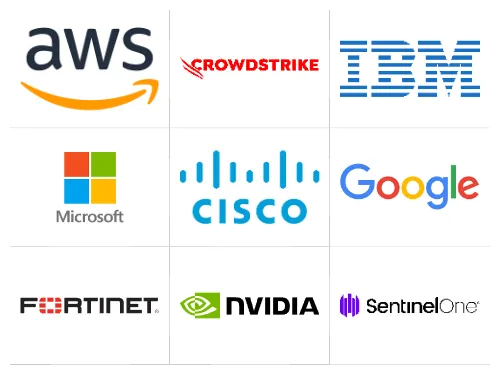
Over the past few months, trending financial discussions across global markets—from Wall Street analyst reports to investor blogs—have highlighted increasing concerns about valuation corrections, slowing enterprise spending, and evolving competitive dynamics. At the center of this conversation is CrowdStrike, a leader in endpoint security, facing both macroeconomic pressures and aggressive competition from companies like Amazon and Microsoft.
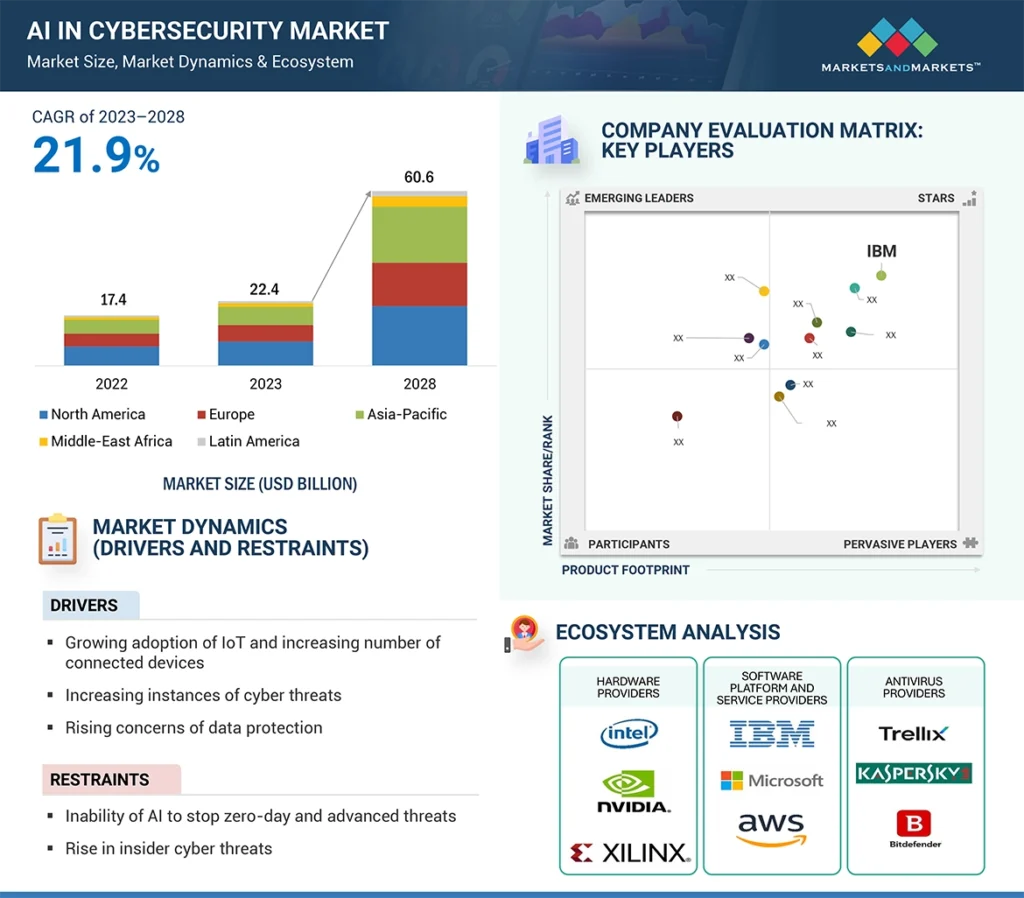
Cybersecurity Market Growth Is Strong—but Slowing Margins Raise Concerns
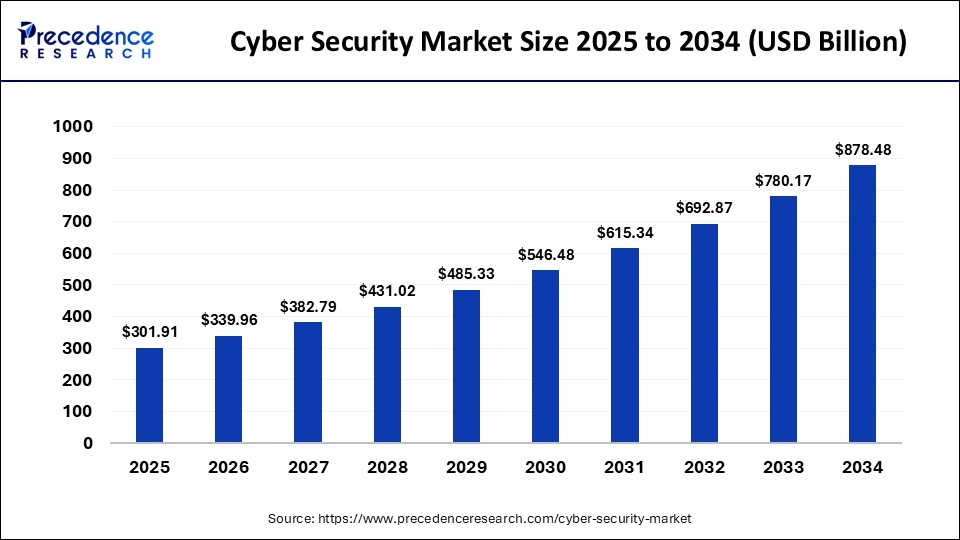
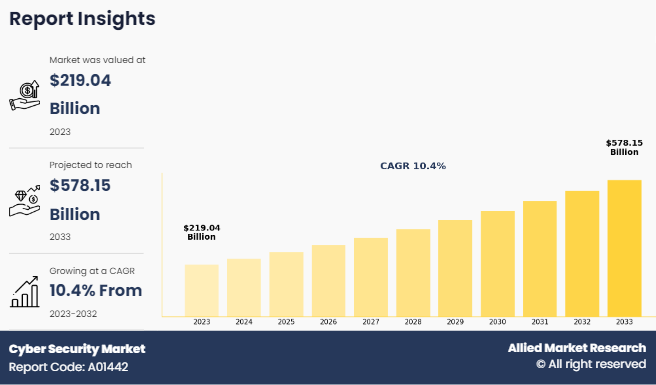
The global cybersecurity market continues to expand at a significant pace. According to recent industry estimates, the market is projected to exceed $300 billion by 2027, growing at a compound annual growth rate (CAGR) of around 10–12%. This growth is fueled by increasing cyberattacks, ransomware incidents, and stricter data protection regulations across the United States and Europe.
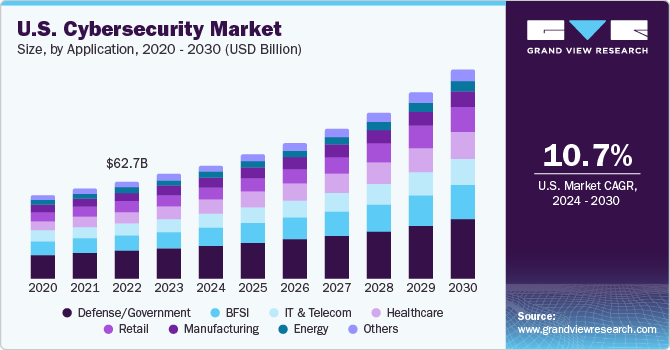
However, despite strong top-line growth, profit margins are under pressure. Companies are investing heavily in AI, infrastructure, and customer acquisition, which is impacting profitability. For example, cybersecurity firms are spending more on research and development to stay competitive in AI-driven threat detection.
Additionally, enterprises are becoming more cost-conscious in 2026 due to economic uncertainty and higher interest rates. Many organizations are consolidating vendors instead of using multiple security providers, which is reducing contract sizes and impacting revenue growth for smaller cybersecurity firms.
This shift suggests that while demand remains strong, pricing power is weakening, which is a critical concern for investors focused on long-term returns.
CrowdStrike’s Position: Market Leader Facing New Pressures
CrowdStrike remains one of the most recognized names in cybersecurity, known for its cloud-native Falcon platform. The company has consistently delivered strong revenue growth, often exceeding 30% year-over-year in recent quarters, making it a favorite among growth investors.
However, recent market sentiment has shifted. Investors are closely watching:
- Slowing customer growth rates
- Rising competition from cloud providers
- Increased operational costs due to AI investments
CrowdStrike’s valuation has also been a topic of debate. Even after some corrections, the stock still trades at a premium compared to traditional tech companies. This raises questions about whether future growth can justify its current price levels.
Despite these challenges, CrowdStrike continues to innovate, particularly in AI-driven threat detection and real-time analytics. Its strong brand reputation and enterprise customer base provide a solid foundation, but the company must maintain high growth rates to sustain investor confidence.
Amazon’s Entry Is Changing the Competitive Landscape
One of the biggest disruptors in cybersecurity today is Amazon, particularly through its cloud division. Amazon Web Services (AWS) is increasingly offering integrated security solutions, often bundled with its cloud services.
This creates a major advantage:
- Lower pricing due to economies of scale
- Seamless integration with cloud infrastructure
- Reduced need for third-party security tools

For enterprises already using AWS, switching to its built-in security solutions is often more cost-effective than maintaining separate vendors. This trend is putting pressure on standalone cybersecurity companies, forcing them to either lower prices or offer significantly differentiated services.
Amazon’s strategy is not just about competing—it’s about owning the entire cloud ecosystem, including security. This could gradually reduce market share for independent cybersecurity firms over the next few years.

AI Competition Is Reshaping the Entire Industry
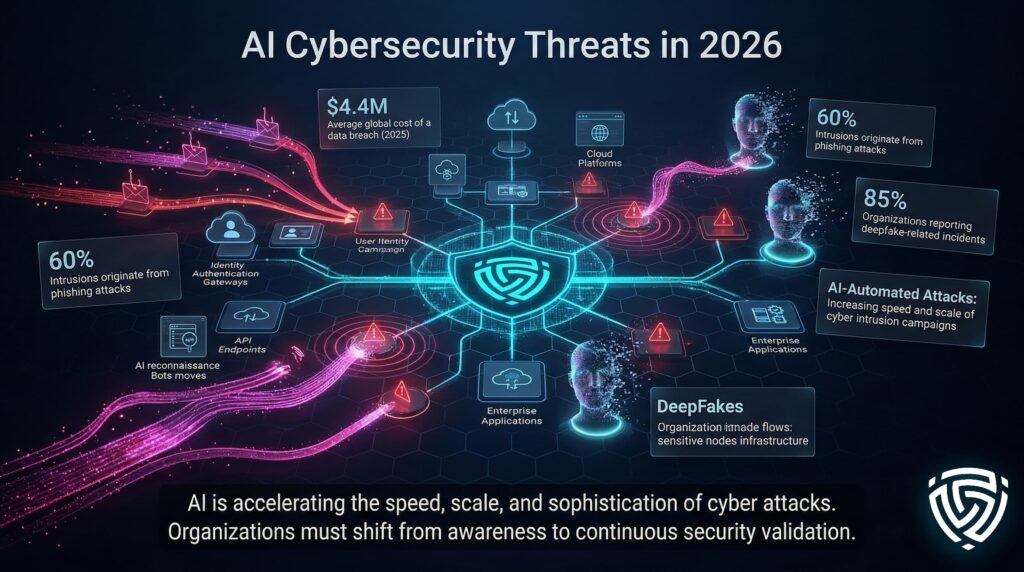
Artificial Intelligence is both an opportunity and a threat for cybersecurity companies. On one hand, AI enables faster threat detection, predictive analytics, and automated response systems. On the other hand, it lowers barriers to entry, allowing new players to develop advanced security tools quickly.
In 2026, the biggest shift is toward AI-first cybersecurity platforms. Companies that fail to integrate AI deeply into their offerings risk falling behind.
Key AI trends in cybersecurity include:
- Real-time behavioral threat detection
- Automated incident response systems
- AI-powered vulnerability scanning
- Predictive risk analysis
However, AI is also increasing competition. Big tech companies like Microsoft, Google, and Amazon are investing billions into AI-driven security, making it harder for smaller firms to compete.
This creates a paradox:
AI is driving growth in cybersecurity—but also intensifying competition and reducing differentiation.
Investor Sentiment: From “Safe Haven” to “Selective Opportunity”
For years, cybersecurity was considered a “safe growth investment,” similar to cloud computing and SaaS. However, investor sentiment in 2026 has become more cautious.
Recent trends show:
- Increased volatility in cybersecurity stocks
- Greater focus on profitability over growth
- Preference for large, diversified tech companies
Investors are no longer blindly investing in the sector. Instead, they are becoming more selective, focusing on companies with:
- Strong cash flow
- Sustainable competitive advantages
- Deep AI integration
- Long-term enterprise contracts
This shift indicates that cybersecurity is no longer a guaranteed high-return sector. Instead, it is evolving into a mature industry where only the strongest players will dominate.
Risks Every Investor Must Understand Before Investing
While cybersecurity remains a critical industry, there are several risks that investors must consider in 2026:
Valuation Risk:
Many cybersecurity stocks are still trading at high multiples, which could lead to corrections if growth slows.
Competition Risk:
Big tech companies entering the market are creating intense pricing pressure and reducing margins.
Technology Risk:
Rapid advancements in AI could disrupt existing business models, making some companies obsolete.
Economic Risk:
Enterprise spending on cybersecurity could slow during economic downturns, impacting revenue growth.
Consolidation Risk:
Mergers and acquisitions may reshape the industry, potentially reducing competition but also limiting growth opportunities for smaller firms.
Understanding these risks is essential for making informed investment decisions in today’s market.
Market Outlook: Long-Term Growth with Short-Term Volatility
Despite current challenges, the long-term outlook for cybersecurity remains positive. Cyber threats are increasing globally, and governments and corporations cannot afford to reduce security spending significantly.
However, the nature of growth is changing:
- Growth will be more competitive and less predictable
- Profitability will become more important than revenue growth
- AI will be the defining factor for success
In the next 3–5 years, the cybersecurity sector is expected to:
- Consolidate around major players
- Integrate deeply with cloud platforms
- Shift toward AI-driven solutions
For investors, this means focusing on companies that are not just growing but adapting to the new competitive landscape.
Final Verdict: Is Cybersecurity Still a Safe Investment?
Cybersecurity is no longer the “easy win” investment it once was—but it is far from obsolete. The sector is transitioning from high-growth hype to strategic, innovation-driven competition.
Companies like CrowdStrike still offer strong potential, but they face increasing pressure from Amazon, Microsoft, and AI-driven startups. Investors must now be more selective, focusing on fundamentals rather than momentum.
The key takeaway is clear:
Cybersecurity remains a critical industry with long-term growth potential—but it is no longer risk-free.
Smart investors in 2026 will treat cybersecurity not as a blanket safe investment, but as a high-opportunity sector requiring careful analysis and strategic selection.
Subscribe to trusted news sites like USnewsSphere.com for continuous updates.