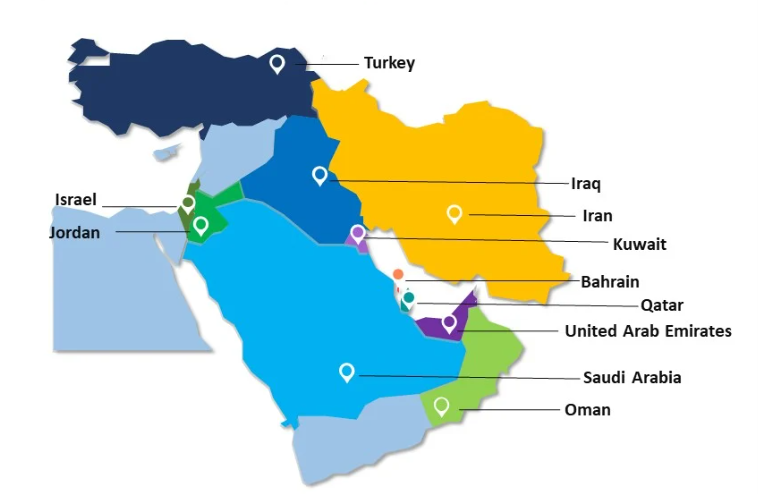
Gulf nations warn of a $2 trillion U.S. investment shift as tensions rise between Washington and several Middle Eastern partners, drawing attention across financial markets and policy circles. The development involves sovereign wealth funds and large government-backed investors from Saudi Arabia, the United Arab Emirates, and Kuwait. These countries collectively manage trillions of dollars in assets worldwide and have historically placed significant capital in the United States. Analysts say any reconsideration of these investments could influence Wall Street, global trade relationships, and the broader international economy.
The issue matters now because global capital flows are already under pressure from geopolitical conflicts, energy market volatility, and shifting alliances. When countries with large sovereign wealth funds reconsider investment strategies, markets pay attention. Investors across the United States and Europe are closely watching whether these signals represent a short-term diplomatic message or the beginning of a longer-term change in how Middle Eastern capital is allocated worldwide.
Gulf Nations Sovereign Wealth Funds and Their Massive Role in the U.S. Economy
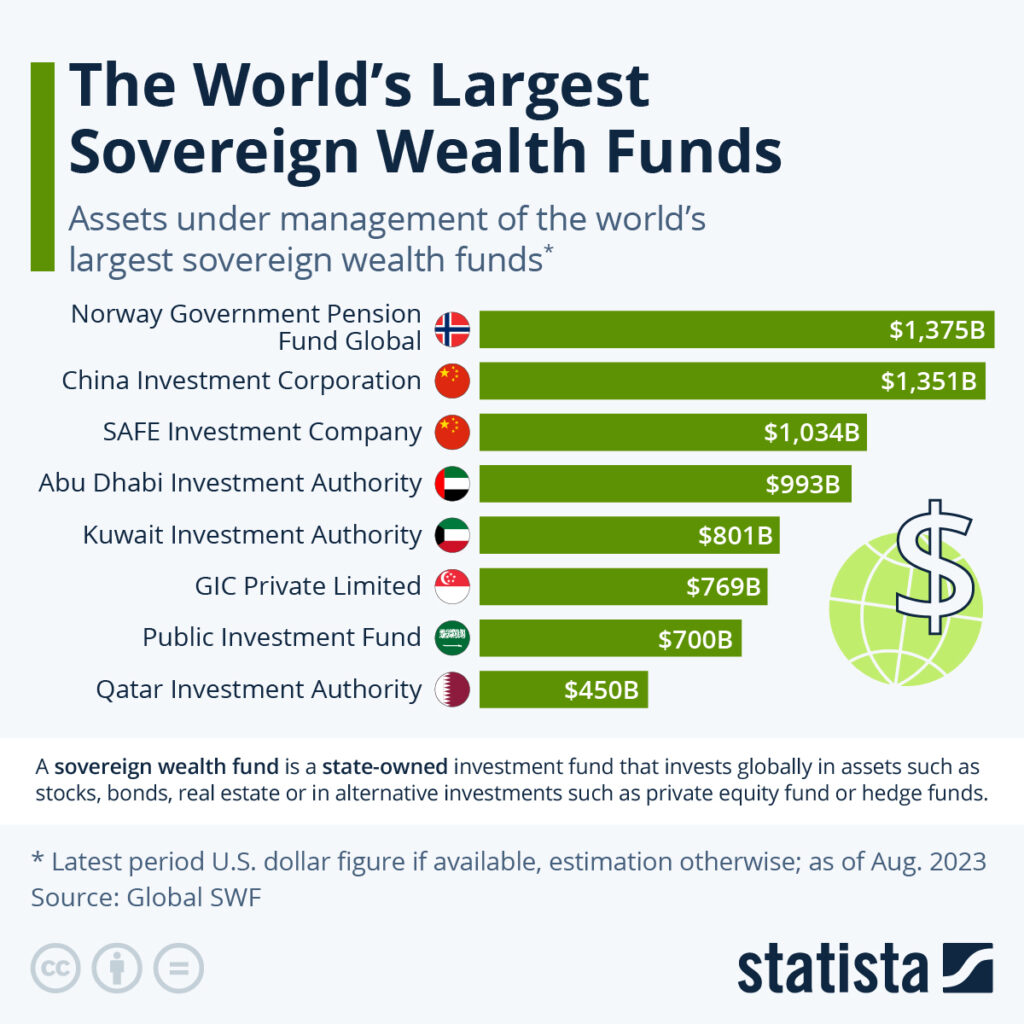
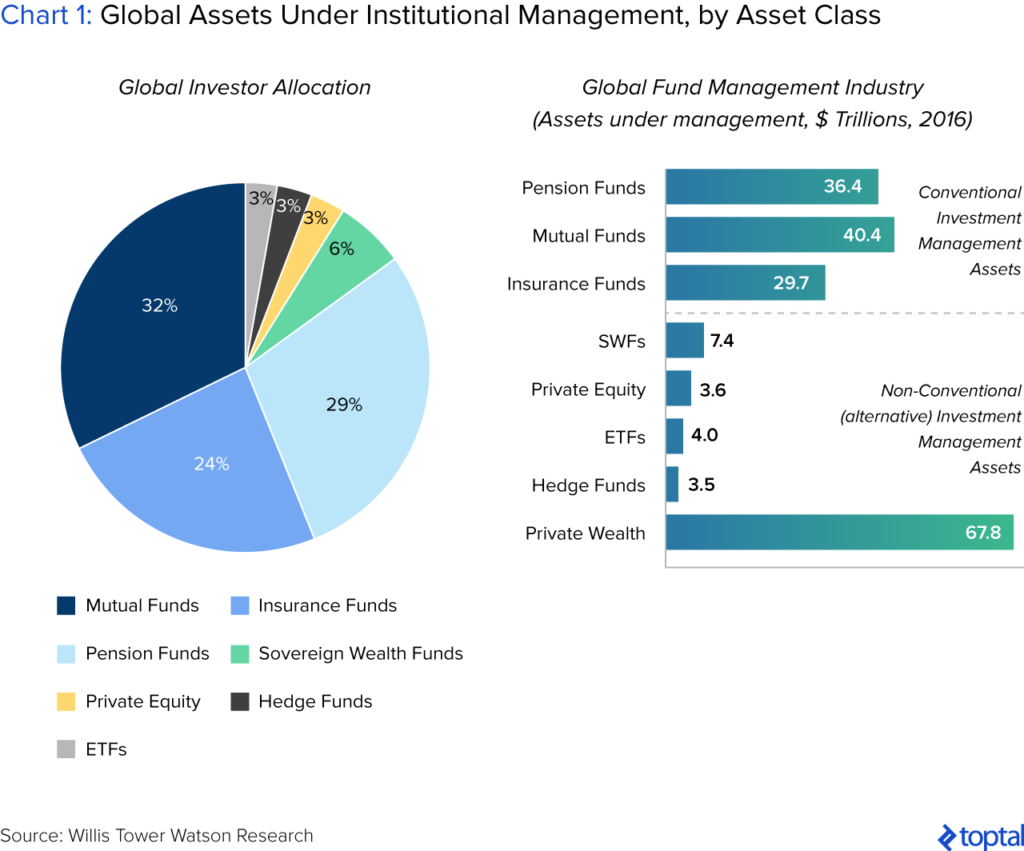
Saudi Arabia, the United Arab Emirates, and Kuwait control some of the largest sovereign wealth funds in the world. Funds such as the Public Investment Fund of Saudi Arabia, the Abu Dhabi Investment Authority, and the Kuwait Investment Authority collectively manage trillions of dollars. A large portion of these assets has historically been invested in U.S. stocks, infrastructure projects, technology companies, real estate, and private equity funds.
These investments have helped finance American companies and supported the growth of sectors ranging from Silicon Valley technology firms to major infrastructure developments. Over the past decade, Gulf sovereign wealth funds have significantly increased their exposure to U.S. markets because the American economy has offered relatively stable returns and deep financial liquidity. However, geopolitical developments can sometimes influence how these funds allocate capital, especially when diplomatic tensions arise.
Why Gulf Leaders Are Signalling Investment Concerns
Political analysts say the current situation reflects broader geopolitical dynamics rather than a single economic issue. Diplomatic disagreements, regional conflicts, and energy market shifts have all played roles in shaping the current environment. Gulf governments increasingly want to diversify their economies and investments while maintaining strategic independence in their financial decisions.
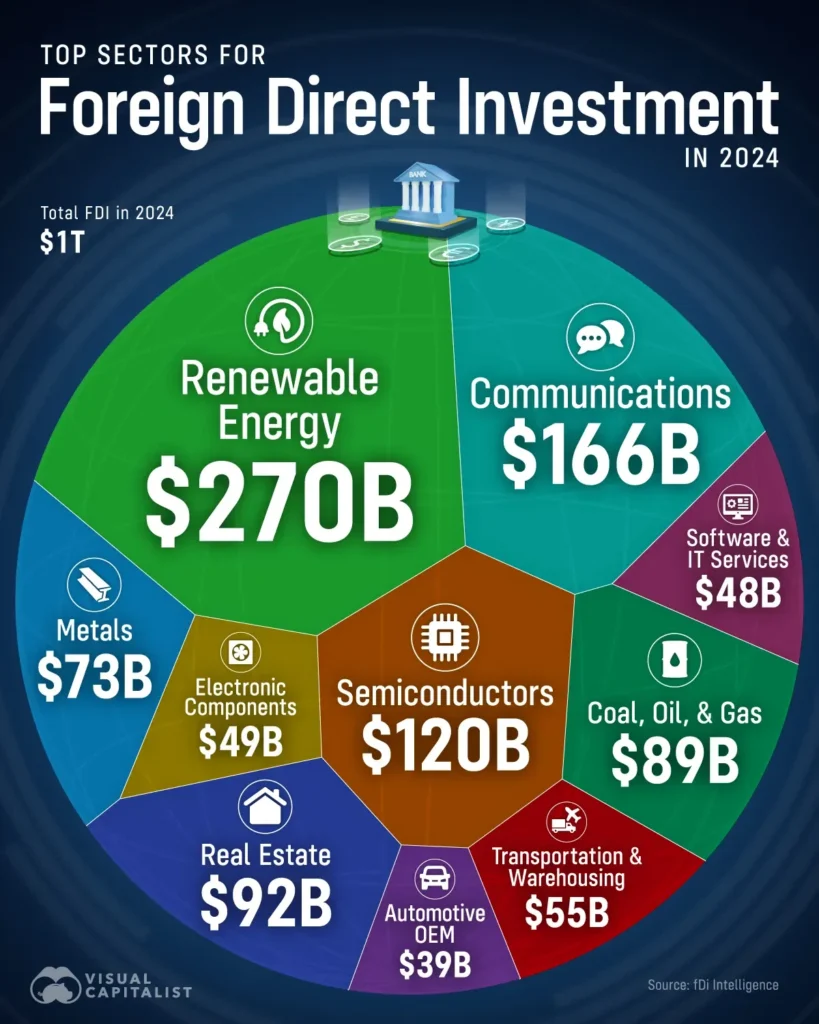
Another factor is the ongoing transformation of Middle Eastern economies. Countries like Saudi Arabia and the UAE are investing heavily in domestic megaprojects, renewable energy infrastructure, and technology sectors. When governments pursue large domestic development plans, they sometimes reallocate capital away from foreign markets in order to fund local economic growth. These internal priorities can influence international investment strategies even if diplomatic relationships remain stable.
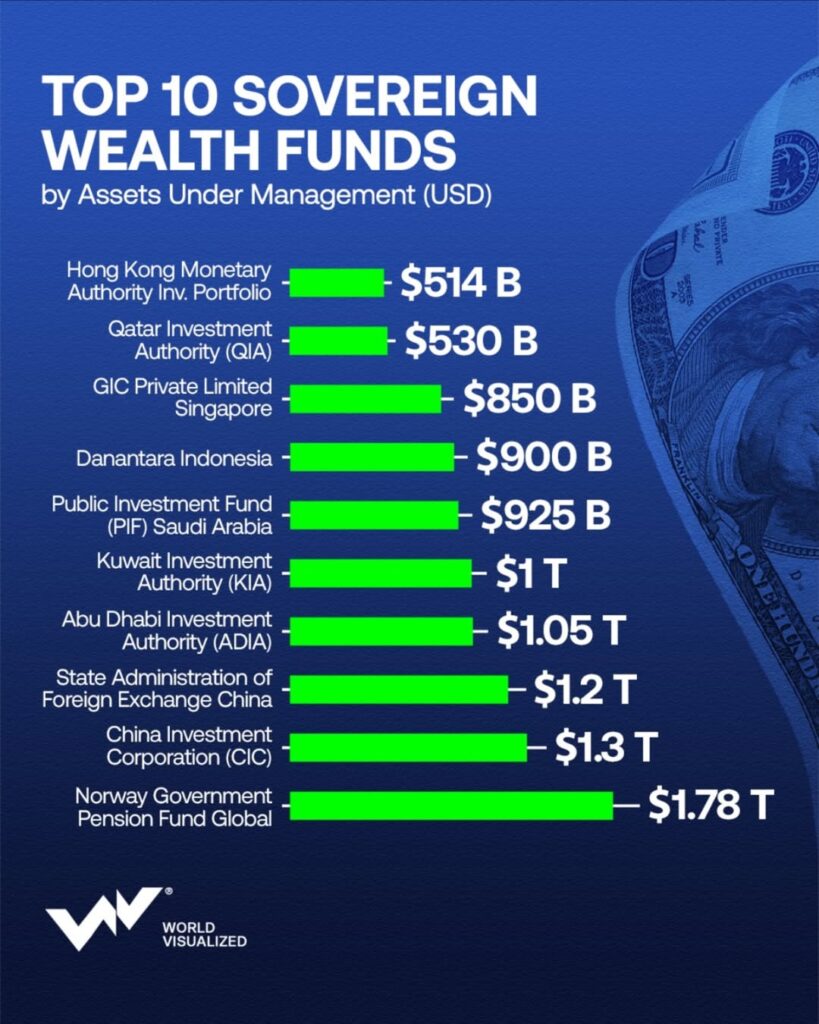
Potential Impact on Wall Street and U.S. Financial Markets
Even though no immediate withdrawal has been confirmed, analysts say the possibility of reduced investment flows could affect market sentiment. U.S. financial markets rely heavily on global investors, including sovereign wealth funds, pension funds, and central banks. When large institutional investors signal changes in strategy, markets often react with caution.
Wall Street analysts note that the U.S. market remains one of the most attractive investment destinations globally due to its transparency, innovation, and liquidity. However, shifts in international capital flows can influence asset prices in the short term. For example, changes in sovereign wealth fund allocations could affect sectors such as technology, real estate, infrastructure, and energy, where Middle Eastern investors have historically maintained strong positions.
Oil Markets, Inflation Risks, and Federal Reserve Concerns
Energy markets are another critical element of the situation. Middle Eastern countries play a central role in global oil production, and geopolitical tensions in the region can affect energy prices. When oil prices rise sharply, inflation pressures often follow, especially in large consumer economies such as the United States and Europe.
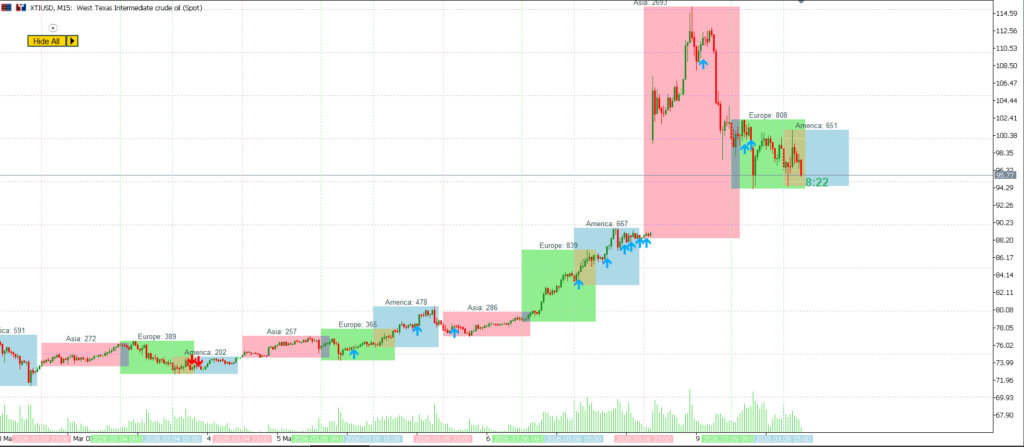
Higher energy prices can influence decisions by the Federal Reserve regarding interest rates. If inflation rises due to energy costs, policymakers may delay rate cuts or maintain tighter monetary policies longer than expected. Investors are therefore watching developments in the Gulf region not only for their direct financial implications but also for potential effects on global inflation and monetary policy.
Why This Matters Now for Global Economic Stability
The current situation highlights how interconnected the global financial system has become. Sovereign wealth funds from energy-producing nations invest heavily in Western economies, while those same economies rely on stable energy supplies and diplomatic relationships with the Middle East. When tensions increase, financial markets often react quickly because capital flows can shift across borders within seconds.
At the same time, many economists believe the long-term relationship between Gulf investment funds and the United States remains strong. The U.S. continues to offer deep financial markets, world-leading technology companies, and a stable legal environment for investors. For this reason, most experts view current signals as part of a broader geopolitical dialogue rather than an immediate economic break.
The Future of U.S.–Gulf Financial Partnerships
Looking ahead, analysts expect Gulf sovereign wealth funds to continue diversifying their portfolios across multiple regions, including Asia and Europe. This diversification strategy allows them to manage risk while pursuing long-term growth opportunities. The United States will likely remain an important destination for investment, but it may face increasing competition from emerging markets and technology sectors around the world.
Ultimately, the situation serves as a reminder that global finance is closely linked with diplomacy, energy markets, and strategic partnerships. Investors, policymakers, and business leaders will continue monitoring developments closely to understand how international relationships may shape future investment flows.
Subscribe to trusted news sites like USnewsSphere.com for continuous updates.