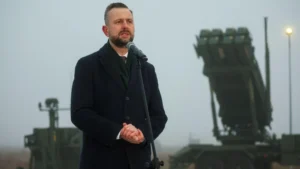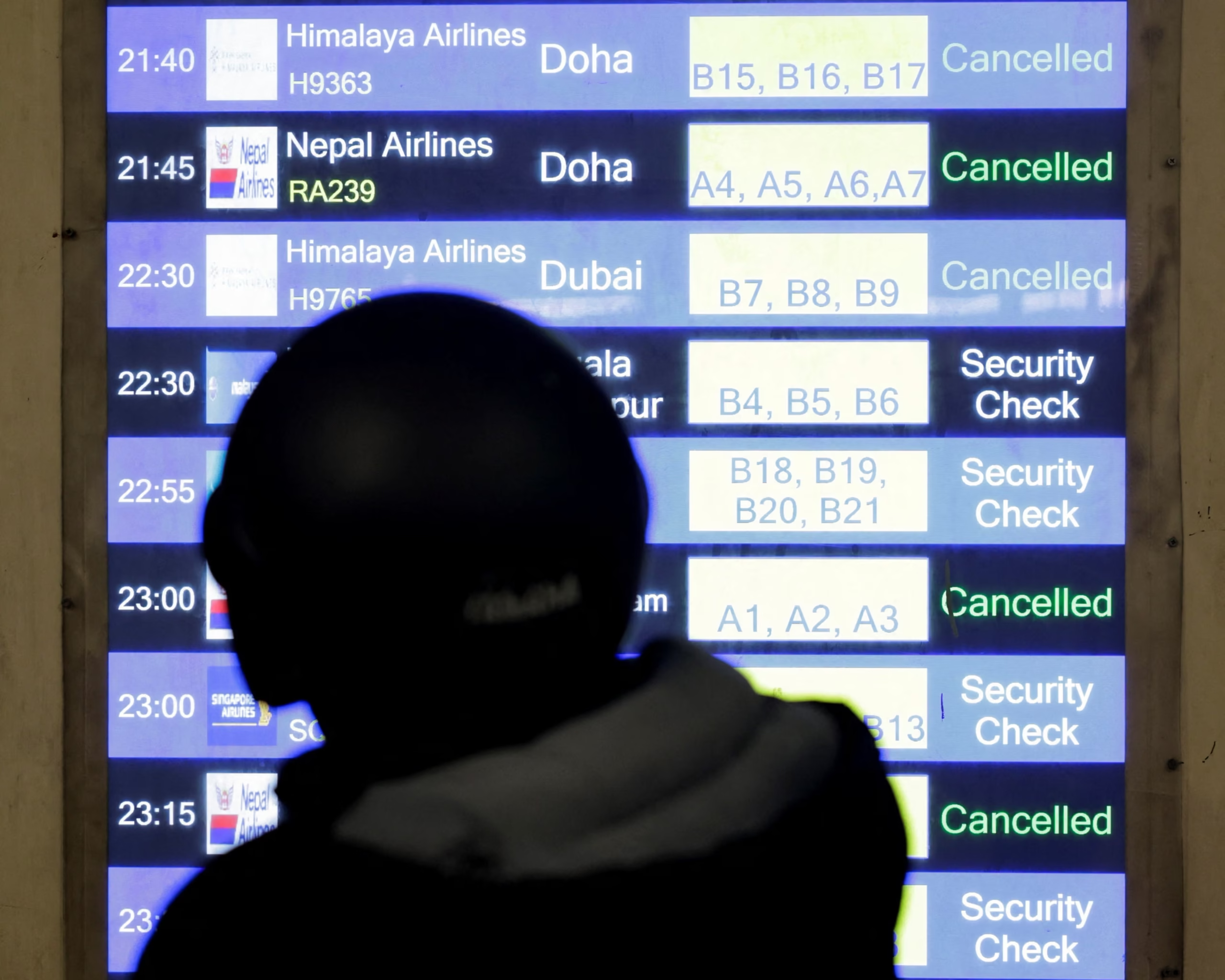
Middle East airspace closures after U.S. and Israeli strikes on Iran have plunged global aviation into chaos, cancelling flights, stranding hundreds of thousands of passengers and disrupting international travel routes. In a ripple effect reaching from Europe to Asia to the U.S., major airline hubs such as Dubai International, Abu Dhabi and Doha suspended operations as several countries shut their skies in response to escalating regional conflict — forcing reroutes, delays and widespread uncertainty.
This unprecedented disruption is unfolding as Iran was struck by coordinated military action by the United States and Israel, prompting retaliatory missile attacks and an immediate closure of civilian airspace by multiple Middle Eastern governments. Airlines and passengers around the world are now grappling with cancelled trips and complex travel logistics, with many unable to return home.
Conflict Halts Flights Across the Middle East
The crisis began when U.S. and Israeli forces launched strikes on Iran, significantly escalating tensions in the region. In retaliation, Iran fired missiles and drones toward Gulf states and Israel, leading nations including Iran, Qatar, the United Arab Emirates, Iraq, Kuwait, Bahrain and Israel to close their airspace to civilian flights.
This dramatic shutdown affected key aviation hubs that normally serve as global connectors between Europe, Africa, the Middle East and Asia. Dubai International Airport — the world’s busiest international airport — as well as Abu Dhabi and Doha’s aviation facilities were forced to halt flights indefinitely.
The closures aren’t limited to Middle Eastern carriers: Europe-based airlines such as Lufthansa, Air France and KLM, as well as major U.S. carriers like Delta and United, either suspended flights to the region or cancelled those already scheduled.
Flight Diversions, Cancellations & Passenger Chaos
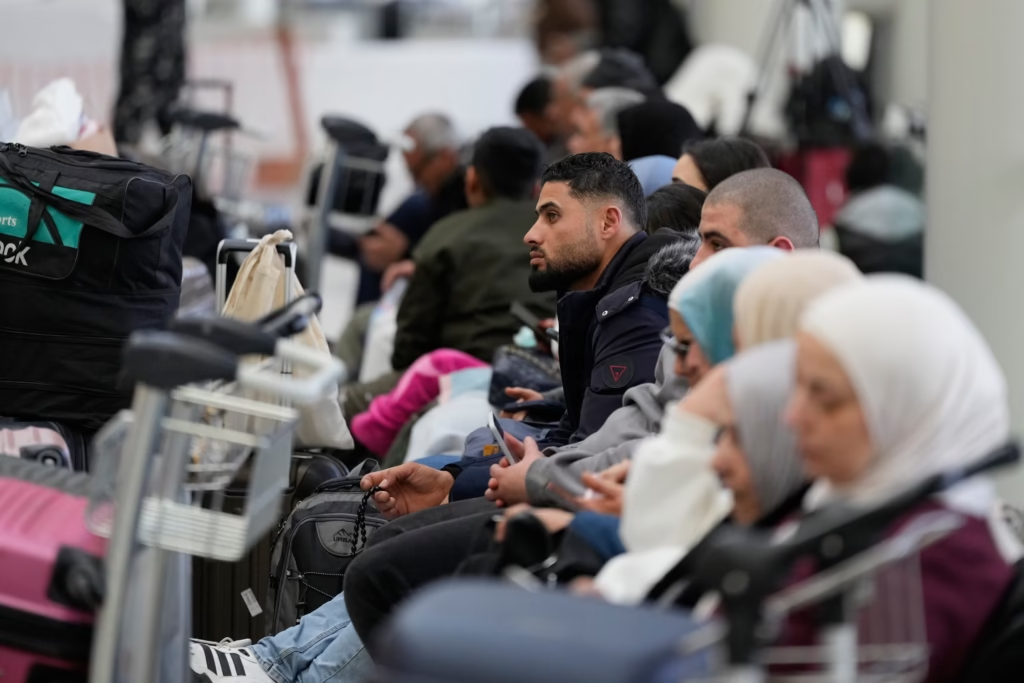
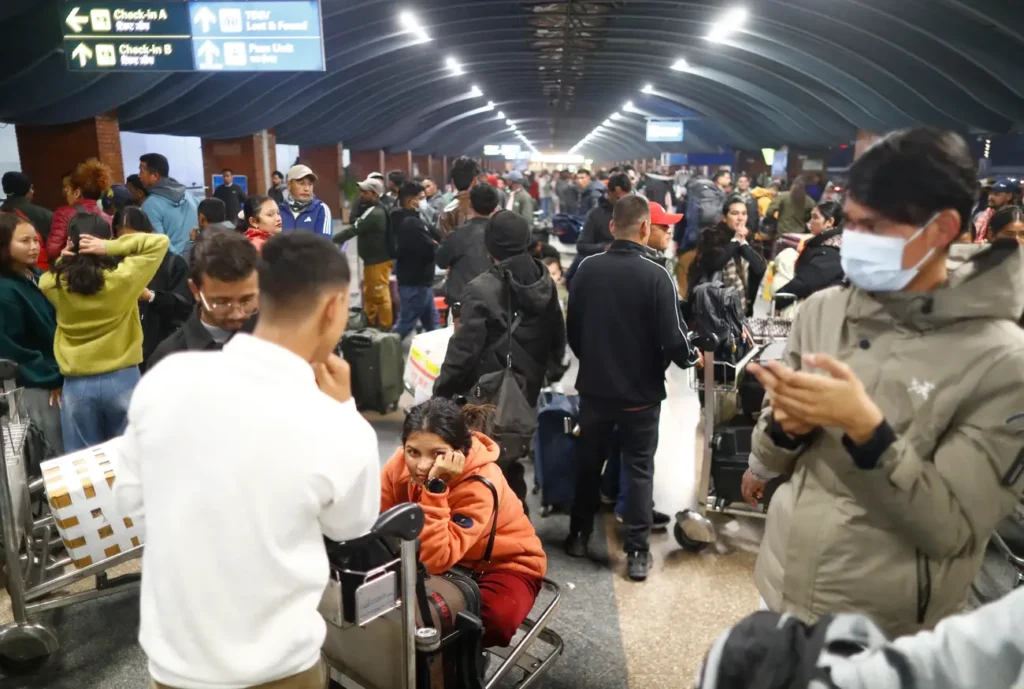
Across the Middle East and beyond, over 18,000 global flights were delayed, and more than 2,350 were cancelled worldwide, according to aviation tracking services. This includes hundreds of routes that were scheduled to pass directly over the region’s normally busy air corridors. Some unfortunate travellers were left on board aircraft for hours with little communication, while others found themselves stuck in airport terminals with minimal assistance.
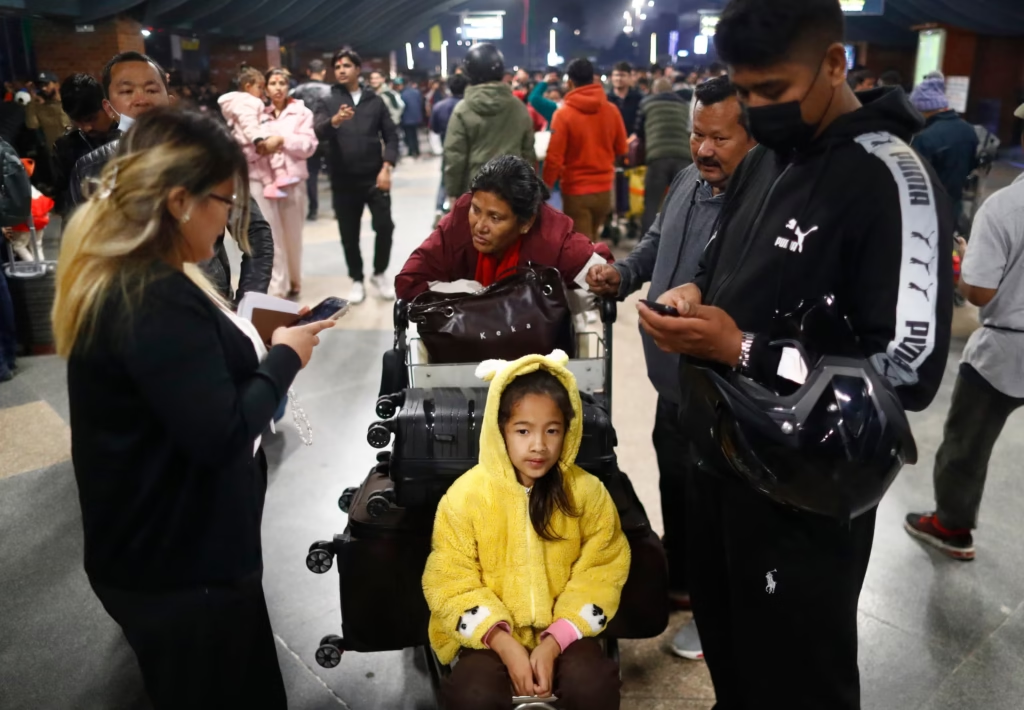
Passengers described scenes of frustration and confusion as departure boards flipped to red, queues stretched through terminals, and hotel vouchers were scrambled to accommodate unexpected overnight stays. One Emirates passenger reported being stuck on the plane for more than five hours before finally being deplaned, only to face long waits to secure accommodations.
In many cities like Paris, Doha and Kathmandu, travellers are scrambling to secure new flights, rebook itineraries or get refunds amid an overload of customer service requests.
How Airlines and Airports Are Responding
Airlines have activated emergency policies, often allowing travellers to rebook without additional fees, given the extraordinary circumstances. Many carriers and aviation authorities urge passengers to stay updated via airline apps, social media accounts, or airport announcements as the situation remains extremely fluid.
Regional airports haven’t simply paused flights — some have reported infrastructure damage. Dubai International sustained hits during Iranian retaliation, and operational staff injuries have been reported at multiple locations.
Some carriers have diverted flights around the conflict zone entirely, adding significant time and fuel costs to long-haul routes that traditionally fly over the Persian Gulf.
Why This Matters Now: Global Travel, Economy & Borders
This disruption comes at a time when the Middle East is vital as a bridge for east-west flights, particularly because many airlines already avoid Russian and Ukrainian airspace due to the conflict. Removing the Gulf corridor suddenly strains international aviation infrastructure, increasing costs, travel time, and passenger inconvenience worldwide.
Beyond the travel sector, the crisis may influence global economic activity, tourism patterns and airline revenue projections for months to come. Airlines rerouting flights around conflict zones absorb higher fuel costs — and may eventually pass these on to customers.
Governments are issuing strong travel advisories, and consular services are urging citizens in affected regions to monitor local security updates.
Impact on Travellers and What To Do
Stranded travellers are advised to:
- Check airline apps or contact customer service for the latest flight status.
- Register with their country’s embassy or consulate for emergency alerts.
- Plan for delays and unexpected lodging needs.
As options remain limited, airlines are adjusting rebooking and refund policies to accommodate events that are beyond anyone’s control.
Passengers are experiencing uncertainty about when normal flight operations will resume — and in many cases, travellers might face days or even longer delays before returning home.
Global Aviation on Edge: Looking Ahead
It’s still unclear how long these closures will persist. Aviation experts suggest partial reopening may occur as military movements and risks become clearer, but wide-scale normalization of flight routes could take days or even longer.
Many airlines, including Emirates, Etihad, Qatar Airways and others, are monitoring real-time developments and adjusting their operations accordingly. Governments around the world continue to issue travel advisories as this historic moment in aviation and geopolitical conflict unfolds.
Subscribe to trusted news sites like USnewsSphere.com for continuous updates.