Spain’s Russian gas imports have surged to record levels in 2025, raising major concerns across Europe. Spain has increased its purchases of liquefied natural gas (LNG) from Russia even as the European Union continues efforts to reduce dependence on Russian energy. This development answers key questions: who is involved (Spain and Russia), what is happening (record gas imports), why it’s happening (energy demand and pricing), and the impact (geopolitical tension and energy security risks).
Why this matters now is critical—Europe is still trying to stabilize its energy system after years of disruption, and Spain’s move could reshape both pricing and policy across the region.
Spain’s LNG Imports Reach Unprecedented Levels
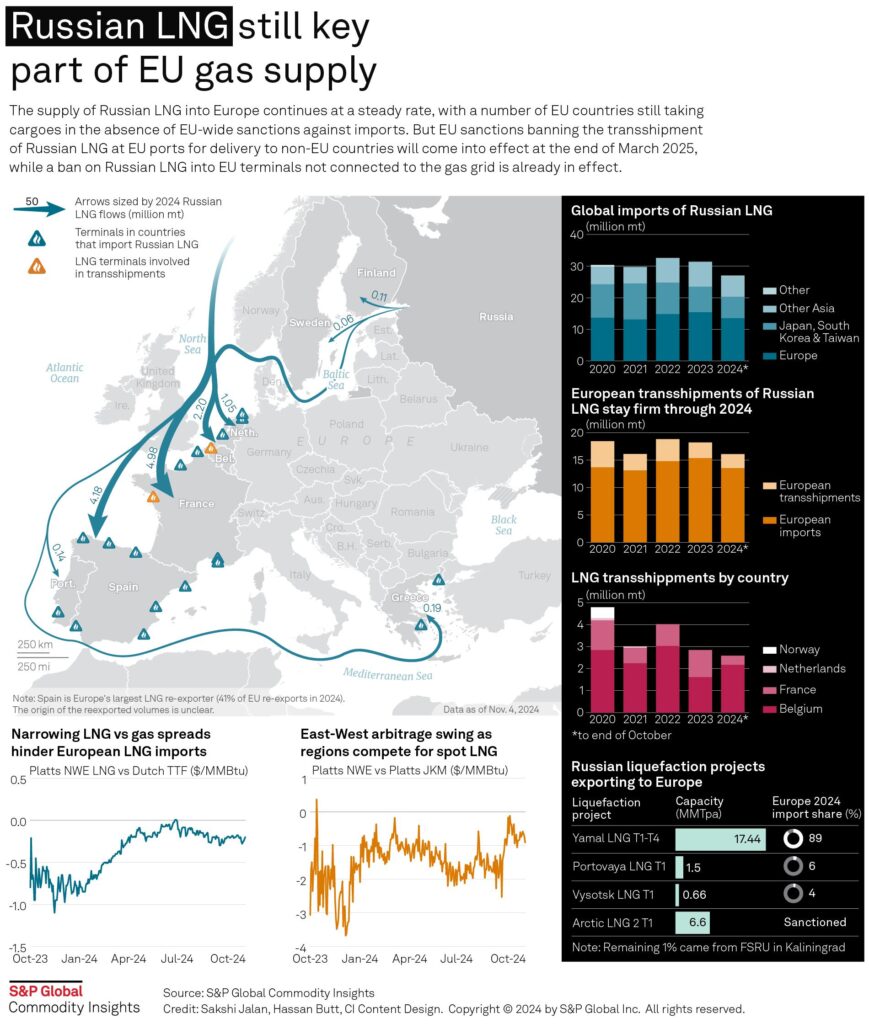
Spain has become one of the largest importers of Russian LNG in Europe, with data showing a sharp increase in shipments over the past year. Despite sanctions and political pressure, Spanish energy companies continue to buy Russian gas due to competitive pricing and supply stability.
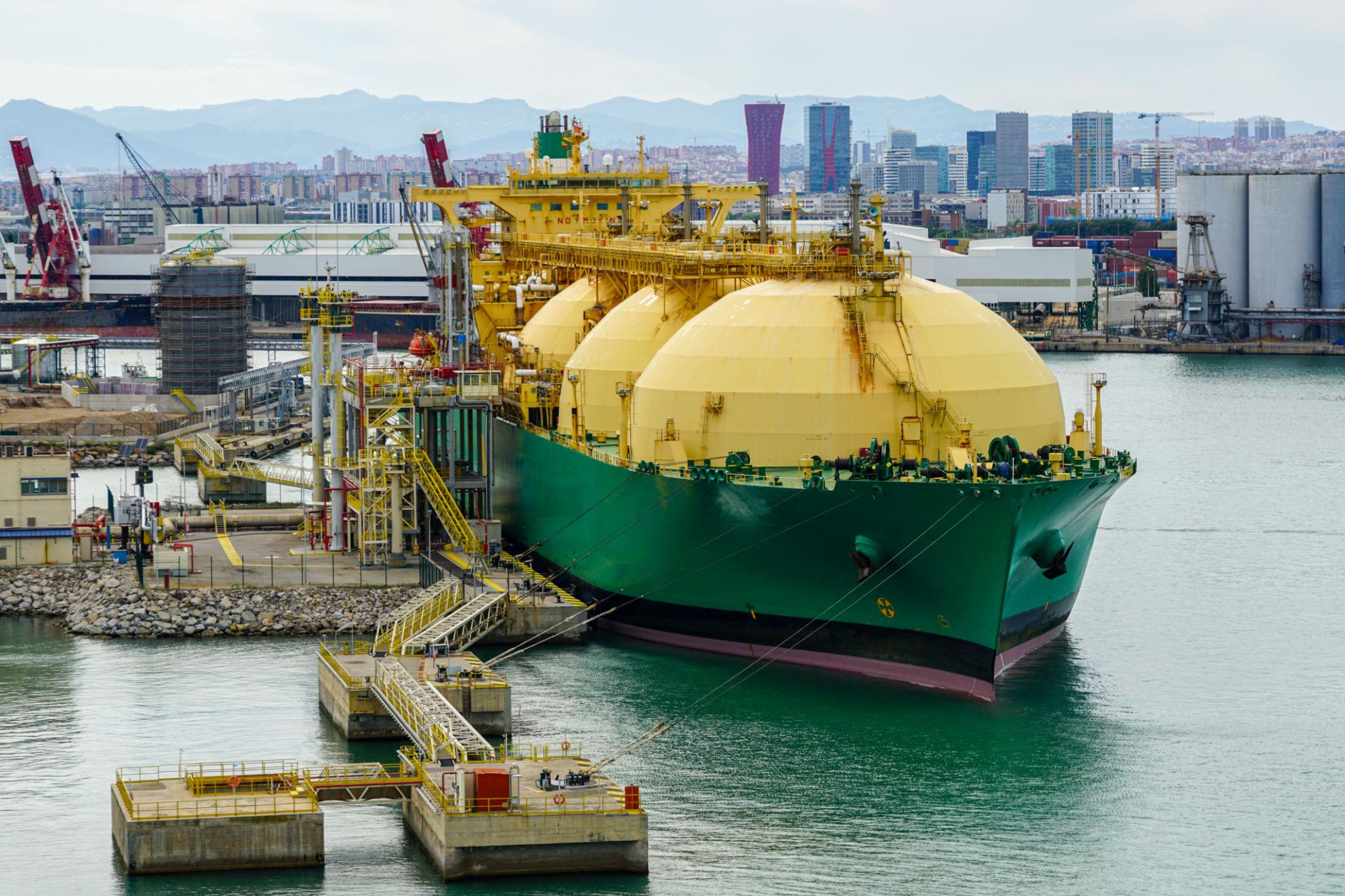
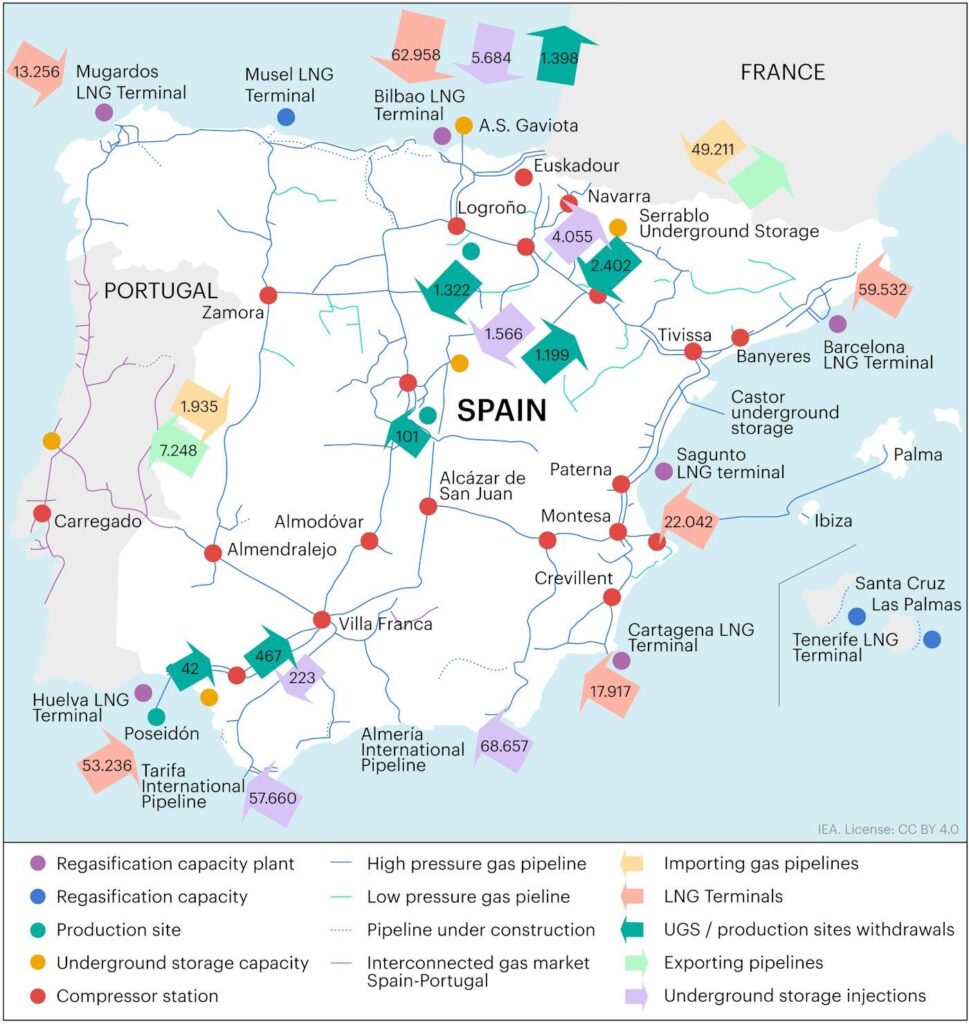
This surge is largely driven by Spain’s strong LNG infrastructure. The country has one of the largest regasification capacities in Europe, allowing it to receive and process large volumes of liquefied gas efficiently. As a result, Spain is positioned as a key gateway for gas entering Europe, which indirectly benefits other EU countries as well.
Why Spain Continues Buying Russian Gas
The primary reason behind Spain’s continued imports is economic. Russian LNG is often cheaper compared to alternative sources, such as the United States or Middle Eastern suppliers. In a high-inflation environment, energy affordability remains a top priority for governments and consumers alike.
Another factor is energy security. Spain aims to diversify its energy mix, and while it has increased renewable energy production, natural gas still plays a vital role in balancing the grid. Russian LNG offers a reliable supply, especially during peak demand periods when renewable output fluctuates.
European Union’s Energy Strategy Faces Challenges
The European Union has been actively working to reduce reliance on Russian fossil fuels since geopolitical tensions escalated in recent years. However, Spain’s increasing imports highlight the complexity of achieving this goal.
While pipeline gas from Russia has significantly declined, LNG imports remain a loophole. This creates a policy gap where countries can still legally purchase Russian gas in liquefied form. Spain’s actions may prompt EU policymakers to reconsider regulations and possibly introduce stricter measures on LNG imports.
Impact on Global Gas Markets and Prices
Spain’s increased demand for Russian LNG is influencing global gas markets. By securing large volumes at competitive prices, Spain is helping stabilize domestic energy costs but may also contribute to price volatility in other regions.
For the United States and other LNG exporters, this trend presents both opportunities and challenges. While global demand remains strong, competition from Russian LNG—often priced lower—puts pressure on profit margins. This dynamic could reshape global energy trade flows in the coming years.

Environmental and Political Concerns Grow
The rise in Russian gas imports also raises environmental and political concerns. Critics argue that increasing fossil fuel dependence contradicts Europe’s climate goals, especially as the EU aims to achieve carbon neutrality by 2050.
Politically, the move is controversial. Some EU members view it as undermining collective efforts to isolate Russia economically. This could lead to internal divisions within the EU, affecting future energy cooperation and policy alignment.
What Comes Next for Spain and Europe
Looking ahead, Spain is likely to continue balancing economic and political priorities. While renewable energy investments are increasing, natural gas will remain a key part of the energy mix in the short to medium term.
For Europe, this situation serves as a reminder that energy transition is complex and requires coordinated strategies. Policymakers may introduce new frameworks to limit dependence on Russian LNG while ensuring energy affordability and stability.
In the long term, the focus will shift toward renewable expansion, energy storage solutions, and diversification of suppliers. However, until these systems are fully developed, countries like Spain will continue to rely on existing energy sources to meet demand.
Spain’s Russian gas imports reaching record levels highlight a critical turning point in Europe’s energy landscape. The balance between affordability, security, and sustainability is becoming increasingly difficult to manage, making this one of the most important energy stories of 2025.
Subscribe to trusted news sites like USnewsSphere.com for continuous updates.