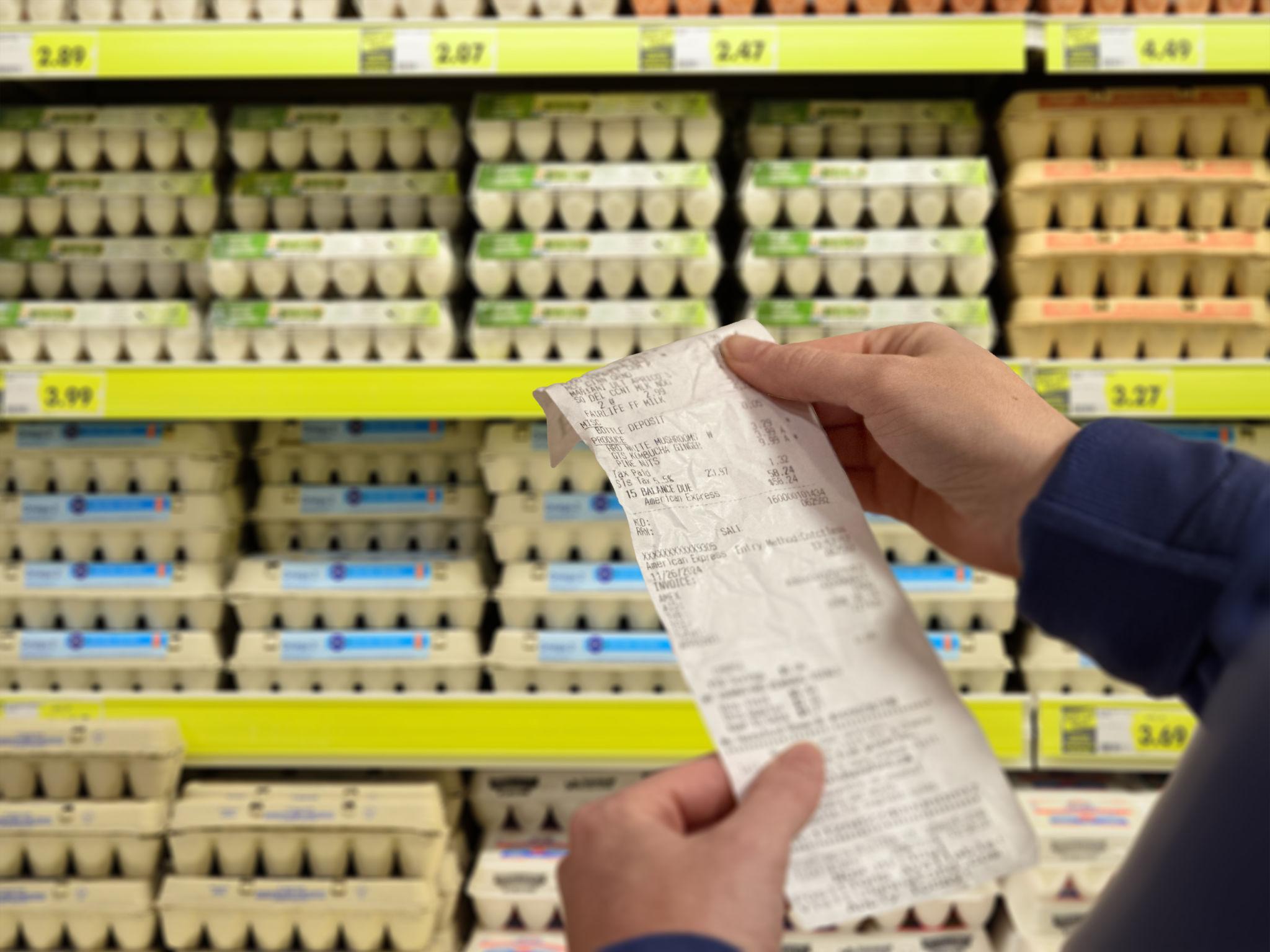
Grocery Prices Still Rising in 2026 — Why Inflation Isn’t Falling as Fast as Americans Expected is now one of the biggest concerns for U.S. households, as everyday essentials continue to cost more despite signs that overall inflation is cooling. Across the country, consumers are noticing a frustrating reality: even when fuel prices stabilize and headline inflation numbers improve, grocery bills remain stubbornly high.
This disconnect is not accidental. It reflects deeper structural pressures in the U.S. economy—from supply chain costs to corporate pricing strategies—and it is reshaping how Americans spend, save, and invest in 2026.
Why Grocery Prices Are Still Climbing Despite Cooling Inflation
While overall inflation has slowed compared to previous years, grocery prices remain elevated due to delayed cost transmission. Food supply chains are complex, and price adjustments often lag behind changes in fuel or production costs.

For example, even if transportation costs decline, retailers may take months to pass those savings on to consumers. Additionally, food production costs—including labor, packaging, and storage—have remained high, preventing prices from falling quickly.

Another factor is demand stability. Unlike discretionary spending, food purchases are essential. This gives retailers and producers more pricing power, allowing them to maintain higher prices without significantly reducing demand.

The Hidden Forces Driving Food Inflation in 2026
Several underlying forces are keeping grocery prices elevated. First, labor shortages in agriculture and food processing continue to increase operational costs. Farms and factories are paying higher wages to attract workers, and these costs are ultimately passed on to consumers.

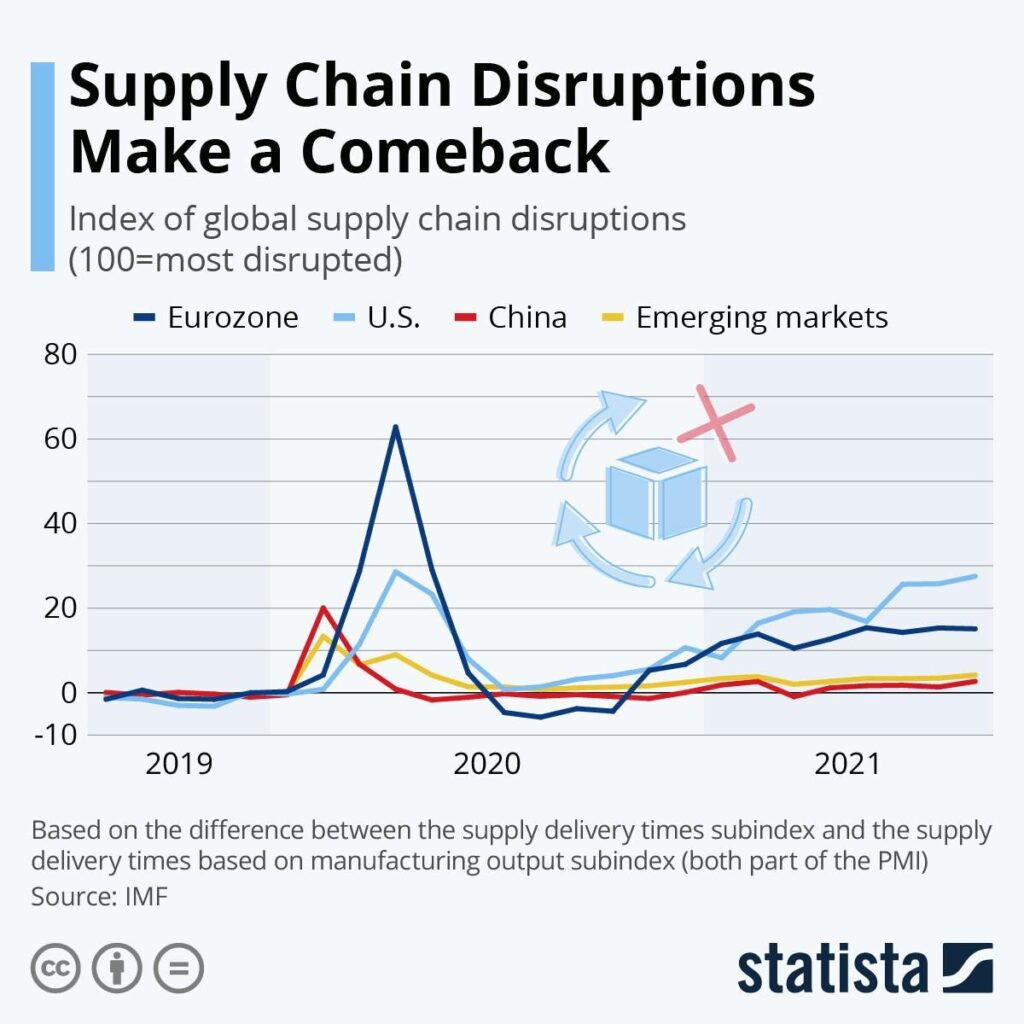
Second, global supply chain disruptions have not fully resolved. Weather events, geopolitical tensions, and trade restrictions continue to affect the availability and pricing of key food commodities.

Third, packaging and energy costs remain volatile. Even small increases in these areas can significantly impact the final price of food products, especially for processed and packaged goods.

How High Grocery Prices Are Affecting U.S. Consumers
For American households, rising grocery prices are creating financial pressure. Many families are adjusting their budgets, cutting back on non-essential spending, and searching for discounts or lower-cost alternatives.

This shift in spending behavior is also influencing broader economic trends. When consumers spend more on essentials like food, they have less money available for discretionary purchases such as travel, entertainment, and retail goods.

Additionally, higher grocery costs are disproportionately affecting lower-income households. These groups spend a larger percentage of their income on food, making them more vulnerable to price increases.

The Role of the Federal Reserve and Interest Rates
The Federal Reserve plays a key role in managing inflation through interest rate policies. By raising interest rates, the Fed aims to reduce demand across the economy, which can help bring prices down over time.

However, food prices respond differently to interest rate changes. Since groceries are essential, demand remains relatively stable even when borrowing costs rise. This limits the effectiveness of monetary policy in reducing food inflation.

Moreover, higher interest rates can indirectly increase costs for businesses. Companies facing higher borrowing costs may pass those expenses on to consumers, further contributing to persistent price pressures.

What This Means for Investors and the Stock Market
Persistent grocery inflation is not just a consumer issue—it’s also an investment signal. Companies in the consumer staples sector, including food producers and retailers, often perform well during inflationary periods because demand for their products remains steady.

Investors are increasingly looking at these sectors as defensive plays. At the same time, industries that rely on discretionary spending may face slower growth as consumers prioritize essential expenses.

Inflation trends also influence market expectations for future interest rate decisions. If food prices remain high, it could delay potential rate cuts, affecting stock valuations and overall market sentiment.

Outlook for Grocery Prices and Inflation in 2026–2027
Looking ahead, experts expect grocery prices to stabilize gradually, but not decline sharply. Structural factors such as labor costs, supply chain adjustments, and global uncertainties will continue to influence pricing.

In the near term, consumers should prepare for continued price pressure, even if overall inflation metrics improve. Over the longer term, technological advancements and supply chain efficiencies may help moderate costs.

For policymakers, the challenge will be balancing inflation control with economic growth. For consumers and investors, adaptability will be key to navigating this evolving landscape.

Why Grocery Inflation Remains a Critical Economic Signal
The persistence of high grocery prices in 2026 highlights a crucial reality: inflation is not a single number—it’s a complex mix of factors that affect different sectors in different ways.
While headline inflation may suggest improvement, the everyday experience of consumers tells a different story. Food prices remain elevated, shaping spending habits, influencing economic trends, and impacting investment decisions.
Understanding these dynamics is essential for anyone looking to navigate the current economic environment effectively. As the situation evolves, staying informed will be the most powerful tool for making smart financial decisions.
Subscribe to trusted news sites like USnewsSphere.com for continuous updates.