Oil Prices Crash Then Rebound: How US Supply Chains Are Quietly Changing in 2026 is not just another market headline—it reflects a powerful shift happening behind the scenes in the global economy. In April 2026, oil prices experienced a sharp drop followed by a fast recovery, driven by geopolitical tensions, supply disruptions, and sudden changes in demand expectations.
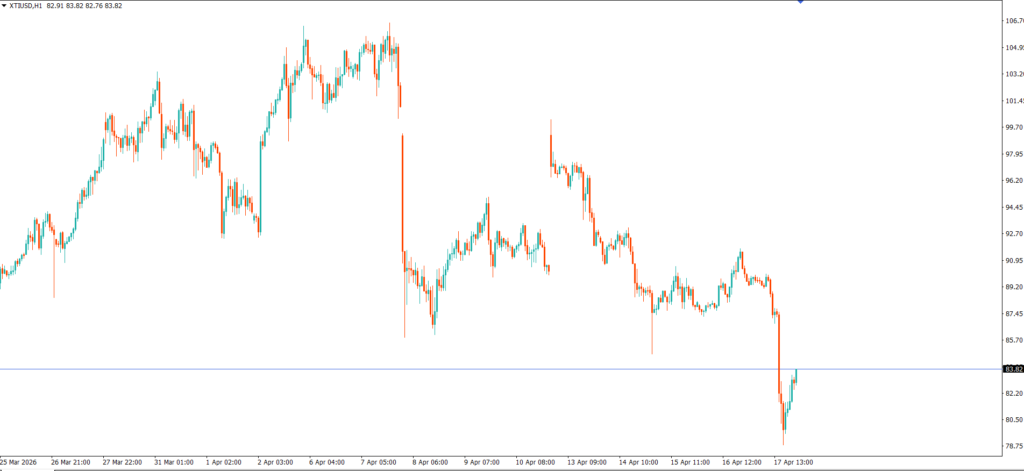
We can clearly see a steep sell-off followed by a strong rebound, signaling panic-driven selling and opportunistic buying. This type of volatility is no longer rare—it is becoming the new normal. For US businesses, investors, and consumers, these rapid oil price movements are quietly reshaping supply chains, pricing strategies, and long-term economic planning.
What Caused the Sudden Oil Price Crash and Rebound in 2026
The oil market in 2026 has been highly sensitive to geopolitical developments, especially tensions involving major oil transit routes like the Strait of Hormuz. When fears of disruption rise, oil prices spike. But when supply routes stabilize, or diplomatic signals improve, prices can fall just as quickly.
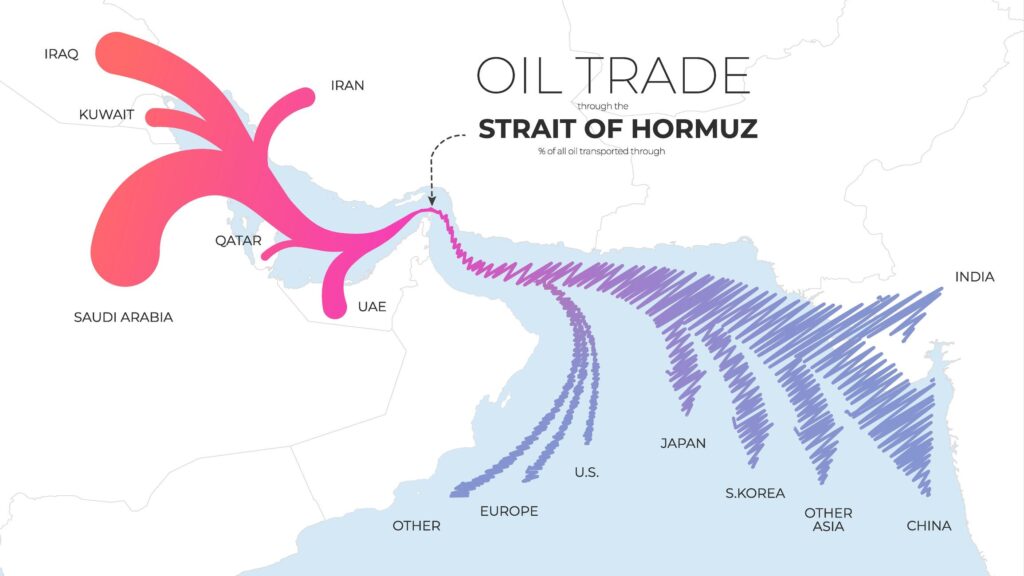
In recent weeks, oil prices initially surged due to concerns over supply restrictions, only to crash when reports indicated that key shipping routes remained open. This sudden shift triggered heavy selling in energy markets, followed by a rebound as traders reassessed demand and supply fundamentals.
Another major factor is speculative trading. Institutional investors and hedge funds are reacting faster than ever, using AI-driven models to execute trades within seconds. This amplifies price swings, making oil one of the most volatile assets in 2026.
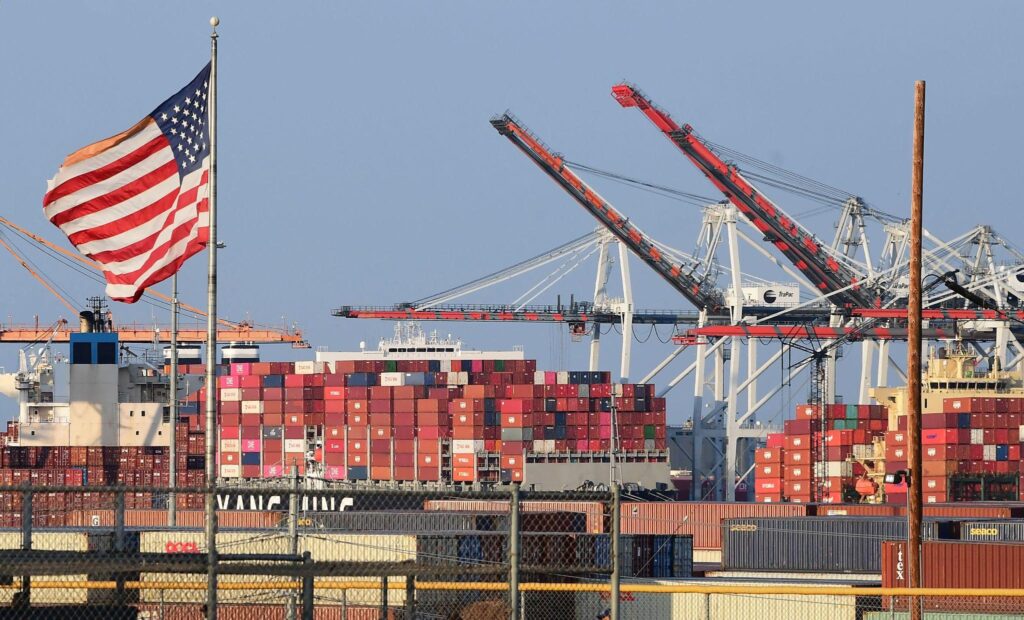
How US Supply Chains Are Being Quietly Reshaped
Oil is the backbone of global logistics, and any fluctuation in its price directly impacts transportation costs. When oil prices drop, shipping becomes cheaper, allowing businesses to move goods at lower costs. However, when prices rebound quickly, companies face sudden increases in expenses.

US supply chains are adapting by becoming more flexible. Companies are diversifying suppliers, shortening delivery routes, and investing in automation to reduce dependence on fuel-heavy logistics systems. This shift is not always visible to consumers, but it is fundamentally changing how goods are produced and delivered.

Another emerging trend is “nearshoring,” where companies move production closer to the US to reduce reliance on overseas supply chains. This reduces exposure to global disruptions but requires significant upfront investment.

The Hidden Impact on Inflation and Consumer Prices
Oil price movements have a direct effect on inflation, particularly in sectors like transportation, manufacturing, and consumer goods. When oil prices rise, companies often pass those costs on to consumers in the form of higher prices.

Interestingly, the recent oil price drop provided temporary relief, with gas prices stabilizing in some parts of the US. However, the rebound suggests that this relief may be short-lived. Industries like plastics and packaging are already seeing cost pressures due to volatile raw material prices.

For consumers, this means continued uncertainty. Prices for everyday goods may fluctuate more frequently, making budgeting more challenging. This is one of the key reasons why inflation remains a major concern in 2026.

Market Reaction: Stocks, Energy Companies, and Investor Sentiment
The stock market has reacted sharply to oil price volatility. Energy stocks initially gained during the price surge but lost momentum when prices fell. This created a mixed environment where some sectors benefited while others faced pressure.

Investors are now closely watching oil trends as a leading indicator of economic health. A stable oil market often signals balanced supply and demand, while extreme volatility can indicate underlying instability.

Interestingly, some investors see these fluctuations as opportunities. Buying energy stocks during dips and selling during peaks has become a common strategy. However, this approach requires careful timing and a strong understanding of market dynamics.

Risks and Opportunities for US Businesses and Investors
The biggest risk associated with oil volatility is uncertainty. Businesses struggle to plan long-term strategies when costs can change rapidly. This can lead to delayed investments and cautious expansion plans.
However, volatility also creates opportunities. Companies that can adapt quickly—by optimizing logistics, reducing energy dependence, or leveraging technology—can gain a competitive advantage. Investors who understand these trends can identify high-growth sectors before they become mainstream.
Renewable energy is another area gaining attention. As traditional oil markets become more unstable, interest in alternative energy sources continues to grow. This could reshape the energy landscape over the next decade.
Future Outlook: What Happens Next in the Oil Market
Looking ahead, oil markets are expected to remain volatile due to ongoing geopolitical tensions, evolving energy policies, and shifts in global demand. While short-term price movements may continue to fluctuate, the long-term trend will likely depend on how quickly the world transitions to alternative energy sources.
For the US, the focus will be on strengthening domestic production and reducing reliance on unstable global supply routes. This includes investments in infrastructure, technology, and energy diversification.
Investors and businesses that stay informed and adapt to these changes will be better positioned to navigate uncertainty and capitalize on emerging opportunities.
A New Era of Volatility and Opportunity
The events of 2026 have shown that oil markets are no longer predictable. Rapid price swings, driven by geopolitical and economic factors, are becoming the norm. While this creates challenges, it also opens the door to new opportunities for those who understand the changing landscape.
US supply chains are evolving quietly but significantly, becoming more resilient and adaptable. At the same time, investors are learning to navigate volatility with smarter strategies and a long-term perspective.
In this new era, success will depend on awareness, flexibility, and the ability to act decisively. Those who embrace these principles will not only survive market volatility but thrive in it.
Subscribe to trusted news sites like USnewsSphere.com for continuous updates.