Apple Stock Upgraded While Qualcomm Falls: Big Tech Shake-Up Every Investor Needs to Understand is one of the most important developments shaping the tech investment landscape in 2026. As analysts upgrade Apple’s outlook while lowering expectations for Qualcomm, investors are witnessing a clear shift in how the market values innovation, ecosystem strength, and future growth potential.
This divergence reflects bigger changes in the technology sector, where companies leading in integrated ecosystems and artificial intelligence are gaining momentum, while those facing competitive pressures or slower growth are losing investor confidence. For US investors, this is more than just a stock story—it’s a signal of where the next wave of tech leadership is emerging.
Why Apple Is Being Upgraded by Analysts in 2026
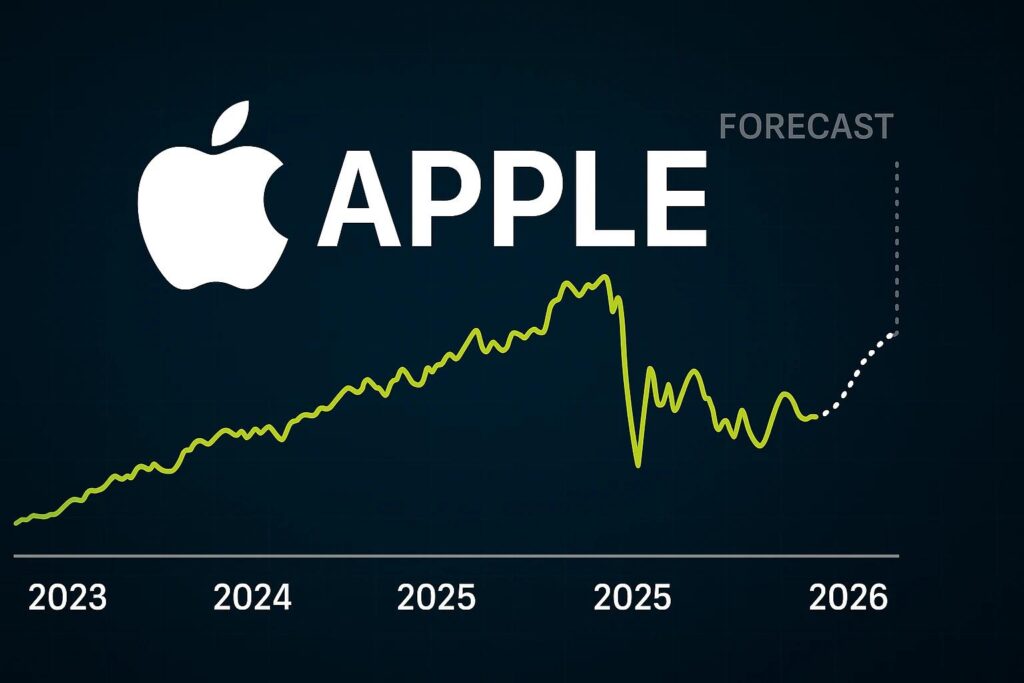
Apple’s recent upgrade is driven by strong confidence in its long-term growth strategy. Analysts are increasingly optimistic about Apple’s ability to expand its ecosystem, including services, hardware, and AI-driven features. The company’s loyal customer base and recurring revenue streams from services provide a stable foundation for growth.
Another key factor is Apple’s positioning in the AI space. While not always the first to market, Apple focuses on integrating AI seamlessly into its products, enhancing user experience without sacrificing privacy. This approach is gaining attention as consumers and regulators become more concerned about data security.
Additionally, Apple’s financial strength allows it to invest heavily in innovation while maintaining profitability. This balance makes it attractive to investors looking for both growth and stability in a volatile market.
Why Qualcomm Is Facing Pressure Despite Strong Technology
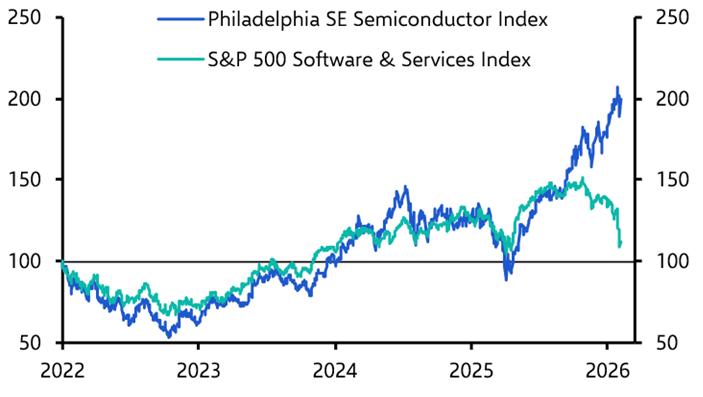
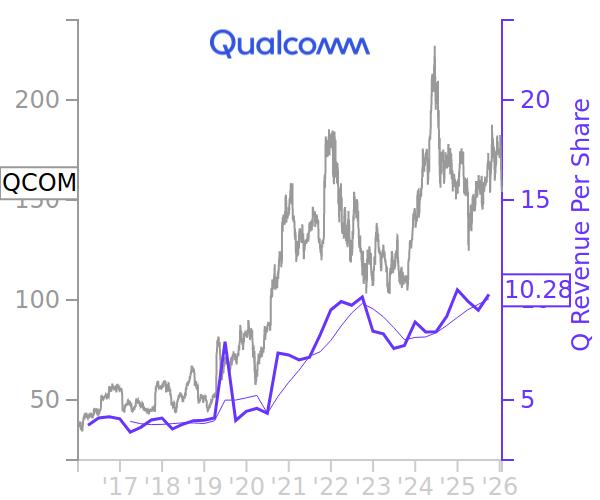
Qualcomm, a leader in semiconductor technology, is facing challenges that are impacting its stock performance. One major issue is increasing competition, as companies develop their own in-house chips to reduce dependence on external suppliers.

This trend is particularly evident in the smartphone industry, where manufacturers are seeking greater control over hardware and software integration. As a result, Qualcomm’s growth prospects are being reassessed by analysts.

Another factor is market saturation in certain segments. While Qualcomm continues to innovate, slower growth in smartphone demand and pricing pressures are affecting its revenue outlook. This has led to more cautious investor sentiment.

The Bigger Picture: A Shift in Big Tech Investment Trends
The contrasting performance of Apple and Qualcomm highlights a broader shift in the tech industry. Investors are increasingly favoring companies with strong ecosystems, recurring revenue models, and AI integration.

This trend reflects a move away from purely hardware-driven growth toward more diversified business models. Companies that can combine hardware, software, and services into a seamless experience are gaining a competitive edge.

At the same time, the semiconductor industry remains critical, but it is becoming more competitive and complex. Companies must continuously innovate while managing cost pressures and supply chain challenges.

What This Means for US Investors and Tech Portfolios
For investors, this shift presents both opportunities and risks. Apple’s upgrade suggests confidence in its ability to deliver consistent returns, making it a potential core holding in tech-focused portfolios.

On the other hand, Qualcomm’s challenges highlight the importance of diversification. Relying too heavily on a single sector or company can increase risk, especially in a rapidly changing industry.

Investors should consider balancing their portfolios with a mix of established leaders and emerging innovators. Understanding the underlying trends—such as AI adoption and ecosystem growth—can help guide better investment decisions.

Risks and Market Uncertainty Investors Should Watch
Despite the positive outlook for companies like Apple, the tech sector remains highly dynamic. Rapid technological changes, regulatory developments, and global economic conditions can all impact stock performance.
For Qualcomm, the key risk is maintaining its competitive position in an evolving market. For Apple, the challenge is sustaining growth while meeting high investor expectations.
Another important factor is market volatility. In 2026, tech stocks are particularly sensitive to interest rate changes and global economic trends, making it essential for investors to stay informed and adaptable.
Future Outlook: Where Big Tech Is Headed Next
Looking ahead, the tech industry is expected to continue evolving rapidly. Artificial intelligence, ecosystem integration, and digital services will play a central role in shaping the future of major companies.
Apple’s strategy positions it well for this environment, while Qualcomm’s future will depend on its ability to adapt and innovate in a competitive landscape. Both companies remain important players, but their trajectories may differ significantly.
For investors, the key is to focus on long-term trends rather than short-term movements. Identifying companies with strong fundamentals and growth potential will be crucial in navigating the next phase of the tech market.
A Turning Point for Tech Investors
The divergence between Apple and Qualcomm underscores a broader transformation in the tech sector. It highlights the growing importance of innovation, adaptability, and strategic positioning in determining success.
For US investors, this is a critical moment to reassess portfolios and align with emerging trends. While challenges remain, the opportunities created by technological advancements are significant.
By staying informed and making thoughtful investment decisions, investors can position themselves to benefit from the ongoing evolution of the tech industry.
Subscribe to trusted news sites like USnewsSphere.com for continuous updates.