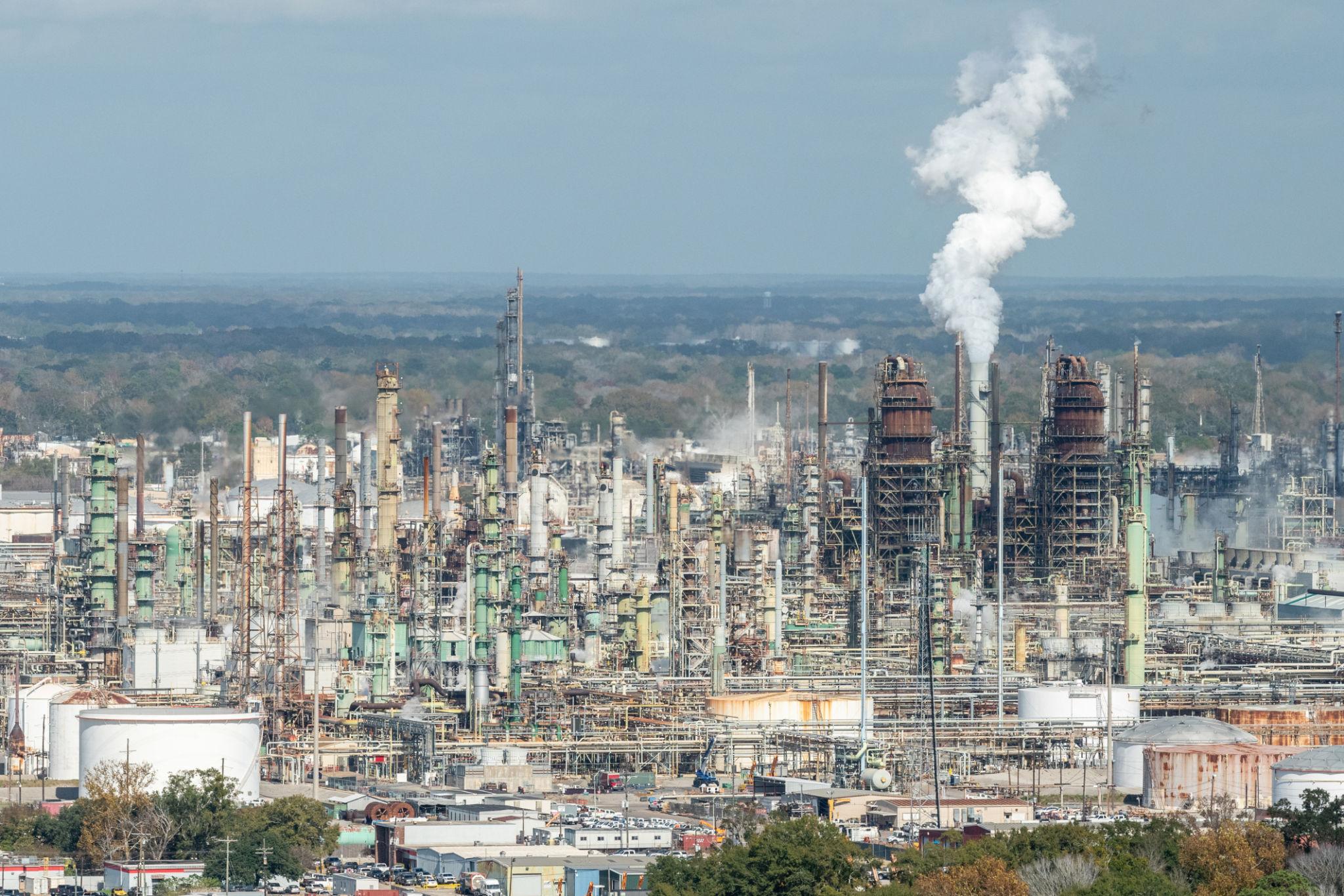
Supreme Court Backs Oil Industry in Landmark Louisiana Case: What This Means for US Energy Policy and Your Money is a major legal and economic development that could reshape the future of energy regulation, environmental accountability, and consumer costs across the United States. In 2026, the Supreme Court’s decision in a Louisiana-related case supporting oil and gas companies signals a shift in how courts may interpret corporate liability and environmental responsibility.
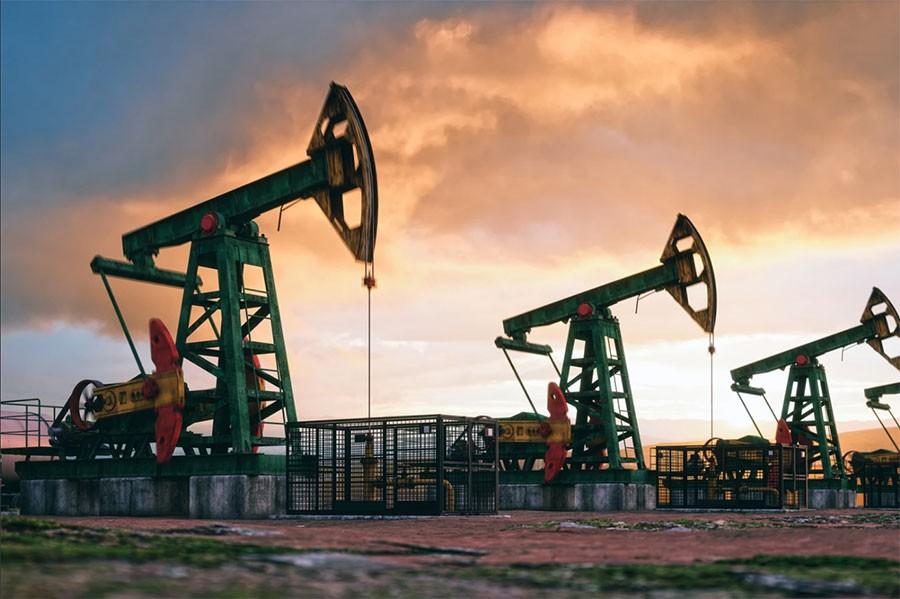
At a time when oil markets are already volatile due to global tensions and supply disruptions, this ruling adds another layer of impact—affecting everything from energy prices to long-term investment strategies. For American households, businesses, and investors, the implications go far beyond the courtroom.
What the Supreme Court Decided and Why It Matters
The Supreme Court’s ruling in this Louisiana case centers around whether oil and gas companies can be held financially responsible under certain state-level environmental claims. By siding with the industry, the Court effectively limited the scope of liability, potentially reducing the legal risks faced by energy producers.
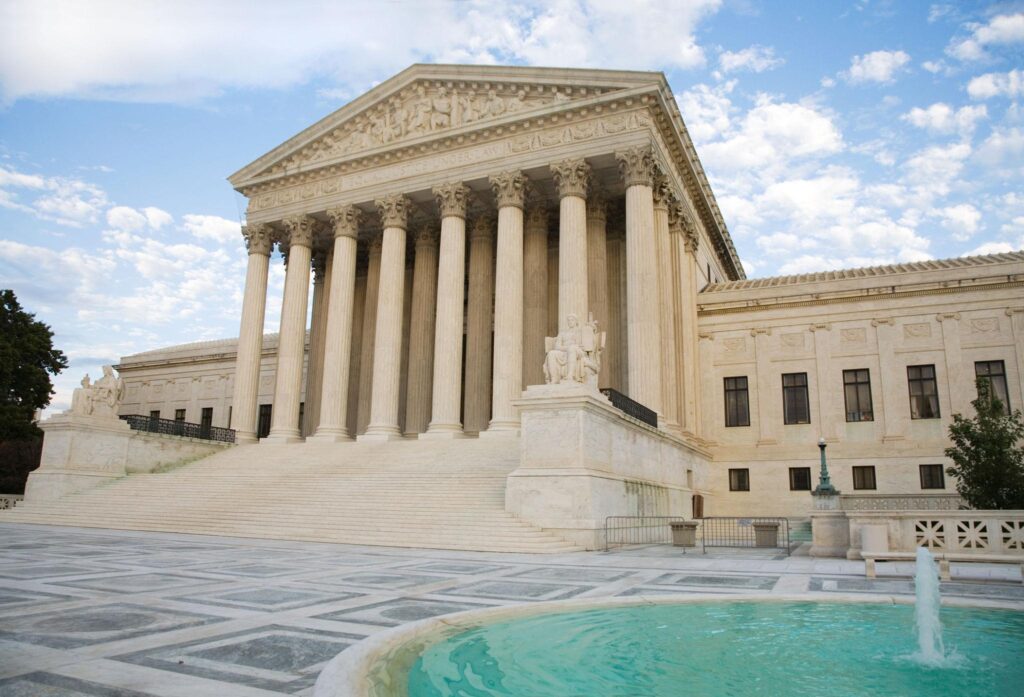
This decision is significant because it sets a precedent. Legal experts believe it may influence future cases involving environmental damages and corporate accountability, particularly in states heavily dependent on oil and gas production.
From a policy perspective, the ruling aligns with a broader trend of balancing environmental concerns with economic growth. By reducing legal uncertainty for energy companies, the Court may have opened the door for increased investment and expansion in domestic energy production.
How This Ruling Could Impact US Energy Policy
Energy policy in the United States is often shaped by a combination of legislation, regulation, and judicial decisions. This ruling could shift the balance toward policies that favor domestic oil and gas development, particularly in regions like the Gulf Coast.

One potential outcome is increased drilling and exploration activity. With reduced legal risks, companies may be more willing to invest in new projects, which could boost production levels. This aligns with ongoing efforts to enhance US energy independence and reduce reliance on foreign oil.

However, the decision may also spark debate. Environmental groups are likely to push for stronger regulations to counterbalance the reduced liability for companies. This could lead to new policy proposals and regulatory frameworks in the coming years.

What It Means for Gas Prices and Consumer Costs
For everyday Americans, one of the most important questions is how this ruling will affect gas prices and energy costs. In the short term, increased confidence in the oil industry could stabilize supply expectations, which may help keep prices from rising sharply.

However, oil prices are influenced by many factors, including global supply disruptions, geopolitical tensions, and demand trends. While this ruling may support domestic production, it does not eliminate external risks.

Over the long term, if the decision leads to increased production and investment, it could contribute to more stable or even lower energy prices. This would provide relief for consumers, particularly during periods of high inflation.

Market Reaction: Energy Stocks and Investment Opportunities
The financial markets are already reacting to the implications of this ruling. Energy stocks, which have experienced volatility due to fluctuating oil prices, could benefit from reduced legal uncertainty and improved investor confidence.

Analysts suggest that companies with strong domestic operations may see increased interest from institutional investors. This includes major oil producers and firms involved in infrastructure and logistics.

At the same time, investors are balancing these opportunities with broader market risks. Oil prices remain sensitive to global events, meaning that while the legal environment may improve, external factors will continue to influence performance.

Risks, Criticism, and Environmental Concerns
While the ruling is seen as a win for the oil industry, it is not without controversy. Critics argue that limiting corporate liability could weaken environmental protections and reduce accountability for damages.
Environmental advocates warn that this could lead to increased pollution risks if companies face fewer financial consequences for environmental harm. This debate highlights the ongoing tension between economic growth and environmental sustainability.
From a risk perspective, companies must still navigate regulatory requirements and public scrutiny. Even with favorable legal conditions, reputational risks and policy changes can impact long-term operations.
Future Outlook: A Turning Point for US Energy and Economy
Looking ahead, this Supreme Court decision could mark a turning point in US energy policy. It signals a potential shift toward prioritizing domestic production and economic growth, while also raising important questions about environmental oversight.
For investors, this creates both opportunities and challenges. The energy sector may offer attractive returns, but it also requires careful analysis of market conditions and policy developments.
For consumers, the impact will depend on how these changes translate into real-world outcomes, such as energy prices and job creation. As the energy landscape evolves, staying informed will be essential.
What This Means for Your Money and the Future
The Supreme Court’s decision in the Louisiana oil case is more than a legal ruling—it is a signal of where US energy policy may be heading in the years ahead. By reducing legal risks for the oil industry, it has the potential to reshape investment patterns, production levels, and consumer costs.
At the same time, it raises important questions about environmental responsibility and long-term sustainability. For Americans, understanding these dynamics is key to making informed financial and investment decisions.
As markets, policies, and global conditions continue to evolve, those who stay informed and adaptable will be best positioned to navigate the changing landscape.
Subscribe to trusted news sites like USnewsSphere.com for continuous updates.