Global Trade Risks Rising: How Middle East Tensions Could Disrupt US Economy and Markets is now one of the most urgent topics shaping financial headlines in the United States, as escalating geopolitical tensions in the Middle East begin to ripple through oil prices, supply chains, and investor sentiment. In March 2026, major financial institutions like Barclays have raised S&P 500 targets even as global uncertainty increases—highlighting a rare disconnect between geopolitical risk and market optimism. This creates a complex environment where opportunity and danger exist side by side, forcing investors, policymakers, and businesses to rethink their strategies.
Rising Middle East Tensions Are Reshaping Global Trade Dynamics
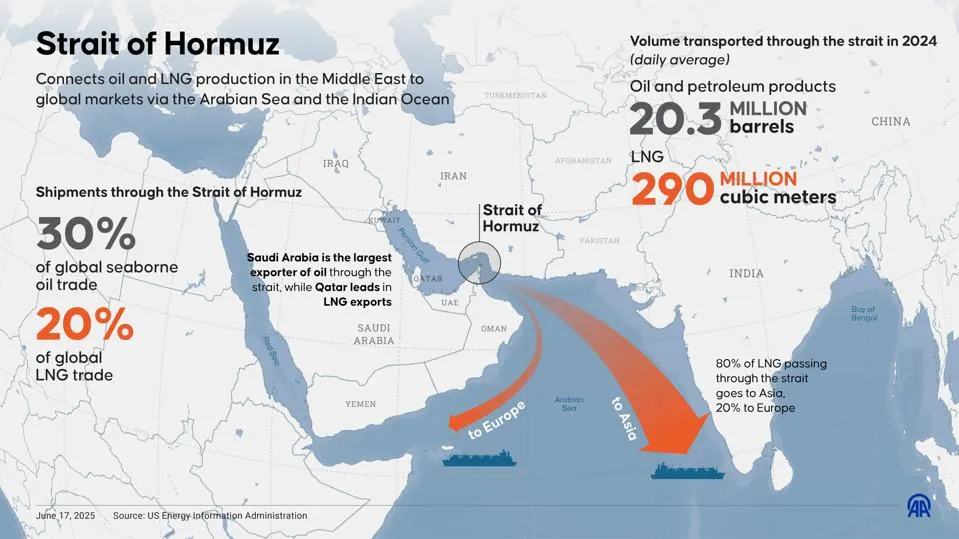

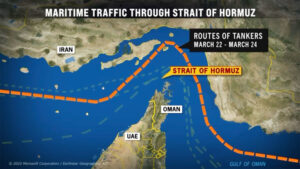
The Middle East has always been a critical hub for global energy supply, but recent tensions involving key oil-producing regions are raising concerns about disruptions to vital shipping routes. The Strait of Hormuz, through which nearly 20% of the world’s oil supply passes, is once again at the center of global attention.
Any instability in this region can lead to immediate consequences. Shipping insurance costs rise, cargo delays increase, and oil exporters face logistical challenges. Even the perception of risk can push markets into volatility.
Recent data shows that crude oil prices have already reacted to geopolitical uncertainty, with short-term spikes reflecting fears of supply disruption. While these increases may stabilize, the long-term impact on global trade remains uncertain—especially if tensions escalate further.
Oil Prices, Energy Costs, and the US Economy


Oil remains the backbone of global trade, and any disruption in supply quickly translates into higher energy costs. For the United States, this means rising gasoline prices, increased transportation costs, and potential inflationary pressure.
Historically, geopolitical conflicts in oil-producing regions have led to price shocks. In 2026, the situation is slightly different: the US has stronger domestic production capacity, but it is still heavily influenced by global pricing benchmarks.
Higher oil prices affect everything—from airline tickets to grocery bills. Businesses pass on increased costs to consumers, reducing purchasing power and slowing economic growth. This creates a ripple effect that can impact multiple sectors simultaneously.
Moreover, energy-driven inflation complicates the Federal Reserve’s decision-making. If inflation rises again due to oil shocks, the Fed may delay interest rate cuts or even consider tightening policy further.
Stock Market Reaction: Why Investors Are Both Fearful and Optimistic
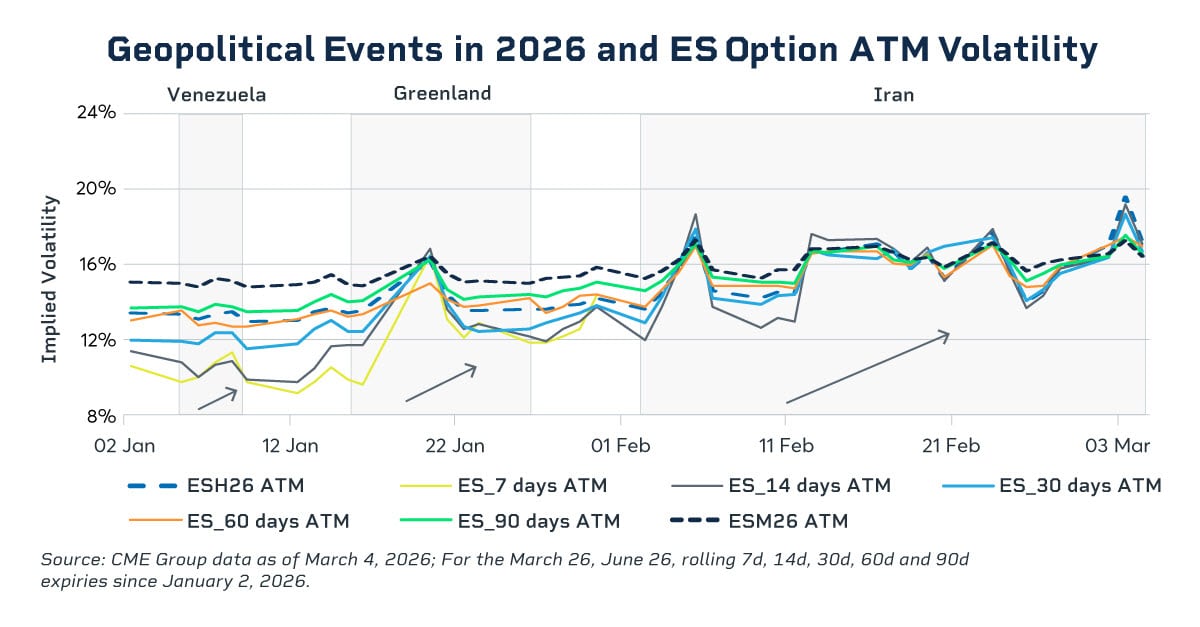


Despite rising global tensions, the US stock market has shown surprising resilience. Barclays recently raised its S&P 500 target to 7650 for 2026, signaling strong confidence in corporate earnings and economic stability.
This optimism stems from several factors. First, many US companies have diversified supply chains, reducing dependence on any single region. Second, strong consumer demand continues to support corporate revenue growth.
However, market volatility remains elevated. Investors are closely watching geopolitical developments, and any sudden escalation could trigger sharp sell-offs.
There is also a growing divide between short-term traders and long-term investors. While traders react quickly to news headlines, long-term investors are focusing on structural trends like AI growth, energy transition, and global demand recovery.
Supply Chain Disruptions and Global Trade Slowdown


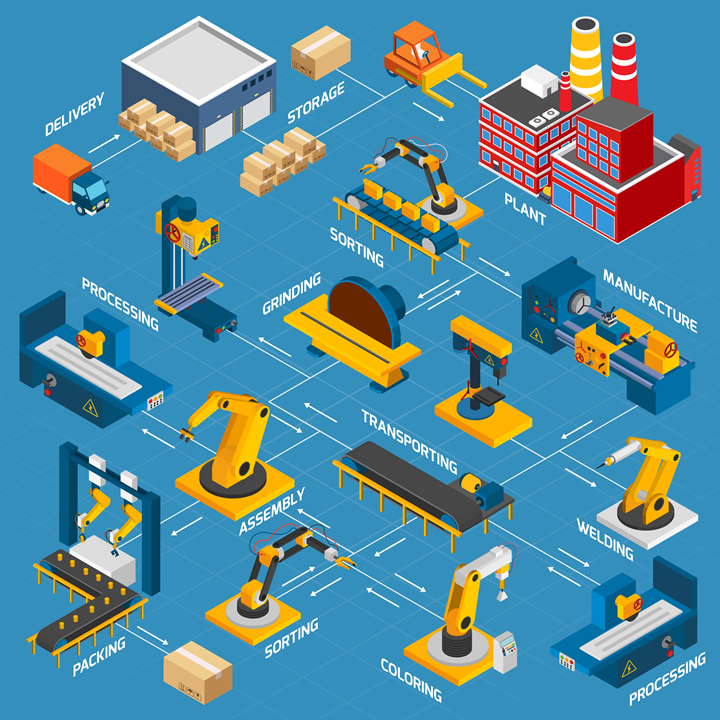
One of the most significant risks tied to Middle East tensions is the potential disruption of global supply chains. Even minor delays in shipping routes can lead to major consequences for industries worldwide.
In recent years, companies have worked to diversify supply chains following the COVID-19 pandemic. However, many critical routes still pass through geopolitically sensitive regions.
If disruptions intensify, industries such as manufacturing, retail, and technology could face shortages of essential components. This would not only slow production but also increase costs, further contributing to inflation.
Additionally, global trade growth could slow down. According to recent financial reports, uncertainty alone is enough to reduce investment and delay expansion plans for multinational corporations.
Federal Reserve, Inflation Risks, and Interest Rate Outlook
The Federal Reserve now faces a challenging balancing act. On one hand, inflation has shown signs of cooling in recent months. On the other hand, rising energy prices driven by geopolitical tensions could reverse this trend.
If inflation increases again, the Fed may be forced to maintain higher interest rates for longer than expected. This would impact borrowing costs, housing markets, and business investment.
Higher interest rates also affect global capital flows. Investors may shift funds toward safer assets like US Treasury bonds, strengthening the dollar but putting pressure on emerging markets.
Economists are divided on what comes next. Some believe the US economy is strong enough to withstand temporary shocks, while others warn that prolonged geopolitical instability could slow growth significantly.
What This Means for Investors, Businesses, and the Global Economy
The current situation presents both risks and opportunities. For investors, diversification is more important than ever. Sectors such as energy, defense, and commodities may benefit from rising geopolitical tensions, while others may face headwinds.
Businesses must adapt quickly. Companies that can manage supply chain risks and control costs will be better positioned to navigate uncertainty. This includes investing in technology, localizing production, and building strategic reserves.
For the global economy, the stakes are high. Trade disruptions, inflation pressures, and financial market volatility could combine to create a challenging environment in the coming months.
However, resilience remains a key theme. The US economy has demonstrated the ability to adapt to shocks, and global markets continue to find ways to recover from disruptions.
Market Outlook: Key Scenarios to Watch in 2026
Looking ahead, several scenarios could shape the future:
- Escalation Scenario: Increased conflict leads to higher oil prices and market volatility
- Stabilization Scenario: Diplomatic efforts reduce tensions, supporting market growth
- Mixed Scenario: Periodic disruptions create ongoing uncertainty, but no major crisis
Investors and policymakers will need to remain vigilant. Real-time data, geopolitical developments, and economic indicators will play a crucial role in shaping decisions.\
A Defining Moment for Global Markets
Global trade risks are rising, and Middle East tensions are becoming a key driver of economic uncertainty in 2026. While markets have shown resilience so far, the underlying risks cannot be ignored.
The coming months will be critical in determining whether the global economy can navigate these challenges or face a more significant slowdown. For now, staying informed, adaptable, and strategic is essential for anyone involved in the financial markets.
Subscribe to trusted news sites like USnewsSphere.com for continuous updates.