Why the ‘Fear Gauge’ Is Falling While Risks Rise: Inside the Biggest Market Contradiction of 2026 is one of the most puzzling developments in today’s financial markets. Despite rising geopolitical tensions, inflation concerns, and economic uncertainty, the so-called “fear gauge”—the CBOE Volatility Index (VIX)—has remained unusually low.

This contradiction is forcing investors to question whether markets are underestimating risk or whether underlying conditions are more stable than headlines suggest. In previous cycles, elevated risks typically led to higher volatility. But in 2026, markets appear calm on the surface, even as warning signs continue to build beneath.
What the Fear Gauge Really Measures and Why It Matters

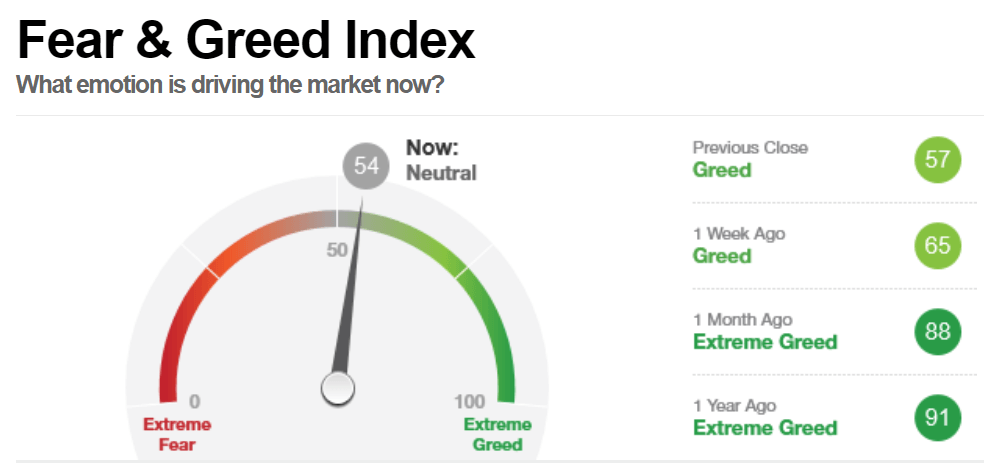
The CBOE Volatility Index (VIX) is widely used as a measure of expected market volatility. It reflects how much investors are willing to pay for options protection, essentially indicating how much fear or uncertainty exists in the market.
When the VIX rises, it signals that investors expect significant price swings. When it falls, it suggests confidence and stability. Historically, spikes in the VIX have coincided with market stress, such as financial crises or geopolitical shocks.
In 2026, however, the VIX has remained relatively subdued, even as risks increase. This disconnect between perceived and actual risk is at the core of the current market paradox.
Why Market Risks Are Actually Increasing in 2026
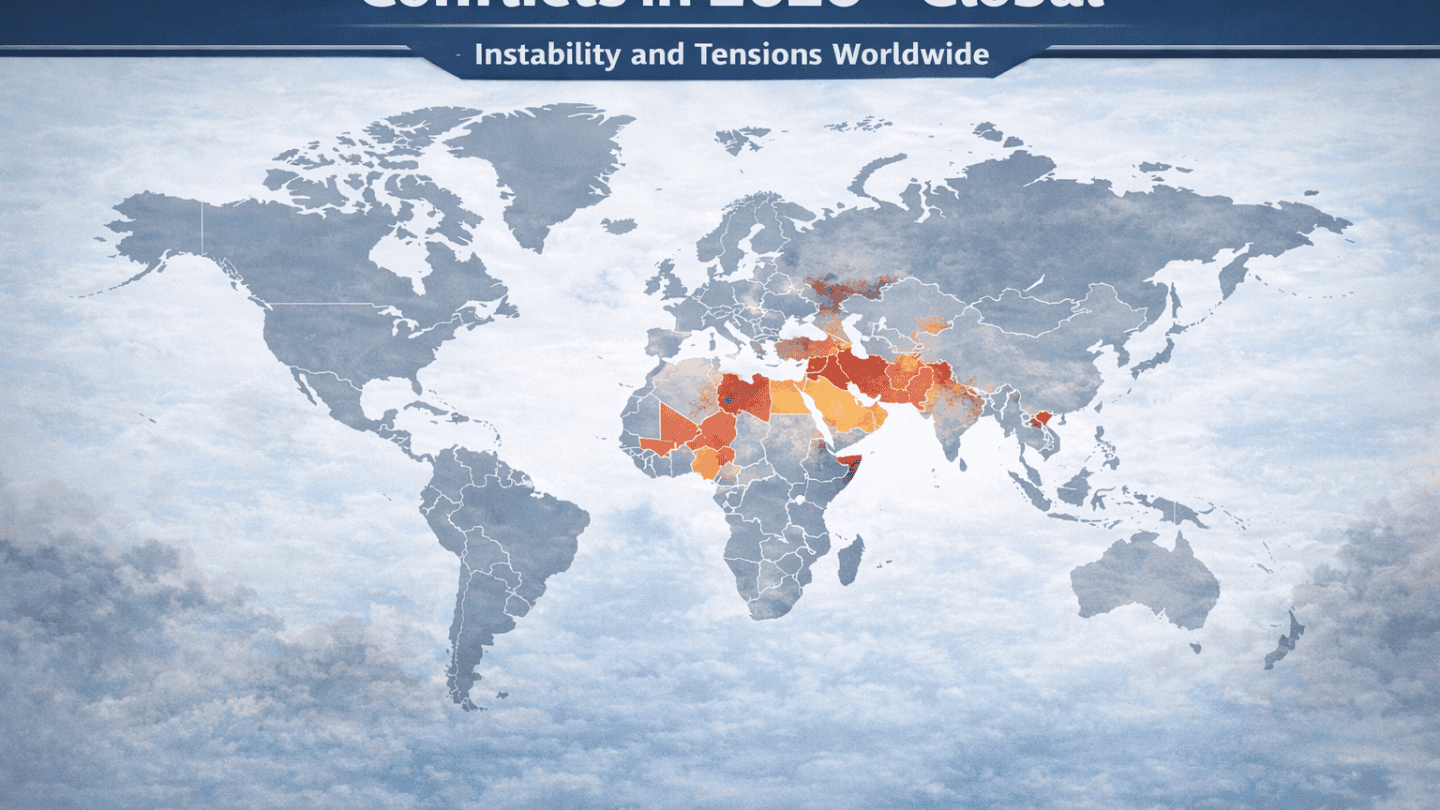

Several factors are contributing to rising risks in the global economy. Geopolitical tensions remain elevated, particularly in key regions that impact energy markets and global trade. These tensions can lead to sudden disruptions and market shocks.
Inflation, while lower than peak levels, is still above central bank targets. Persistent inflation keeps pressure on policymakers and limits their ability to ease monetary policy. At the same time, high interest rates continue to weigh on economic growth.
Supply chain vulnerabilities also remain a concern. While conditions have improved since earlier disruptions, new risks—such as energy shocks and geopolitical conflicts—could quickly reverse progress.
Why the VIX Is Falling Despite These Risks


The decline in the VIX can be attributed to several factors. One key driver is the abundance of liquidity in financial markets. Even with higher interest rates, large pools of capital remain invested in equities, supporting prices and reducing volatility.
Another factor is the rise of passive investing. Exchange-traded funds (ETFs) and index funds continue to attract significant inflows, creating steady demand for stocks and dampening price swings.
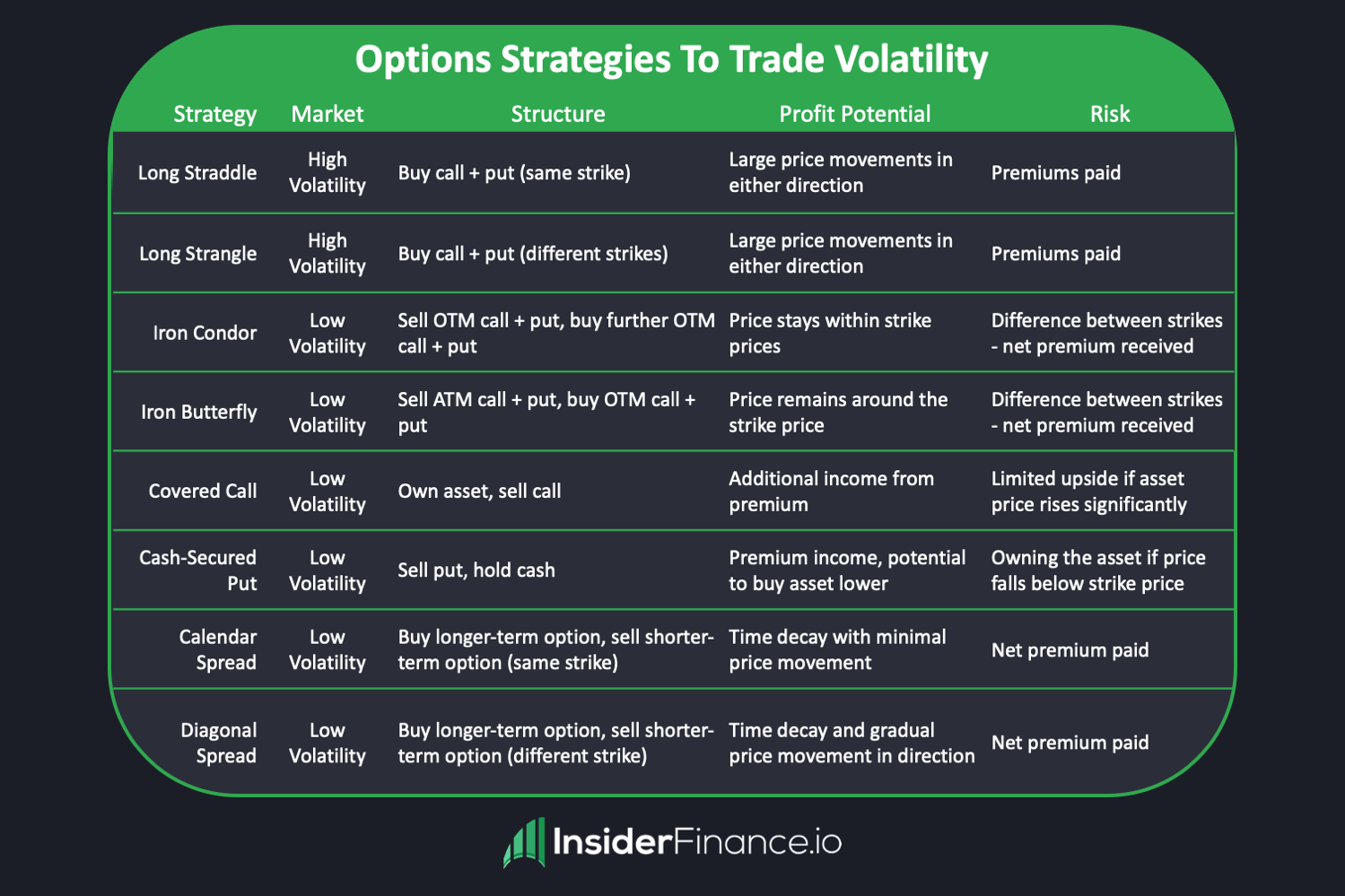
Additionally, options market dynamics play a role. Many institutional investors are selling volatility strategies, which can suppress the VIX. This creates a feedback loop where low volatility encourages more risk-taking, further keeping the VIX subdued.
The Hidden Risks: What Markets Might Be Ignoring
While markets appear calm, several hidden risks could lead to sudden volatility. One of the biggest concerns is investor complacency. When volatility remains low for extended periods, investors may underestimate the likelihood of negative events.
Valuation levels are another area of concern. In some sectors, particularly technology, stock prices have risen significantly, raising questions about sustainability. If growth expectations are not met, corrections could occur.
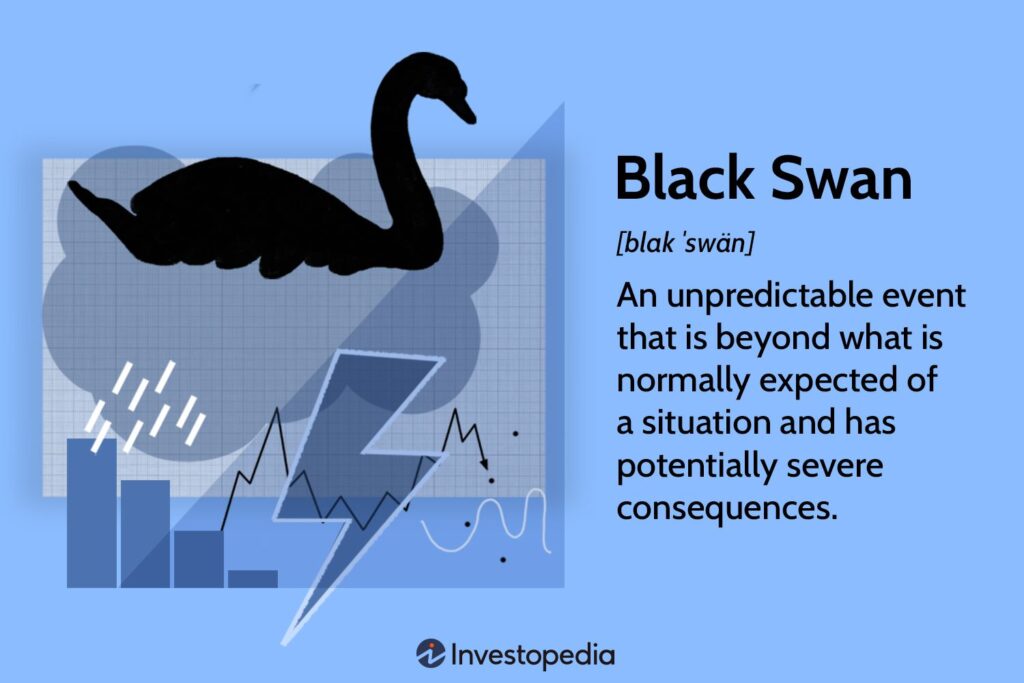
There is also the risk of unexpected shocks—often referred to as “black swan” events. These can include geopolitical conflicts, financial system disruptions, or sudden policy changes. Such events can quickly reverse market sentiment and lead to sharp increases in volatility.
What This Means for Investors and Market Strategy
For investors, the current environment requires a balanced approach. While low volatility may suggest stability, it is important to remain cautious and prepared for potential changes.
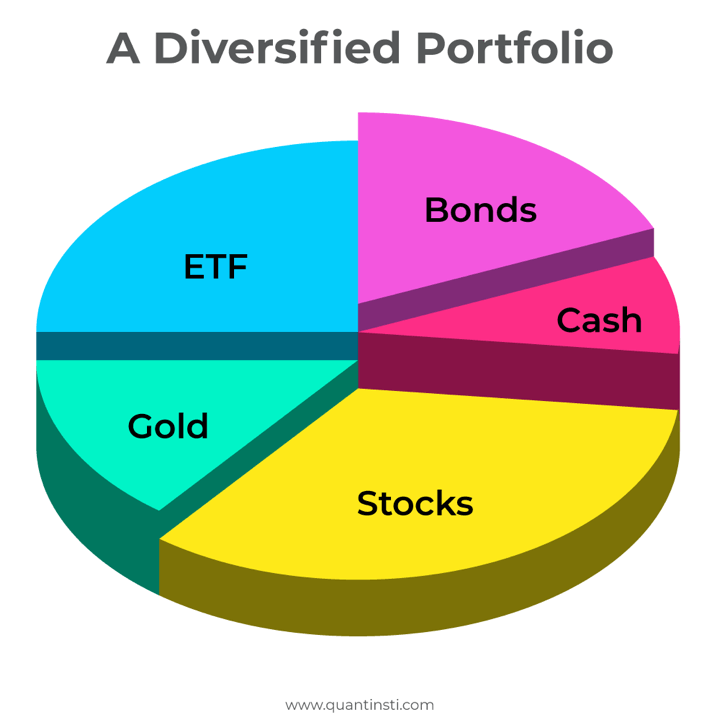
Diversification remains a key strategy. By spreading investments across different asset classes, investors can reduce risk and improve resilience. Hedging strategies, such as options or exposure to defensive assets, can also provide protection.
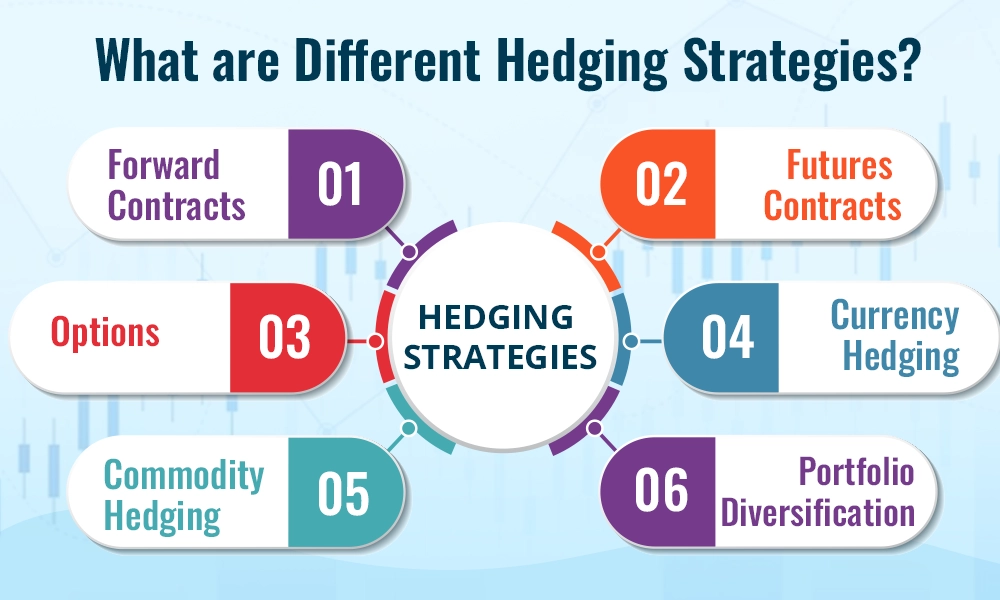
Staying informed and adaptable is critical. Markets can shift quickly, and investors who monitor developments closely are better positioned to respond to changes.
Market Outlook: Will the Calm Last or Is a Shock Coming?

Looking ahead, the key question is whether the current calm in markets will continue or if a volatility spike is inevitable. Some analysts believe that strong corporate earnings and stable economic conditions could support continued low volatility.
Others warn that the gap between low volatility and high risk cannot persist indefinitely. Eventually, markets may need to adjust, leading to increased volatility and potential corrections.
The timing and magnitude of any shift remain uncertain. However, the current environment suggests that investors should remain vigilant and prepared for multiple scenarios.
A Market Paradox That Could Define 2026
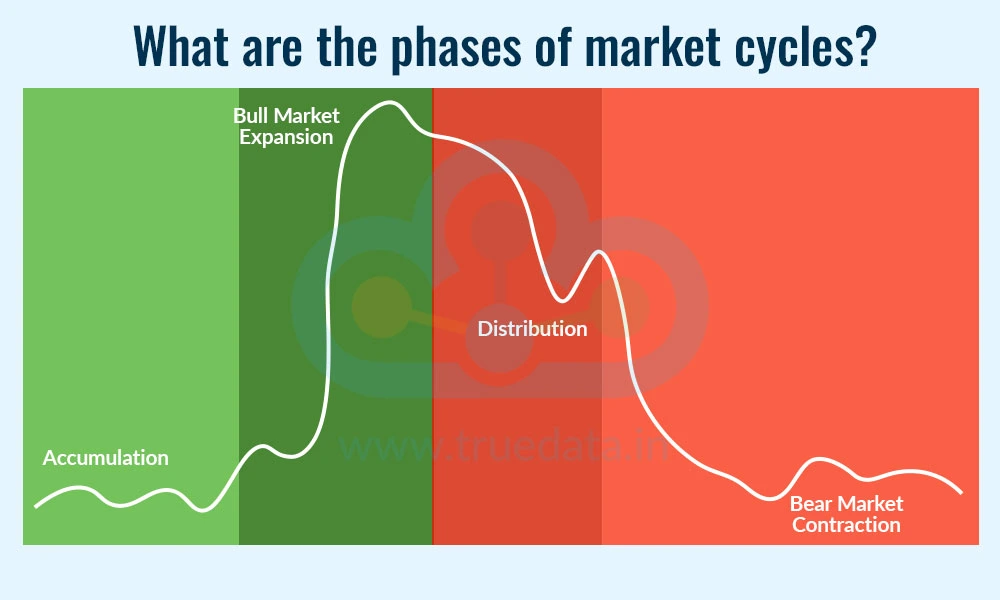
The unusual behavior of the CBOE Volatility Index (VIX) in 2026 highlights a critical paradox in today’s financial markets. While risks continue to rise, market volatility remains low, creating a sense of calm that may not fully reflect underlying conditions.
For investors, this is a moment to balance optimism with caution. Understanding the forces driving both risk and stability is essential for navigating the current landscape.
As the year progresses, the interaction between economic fundamentals, geopolitical developments, and market sentiment will determine whether this calm persists or gives way to renewed volatility.
Subscribe to trusted news sites like USnewsSphere.com for continuous updates.