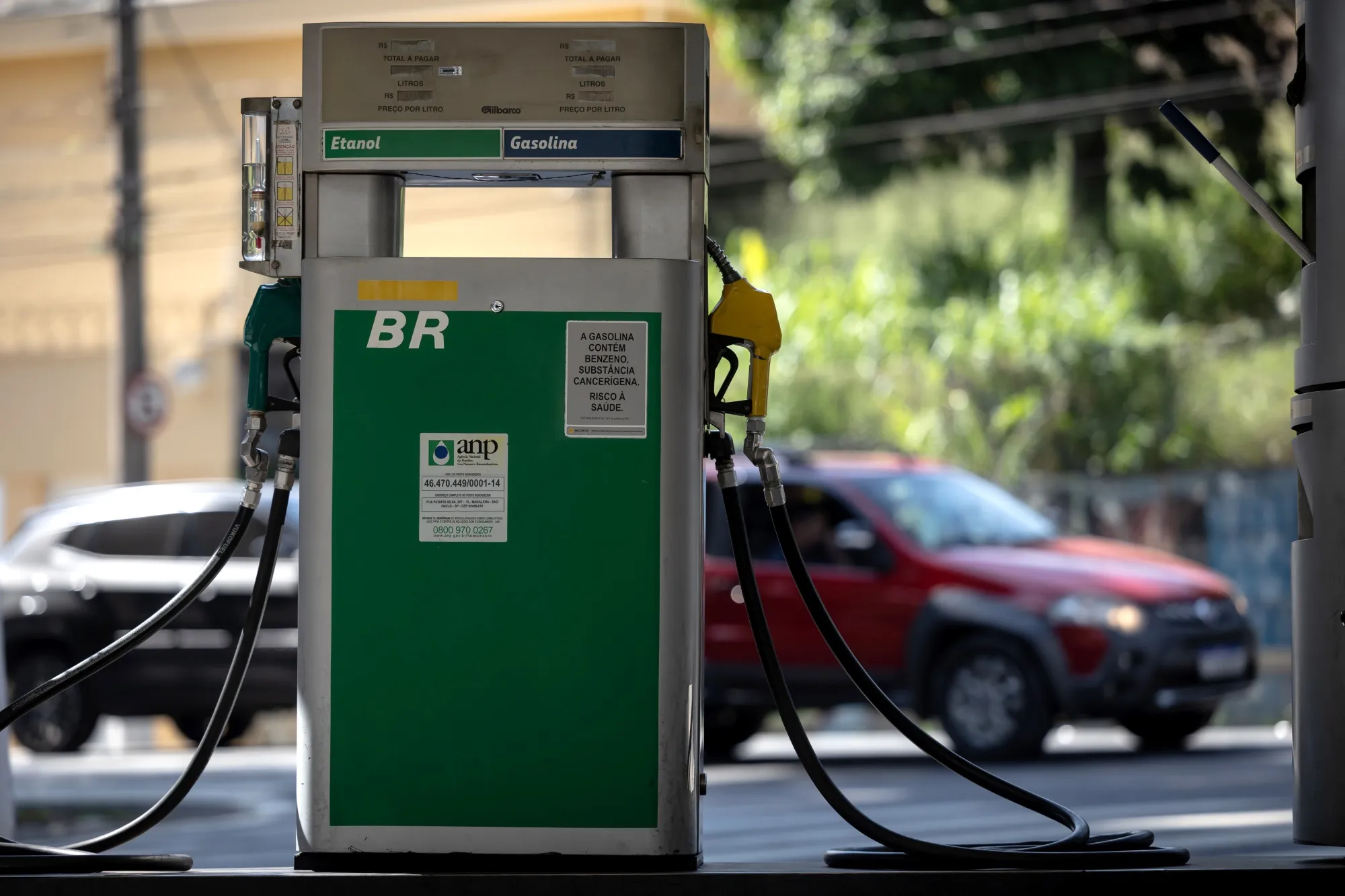
Global Energy Shock: Brazil Fuel Price Hike and Middle East Tensions Could Disrupt US Trade and Supply Chains is rapidly emerging as one of the most critical economic developments of 2026, with far-reaching implications for the United States, Europe, and global markets. Rising fuel prices in Brazil—one of the world’s largest energy producers—combined with escalating geopolitical tensions in the Middle East, are creating a volatile energy landscape that could significantly impact global trade flows, shipping costs, inflation, and supply chains.
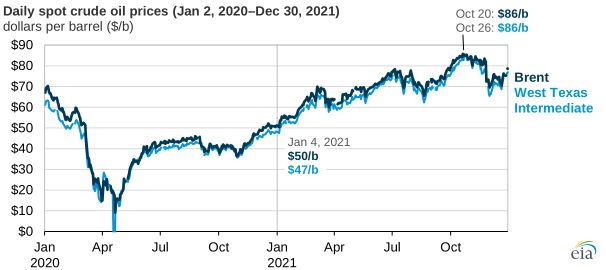
In recent weeks, energy markets have shown clear signs of instability. Oil benchmarks such as Brent crude have experienced upward pressure due to supply concerns, while freight costs have surged across key global shipping routes. For the United States, which relies on stable global trade networks and energy pricing to maintain economic growth, these developments represent a serious challenge. The situation is not just about energy—it is about inflation, logistics, and economic resilience in an increasingly uncertain world.

Brazil’s Fuel Price Surge and Its Global Impact on Energy Markets


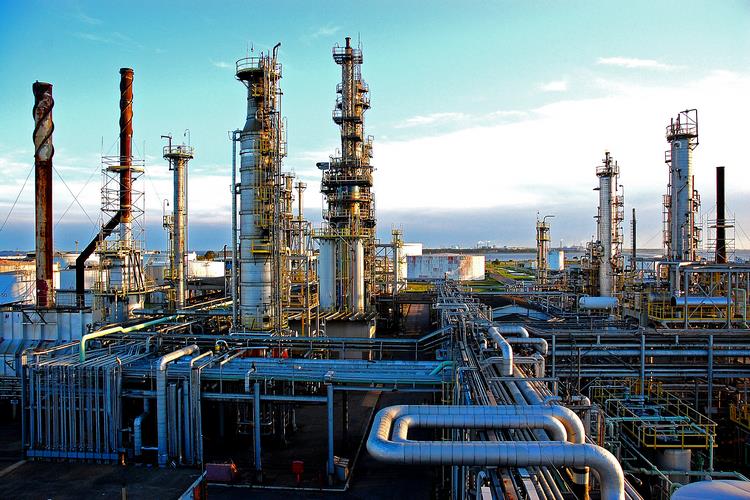
Brazil’s recent fuel price hike is rooted in a combination of domestic economic pressures and global market dynamics. As one of the largest oil producers in Latin America, Brazil plays a key role in balancing global supply. When fuel prices rise domestically—often due to currency fluctuations, refining costs, and global crude price alignment—the ripple effects are felt internationally.
In 2026, Brazil’s state-controlled oil giant adjusted fuel prices upward to align more closely with international benchmarks. This shift is partly driven by the need to maintain profitability and attract foreign investment. However, the immediate consequence is increased transportation and production costs within Brazil, which then translate into higher export prices for commodities such as soybeans, iron ore, and crude oil.
For the United States, this matters because Brazil is a major trading partner. Higher export costs from Brazil can increase import prices for US industries, particularly in agriculture and manufacturing. This adds to inflationary pressures already present in the US economy, making it more difficult for policymakers to stabilize prices.
Middle East Tensions and the Risk to Global Oil Supply Routes
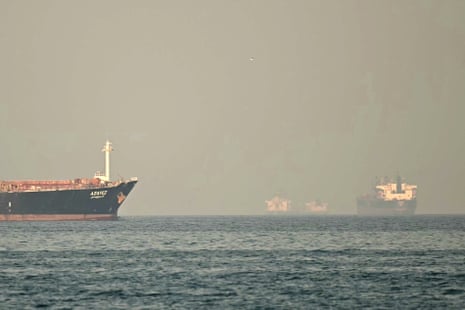

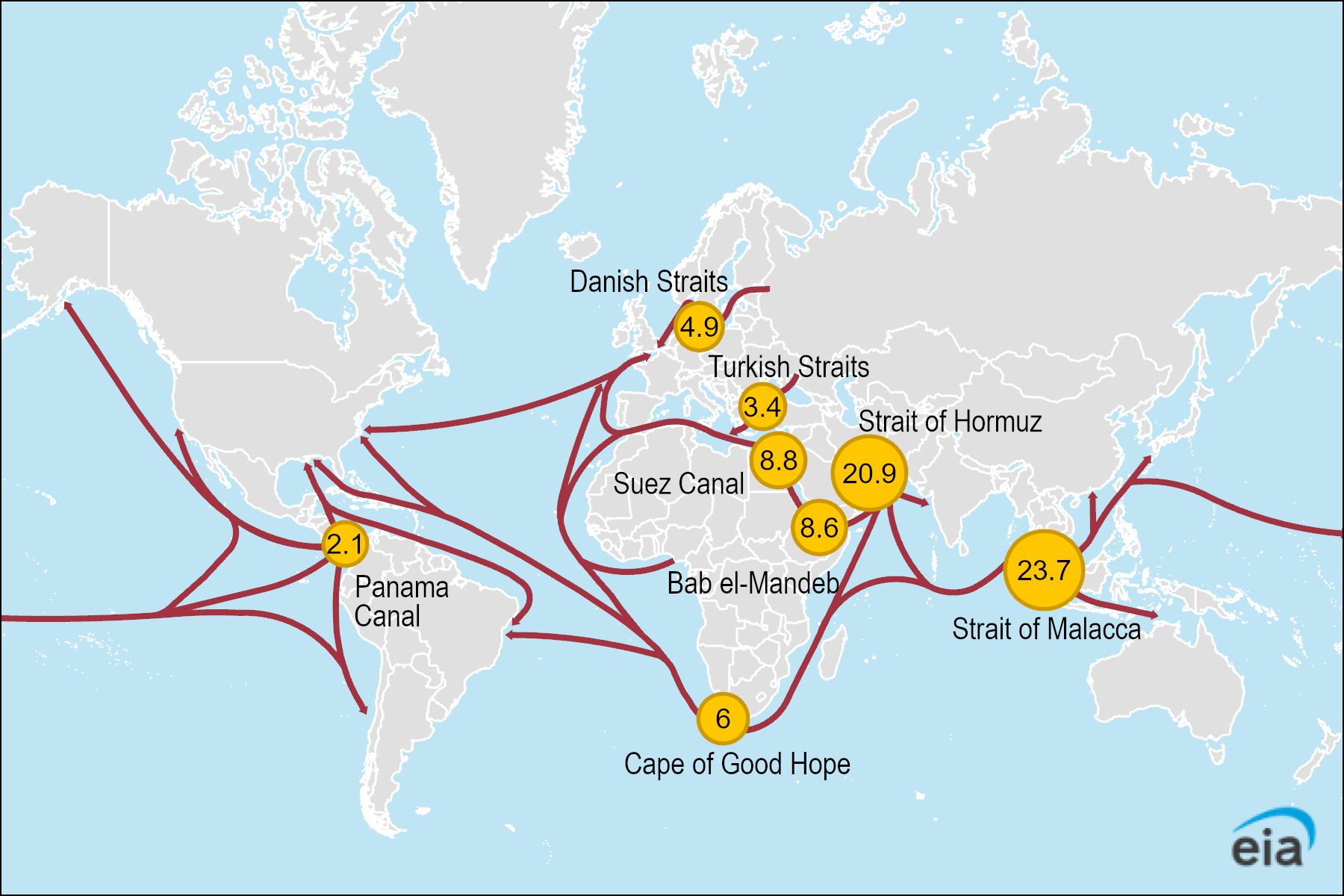
At the same time, geopolitical tensions in the Middle East are intensifying concerns about global oil supply. The region remains the world’s most critical energy hub, with key shipping routes such as the Strait of Hormuz handling a significant portion of global oil exports.
Any disruption in this region—whether due to conflict, sanctions, or military activity—can have an immediate impact on oil prices. Even the perception of risk is enough to drive speculative buying and price spikes in global markets. In 2026, increased military activity and diplomatic tensions have heightened fears of potential supply interruptions.
For global markets, this creates a dual shock: reduced supply potential and increased transportation risk. Shipping companies often raise insurance premiums and reroute vessels to avoid high-risk areas, leading to longer delivery times and higher costs. These factors combine to push energy prices higher, affecting everything from gasoline prices in the US to manufacturing costs worldwide.
How the US Economy and Trade Networks Are Being Affected
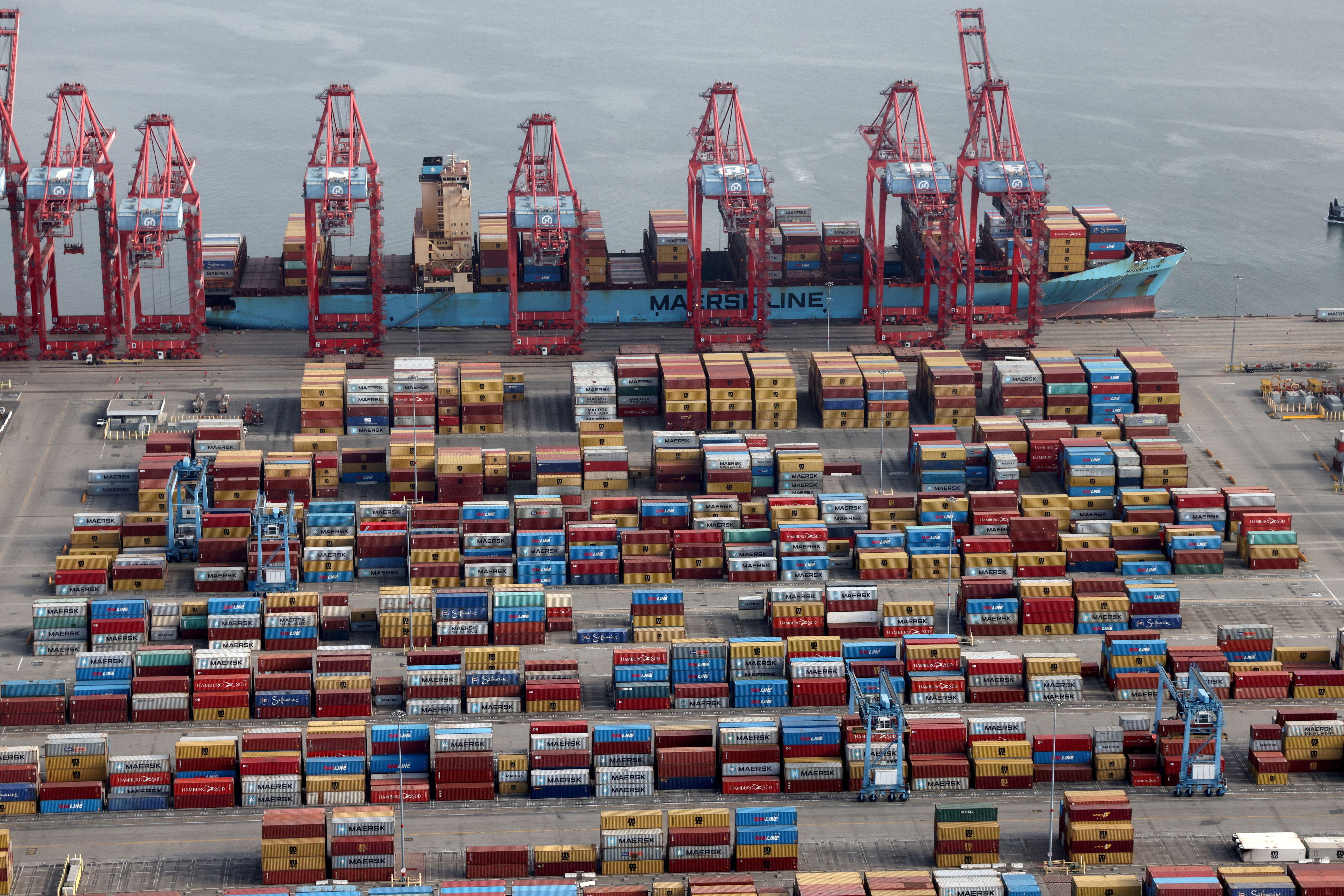

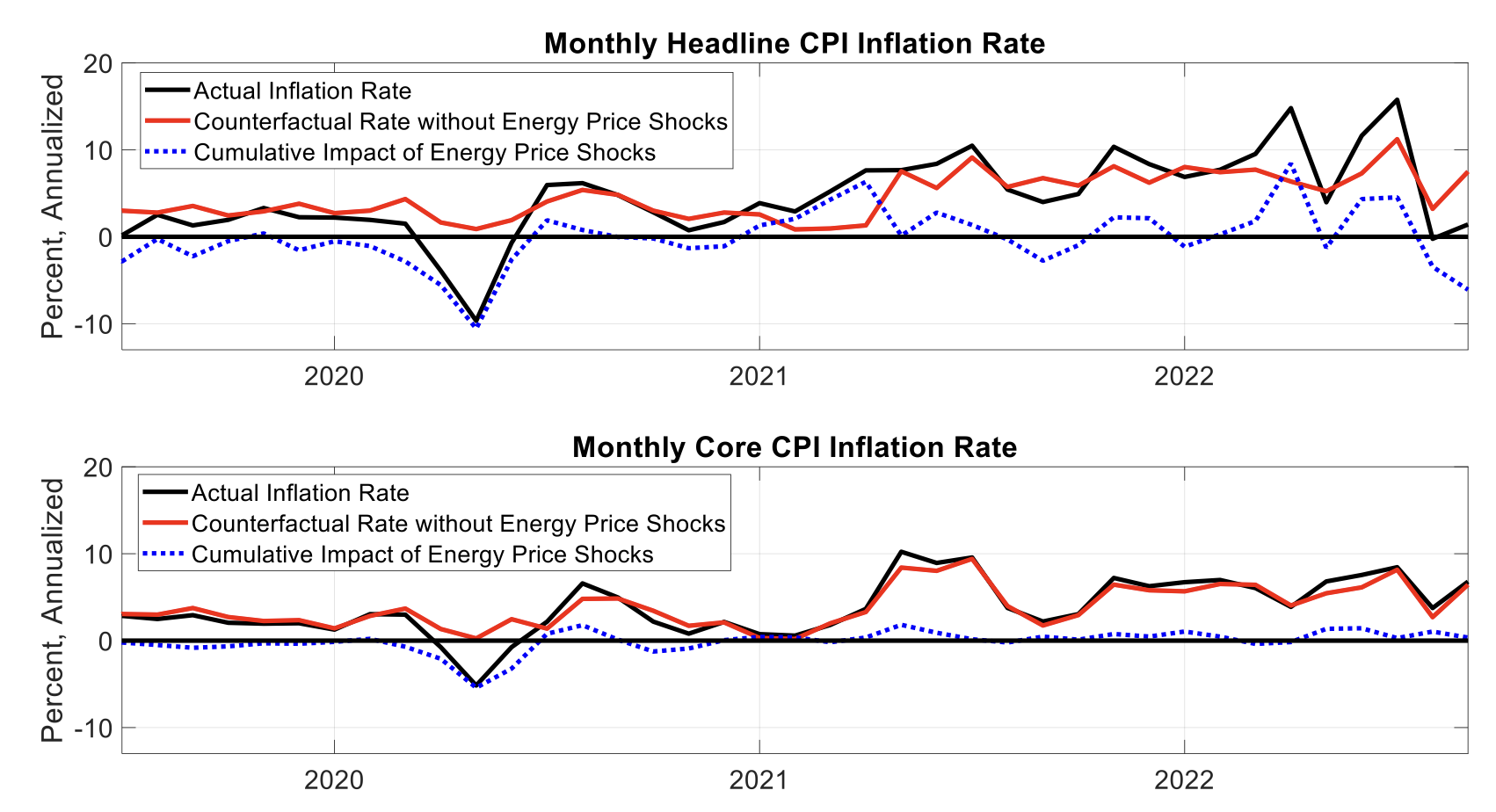
The United States is deeply interconnected with global trade networks, meaning any disruption in energy markets quickly translates into domestic economic effects. Higher oil prices increase fuel costs for trucking, aviation, and shipping—three pillars of the US logistics system.
Recent data indicate that transportation costs have begun to rise again after a period of stabilization in late 2025. This is particularly concerning for industries that rely heavily on imports, such as retail and manufacturing. As shipping costs increase, businesses often pass these expenses on to consumers, leading to higher prices for everyday goods.
Additionally, energy price volatility complicates the Federal Reserve’s efforts to manage inflation. If fuel costs continue to rise, it could slow down economic growth while keeping inflation elevated—a challenging scenario known as stagflation. For US consumers, this means higher gas prices, increased utility bills, and more expensive goods across the board.
Supply Chain Disruptions and the Risk of Another Global Bottleneck

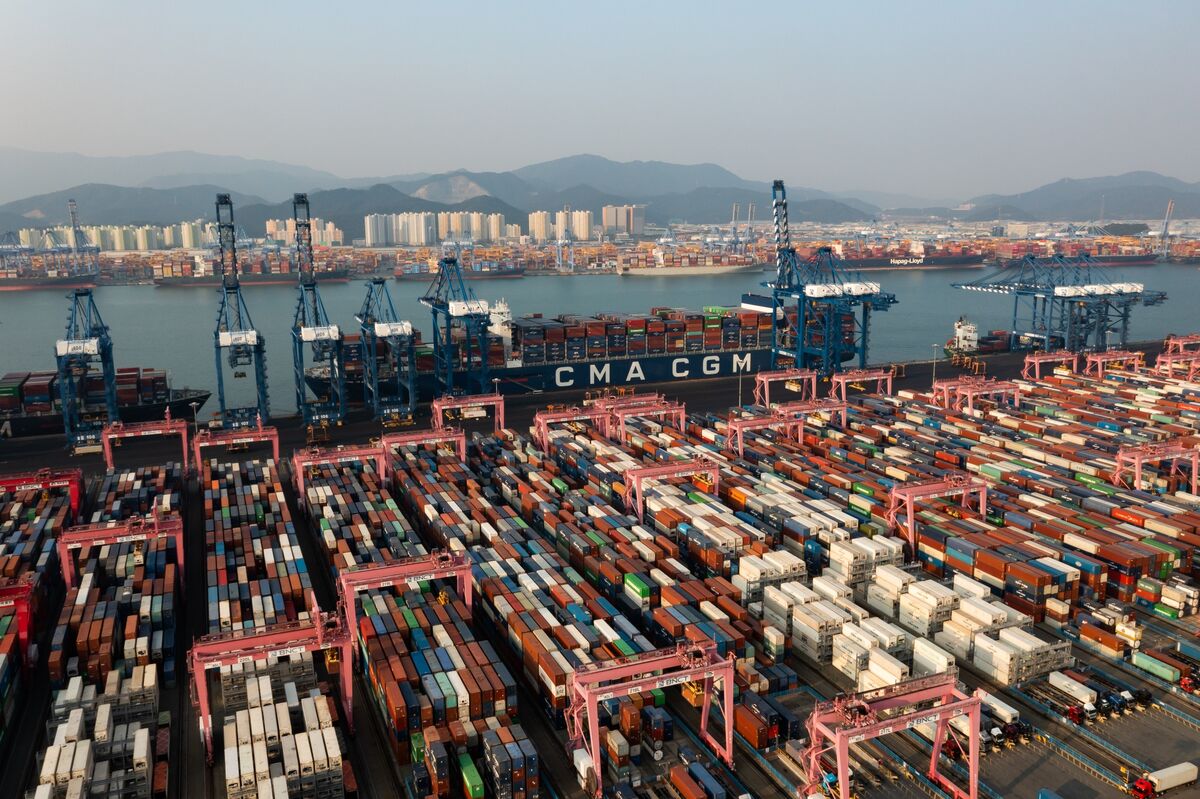
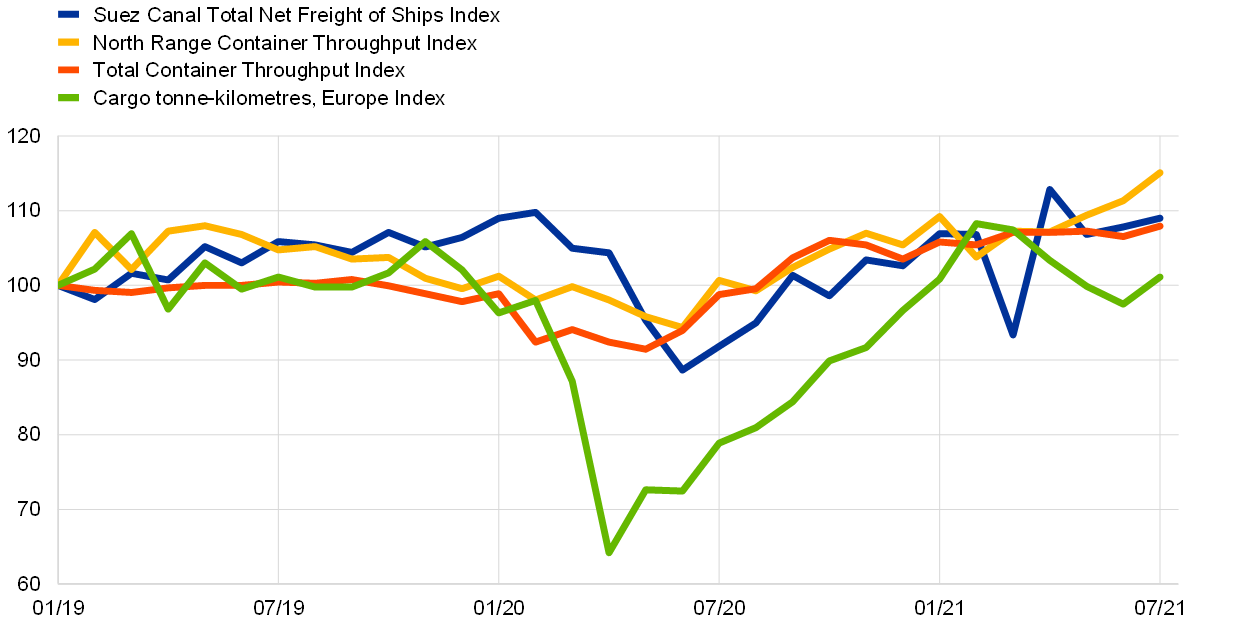
One of the most immediate risks of the current energy shock is the potential for renewed supply chain disruptions. During the pandemic years, global supply chains were severely strained, leading to shortages, delays, and price increases. The current situation, while different in origin, carries similar risks.
Higher fuel costs make shipping more expensive, which can reduce the frequency of shipments and create delays. At the same time, geopolitical risks can force rerouting of cargo, further extending delivery times. Ports may experience congestion as shipping schedules become less predictable.
For businesses, this means increased uncertainty and the need for greater inventory management. Companies may need to hold more stock to avoid shortages, tying up capital and reducing efficiency. For consumers, it could mean delayed deliveries and higher prices, particularly for imported goods.
Market Outlook: What Investors and Businesses Should Expect in 2026

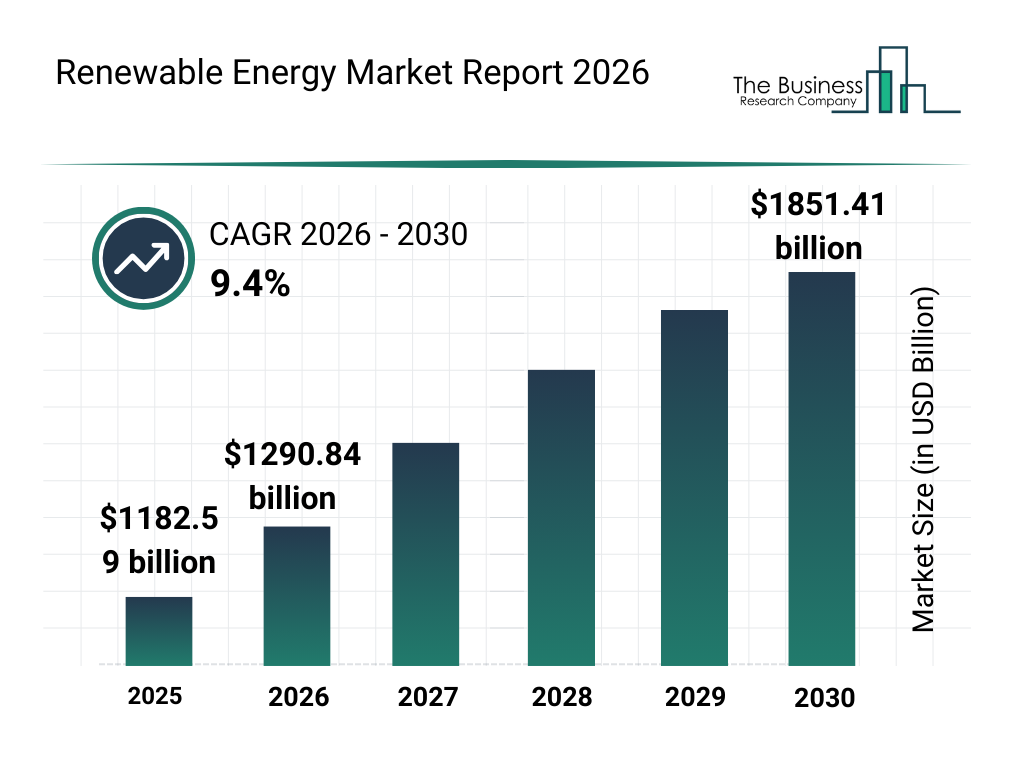

Looking ahead, analysts expect continued volatility in energy markets throughout 2026. The combination of supply constraints, geopolitical risks, and shifting demand patterns is likely to keep prices elevated and unpredictable.
Energy stocks, particularly those in oil and gas production, may benefit from higher prices. However, sectors sensitive to fuel costs—such as airlines, logistics, and manufacturing—could face pressure. Investors are increasingly focusing on diversification and hedging strategies to navigate this environment.
Businesses, meanwhile, are exploring ways to reduce their reliance on volatile energy sources. This includes investing in renewable energy, improving energy efficiency, and diversifying supply chains. These strategies are not only aimed at reducing costs but also at building resilience against future shocks.
Strategic Insights: How the US Can Respond to Global Energy Shocks
To mitigate the impact of global energy shocks, the United States has several strategic options. One key approach is increasing domestic energy production, including both traditional oil and gas and renewable sources. This can reduce dependence on volatile international markets.
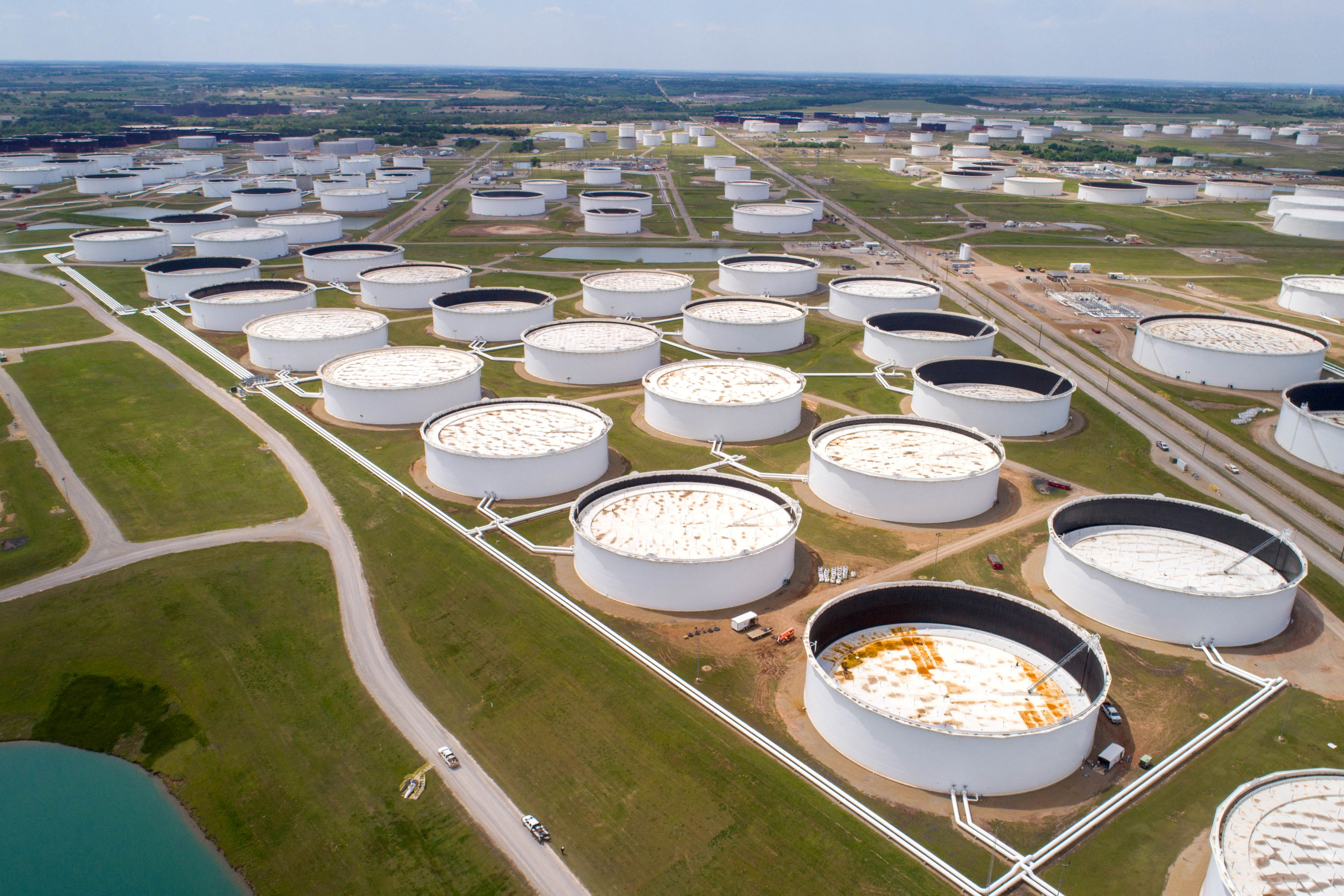
Another important strategy is strengthening strategic reserves. The US Strategic Petroleum Reserve plays a critical role in stabilizing markets during supply disruptions. By releasing reserves when prices spike, the government can help moderate extreme volatility.
Long-term solutions also involve accelerating the transition to cleaner energy sources. Investments in solar, wind, and electric vehicle infrastructure can reduce reliance on fossil fuels and create a more stable energy ecosystem. While this transition takes time, it is increasingly seen as essential for economic and environmental sustainability.
A Defining Moment for Global Energy and Economic Stability
The combination of Brazil’s fuel price hike and rising Middle East tensions represents a significant turning point for global energy markets. For the United States, the implications extend far beyond energy prices—they affect trade, inflation, supply chains, and overall economic stability.
While the situation presents challenges, it also highlights the importance of strategic planning and adaptability. Governments, businesses, and investors must work together to navigate this complex environment and build resilience against future shocks.
As the global economy continues to evolve, one thing is clear: energy will remain at the center of economic power and stability. Understanding these dynamics is essential for anyone looking to stay ahead in an increasingly interconnected world.
Subscribe to trusted news sites like USnewsSphere.com for continuous updates.