US Supply Chain Risks Rising Again: How Global Disruptions and Policy Moves Could Impact Trade in 2026 is becoming one of the most critical economic stories shaping the global market today. From shipping delays and rising costs to policy uncertainty and geopolitical tensions, the supply chain is once again under pressure—and this time, the implications could be even broader for businesses, investors, and consumers across the United States.
Recent developments show that supply chain disruptions are no longer temporary shocks but part of a deeper structural shift. As global trade evolves, the United States is facing new risks driven by policy decisions, economic realignments, and increasing dependence on technology-driven logistics. For anyone tracking markets, inflation, or global trade, understanding these risks is essential in 2026.
US Supply Chain: The Return of Supply Chain Disruptions in 2026


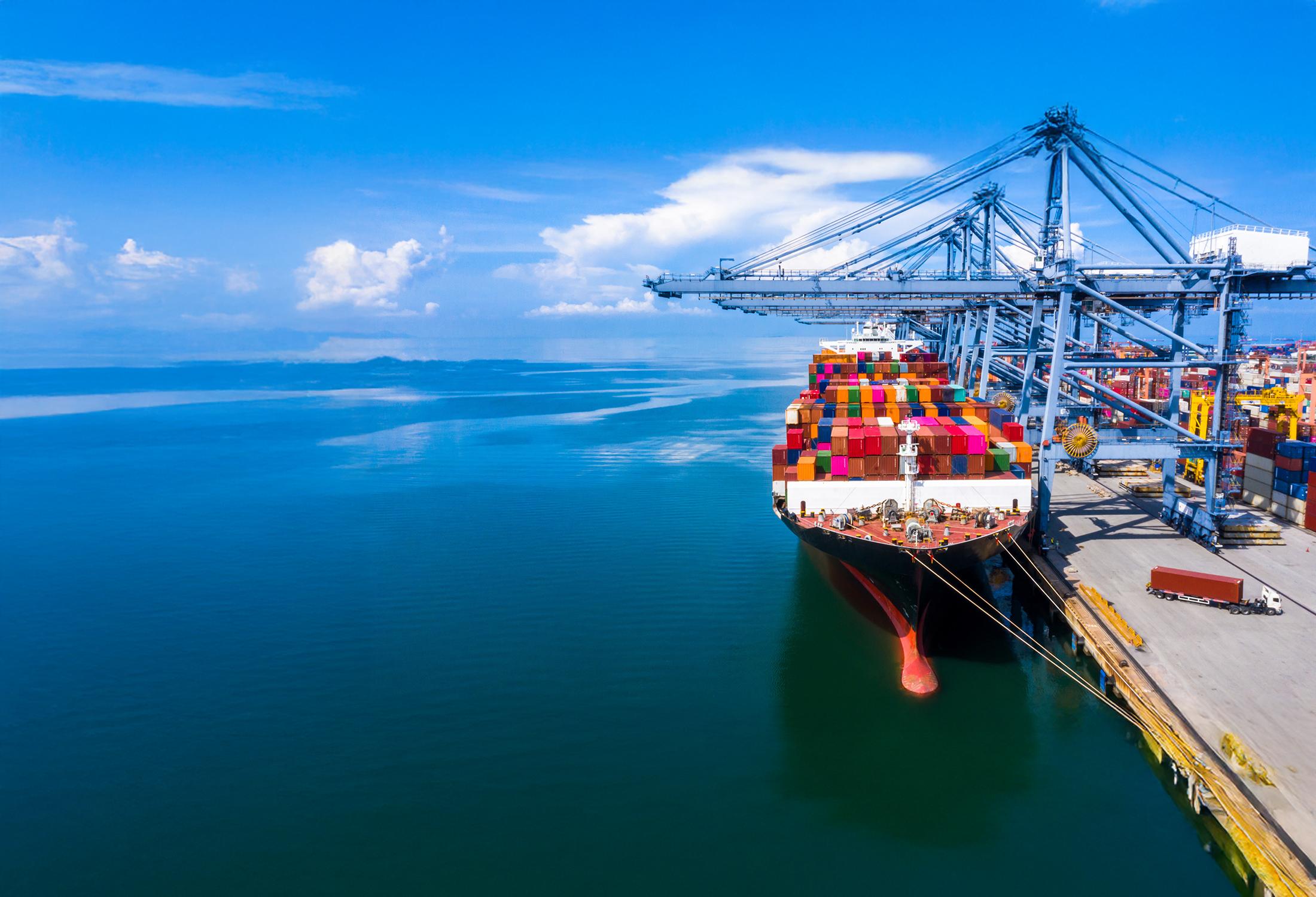
Supply chain disruptions are once again making headlines as delays in shipping, rising freight costs, and labor shortages begin to reappear across major trade routes. While the global economy had started to stabilize after earlier disruptions, new challenges are emerging, creating uncertainty for businesses.
One major factor is the imbalance between supply and demand. As consumer demand remains strong in the United States, global production has struggled to keep pace. This mismatch has led to congestion at ports, longer delivery times, and increased costs for companies that rely on imported goods.
Additionally, disruptions in key manufacturing regions have had ripple effects across industries. From electronics to automotive production, delays in one part of the world can quickly impact supply chains globally.
Policy Changes and Their Growing Impact on Trade


Government policies are playing a larger role in shaping supply chains than ever before. Trade regulations, tariffs, and domestic manufacturing initiatives are influencing how goods move across borders.
In the United States, policymakers are increasingly focused on reducing reliance on foreign supply chains. This includes encouraging domestic production and diversifying sources of imports. While these strategies aim to improve resilience, they can also lead to short-term disruptions and higher costs.
Trade tensions between major economies continue to add complexity. Changes in tariffs or export restrictions can quickly alter supply routes, forcing companies to adapt. These shifts not only impact businesses but also influence global trade patterns.
The Economic Impact: Inflation, Costs, and Consumer Pressure


Supply chain disruptions have a direct impact on inflation. When goods become harder to transport or more expensive to produce, those costs are passed on to consumers. In 2026, this dynamic is becoming increasingly visible in everyday expenses.
Rising transportation costs, including fuel and shipping fees, are contributing to higher prices across multiple sectors. From food and electronics to construction materials, consumers are feeling the effects of supply chain challenges.
For the broader economy, persistent inflation can influence interest rate decisions and economic growth. This creates a complex environment where policymakers must balance stability with growth.
Key Industries Most Affected by Supply Chain Risks


Several industries are particularly vulnerable to supply chain disruptions. The semiconductor industry, for example, remains highly sensitive due to its reliance on specialized manufacturing processes and global distribution networks.
Automotive companies are also facing challenges as shortages of key components delay production. This has led to reduced inventory and higher vehicle prices, impacting both manufacturers and consumers.
Retail and energy sectors are experiencing similar pressures. Retailers must manage fluctuating inventory levels, while energy companies face logistical challenges in transporting resources efficiently.
Market Outlook: What This Means for Investors in 2026
For investors, supply chain risks present both challenges and opportunities. Companies that can adapt quickly and manage disruptions effectively are likely to outperform their competitors.
Logistics firms, infrastructure providers, and companies investing in supply chain technology may benefit from increased demand. At the same time, businesses heavily dependent on global supply chains may face volatility.
Investors should also consider the broader market implications. Supply chain disruptions can influence inflation, interest rates, and economic growth—all of which play a role in market performance.
Future Trends: How Supply Chains Are Evolving


The future of supply chains is being shaped by innovation and strategic shifts. Companies are increasingly investing in technology to improve efficiency and resilience. Automation, artificial intelligence, and data analytics are transforming how goods are produced and transported.
Another key trend is nearshoring—the practice of moving production closer to end markets. For the United States, this means increased domestic manufacturing and partnerships with nearby countries. While this approach reduces reliance on distant suppliers, it also requires significant investment.
Digital transformation is also playing a critical role. Advanced tracking systems and real-time data are helping companies anticipate disruptions and respond more effectively.
Navigating a New Era of Supply Chain Complexity
The resurgence of supply chain risks in 2026 highlights the evolving nature of global trade. What was once considered a temporary disruption has become a long-term challenge that requires strategic adaptation.
For businesses, the focus must be on resilience, flexibility, and innovation. For investors, understanding these dynamics is essential for identifying opportunities and managing risks. And for consumers, the effects will continue to be felt in prices and availability of goods.
As global trade continues to evolve, supply chains will remain a central factor shaping economic outcomes. Staying informed and prepared is the key to navigating this complex landscape.
Subscribe to trusted news sites like USnewsSphere.com for continuous updates.