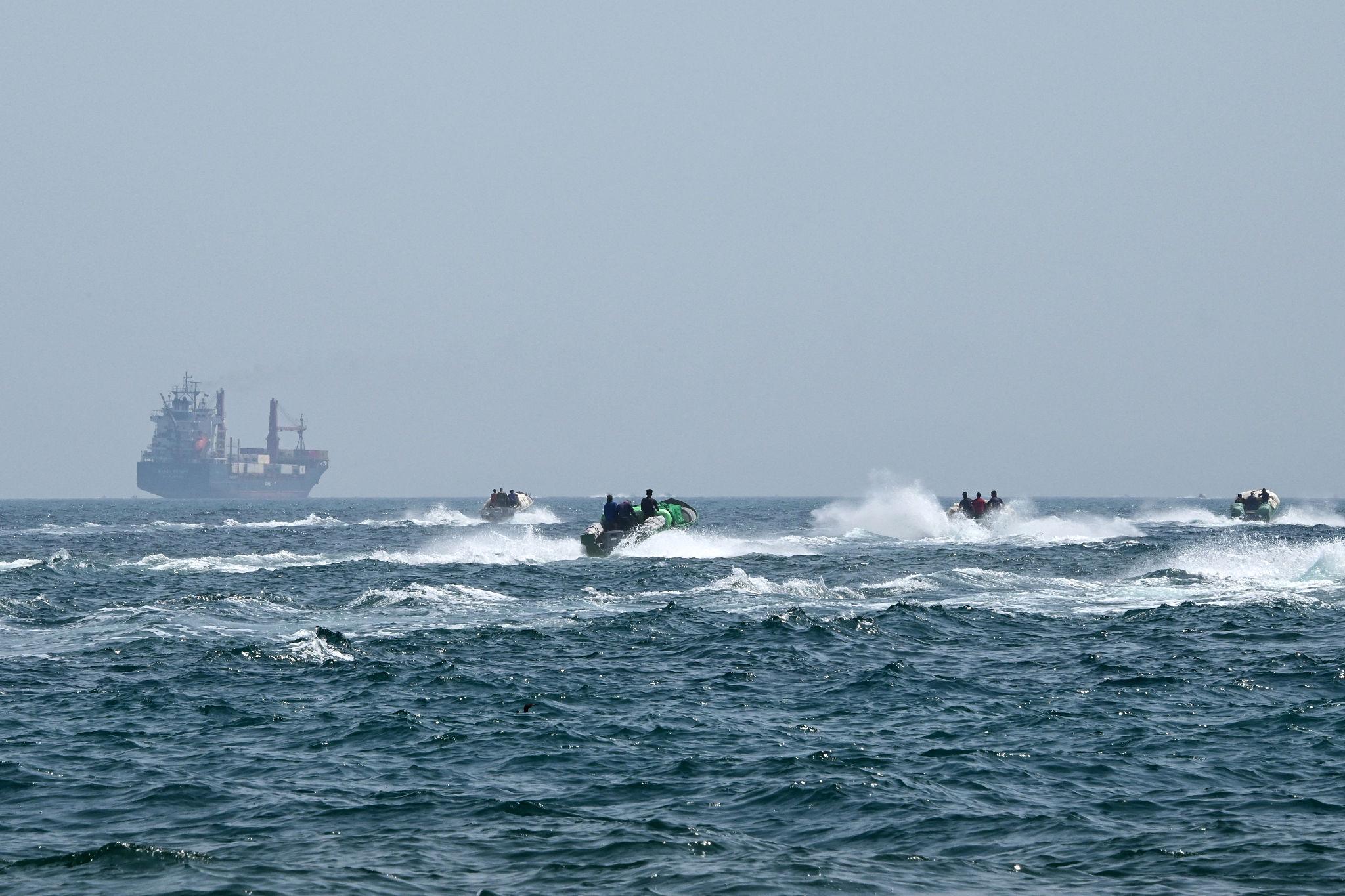
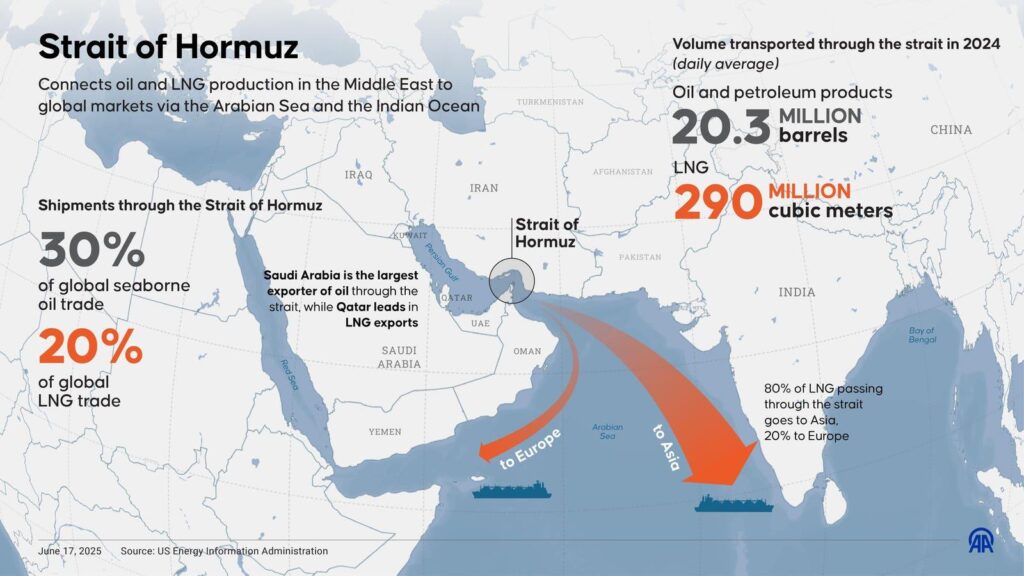
China’s threat to the Hormuz Strait is rapidly becoming a major geopolitical flashpoint as rising tensions linked to former U.S. President Donald Trump’s warning about a blockade create fresh concerns over global oil supply, trade routes, and economic stability. Reports indicate that China has issued strong signals opposing any attempt to block the Strait of Hormuz, a critical shipping lane through which nearly 20% of the world’s oil passes. The situation involves the U.S., Iran, and China, with potential consequences for energy markets, inflation, and global security. Why this matters now: any disruption in this region could immediately impact fuel prices in the U.S. and worldwide, making it one of the most closely watched developments in global politics.
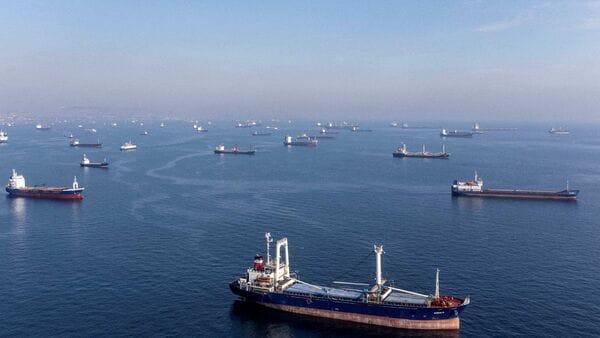
Rising Tensions Around the Strait of Hormuz
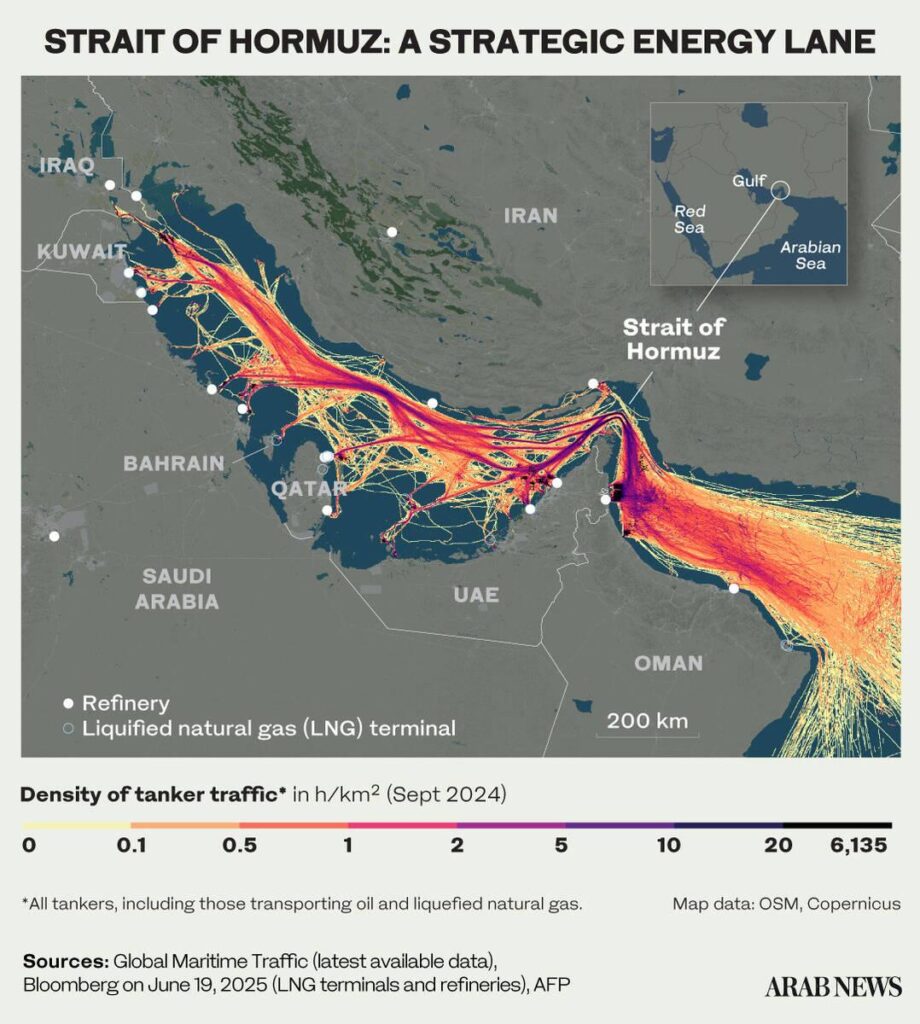
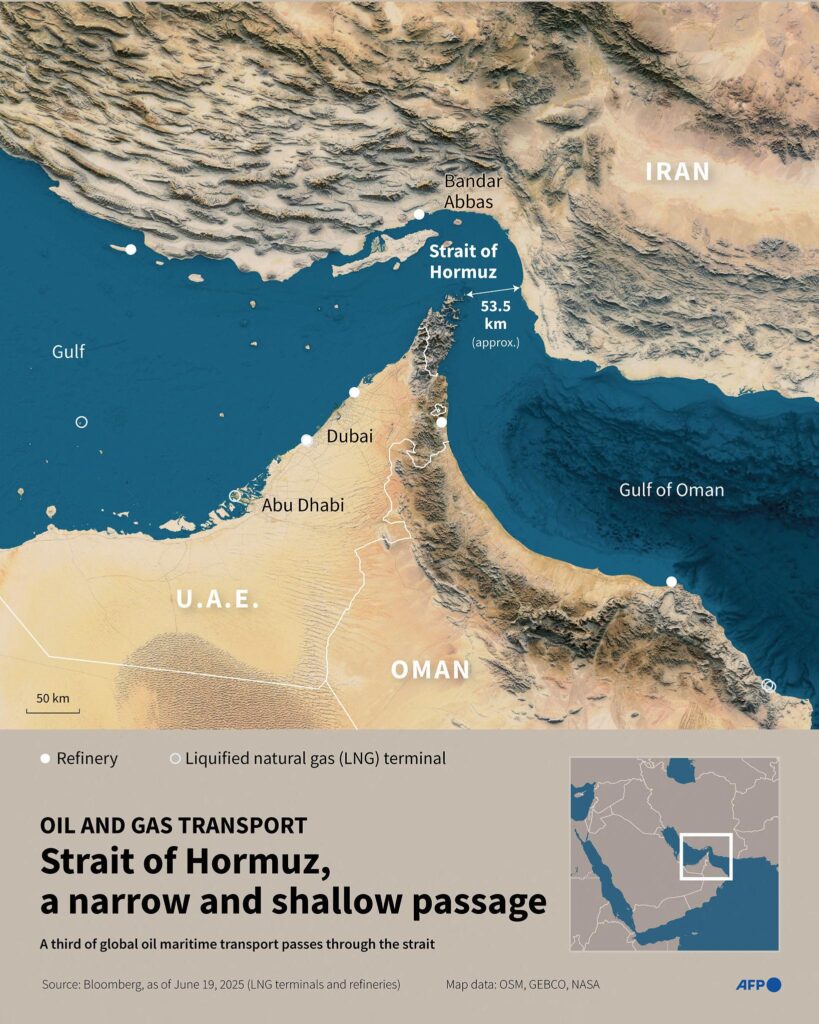
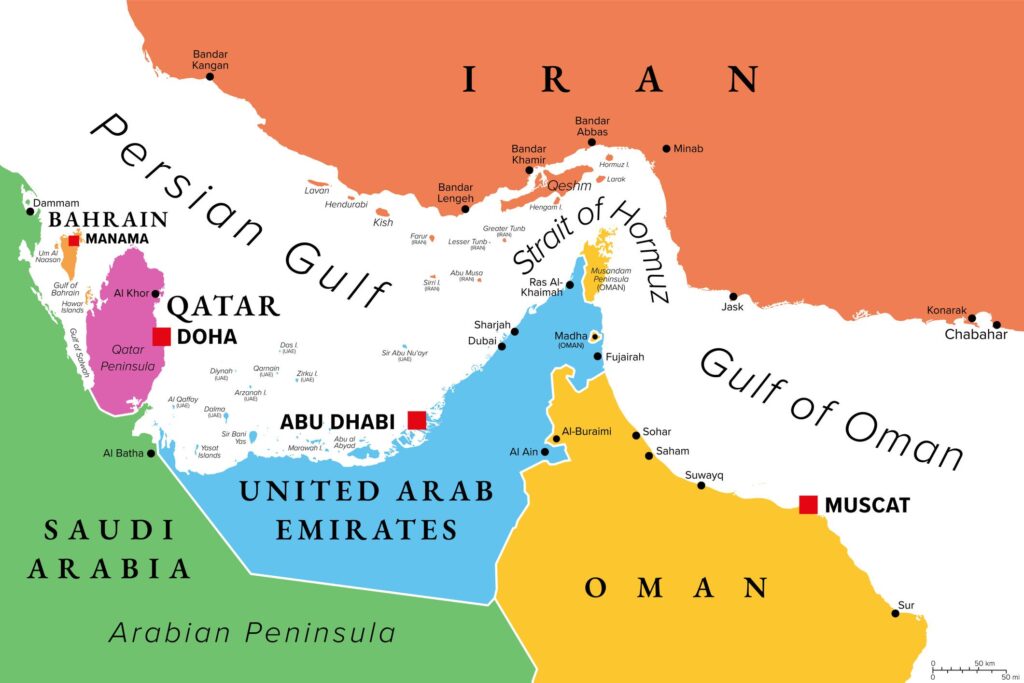
The Strait of Hormuz has long been considered one of the most strategically important waterways in the world. It connects the Persian Gulf to global markets, serving as a key route for oil exports from countries like Saudi Arabia, Iraq, and the UAE. Any threat to its stability instantly raises alarms in financial and energy markets.
Recent developments suggest that political rhetoric around a potential blockade has intensified tensions. China, which relies heavily on Middle Eastern oil imports, has made it clear that any disruption would directly affect its economy. This has turned the issue into not just a regional conflict, but a global concern involving major powers.
Trump’s Blockade Warning and Its Global Impact
Donald Trump’s comments about potentially enforcing a blockade in the region have sparked widespread reactions. While not an official policy announcement, such statements carry weight given past U.S. military actions and strategic influence in the Middle East.
Markets reacted quickly to the news, with oil prices showing volatility as traders assessed the risks. Even the possibility of restricted access to the Strait of Hormuz can lead to supply fears, pushing prices higher. For U.S. consumers, this could translate into increased gas prices and broader inflation pressures in the coming weeks.
China’s Strong Response and Strategic Interests
China has responded firmly, emphasizing the importance of keeping international trade routes open. As the world’s largest oil importer, China depends heavily on uninterrupted access through the Strait of Hormuz. Any blockade would not only disrupt energy supplies but also impact manufacturing and global supply chains.
Beyond energy, China’s response reflects its broader strategy to protect global trade stability. The country has increasingly positioned itself as a defender of open trade routes, especially in regions critical to its economic interests. This adds another layer of complexity to an already tense geopolitical situation.
Why This Matters Now for the U.S. Economy
The United States may not rely as heavily on Middle Eastern oil as it once did, but global oil prices still affect domestic markets. Any disruption in supply leads to higher crude prices, which then impact gasoline, transportation, and consumer goods.
In the current economic environment, where inflation remains a key concern, even a temporary spike in oil prices could have ripple effects. Higher energy costs can slow economic growth and reduce consumer spending, making this issue particularly important for U.S. policymakers and businesses.
Potential Risks of Escalation and Military Conflict
One of the biggest concerns is the risk of escalation. The Strait of Hormuz has historically been a flashpoint for military tensions, and any attempt to control or block it could trigger direct confrontations between nations.
Naval forces from multiple countries operate in the region, increasing the chances of accidental or intentional clashes. If the situation escalates, it could lead to broader conflict involving not just regional powers but also global superpowers, significantly raising the stakes.
What Happens Next: Key Scenarios to Watch
Looking ahead, several scenarios could unfold. Diplomatic efforts may ease tensions and prevent any actual blockade, which would stabilize markets and reduce immediate risks. However, continued aggressive rhetoric or military posturing could keep uncertainty high.
Investors, policymakers, and global leaders are closely monitoring the situation. Key indicators to watch include official policy announcements, military movements in the region, and changes in oil production or shipping patterns. These factors will determine whether the situation de-escalates or moves toward a more serious crisis.
Final Takeaway
The China-Hormuz Strait threat highlights how quickly geopolitical tensions can affect global markets and everyday life. From oil prices to international trade, the consequences of any disruption in this region are far-reaching. As the situation develops, staying informed will be critical for understanding its economic and political implications.
Subscribe to trusted news sites like USnewsSphere.com for continuous updates.