
US Financial News Today: AI Job Shock, Bitcoin Surge, and Market Volatility Threaten Your Money in 2026
Today’s U.S. financial news is being dominated by a rare combination of forces—AI disruption warnings from top CEOs, a sharp Bitcoin surge, unexpected market volatility, and growing uncertainty around interest rates—creating one of the most complex environments investors have faced in 2026. From Wall Street to Main Street, these developments are not just headlines—they are signals shaping the future of jobs, wealth creation, and financial stability in the United States.
AI Job Warnings Are Reshaping the Future of Work and Investing
One of the biggest stories driving U.S. markets right now comes from Palantir CEO Alex Karp, who has issued a stark warning: artificial intelligence is rapidly transforming the job market, and many traditional white-collar roles could become obsolete faster than expected. According to recent insights, roles in administration, customer service, and even parts of finance are increasingly being automated, pushing the U.S. economy toward a skills-based future.
This shift is forcing investors and policymakers to rethink long-term strategies. The emphasis is now moving toward vocational training, trade skills, and specialized expertise that AI cannot easily replicate. For investors, this means capital is likely to flow into companies focused on AI infrastructure, workforce retraining, and industrial automation. The long-term implication is clear—AI is not just a technology trend; it is an economic transformation that could redefine productivity, wages, and corporate earnings.
At the same time, this transition raises serious concerns about inequality and job displacement. While AI creates efficiency and new opportunities, it also concentrates wealth among companies and individuals who can leverage it effectively. This is why U.S. policy discussions are increasingly focusing on education reform and workforce adaptation.
Bitcoin Surge Signals Changing Investor Sentiment in 2026
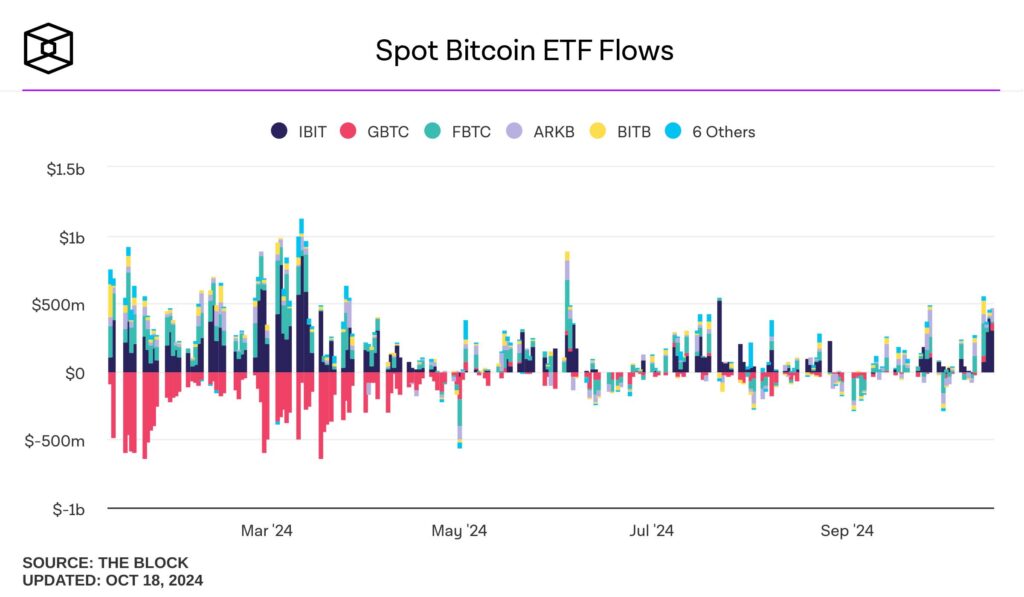
Bitcoin has surged toward the $70,000–$73,000 range, fueled by renewed investor confidence, easing geopolitical tensions, and significant inflows into crypto ETFs. This rally is not just a speculative move—it reflects a deeper shift in how investors perceive digital assets in relation to traditional markets.
Institutional participation is playing a crucial role in this surge. Large funds are increasingly treating Bitcoin as a hedge against macroeconomic uncertainty, particularly in an environment where inflation risks and interest rate uncertainty remain elevated. The recent inflows into Bitcoin ETFs suggest that crypto is becoming a more mainstream component of diversified portfolios.
However, this surge also comes with risks. Bitcoin remains highly volatile, and its price movements are often driven by sentiment as much as fundamentals. For U.S. investors, the key takeaway is that while crypto offers high potential returns, it should be approached with a disciplined risk management strategy.
Market Volatility Returns as Multiple Forces Collide
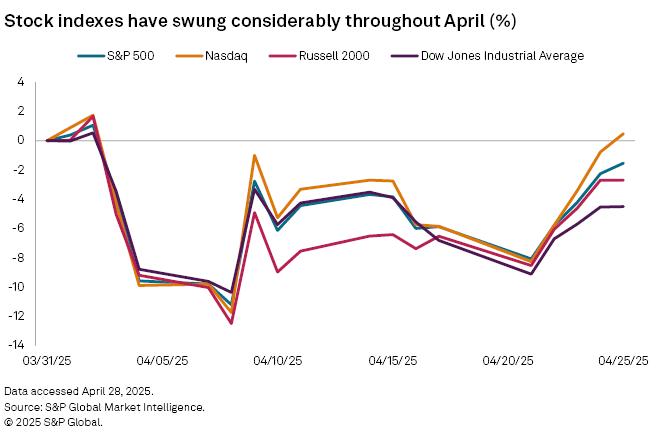
U.S. markets are currently experiencing heightened volatility due to a convergence of factors. Travel disruptions at major airports like Las Vegas and Detroit have impacted airline stocks, while geopolitical developments and economic uncertainty continue to influence investor sentiment.
At the same time, the rapid rise of AI-related stocks has created pockets of overvaluation, leading to sharp corrections in certain sectors. This has resulted in a market environment where gains in one area are often offset by losses in another, making it difficult for investors to identify clear trends.
Volatility is not necessarily a negative signal—it often creates opportunities for disciplined investors. However, it does require a more strategic approach, with a focus on diversification, risk management, and long-term planning. The current environment favors investors who can adapt quickly to changing conditions.
Interest Rates and Inflation: The Silent Drivers Behind the Scenes
While headlines focus on AI and Bitcoin, the underlying drivers of market behavior remain interest rates and inflation. The Federal Reserve’s next moves are being closely watched, as even small policy changes can have significant impacts on borrowing costs, corporate profits, and consumer spending.
Recent market signals suggest that inflation may not be fully under control, despite earlier optimism. Rising asset prices, including Bitcoin and equities, could indicate that liquidity is still influencing markets. At the same time, any indication of rate hikes or prolonged high rates could put pressure on growth stocks and real estate.
For U.S. households, this means the cost of living, mortgage rates, and investment returns are all interconnected. Understanding these dynamics is crucial for making informed financial decisions in 2026.

Crypto Security and Regulation Take Center Stage After Major Hack
A major $3.6 million crypto ATM security breach has once again highlighted the vulnerabilities in the digital asset ecosystem. As cryptocurrencies become more mainstream, they are also attracting increased attention from hackers and regulators.
This incident is likely to accelerate regulatory efforts in the United States, as policymakers seek to protect investors and ensure the stability of the financial system. Stricter regulations could bring more transparency and security, but they may also introduce new compliance challenges for crypto companies.
For investors, this is a reminder that security should be a top priority. Choosing reputable platforms, using secure wallets, and staying informed about regulatory developments are essential steps in navigating the crypto landscape.
What This Means for Your Money: Strategy, Risk, and Opportunity
The combination of AI disruption, crypto growth, and market volatility presents both challenges and opportunities for investors. The key is to approach this environment with a balanced strategy.
Diversification remains one of the most effective ways to manage risk. By spreading investments across different asset classes—including stocks, crypto, and potentially commodities—investors can reduce exposure to any single source of volatility. At the same time, staying informed and adaptable is more important than ever.
Long-term thinking is also critical. While short-term market movements can be unpredictable, the underlying trends—such as AI adoption and digital asset integration—are likely to shape the future of the economy. Investors who focus on these trends while managing risk effectively are better positioned to achieve sustainable returns.
A Turning Point for Markets and Investors
Today’s U.S. financial landscape represents a turning point. The convergence of technological innovation, shifting economic policies, and evolving investor behavior is creating a new paradigm for markets. While uncertainty remains, it also brings opportunities for those who are prepared.
The key to success in this environment is not just reacting to headlines but understanding the deeper trends driving them. By staying informed, adapting strategies, and focusing on long-term goals, investors can navigate this complex landscape with confidence.
Subscribe to trusted news sites like USnewsSphere.com for continuous updates.