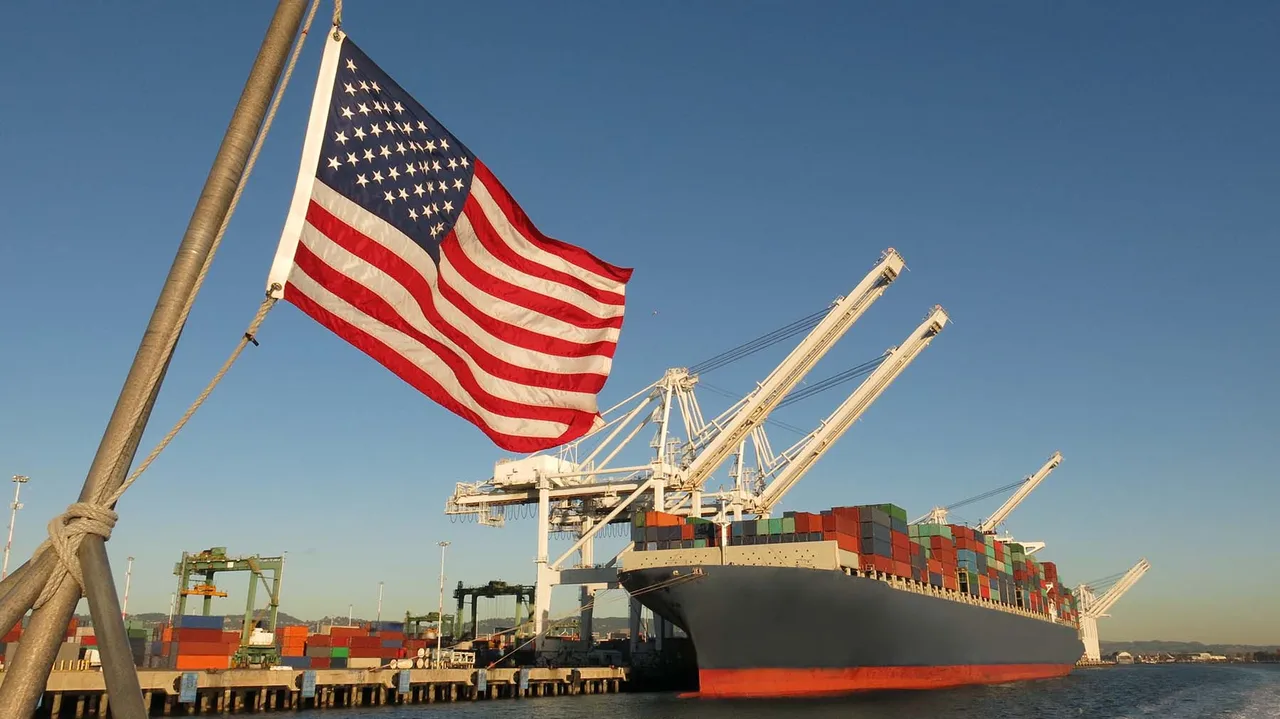
Global Trade Shift 2026: How Currency Swings, ESG Regulations, and Agricultural Costs Are Reshaping US Trade Policy is rapidly becoming one of the most discussed economic themes worldwide, as governments, corporations, and investors respond to major structural changes in global commerce. From fluctuating currencies and stricter environmental rules to rising agricultural input costs, the foundation of U.S. trade strategy is undergoing a significant transformation.
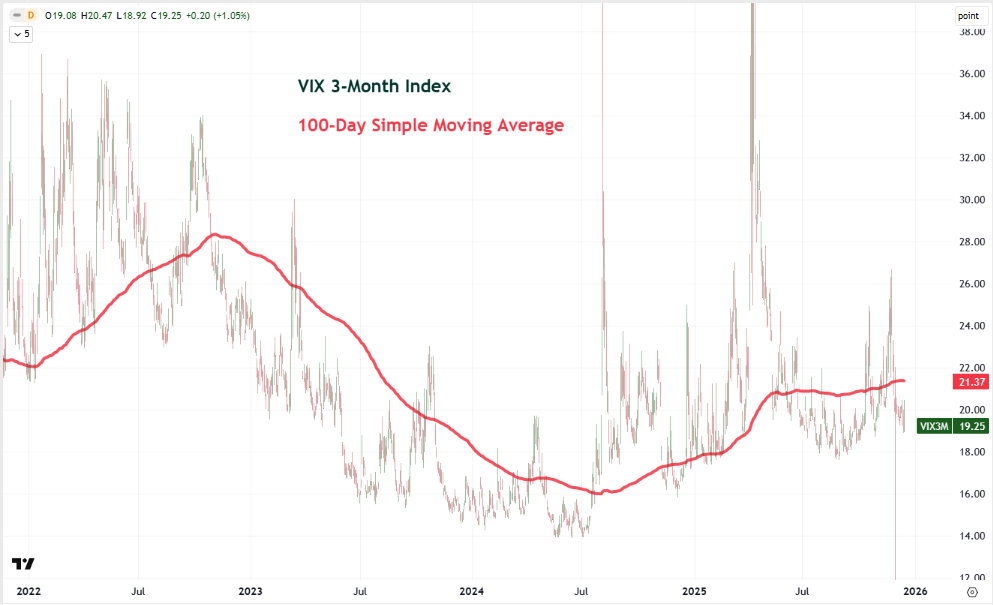
Recent data from global financial institutions and trade agencies shows that the U.S. is navigating one of the most complex trade environments in decades. Currency volatility has intensified due to shifting interest rate policies, ESG (Environmental, Social, Governance) regulations are redefining supply chains, and agricultural price pressures are influencing both domestic inflation and export competitiveness.
This article delivers a deep, data-driven breakdown of these interconnected forces, combining the latest insights and global trends to give readers a clear understanding of how U.S. trade policy is evolving in 2026 and beyond.
Global Trade Shift: Currency Volatility Is Rewriting Global Trade Dynamics
Over the past 12–18 months, currency markets have experienced heightened volatility. The U.S. dollar strengthened significantly during aggressive Federal Reserve tightening cycles, only to face intermittent pullbacks as global economies adjusted their monetary policies.
A strong dollar typically makes U.S. exports more expensive on the global market. In 2025–2026, this has reduced competitiveness for American manufacturers, especially in sectors like machinery, agriculture, and industrial goods. According to recent trade data, U.S. export growth slowed in several key markets due to currency-driven pricing disadvantages.
At the same time, currency swings have created unpredictable cost structures for importers. Businesses relying on foreign inputs have faced fluctuating margins, forcing companies to hedge more aggressively in foreign exchange markets. This trend has increased demand for currency risk management tools and financial derivatives.
The broader implication is that U.S. trade policy is now more closely tied to monetary policy than ever before. Policymakers are being forced to consider exchange rate impacts when negotiating trade agreements and tariffs, marking a shift from traditional trade frameworks.

ESG Regulations Are Transforming Supply Chains
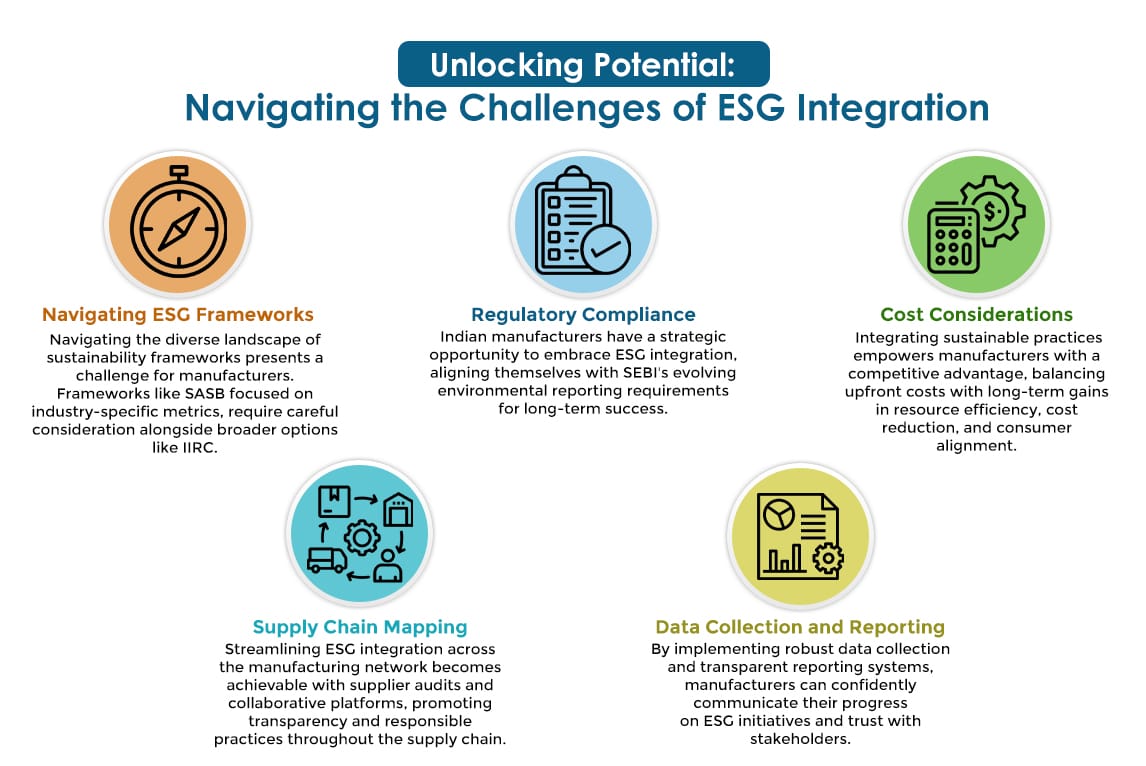
Environmental and social regulations are no longer optional considerations—they are becoming central to global trade compliance. In 2026, ESG policies are reshaping how goods are produced, transported, and traded internationally.
The U.S. has been aligning with global partners, particularly in Europe, where ESG standards are among the strictest. Companies exporting to these markets must now meet carbon emission benchmarks, sustainability reporting requirements, and ethical sourcing standards.
For American businesses, this has created both challenges and opportunities. On one hand, compliance costs have increased, especially for industries like manufacturing, energy, and agriculture. On the other hand, companies that successfully integrate ESG practices are gaining preferential access to premium markets and long-term contracts.
Supply chains are also being restructured to reduce carbon footprints. Nearshoring and reshoring strategies have gained momentum, as companies aim to minimize transportation emissions and geopolitical risks. This shift is gradually reducing reliance on distant manufacturing hubs and increasing regional trade integration.
Rising Agricultural Costs Are Impacting Trade Balances
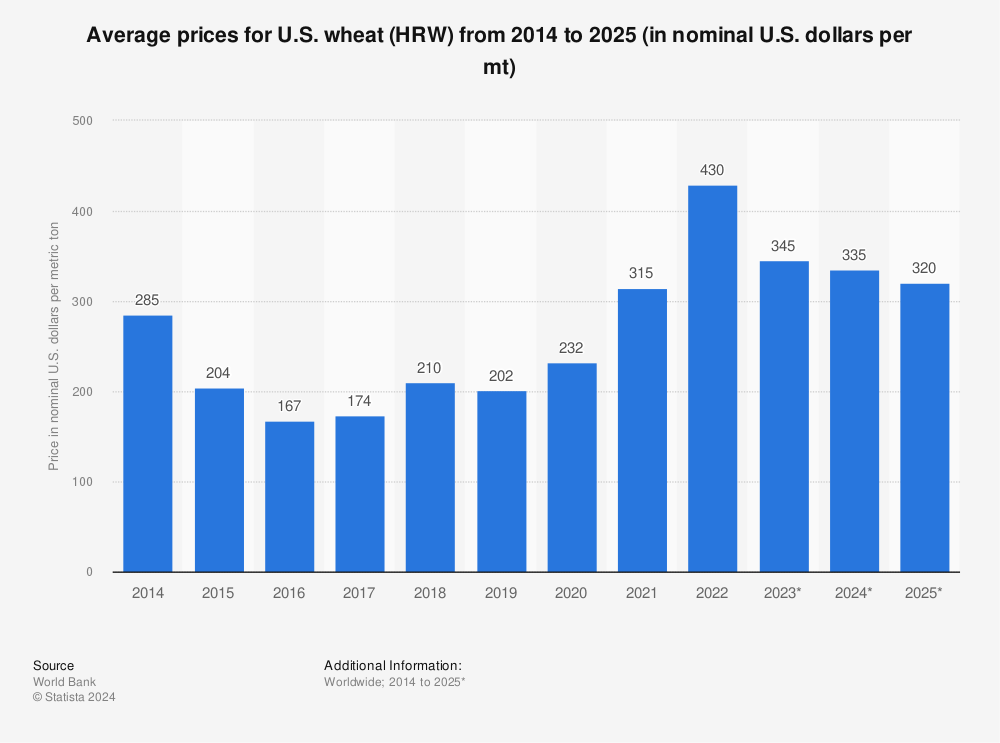
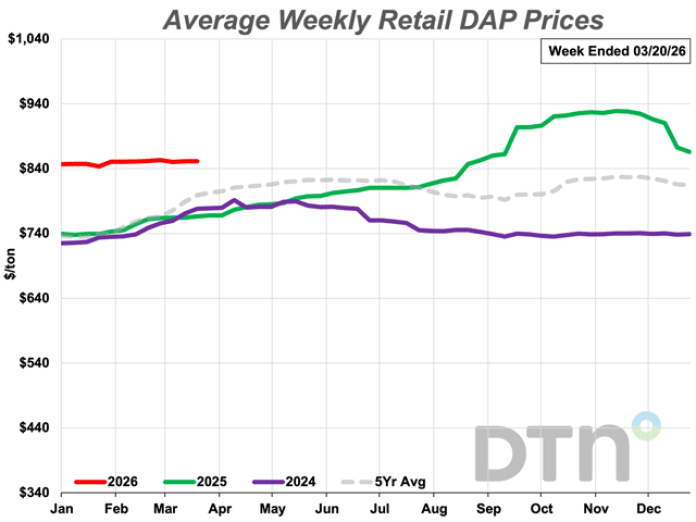

Agriculture remains a cornerstone of U.S. exports, but rising input costs are putting pressure on both farmers and trade balances. Fertilizer prices, fuel costs, and labor expenses have all surged in recent years, leading to higher production costs.
In 2026, global food prices will remain elevated compared to pre-pandemic levels. While this has boosted revenue for some U.S. exporters, it has also reduced global demand in price-sensitive markets. Developing countries, in particular, have scaled back imports due to affordability concerns.
Additionally, climate-related disruptions—including droughts and extreme weather—have affected crop yields. This has introduced further uncertainty into global supply chains and contributed to price volatility in commodities such as wheat, corn, and soybeans.
The U.S. government is responding by exploring subsidies, trade incentives, and strategic reserves to stabilize the agricultural sector. These measures are aimed at maintaining export competitiveness while ensuring domestic food security.
Trade Policy Is Becoming More Strategic and Defensive
The convergence of currency shifts, ESG mandates, and agricultural pressures has led to a more strategic and defensive U.S. trade policy approach.
Trade agreements are increasingly incorporating environmental and labor standards, reflecting the growing importance of ESG considerations. At the same time, tariffs and trade barriers are being used more selectively to protect key industries from global shocks.
Geopolitical tensions have also played a role in shaping trade strategies. The U.S. is focusing on strengthening alliances with trusted partners while reducing dependence on adversarial economies. This includes diversifying supply chains and investing in domestic production capabilities.
Moreover, technology is becoming a critical component of trade policy. Digital trade agreements, data governance, and cybersecurity considerations are now integral to modern trade negotiations. This reflects the growing importance of the digital economy in global commerce.
Market Outlook: Opportunities and Risks for Investors
From an investment perspective, the evolving trade landscape presents both opportunities and risks. Sectors aligned with ESG compliance, such as renewable energy and sustainable manufacturing, are attracting increased capital inflows.
Currency volatility is also creating trading opportunities in forex markets, particularly for investors who can accurately anticipate central bank policies and macroeconomic trends.
However, risks remain significant. Trade fragmentation, regulatory uncertainty, and geopolitical tensions could disrupt global supply chains and impact economic growth. Investors must carefully assess these factors when making portfolio decisions.
In addition, agricultural markets are expected to remain volatile due to climate risks and input cost pressures. This could create both opportunities and challenges for commodity traders and agribusiness companies.
Expert Insights: What Comes Next for US Trade Policy
Economic experts suggest that the current trade transformation is not temporary but structural. The integration of ESG standards, the normalization of currency volatility, and the persistent pressures on agricultural costs are likely to shape trade policies for years to come.
Analysts predict that the U.S. will continue to prioritize resilience over efficiency in its trade strategy. This means building more robust supply chains, investing in domestic industries, and strengthening alliances with reliable partners.
There is also growing emphasis on innovation and technology as drivers of trade competitiveness. Investments in automation, artificial intelligence, and digital infrastructure are expected to play a key role in enhancing productivity and reducing costs.
Ultimately, the future of U.S. trade policy will depend on how effectively it can balance economic growth, sustainability, and national security priorities in an increasingly complex global environment.
A New Era of Global Trade Strategy
Powerful and interconnected forces are reshaping the global trade landscape in 2026. Currency swings are influencing competitiveness, ESG regulations are redefining compliance standards, and rising agricultural costs are impacting both supply and demand dynamics.
For the United States, this represents both a challenge and an opportunity. By adapting to these changes and embracing innovation, the U.S. can strengthen its position in the global economy and build a more resilient trade framework.
Businesses, investors, and policymakers must stay informed and agile as these trends continue to evolve. Those who can successfully navigate this complex environment will be best positioned to capitalize on the opportunities ahead.
Subscribe to trusted news sites like USnewsSphere.com for continuous updates.