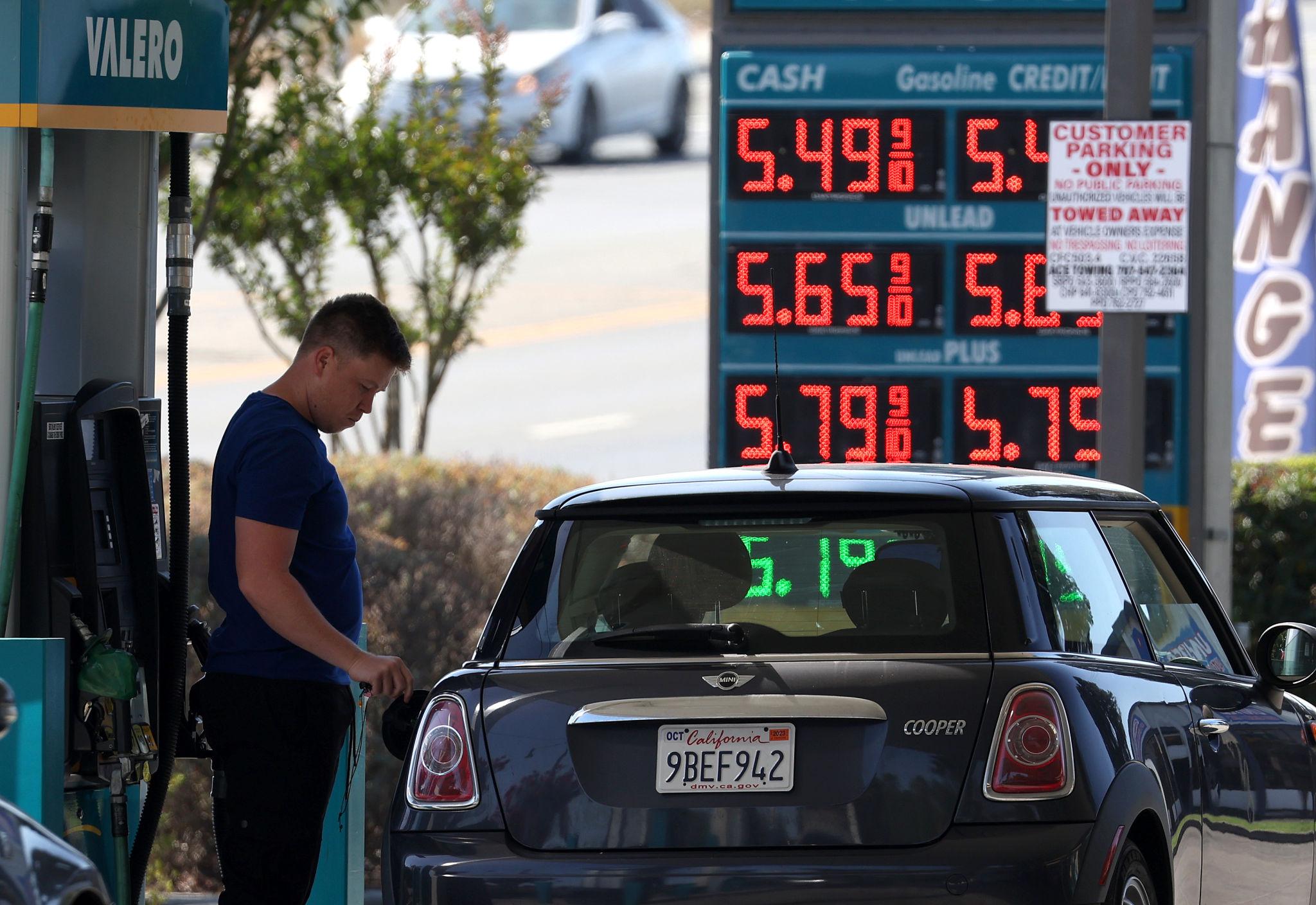
Trump Gas Price Promise Under Scrutiny as Treasury Signals $3 Fuel Target — Can the US Economy Handle It? is now at the center of economic debate in the United States as policymakers, investors, and consumers evaluate whether achieving lower fuel prices is realistic in today’s volatile energy environment. The idea of stabilizing gasoline prices around $3 per gallon has gained attention, but significant challenges remain.
This issue matters now because fuel prices directly influence inflation, consumer spending, and overall economic stability. In 2026, with global oil markets facing disruptions and supply uncertainties, any attempt to control fuel costs becomes a major economic policy question. Americans are already feeling pressure from rising living costs, making gas prices a critical factor in financial decision-making.
In this article, we break down the feasibility of the $3 fuel target, the economic forces shaping gas prices, and what this means for US consumers, businesses, and the broader economy.
The $3 Gas Price Target: Policy Goals vs Market Reality
The proposal to maintain gas prices near $3 per gallon is rooted in the goal of easing financial pressure on American households. Lower fuel costs can reduce transportation expenses, support consumer spending, and help control inflation.
However, achieving this target is not entirely within government control. Gas prices are influenced by global oil markets, geopolitical tensions, refinery capacity, and seasonal demand patterns. Even if domestic policies aim to stabilize prices, external factors often override these efforts.
Additionally, oil production levels and supply chain efficiency play a major role. If supply cannot keep up with demand, prices naturally rise regardless of policy goals. This creates a gap between political promises and economic reality.
Key Factors Driving Gas Prices in 2026
Several major factors are shaping gas prices in the US this year. One of the most significant is global oil supply disruption, particularly due to geopolitical tensions in key regions like the Middle East.
Refinery capacity in the US is another critical factor. Even if crude oil supply is stable, limited refining capacity can create bottlenecks, pushing gasoline prices higher. Seasonal demand, especially during summer travel months, further adds upward pressure.
Currency fluctuations and global demand trends also impact pricing. As emerging markets increase energy consumption, competition for oil resources intensifies, contributing to price volatility.
Impact on US Consumers and Household Budgets
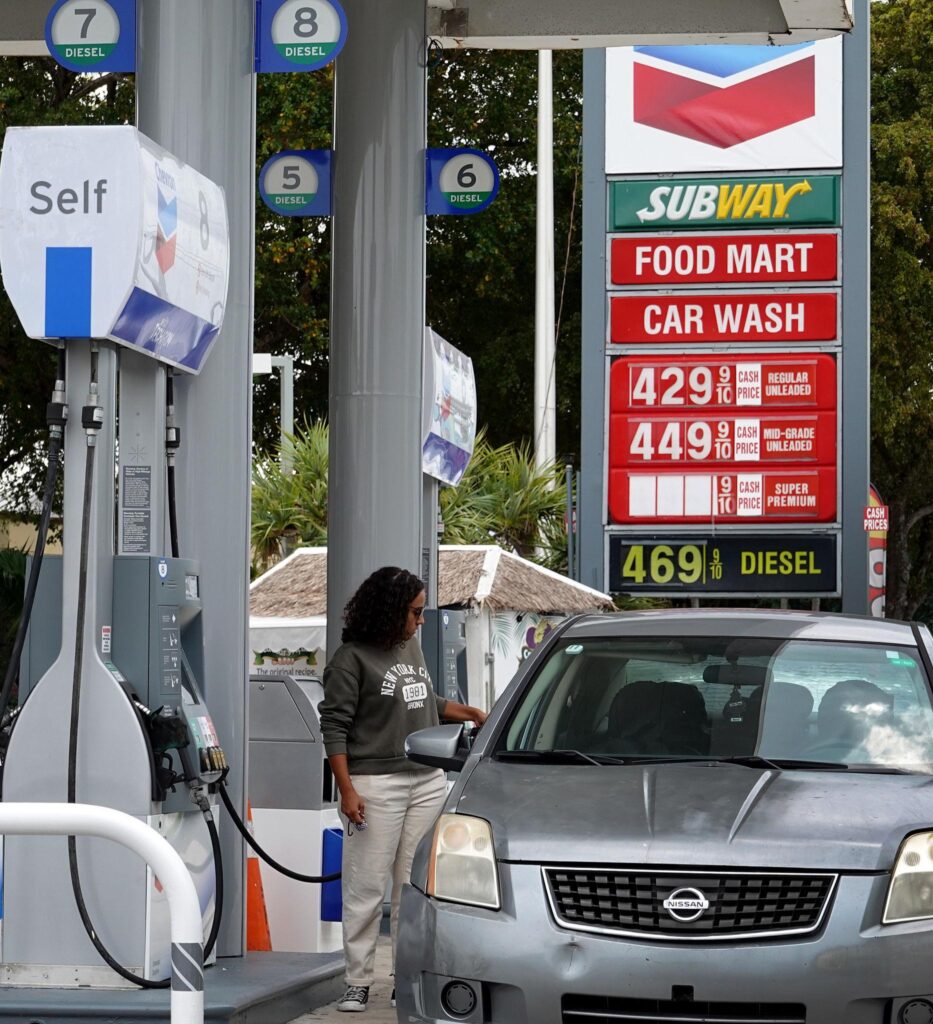
For American consumers, gas prices are one of the most visible indicators of economic health. When prices rise, households immediately feel the impact through higher commuting costs and increased prices for goods and services.
Higher fuel costs also affect discretionary spending. When more income is spent on essentials like gasoline, less is available for retail, dining, and travel. This can slow economic growth and affect multiple sectors.
On the other hand, stable or lower gas prices can provide financial relief. A $3 per gallon target, if achieved, could help reduce inflationary pressure and improve consumer confidence.
Inflation, Interest Rates, and Economic Stability
Gas prices are closely tied to inflation. When fuel costs increase, transportation and production costs rise, leading to higher prices across the economy. This can force the Federal Reserve to maintain higher interest rates to control inflation.
Higher interest rates, in turn, impact borrowing costs for consumers and businesses. This affects everything from mortgages to business investments, potentially slowing economic growth.
If gas prices can be stabilized, it could help ease inflation and allow for more flexible monetary policy. However, achieving this balance requires coordination between energy policy and economic strategy.
Market Reactions and Investment Implications
Financial markets are highly sensitive to energy prices. Rising oil prices often benefit energy companies but create challenges for industries like airlines, transportation, and manufacturing.
Investors are closely watching the situation, as prolonged high fuel costs could signal broader economic risks. Some analysts warn that persistent energy inflation could increase the likelihood of a recession.
At the same time, opportunities exist in energy stocks and alternative energy investments. As the market adjusts to new conditions, investors who understand these trends can position themselves for potential gains.
Risks and Challenges to Achieving the $3 Target
One of the biggest challenges is geopolitical uncertainty. Conflicts or disruptions in major oil-producing regions can quickly push prices higher, making it difficult to maintain stable fuel costs.
Another challenge is balancing domestic production with environmental policies. Increasing oil production can help lower prices, but it may conflict with long-term sustainability goals.
Additionally, infrastructure limitations, including pipelines and refineries, can restrict supply even when demand is high. Addressing these issues requires significant investment and long-term planning.
Expert Insights and Future Outlook
Economic experts suggest that while a $3 gas price target is possible under certain conditions, it requires stable global markets, strong domestic production, and efficient supply chains.
Some analysts believe that technological advancements and increased use of alternative energy sources could help reduce dependence on oil over time. However, in the short term, oil remains a critical component of the US energy mix.
Looking ahead, gas prices are likely to remain volatile. The balance between supply, demand, and geopolitical factors will determine whether the $3 target can be achieved or maintained.
Conclusion
The debate over Trump’s gas price promise and the $3 fuel target highlights the complexity of managing energy costs in a global economy. While the goal of lower gas prices is appealing, achieving it requires navigating a range of economic and geopolitical challenges.
For US consumers, the outcome will directly impact daily expenses, inflation, and overall financial stability. Staying informed about these developments is essential for making smart financial decisions in an uncertain economic environment.
Subscribe to trusted news sites like USnewsSphere.com for continuous updates.