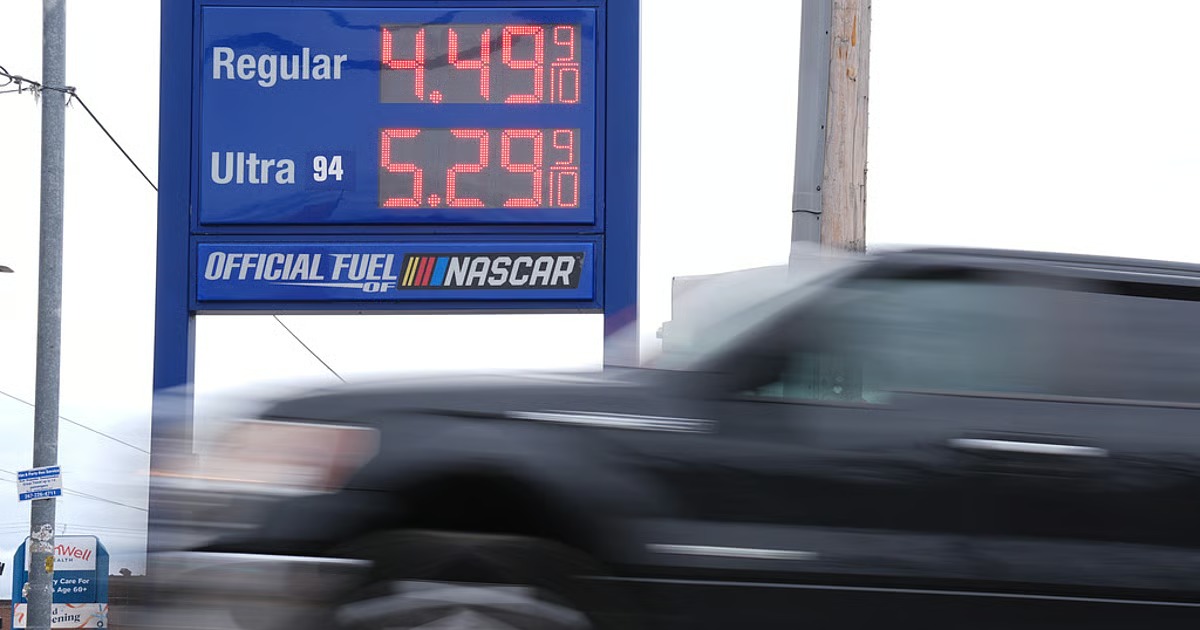
Gas Prices Near $4 Again: How Iran Tensions Could Reignite US Inflation in 2026 is quickly becoming a major concern for policymakers, investors, and everyday Americans as fuel costs climb back toward critical levels. With geopolitical tensions involving Iran intensifying and global oil supply risks rising, the United States may once again face a renewed wave of inflation driven by energy prices.
In 2026, the connection between energy markets and inflation is stronger than ever. Gasoline prices are not just a consumer expense—they are a foundational cost that impacts transportation, manufacturing, and supply chains across the entire economy. As prices approach the $4 mark again in several regions, the ripple effects are beginning to show in broader inflation data, raising concerns that progress made in controlling inflation could be reversed.
Why Gas Prices Are Rising Again in the United States

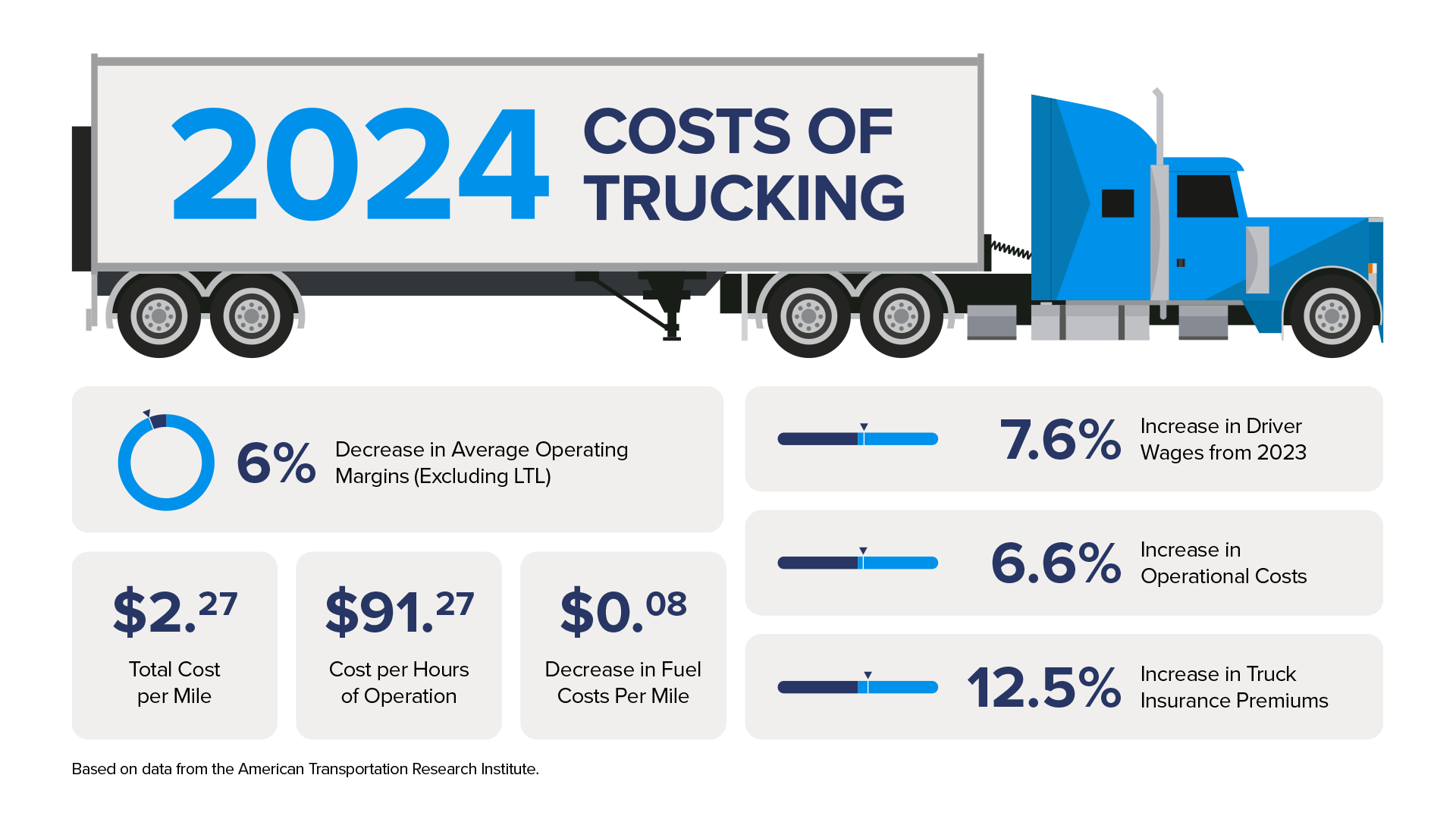
The recent rise in gas prices across the United States is being driven by a combination of global supply constraints and geopolitical uncertainty. Oil markets are highly sensitive to disruptions, and even the possibility of reduced supply can push prices higher.
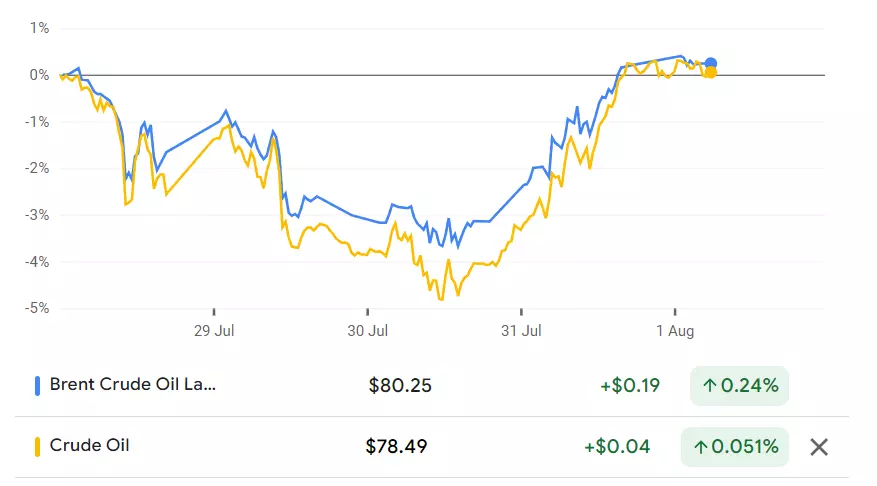
One of the key drivers is the tightening of global oil supply. Production decisions by major oil-exporting nations, combined with ongoing geopolitical tensions, have limited the availability of crude oil in international markets. At the same time, demand remains relatively strong, particularly as global economic activity stabilizes.
Seasonal factors also play a role. As travel demand increases, especially during peak seasons, gasoline consumption rises, putting additional pressure on prices. However, in 2026, geopolitical risks are amplifying these normal seasonal trends, leading to sharper price increases.
Iran Tensions and the Risk to Global Oil Supply
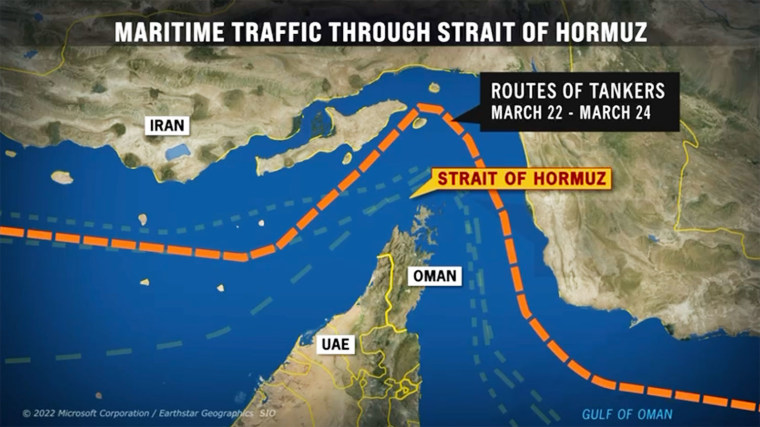
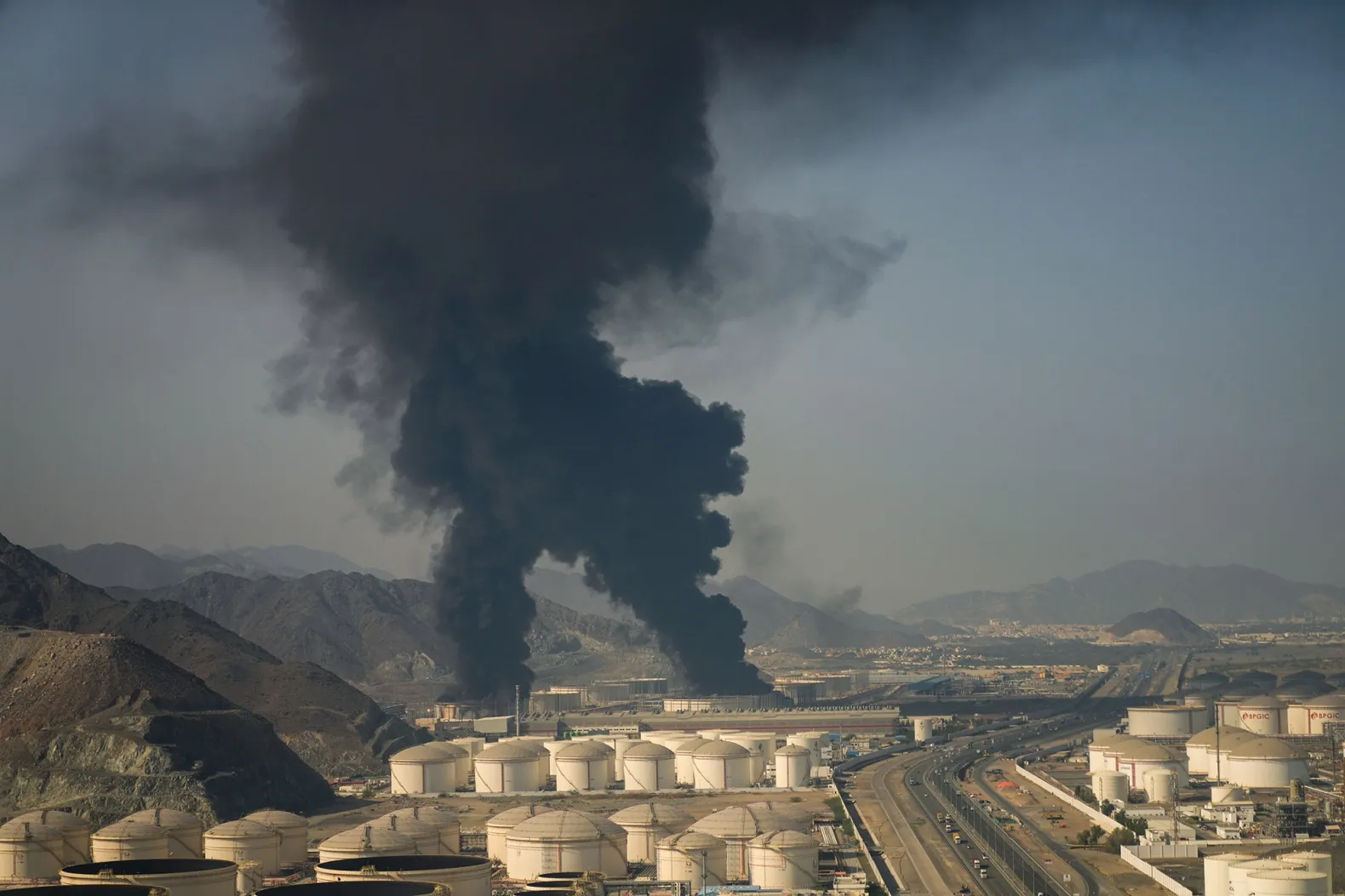
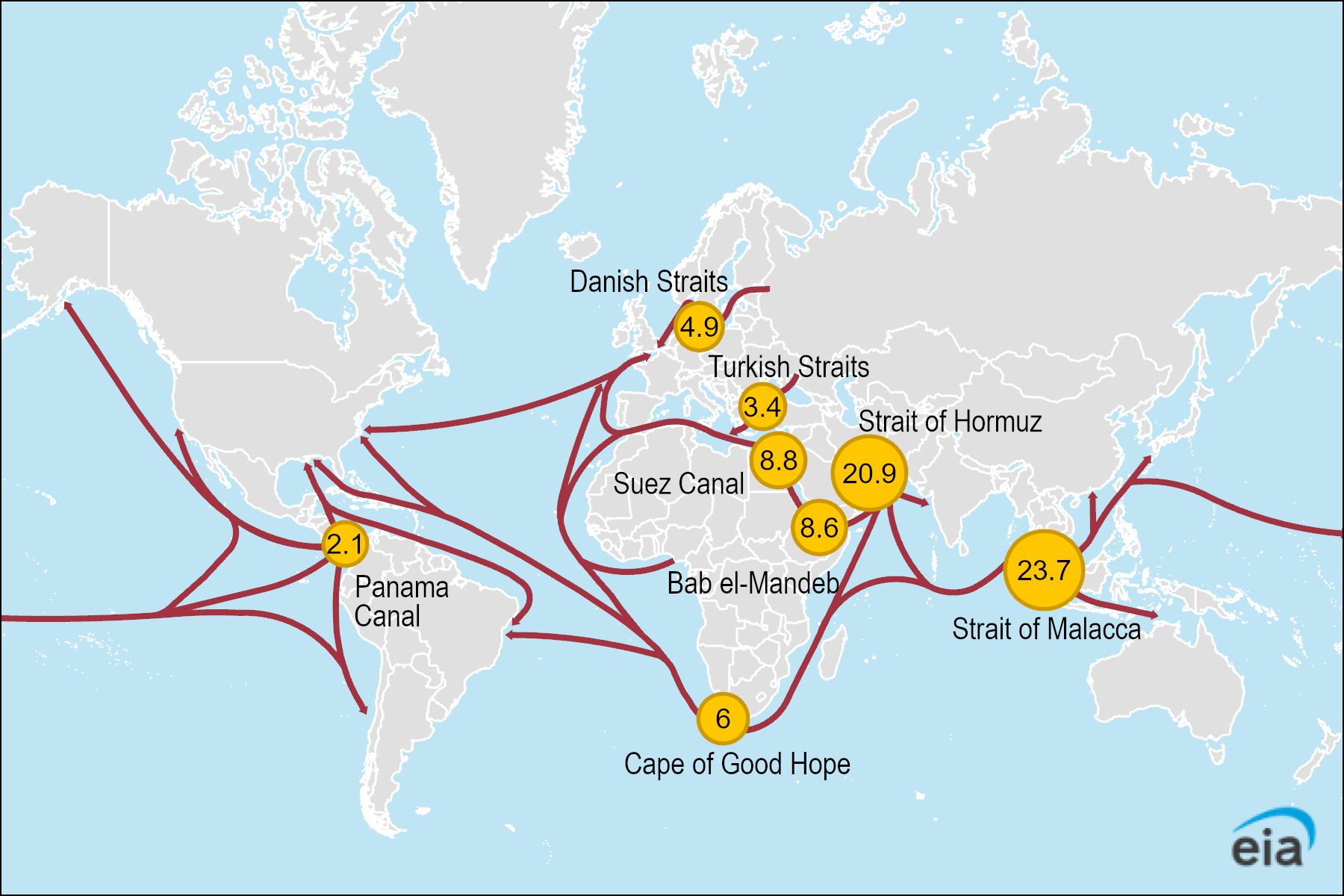
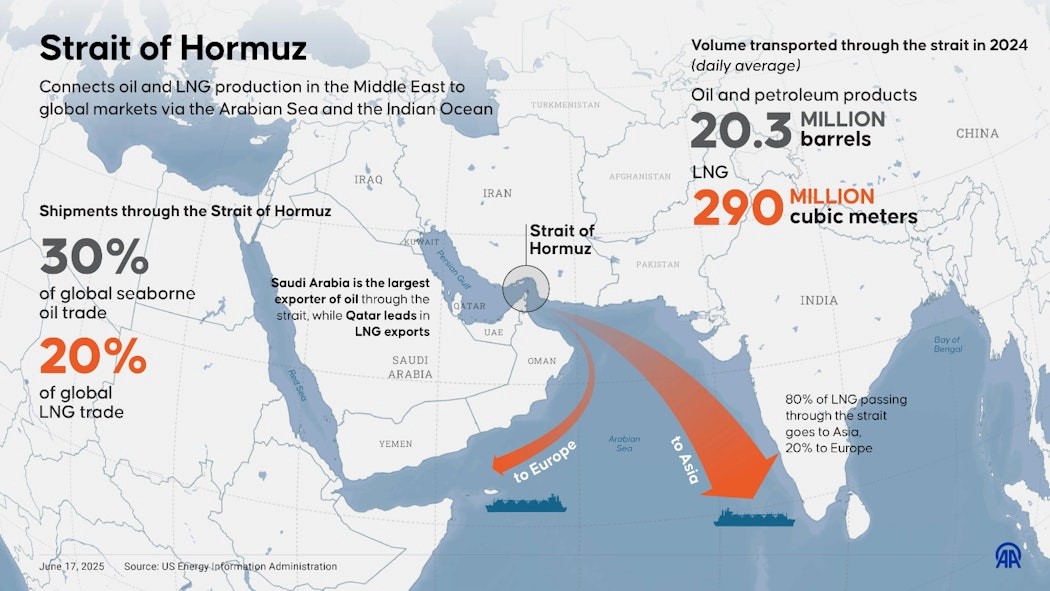
Iran remains a critical player in global energy markets, and tensions involving the country have significant implications for oil supply. The Strait of Hormuz, a narrow waterway through which a large portion of the world’s oil passes, is particularly vulnerable to disruption.
Any escalation in tensions—whether through sanctions, military activity, or political conflict—can lead to fears of supply interruptions. Even without actual disruptions, these fears can drive speculative trading in oil markets, pushing prices higher.
In 2026, heightened geopolitical uncertainty has increased the risk premium on oil prices. This means that traders are factoring in potential disruptions, which raises prices even before any physical supply issues occur. For the United States, this translates into higher gasoline prices and increased inflationary pressure.
How Rising Fuel Costs Feed Into US Inflation

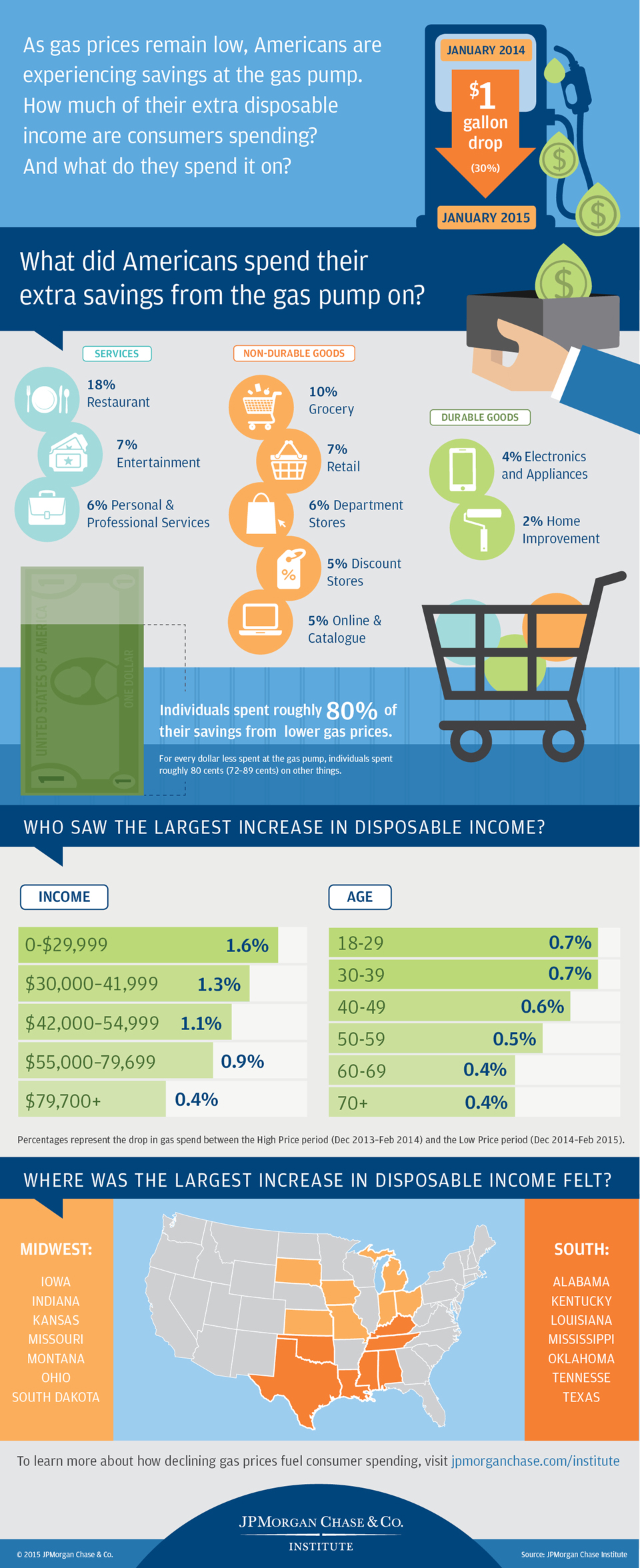

Fuel costs are a key component of inflation because they influence a wide range of economic activities. When gasoline prices rise, transportation costs increase, which in turn raises the cost of goods and services. This effect is particularly strong in sectors such as logistics, retail, and manufacturing.
In recent data trends, energy has been one of the most volatile components of the Consumer Price Index (CPI). While other categories may stabilize, energy price spikes can quickly push overall inflation higher. This makes it difficult for policymakers to maintain consistent progress toward inflation targets.
For consumers, higher fuel prices reduce disposable income. Households must spend more on essentials, leaving less for discretionary spending. This can slow economic growth while simultaneously keeping inflation elevated—a challenging combination for the economy.
The Federal Reserve’s Challenge: Delaying Rate Cuts?
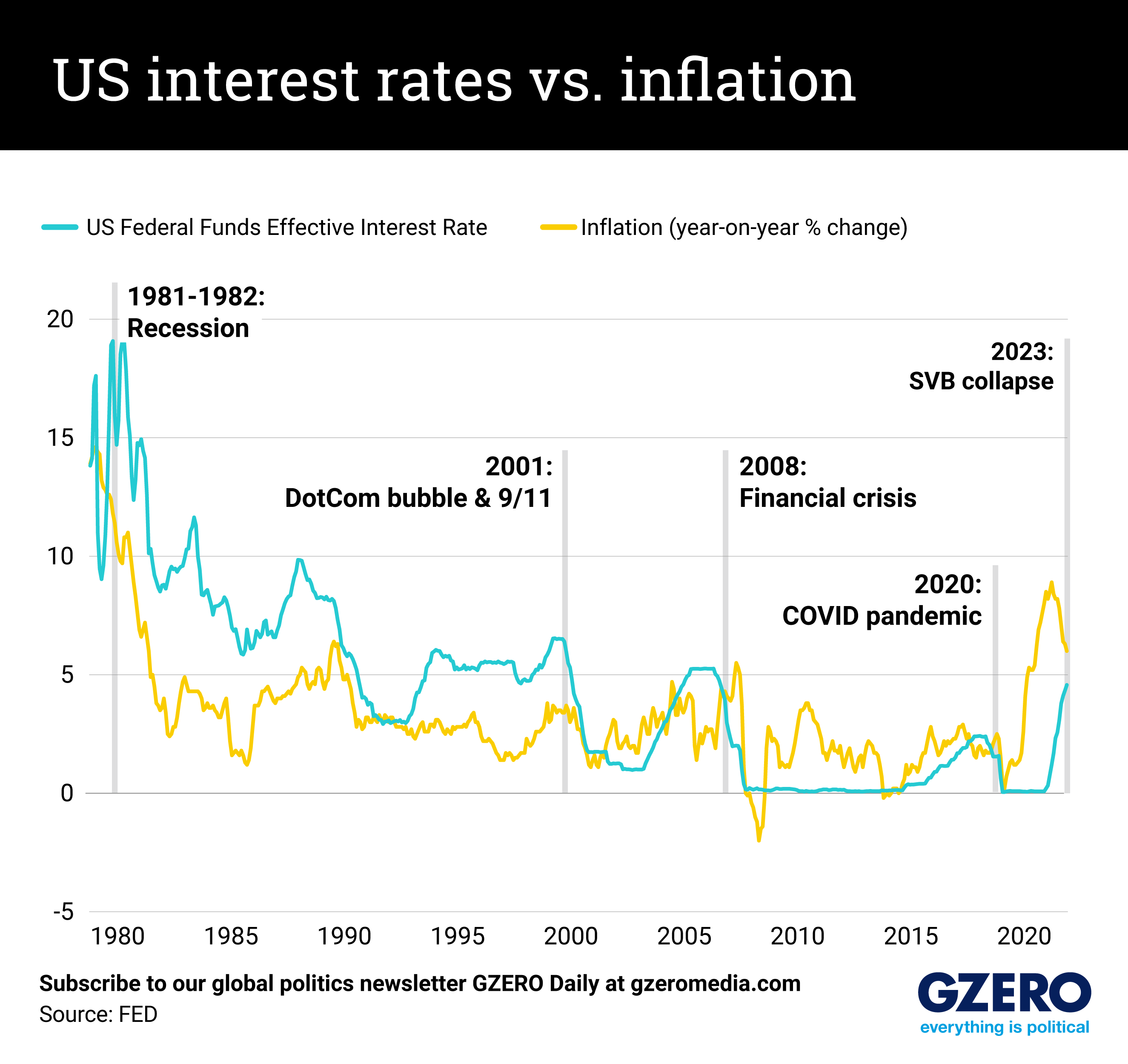

The Federal Reserve System faces a difficult decision in this environment. After aggressively raising interest rates to combat inflation, the central bank had signaled the possibility of rate cuts as inflation showed signs of easing. However, rising fuel costs complicate this outlook.
If energy-driven inflation persists, the Fed may be forced to delay rate cuts to prevent inflation from accelerating again. This would keep borrowing costs higher for longer, affecting mortgages, business loans, and consumer credit.
At the same time, maintaining high interest rates carries risks. It can slow economic growth and increase the likelihood of a recession. The Fed must balance these competing pressures, making policy decisions more complex than ever.
Market and Economic Outlook for 2026
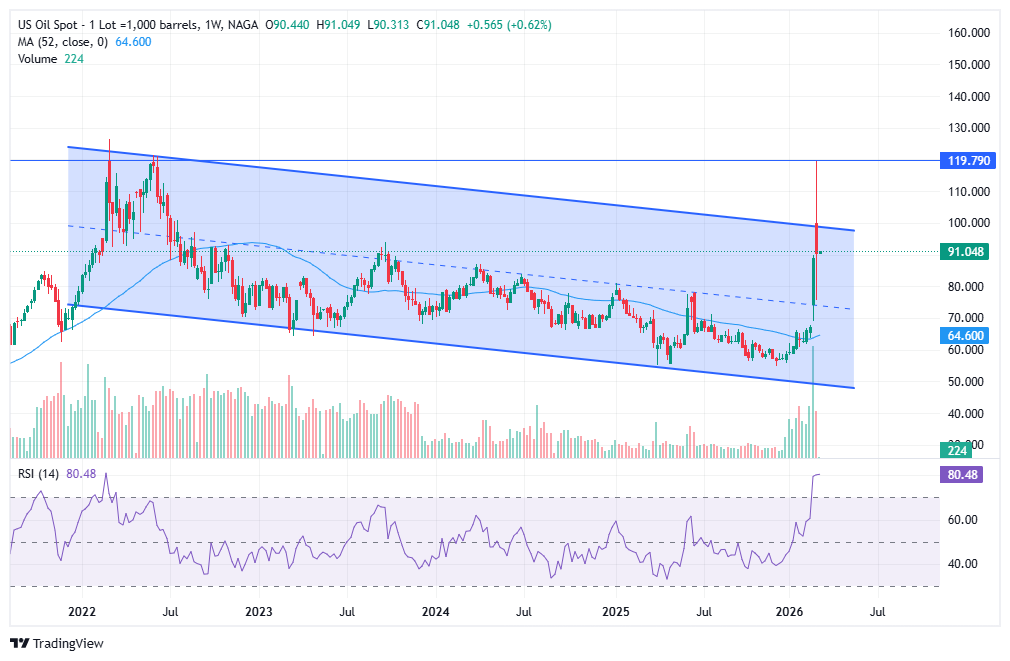

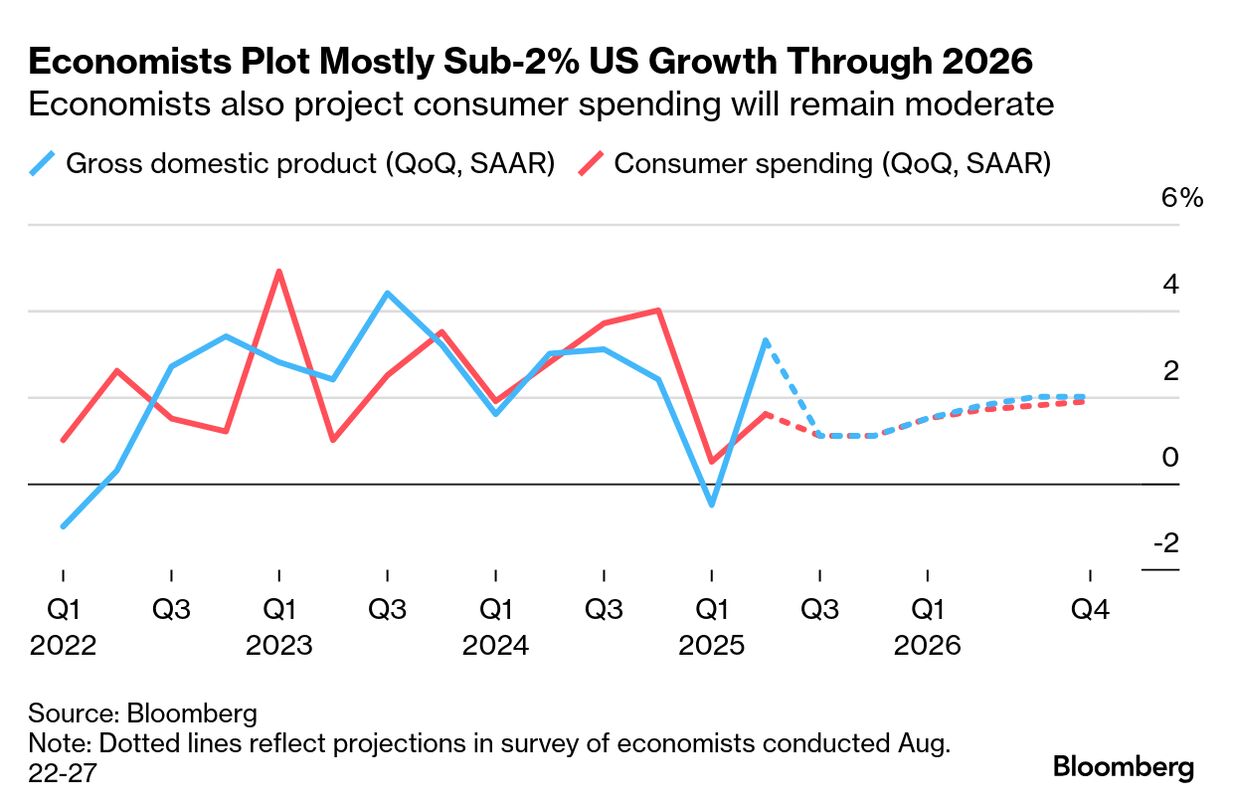
Looking ahead, the trajectory of gas prices and geopolitical developments will play a crucial role in shaping the economic outlook for 2026. If tensions ease and supply stabilizes, energy prices could decline, providing relief for inflation.
However, if geopolitical risks persist or escalate, oil prices could remain elevated or rise further. This would keep inflation pressures high and delay any potential easing of monetary policy. Markets are already reflecting this uncertainty, with increased volatility across asset classes.
Investors are closely watching energy markets, central bank signals, and geopolitical developments to assess future risks. Sectors such as energy may benefit from higher prices, while interest rate-sensitive sectors could face continued pressure.
What This Means for Consumers, Businesses, and Investors



For consumers, rising gas prices mean higher daily expenses and increased financial strain. Budgeting becomes more important as households adjust to higher costs for transportation and goods.
Businesses must navigate higher operating costs, particularly in industries that rely heavily on transportation. Companies may need to adjust pricing strategies, optimize supply chains, or invest in efficiency improvements to maintain profitability.
Investors, meanwhile, are focusing on strategies that can perform well in an inflationary environment. Energy stocks, commodities, and inflation-protected assets are gaining attention as potential hedges against rising prices.
A Critical Moment for Inflation and Economic Stability
The return of gas prices near $4, combined with rising tensions involving Iran, highlights the fragile balance of the global energy market and its impact on the U.S. economy. As inflation risks resurface, the path forward for monetary policy becomes increasingly uncertain.
The coming months will be crucial in determining whether inflation stabilizes or reaccelerates. For the United States, the ability to manage energy costs, navigate geopolitical risks, and maintain economic stability will shape the outlook for 2026 and beyond.
Understanding these dynamics is essential for consumers, businesses, and investors alike as they prepare for a potentially volatile economic environment.
Subscribe to trusted news sites like USnewsSphere.com for continuous updates.