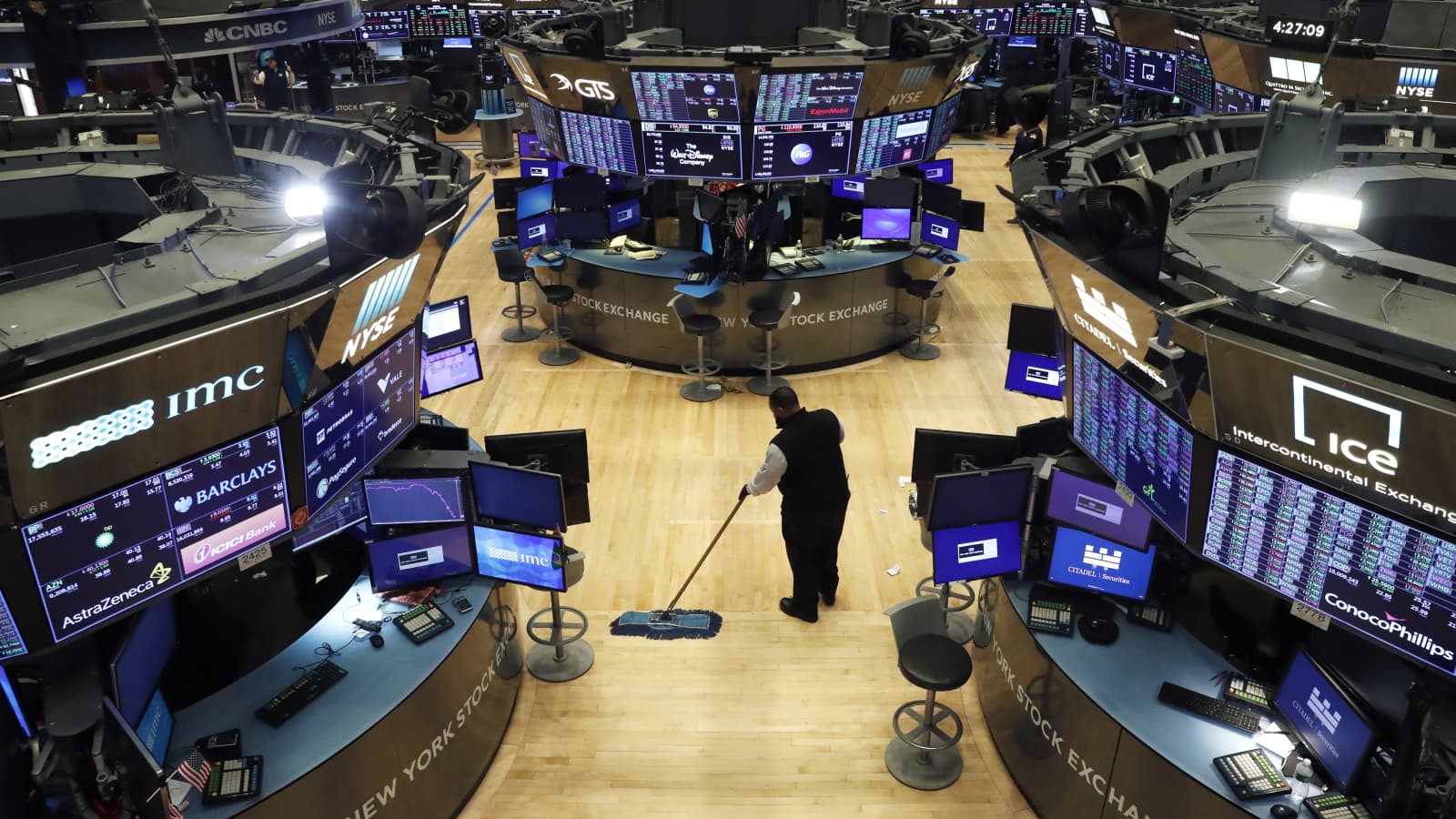
Wall Street Volatility Surges: Dow, S&P 500, and Nasdaq React to Rising Oil Prices and Middle East Tensions as global markets absorb the economic implications of escalating geopolitical conflict and rising energy prices. Over the past several days, investors across the United States have witnessed sudden swings in major stock indexes as concerns about inflation, energy supply disruptions, and global economic stability return to the forefront of financial markets.
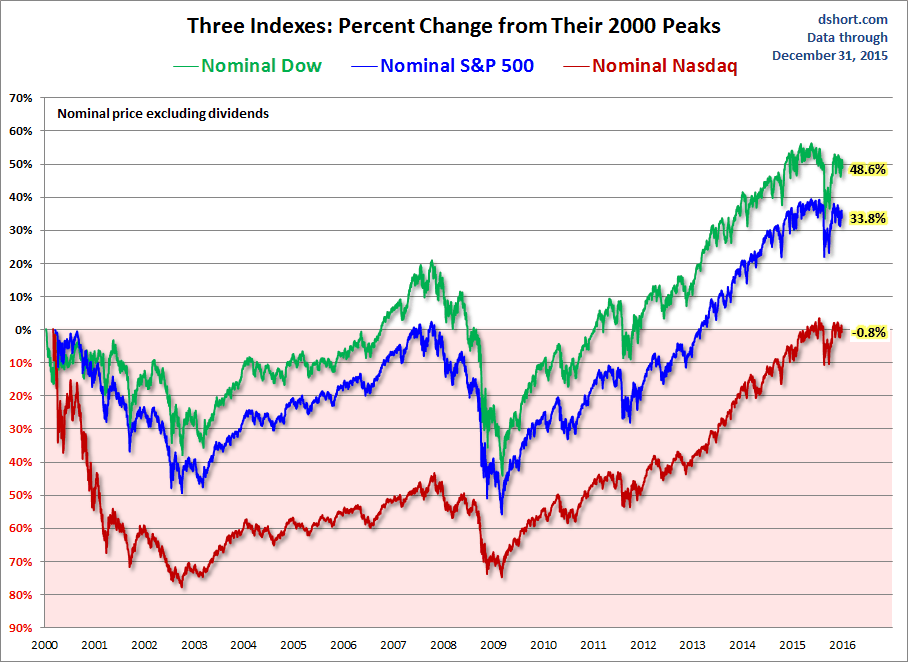
The Dow Jones Industrial Average, S&P 500, and Nasdaq Composite have all experienced heightened volatility as traders evaluate how geopolitical risks could reshape the global economic outlook. Rising oil prices, which are closely linked to the Middle East conflict, are now influencing inflation expectations, corporate earnings projections, and Federal Reserve policy expectations. These interconnected forces have made financial markets particularly sensitive to headlines and geopolitical developments.
For investors and policymakers alike, the current market environment illustrates how rapidly global events can ripple through financial markets. What begins as a geopolitical conflict can quickly translate into rising commodity prices, shifting interest rate expectations, and changing investment strategies.
Rising Oil Prices Become the Main Driver of Market Volatility
One of the most significant factors influencing Wall Street’s recent volatility is the sharp rise in oil prices. Energy markets are highly sensitive to geopolitical instability in the Middle East because the region plays a critical role in global oil production and transportation. A significant portion of the world’s crude oil supply travels through key shipping routes such as the Strait of Hormuz, making the region essential for global energy markets.
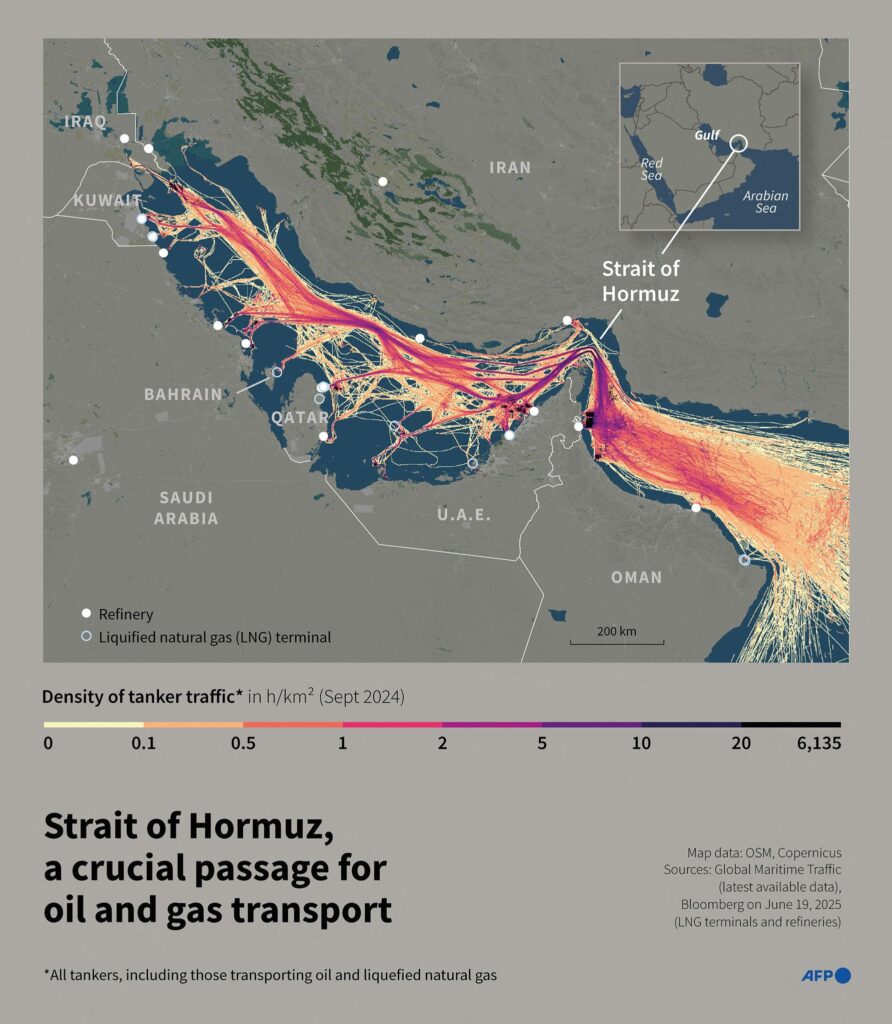
As tensions intensified in the region, oil traders began pricing in the risk of supply disruptions. Brent crude prices moved higher as investors anticipated the possibility of restricted shipments or increased security risks for tankers traveling through the Persian Gulf. Rising energy costs quickly spread through financial markets because oil prices directly affect transportation, manufacturing, and consumer spending.
Higher oil prices also raise concerns about inflation. Energy is one of the most visible components of inflation because consumers encounter it daily through gasoline prices and household energy bills. When oil prices climb sharply, investors begin to reassess whether inflation could remain elevated for longer than previously expected.
Dow, S&P 500, and Nasdaq React to Global Uncertainty
Major U.S. stock indexes have responded to the shifting economic landscape with notable fluctuations. The Dow Jones Industrial Average, which includes many large multinational companies, has experienced swings as investors evaluate the impact of higher energy costs on corporate profitability. Companies that rely heavily on transportation or manufacturing inputs may face increased expenses if oil prices continue rising.
The S&P 500, often viewed as the broadest measure of the U.S. stock market, has also shown increased volatility. While some sectors have struggled amid inflation fears, others have benefited from rising energy prices. Energy companies, for example, often see stronger revenue during periods of high oil prices, which can help offset losses in other sectors.
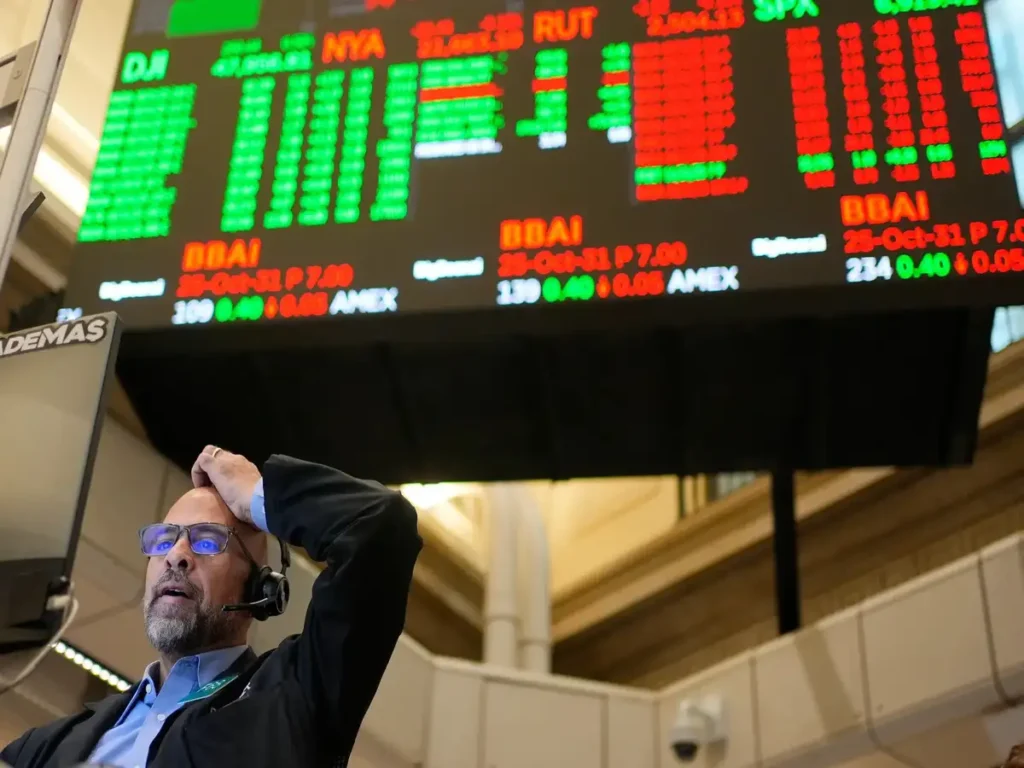
Meanwhile, the Nasdaq Composite — which is heavily weighted toward technology companies — has reacted particularly strongly to changes in interest rate expectations. Technology stocks tend to be sensitive to interest rates because their valuations are based on future earnings growth. When investors expect higher interest rates or persistent inflation, technology stocks can experience larger price swings.
Federal Reserve Policy Expectations Add Another Layer of Uncertainty
In addition to geopolitical tensions and rising oil prices, investors are closely watching signals from the Federal Reserve. Monetary policy plays a crucial role in shaping financial markets because interest rate decisions influence borrowing costs, investment flows, and economic growth.
Earlier in the year, many market participants expected the Federal Reserve to begin lowering interest rates as inflation gradually cooled. However, the recent surge in oil prices has complicated that outlook. If energy costs continue rising, inflation could remain above the Fed’s target longer than anticipated.
This scenario creates a difficult policy dilemma for central bankers. Cutting interest rates too soon could risk fueling inflation, while keeping rates high for longer could slow economic growth. As a result, traders are closely monitoring economic data and Federal Reserve commentary to understand how policymakers may respond to the evolving situation.
The bond market has already begun adjusting to these uncertainties. Treasury yields, which reflect expectations for inflation and interest rates, have fluctuated as investors reassess the path of future monetary policy.
Wall Street Volatility Surges: Sector Winners and Losers in a Volatile Market
Periods of market volatility rarely affect all sectors equally. Instead, certain industries tend to benefit while others face increased challenges. The recent surge in oil prices has created clear winners and losers across the U.S. stock market.
Energy companies have generally been among the strongest performers because higher oil prices translate directly into higher revenues. Oil producers, drilling companies, and energy infrastructure firms often experience increased demand when energy prices rise.
In contrast, industries that rely heavily on fuel and transportation costs may face pressure. Airlines, logistics companies, and manufacturing firms often see their operating expenses increase when oil prices climb. This dynamic can affect earnings forecasts and investor sentiment.
Technology companies have also experienced volatility due to shifting interest rate expectations. Because many tech firms rely on future growth projections, their valuations can be particularly sensitive to changes in inflation and interest rate outlooks.

Global Economic Risks Investors Are Watching
The current market volatility highlights several broader economic risks that investors are closely monitoring. One major concern is the possibility that prolonged geopolitical tensions could disrupt global trade routes and energy supply chains. Such disruptions could lead to higher prices for commodities and manufactured goods, placing additional pressure on inflation.
Another risk involves the potential for slower global economic growth. If higher energy costs reduce consumer spending and business investment, economic activity could weaken in multiple regions simultaneously. This possibility has prompted some economists to warn about the potential for stagflation — a scenario characterized by high inflation and sluggish economic growth.
Investors are also paying attention to how other central banks around the world respond to these challenges. Monetary policy decisions in Europe, Asia, and emerging markets can influence currency movements, capital flows, and international trade dynamics.
Market Outlook: What Could Happen Next
Looking ahead, the trajectory of financial markets will likely depend on several key developments. One of the most important factors is the evolution of geopolitical tensions in the Middle East. Any signs of escalation could further disrupt energy markets and increase uncertainty for investors.
Oil prices will remain a critical indicator of inflation risks. If energy prices stabilize or decline, markets may regain confidence that inflation will continue trending downward. However, sustained increases in oil prices could force investors to reassess the economic outlook.
Economic data releases will also play a major role in shaping market expectations. Reports on inflation, employment, and consumer spending provide insight into the health of the U.S. economy and influence how investors interpret Federal Reserve policy signals.
For long-term investors, periods of volatility can also create opportunities. Market fluctuations often lead to shifts in sector leadership and investment strategies as participants adjust to changing economic conditions.
Conclusion
The recent surge in Wall Street volatility underscores the complex relationship between geopolitics, energy markets, and financial systems. Rising oil prices and escalating Middle East tensions have introduced new uncertainty into the global economic outlook, causing sharp movements in the Dow, S&P 500, and Nasdaq.
While some sectors benefit from higher energy prices, others face challenges due to increased costs and shifting interest rate expectations. At the same time, the Federal Reserve must navigate a delicate balance between controlling inflation and supporting economic growth.
For investors, understanding these interconnected forces is essential for interpreting market movements and making informed decisions. As geopolitical developments continue to unfold and economic data evolves, financial markets are likely to remain sensitive to new information and changing expectations.
Subscribe to trusted news sites like USnewsSphere.com for continuous updates.