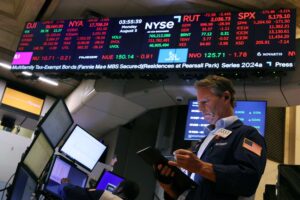
Fed Under Pressure in 2026: How Legal Shocks, War Risks, and Market Volatility Are Changing Policy Outlook is no longer just a headline—it reflects one of the most complex and uncertain economic environments the United States has faced in recent years. As inflation proves sticky, geopolitical tensions intensify, and legal challenges reshape corporate America, the Federal Reserve is navigating a landscape filled with unprecedented risks.
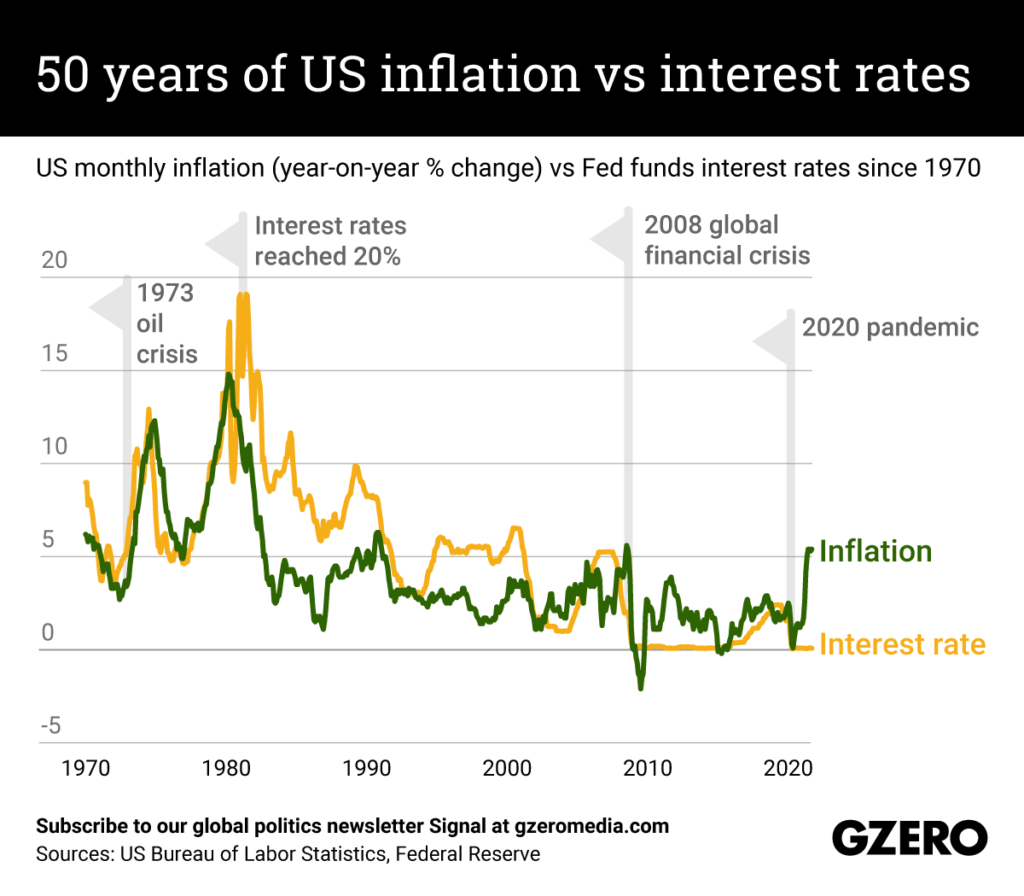
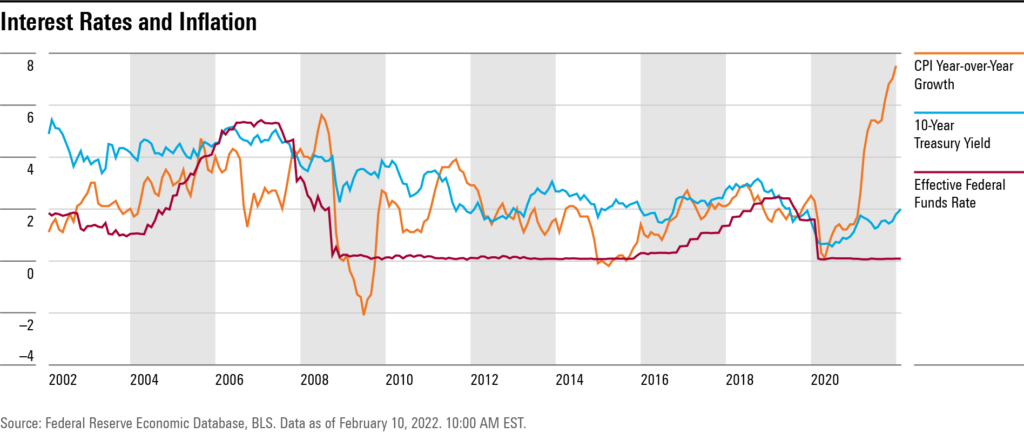
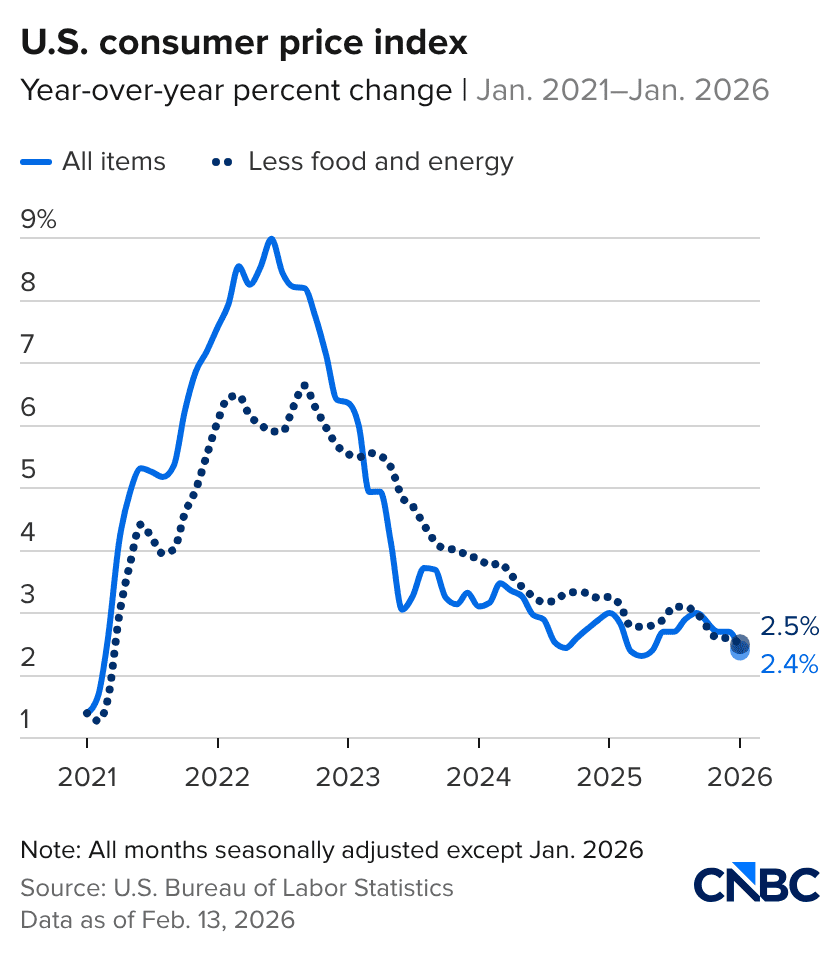
Recent data from early 2026 shows that inflation remains above the Fed’s long-term 2% target, hovering between 3.1% and 3.6%, while GDP growth has slowed to an annualized rate of around 1.8%. At the same time, financial markets are reacting sharply to global instability, creating a situation where policymakers must balance economic stability with market confidence.
The Federal Reserve’s Policy Dilemma in 2026
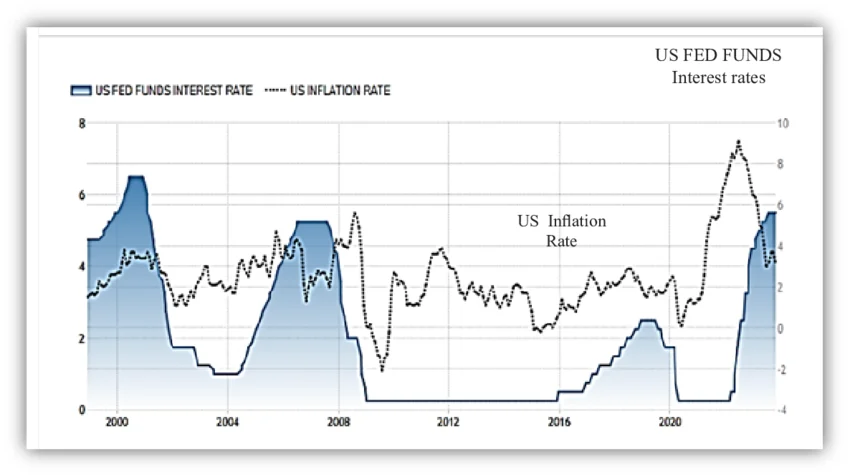
The Federal Reserve entered 2026 expecting a gradual normalization of interest rates after aggressive tightening in previous years. However, the economic reality has proven far more complicated.
On one side, inflation pressures remain persistent due to supply chain disruptions, rising energy costs, and wage growth. On the other side, economic growth is weakening, with sectors like housing and manufacturing showing signs of slowdown.
This has created a classic policy dilemma:
- Raising rates further could control inflation, but risk pushing the economy into recession.
- Cutting rates too early could reignite inflation and destabilize long-term expectations.
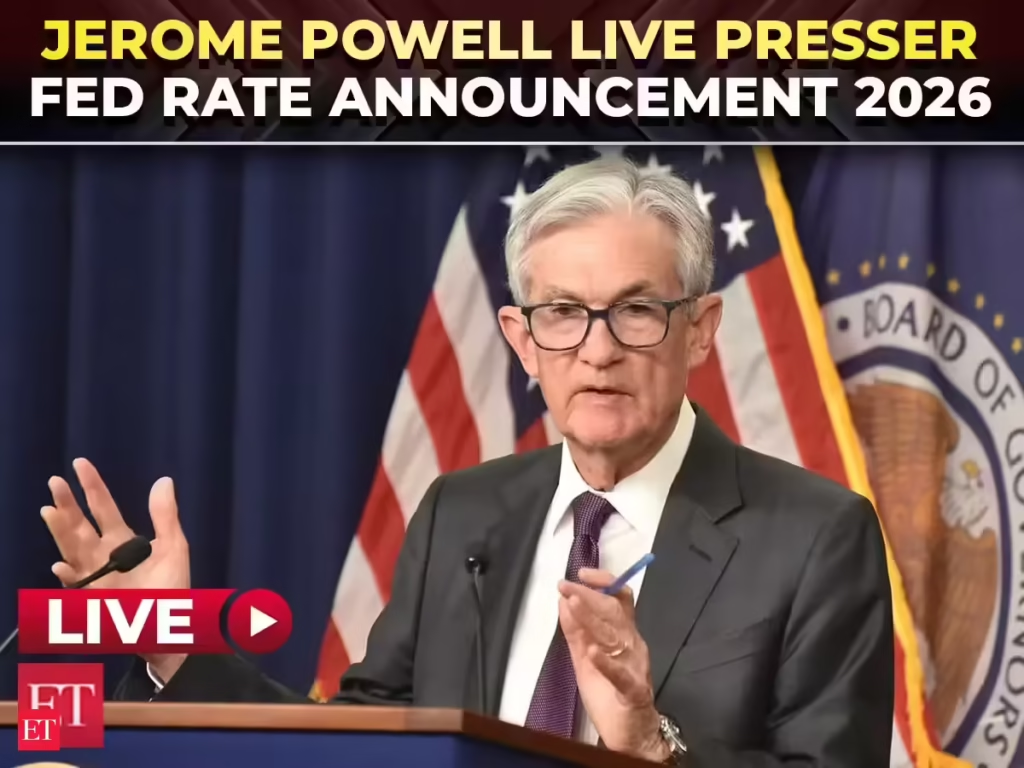
Recent Federal Open Market Committee (FOMC) minutes indicate a growing divide among policymakers. Some officials favor maintaining higher rates for longer, while others advocate for cautious easing to prevent economic contraction.
The result is a more reactive and less predictable Fed—something markets historically struggle to price in.
Fed Under Pressure, Legal Shocks Reshaping Market Stability
One of the most unexpected pressures on the Fed in 2026 is the wave of legal challenges impacting major corporations and industries.
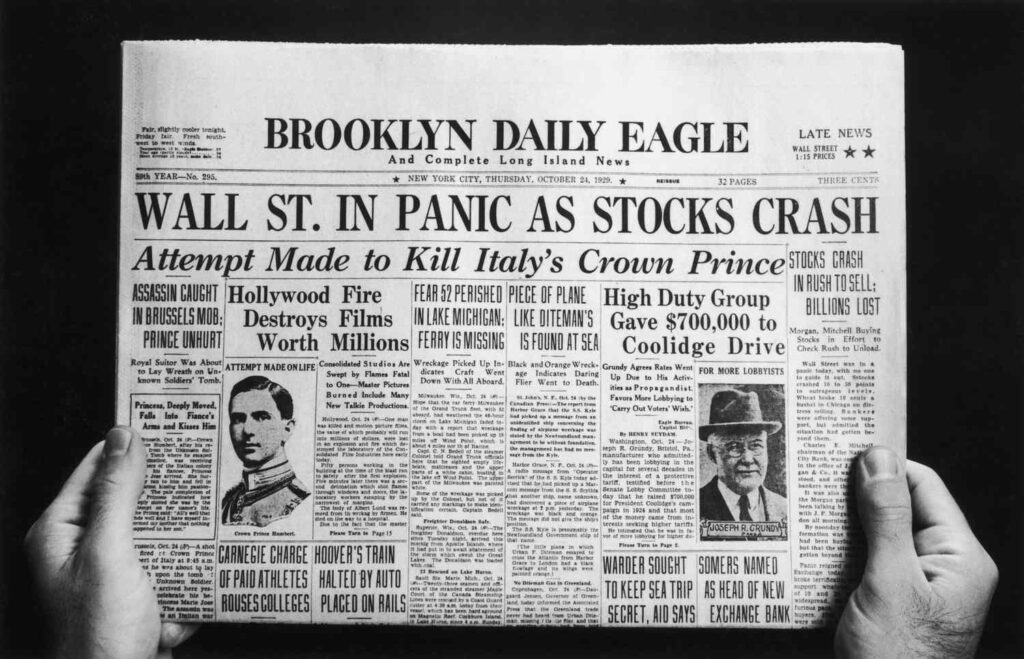
High-profile lawsuits involving big tech firms, financial institutions, and regulatory bodies have wiped out billions in market value within days. In some cases, companies have lost over $100 billion in market capitalization following adverse rulings or settlements.
These legal shocks have several key impacts:
- Increased volatility in equity markets
- Reduced investor confidence
- Sudden liquidity shifts across sectors
For the Federal Reserve, this creates an additional layer of complexity. While legal events are outside its control, their economic consequences are very real.
When markets experience sudden declines due to legal risks, the Fed may be forced to intervene indirectly by adjusting liquidity conditions or signaling policy shifts to stabilize investor sentiment.
This dynamic is relatively new and represents a structural change in how financial risks interact with monetary policy.
Rising War Risks and Global Economic Uncertainty
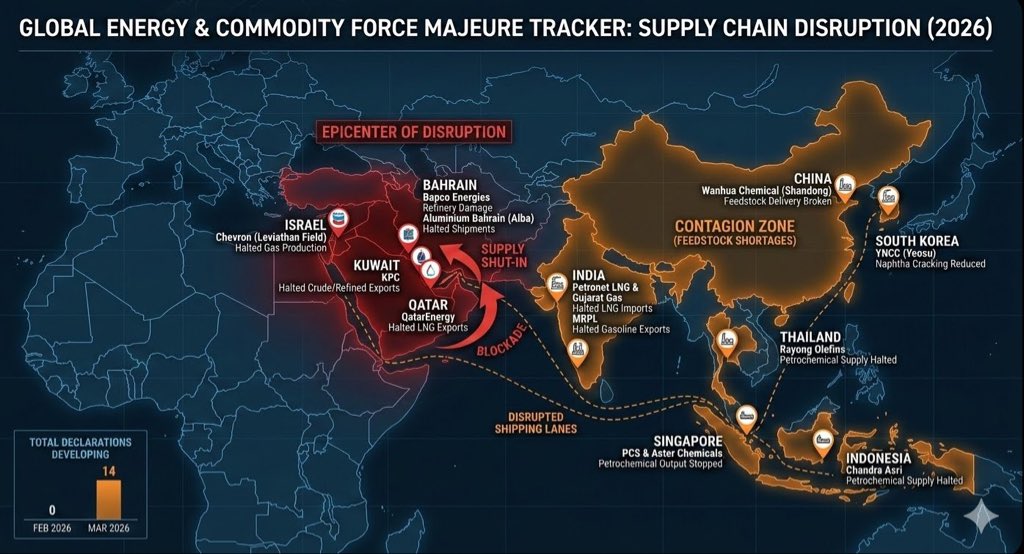
Geopolitical tensions have become a central driver of economic uncertainty in 2026. Conflicts in key regions—including the Middle East and Eastern Europe—are affecting global trade, energy prices, and investor behavior.
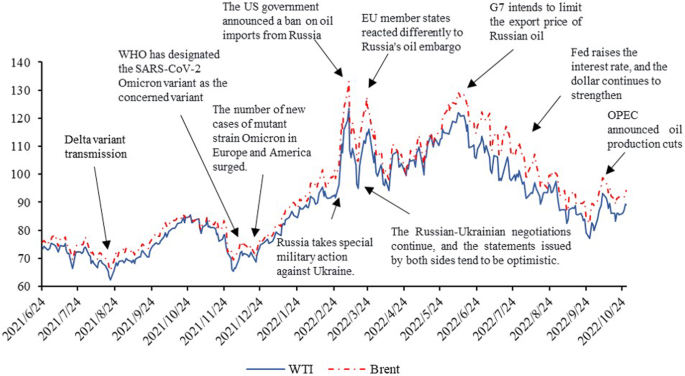
Oil prices have shown extreme volatility, fluctuating between $85 and $120 per barrel within short periods. These swings directly impact inflation, making it harder for the Fed to maintain price stability.
Additionally, war risks are causing:
- Increased defense spending by governments
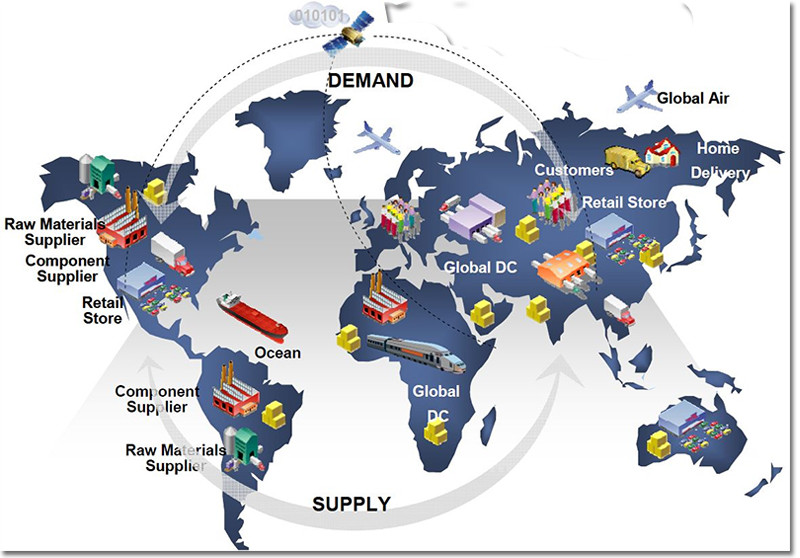
- Disruptions in shipping routes and supply chains
- Safe-haven flows into assets like gold and U.S. Treasuries
For the Federal Reserve, geopolitical instability limits the effectiveness of traditional monetary tools. Interest rate adjustments cannot directly address supply-side shocks caused by conflict.
As a result, policymakers must rely more on forward guidance and communication strategies to manage expectations in an increasingly unpredictable global environment.
Market Volatility and Investor Sentiment Shifts
Financial markets in 2026 are experiencing heightened volatility across multiple asset classes.
The S&P 500 has seen several sharp corrections, with swings of 5% to 8% occurring within weeks. Meanwhile, bond yields have remained elevated, reflecting uncertainty about future Fed policy.
Key drivers of market volatility include:
- Unclear interest rate trajectory
- Earnings uncertainty due to legal and geopolitical risks
- Changing liquidity conditions
Investor sentiment has also shifted significantly. Institutional investors are increasingly adopting defensive strategies, including higher cash allocations and diversification into alternative assets.
Retail investors, meanwhile, are showing signs of caution after experiencing repeated market swings.
For the Fed, maintaining financial stability has become just as important as controlling inflation. Sudden market disruptions can have real economic consequences, including reduced consumer spending and tighter credit conditions.
Expert Insights and Policy Outlook for the Rest of 2026
Leading economists and market analysts are divided on the Fed’s next moves.
Some experts believe the Fed will maintain a “higher for longer” stance, keeping interest rates elevated until inflation shows clear signs of returning to target levels. Others argue that the economic slowdown will force the Fed to begin gradual rate cuts by late 2026.
Key projections include:
- Interest rates remained between 5.25% and 5.75% for most of the year
- Inflation is gradually declining but staying above 2%
- Continued market volatility driven by external shocks
Former policymakers and economists have also emphasized the importance of flexibility. In an environment shaped by legal risks and geopolitical tensions, rigid policy frameworks may no longer be effective.
Instead, the Fed is likely to adopt a more adaptive approach, responding quickly to new developments rather than following a fixed policy path.
What This Means for Investors and the Global Economy
The evolving policy landscape has significant implications for investors, businesses, and governments worldwide.
For investors, the key takeaway is the importance of risk management. Diversification, liquidity, and long-term strategies are becoming more critical in a volatile environment.
For businesses, higher borrowing costs and uncertain demand conditions require careful financial planning. Companies with strong balance sheets and adaptable strategies are likely to outperform.
On a global scale, the Fed’s decisions continue to influence currency markets, capital flows, and economic stability in emerging markets.
A stronger U.S. dollar, driven by higher interest rates, can create challenges for countries with dollar-denominated debt, adding another layer of complexity to the global economic outlook.
A New Era of Monetary Policy Complexity
The Federal Reserve in 2026 is operating in one of the most challenging environments in modern economic history. Legal shocks, war risks, and persistent market volatility are reshaping the traditional boundaries of monetary policy.
Unlike previous cycles, the Fed is no longer dealing with isolated economic variables. Instead, it must navigate a web of interconnected risks that extend beyond inflation and employment.
This shift marks the beginning of a new era in central banking—one defined by uncertainty, adaptability, and the need for constant recalibration.
For investors and policymakers alike, understanding these dynamics is essential to navigating the road ahead.
Subscribe to trusted news sites like USnewsSphere.com for continuous updates.