
The Corebridge–Equitable merger talks are rapidly emerging as one of the biggest financial sector developments of 2026, with discussions centered around creating a combined insurer valued at approximately $22 billion. This potential deal between Corebridge Financial and Equitable Holdings signals a major shift in the U.S. life insurance and retirement services industry, as companies race to scale, cut costs, and compete more aggressively in a high-rate environment.
A Transformational Deal That Could Reshape the Insurance Industry


The proposed merger is being described as “transformational” because of its potential to create one of the largest providers of retirement solutions, annuities, and life insurance in the United States. Corebridge Financial, which was spun off from American International Group, has been actively strengthening its balance sheet and expanding its retirement services footprint.
Equitable Holdings, on the other hand, has built a strong reputation in wealth management and insurance products, particularly through its advisory network and asset management capabilities. By combining forces, the two companies aim to create a more diversified financial powerhouse capable of competing with giants like MetLife and Prudential Financial.
The merged entity would bring together complementary strengths: Corebridge’s scale in annuities and retirement solutions, and Equitable’s strong distribution and advisory network. This strategic alignment is expected to unlock both revenue growth and cost efficiencies.
Why This Merger Is Happening Now

Several macroeconomic and industry-specific factors are driving this deal.
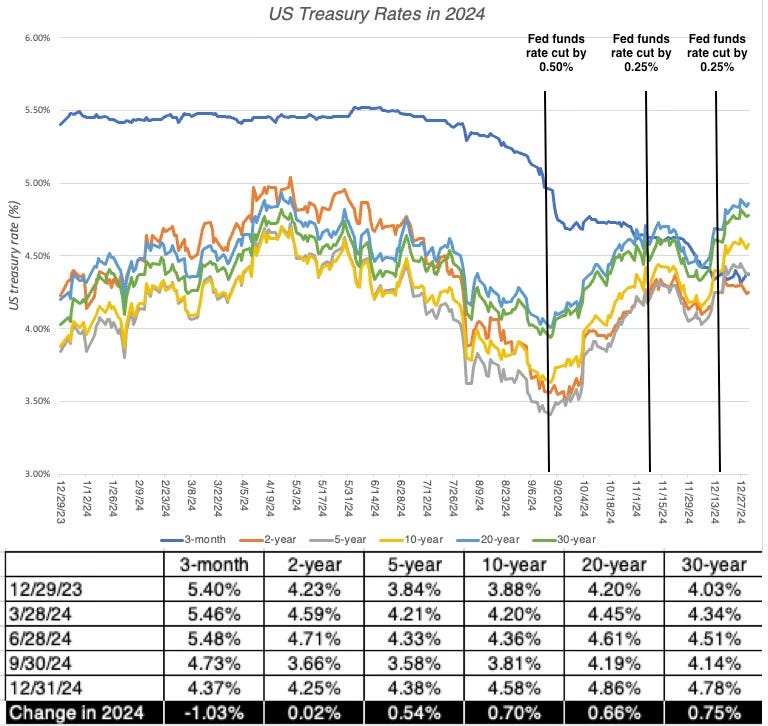
First, higher interest rates in recent years have improved profitability for insurers, particularly those offering annuities. Rising yields allow companies to generate better returns on their investment portfolios, making scale more valuable than ever.
Second, the aging U.S. population is fueling demand for retirement income products. Millions of Americans are entering retirement age, creating a long-term growth opportunity for companies that can provide annuities, pension-like solutions, and financial planning services.
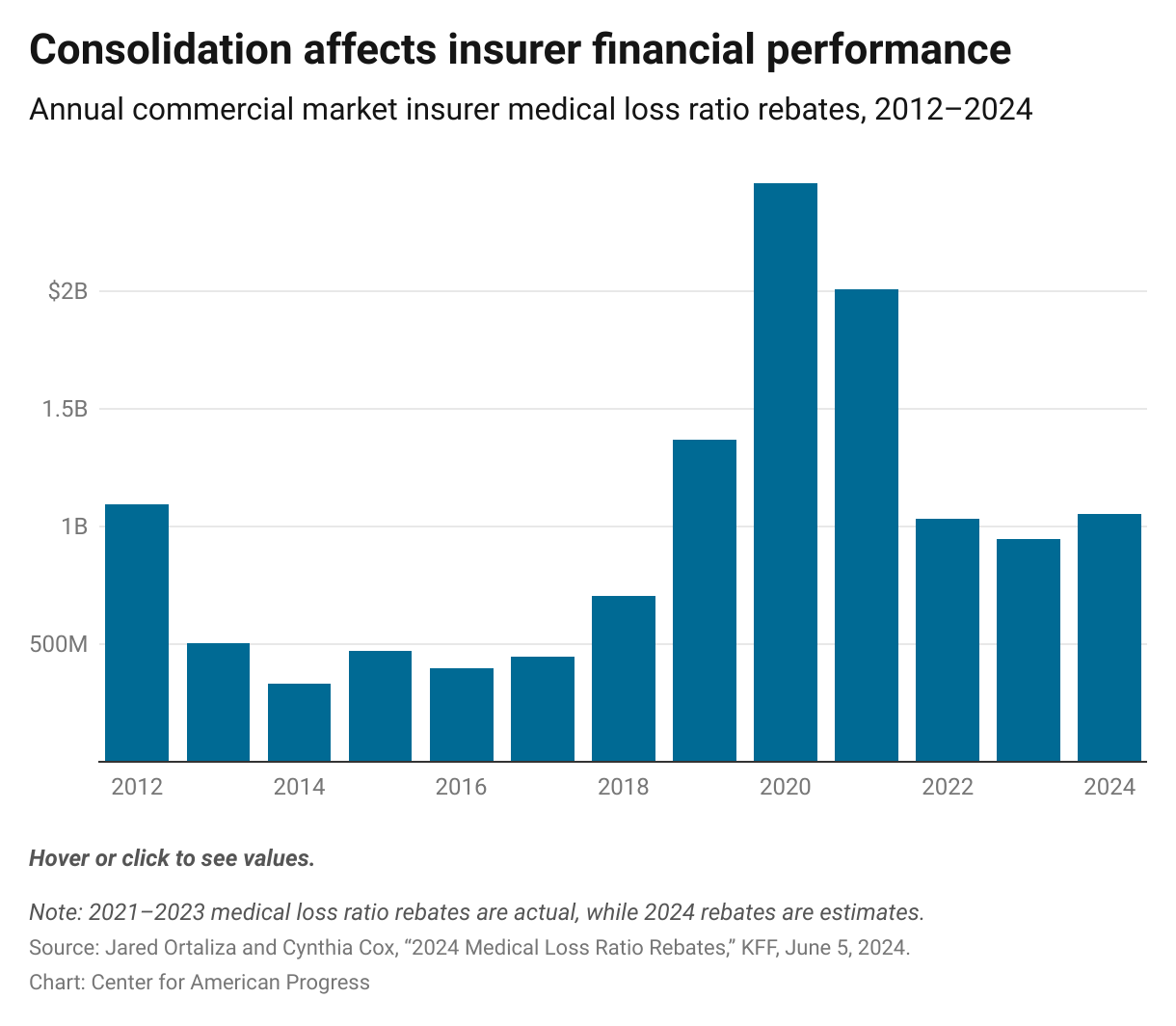
Third, consolidation is becoming a dominant trend in the insurance sector. Larger firms benefit from economies of scale, lower operating costs, and stronger bargaining power. This merger reflects a broader shift where mid-sized players are joining forces to compete globally.
Finally, digital transformation and regulatory pressures are increasing costs. By merging, Corebridge and Equitable can invest more efficiently in technology, compliance, and customer experience.
Financial Details and Strategic Structure of the Deal


The combined entity is expected to be valued at approximately $22 billion, making it one of the largest deals in the insurance space in recent years. While final deal terms are still being negotiated, early reports suggest a stock-based transaction structure.
This means shareholders of both companies would receive shares in the newly formed entity, aligning incentives and reducing immediate cash outflows. Such structures are common in large mergers, particularly when both companies bring significant value to the table.
Cost synergies are expected to play a major role. Analysts estimate that the merger could deliver hundreds of millions of dollars in annual savings through:
- Streamlined operations
- Reduced overlapping functions
- Integrated technology platforms
Revenue synergies are also significant. The combined company could cross-sell products across a broader customer base, increasing lifetime customer value.
Market Reaction and Investor Sentiment

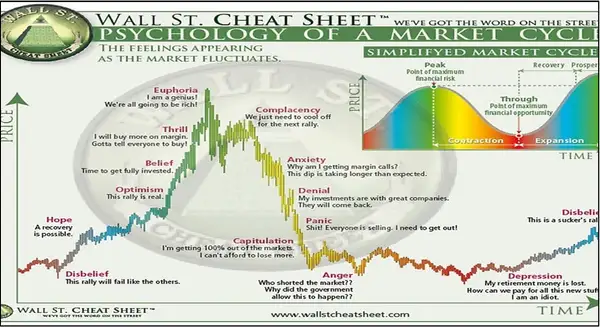

Initial market reactions have been cautiously optimistic. Investors typically view large mergers with both excitement and skepticism. On one hand, the potential for cost savings and growth is attractive. On the other hand, execution risks can weigh heavily on stock performance.
Shares of both companies have seen increased trading activity following the announcement, reflecting strong investor interest. Analysts are particularly focused on how well management teams can integrate operations and maintain customer retention.
Some experts believe the deal could set a precedent for further consolidation in the insurance sector. If successful, it may encourage similar mergers among other mid-sized financial institutions.
Key Risks and Challenges Investors Should Watch
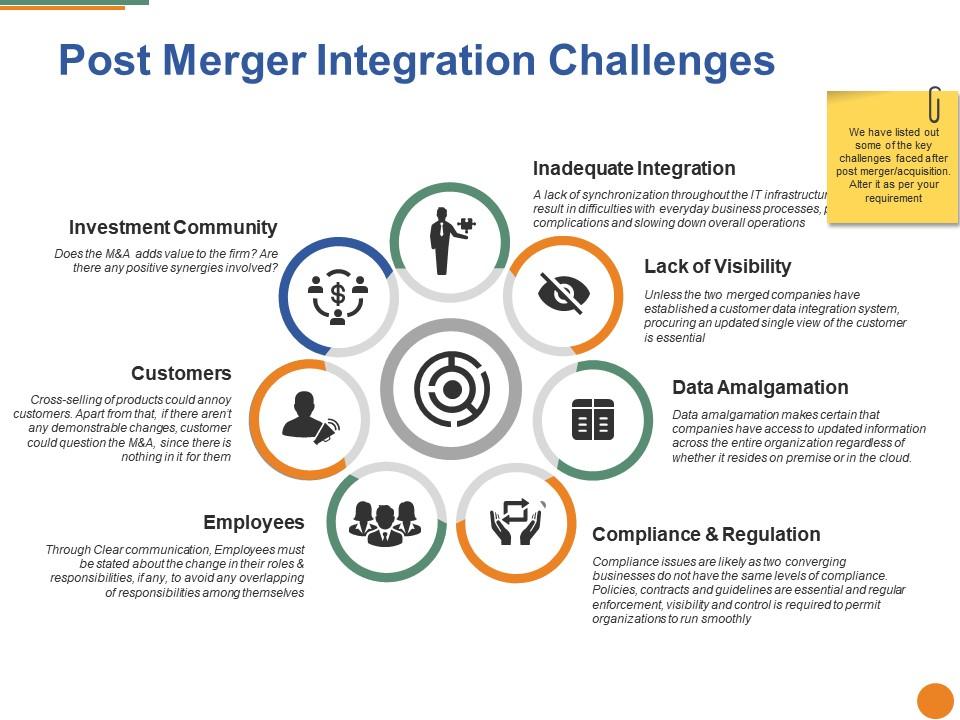

Despite the promising outlook, several risks could impact the success of the merger.
Regulatory approval is a major hurdle. Large financial deals must pass scrutiny from multiple regulators to ensure they do not harm competition or financial stability.
Integration risk is another concern. Combining two large organizations involves aligning systems, cultures, and processes. Poor execution can lead to inefficiencies and customer dissatisfaction.
There is also the risk of market volatility. Changes in interest rates, economic conditions, or financial markets could impact the profitability of the combined entity.
Finally, talent retention is critical. Key executives and advisors must remain committed to ensure continuity and long-term success.
What This Means for the Future of Insurance and Retirement Planning


If completed, the Corebridge–Equitable merger could redefine how insurance and retirement services are delivered in the United States.
The combined company would likely invest heavily in digital platforms, making it easier for customers to manage policies, plan retirement, and access financial advice. This aligns with broader industry trends toward personalization and technology-driven services.
It could also accelerate innovation in annuity products, offering more flexible and attractive options for retirees. As competition intensifies, companies will need to differentiate themselves through better products, pricing, and customer experience.
From a global perspective, this deal highlights the increasing importance of scale in financial services. Larger firms are better positioned to navigate economic uncertainty and invest in long-term growth.
Market Outlook: Could This Spark a New Wave of Mega Mergers?
The insurance industry is entering a new phase of consolidation. With rising costs, evolving customer expectations, and technological disruption, companies are under pressure to adapt quickly.
This merger could act as a catalyst for further deals, particularly among firms that lack the scale to compete independently. Analysts are already speculating that more partnerships and acquisitions could follow in the next 12–24 months.
For investors, this creates both opportunities and risks. While consolidation can drive efficiency and profitability, it also increases complexity and competition.
A Defining Moment for the Insurance Sector
The Corebridge–Equitable merger talks represent more than just a corporate deal—they signal a fundamental transformation in the insurance and financial services industry. By combining scale, expertise, and distribution capabilities, the two companies aim to create a powerful new player in a rapidly evolving market.
While challenges remain, the strategic rationale behind the merger is strong. If executed effectively, it could deliver significant value for shareholders, customers, and the broader financial ecosystem.
As the deal progresses, all eyes will be on regulatory approvals, integration plans, and early performance indicators. One thing is clear: this merger has the potential to reshape the competitive landscape for years to come.
Subscribe to trusted news sites like USnewsSphere.com for continuous updates.