White House Considers Emergency Powers to Rescue Airlines — Could Government Intervention Shake the US Economy? This question is quickly becoming one of the most important economic debates in the United States as policymakers evaluate whether extraordinary measures are needed to stabilize the airline industry amid growing financial and operational pressures.
Recent reports suggest that the White House is exploring the potential use of the Defense Production Act or similar emergency authorities to support struggling airlines. This comes at a time when rising costs, operational disruptions, and broader economic uncertainty are placing renewed stress on the aviation sector. For investors, consumers, and policymakers, the implications could extend far beyond airlines—potentially influencing inflation, market confidence, and the direction of the US economy in 2026.
Why the Airline Industry Is Under Pressure Again


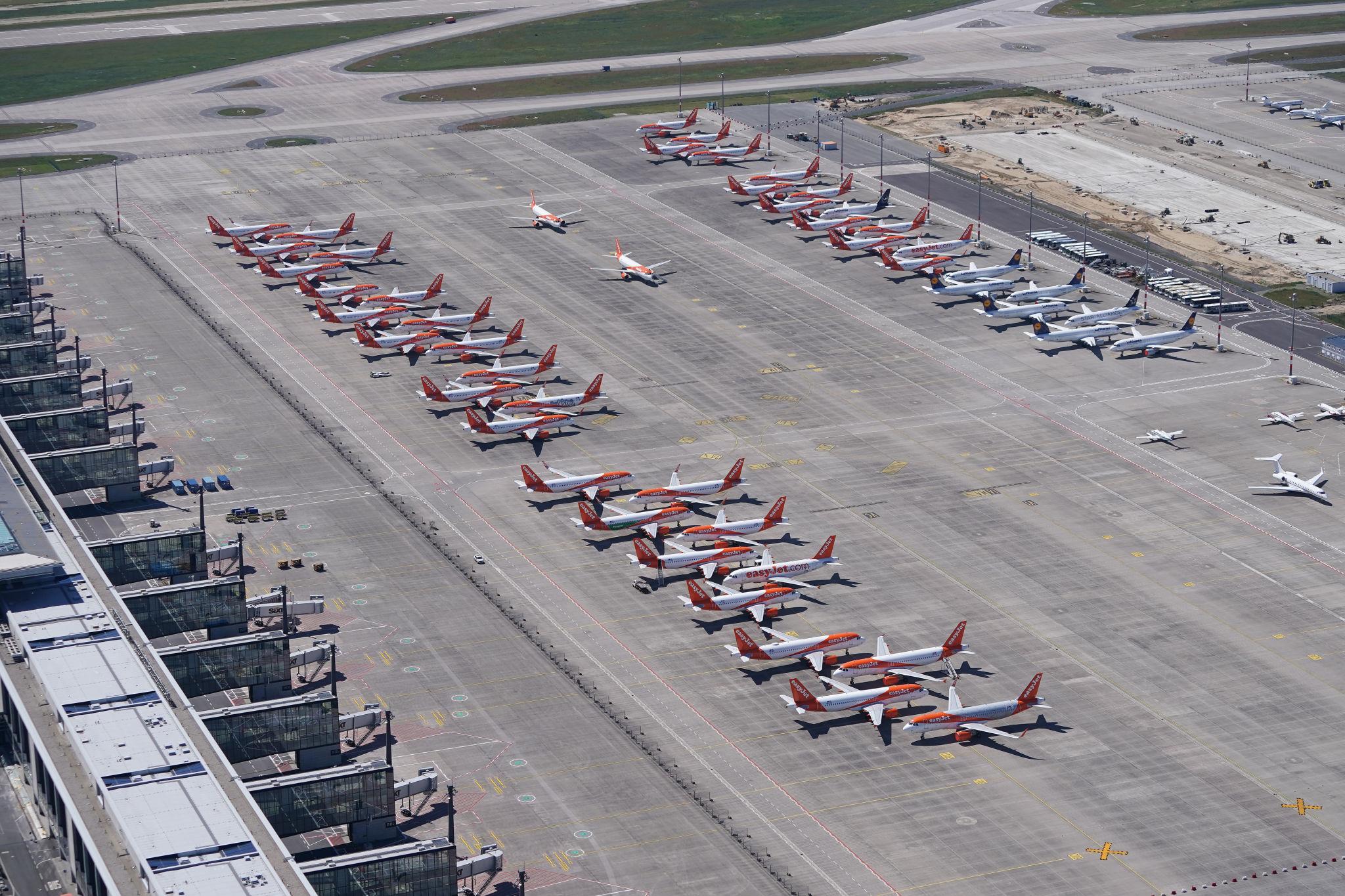
The airline industry has faced multiple waves of disruption over the past few years, and new challenges are emerging in 2026. Rising fuel prices, labor shortages, and operational inefficiencies are creating a difficult environment for carriers trying to maintain profitability.
In addition, flight disruptions, delays, and unexpected technical issues have increased operational costs. Airlines are also dealing with fluctuating demand patterns, where travel demand remains strong but unpredictable, making it harder to plan routes and manage capacity efficiently.
Companies like Spirit Airlines have been particularly affected, facing financial strain and strategic challenges. These pressures are now raising concerns that, without intervention, some airlines could struggle to remain stable.
What Emergency Powers Could Mean for Airlines


The potential use of emergency powers, such as the Defense Production Act, would allow the government to prioritize resources, direct production, or provide financial support to critical industries. While traditionally used for national security purposes, its application to airlines would signal the importance of aviation to economic stability.
Such intervention could include financial assistance, operational support, or measures to stabilize supply chains related to aviation. The goal would be to prevent disruptions that could have broader economic consequences.
However, government intervention is always a complex decision. While it can provide short-term stability, it also raises questions about long-term market dynamics and the role of government in private industries.
Potential Impact on the US Economy


The airline industry plays a significant role in the US economy, contributing to employment, tourism, and business travel. Any disruption in this sector can have ripple effects across multiple industries.
If the government intervenes, it could stabilize the sector and prevent further economic disruption. However, it could also increase public spending and influence inflation, especially if financial support is substantial.
For consumers, the outcome could affect ticket prices, travel availability, and the overall cost of living. For businesses, it could impact logistics, travel planning, and operational efficiency.
Market Reaction and Investor Sentiment
From an investment perspective, the possibility of government intervention introduces both opportunities and risks. Airline stocks may experience volatility as investors react to policy developments and financial updates.
If intervention is perceived as supportive, it could boost investor confidence and stabilize stock prices. On the other hand, concerns about long-term profitability and government involvement could create uncertainty.
Broader market sentiment may also be affected. The airline industry is closely tied to economic activity, so developments in this sector can influence overall market trends and investor outlook.
Risks and Challenges of Government Intervention


While intervention can provide immediate relief, it comes with risks. One of the main concerns is market distortion, where government support may alter competition and affect long-term industry dynamics.
There is also the question of taxpayer impact. Financial support for airlines could increase public spending, raising concerns about fiscal responsibility and long-term economic effects.
Additionally, intervention may not address underlying structural issues within the industry. Without reforms, challenges such as operational inefficiencies and cost pressures could persist.
Future Outlook: What Happens Next for Airlines and the Economy


Looking ahead, the future of the airline industry will depend on how effectively it adapts to current challenges. Innovation, cost management, and strategic planning will be key factors in determining long-term success.
Government policies will also play a crucial role. Whether through direct intervention or regulatory changes, the decisions made now will shape the industry’s trajectory for years to come.
For the broader economy, the outcome will influence growth, employment, and consumer confidence. As one of the most interconnected industries, aviation will continue to be a key indicator of economic health.
A Critical Moment for US Economic Policy
The possibility of emergency intervention in the airline industry highlights the complex relationship between government policy and economic stability. While such measures can provide short-term support, they also raise important questions about long-term impact and market dynamics.
For consumers, businesses, and investors, staying informed about these developments is essential. The decisions made in 2026 could have lasting effects on the US economy and global markets.
As the situation evolves, understanding the balance between stability and independence will be key to navigating the future of the airline industry and the broader economic landscape.
Subscribe to trusted news sites like USnewsSphere.com for continuous updates.