US Panics! GDP Crashes 68%! US Debt Growing Faster than GDP. IMF Warns: Debt to Cross 140% of GDP
Shocking Economic Signals: Why the U.S. Is Facing a Debt and GDP Crisis
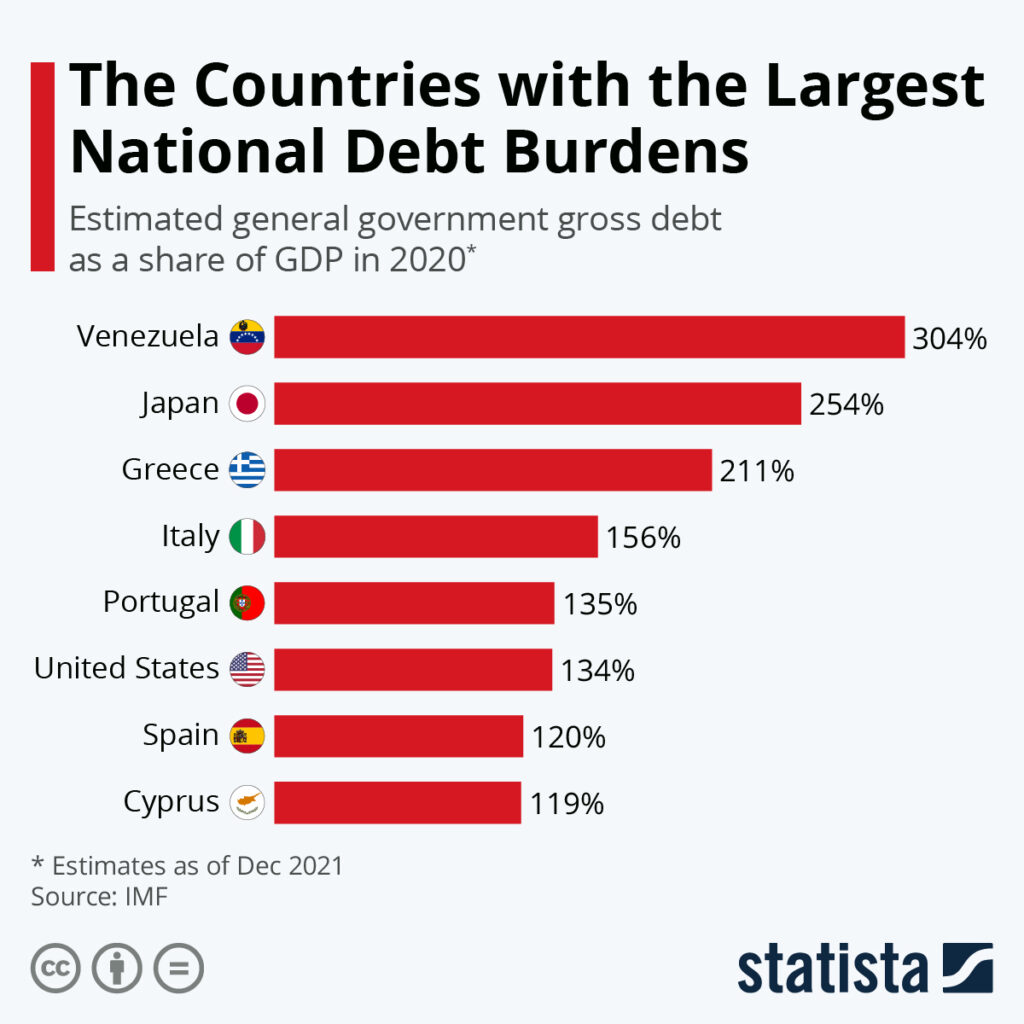
The United States is experiencing a growing economic storm that is capturing global attention: government debt is climbing faster than economic output, and leading authorities, including the International Monetary Fund (IMF), are openly warning about the long-term risks to U.S. fiscal stability. Headlines worldwide are proclaiming that the U.S. may soon see debt levels soar past 140 % of gross domestic product (GDP) — a threshold that historically signals serious concern for financial markets and public confidence.
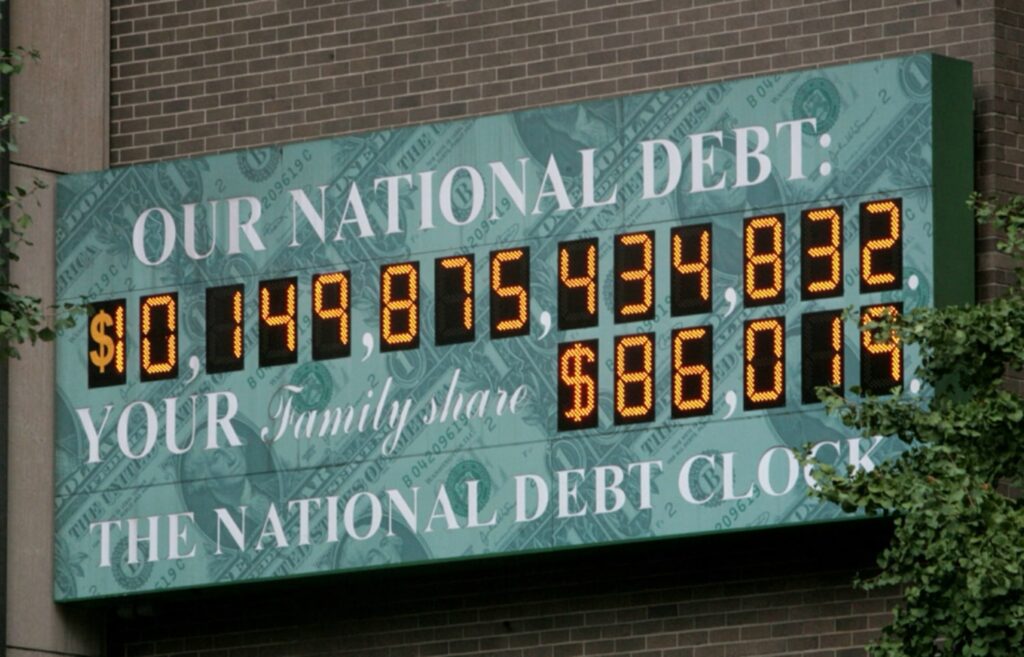
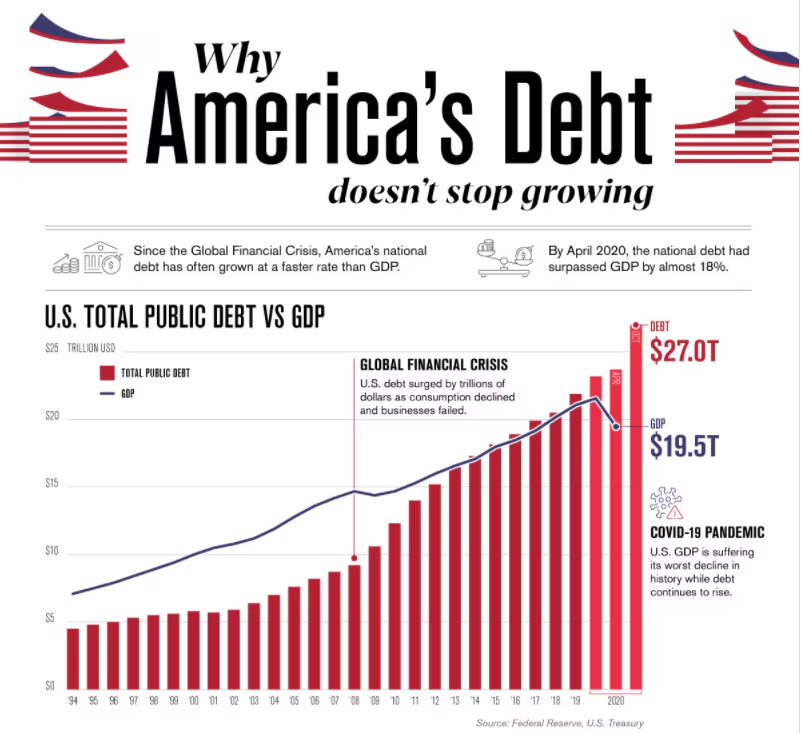
While some commentators exaggerate short-term figures — such as exaggerated claims of a “68 % GDP crash” — the deeper reality is that debt dynamics are now growing significantly faster than economic output, raising alarms across global financial institutions and governments. This unprecedented debt trajectory isn’t just a number: it has real implications for public services, interest costs, credit markets, and everyday Americans’ economic security.
How U.S. Debt Outpaced GDP: A Breakdown
To understand why experts are sounding the alarm, we first need to look at the core economic indicators:
GDP Growth vs. Public Debt Growth:
GDP — the total value of goods and services the U.S. economy produces — remains modestly positive, expected to grow around 2.4 % in 2026 according to IMF projections. But government debt, fueled by large budget deficits and structural spending commitments, is expanding much faster than the economy itself.
Deficits Adding to Debt:
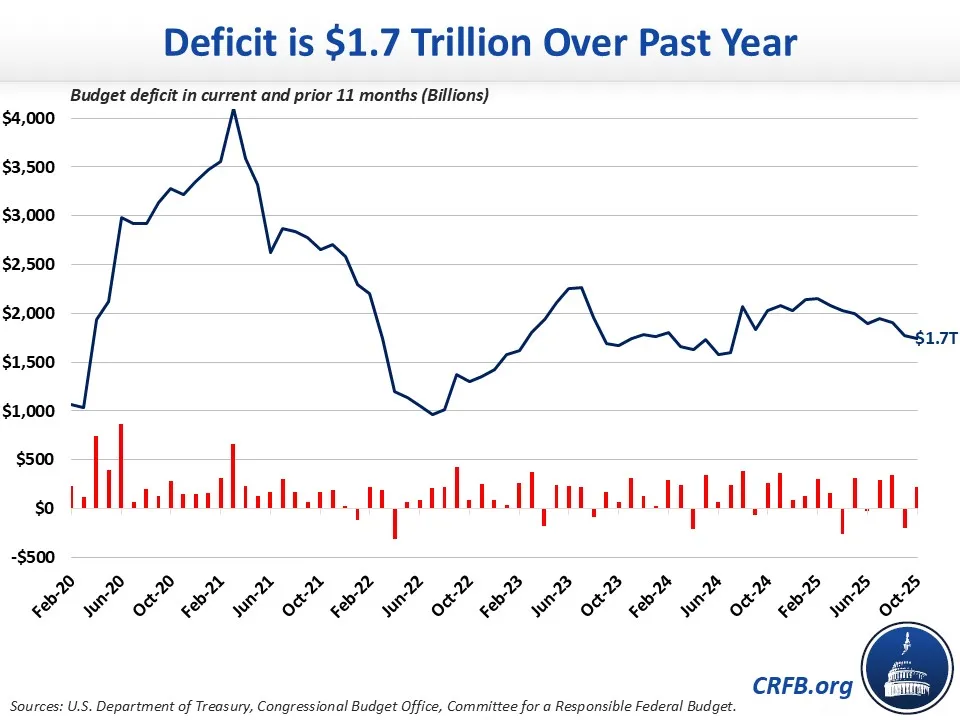
The U.S. government has been running fiscal deficits at very high levels — widely reported at around 7 % to 8 % of GDP year after year — meaning Washington spends billions more than it collects in taxes and revenues. Continued deficits like these add directly to the national debt.
Debt to GDP Ratio Explained:
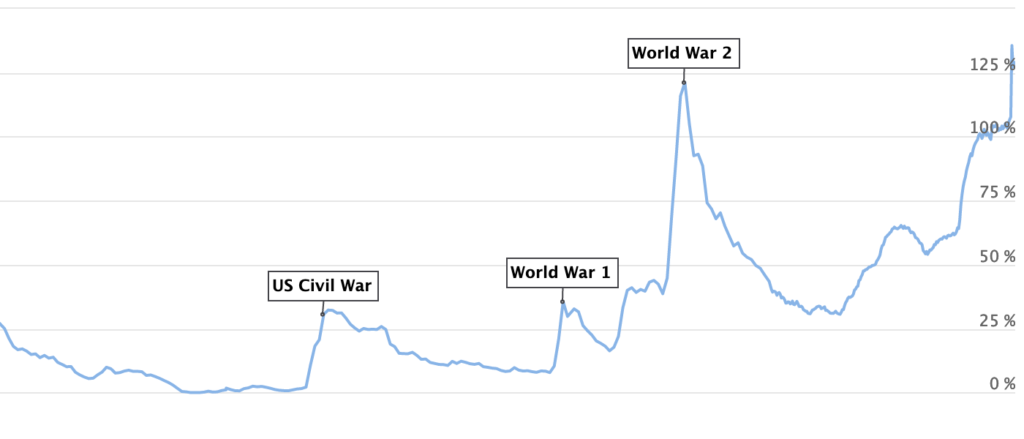
Economists measure the size of government debt relative to GDP to assess sustainability. A rising ratio means debt is growing faster than the economy. When debt outpaces GDP growth over time, it can crowd out public investment, elevate interest costs, and reduce fiscal flexibility in times of crisis.
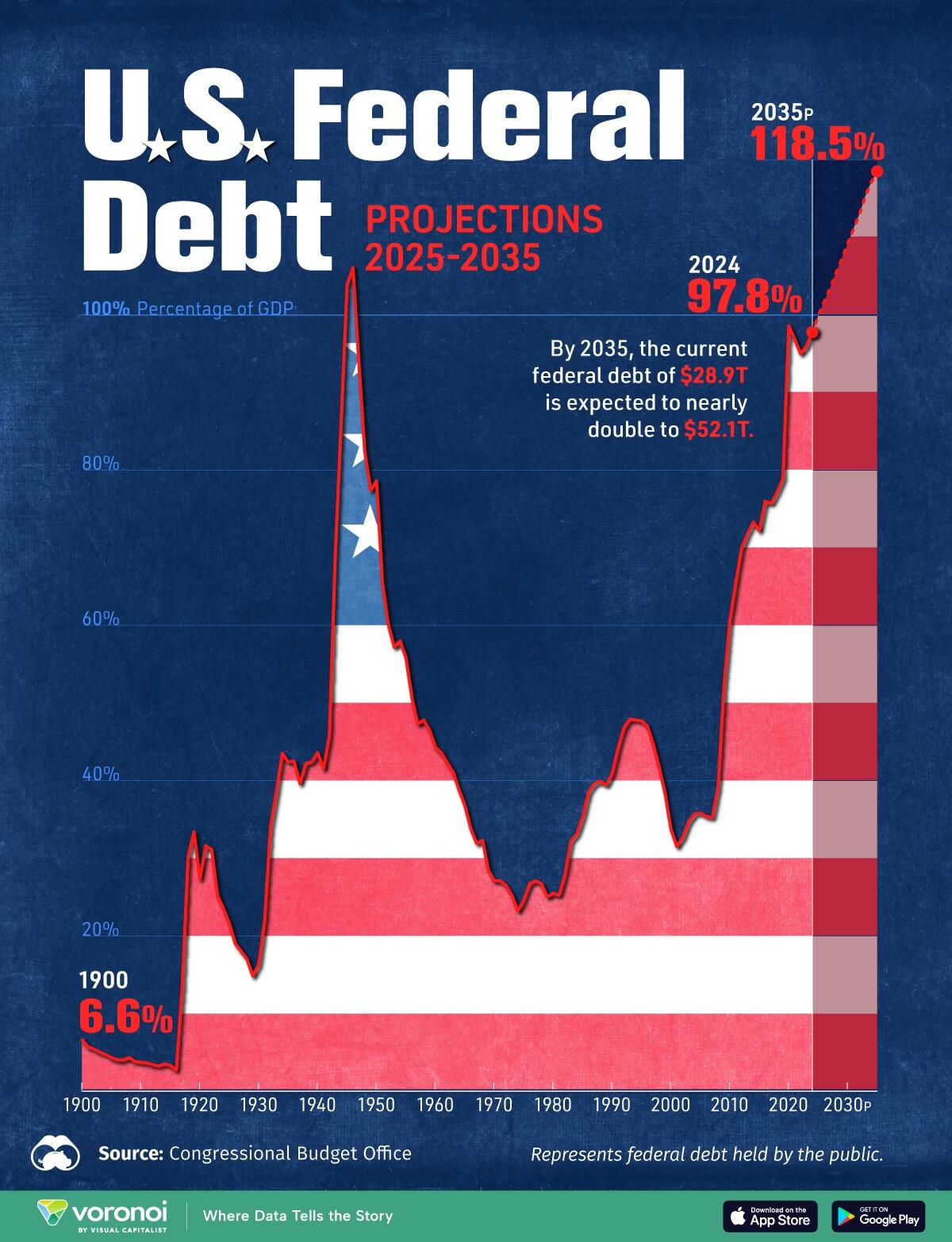
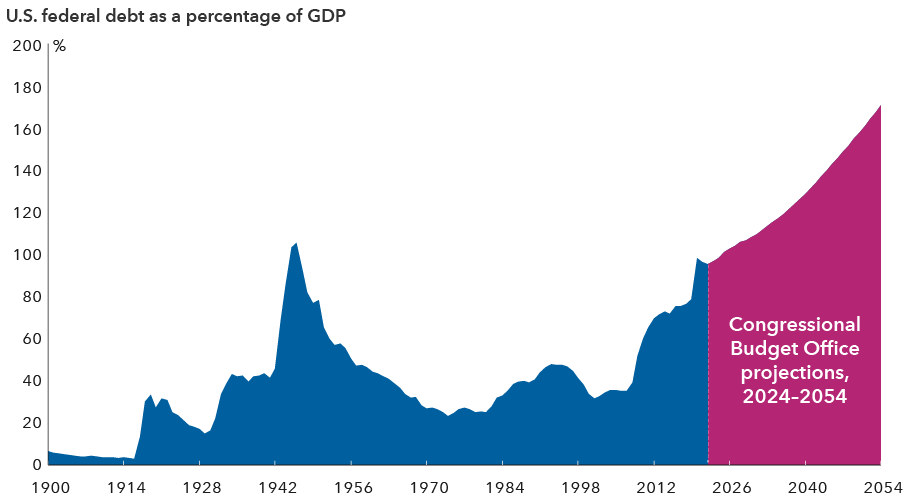
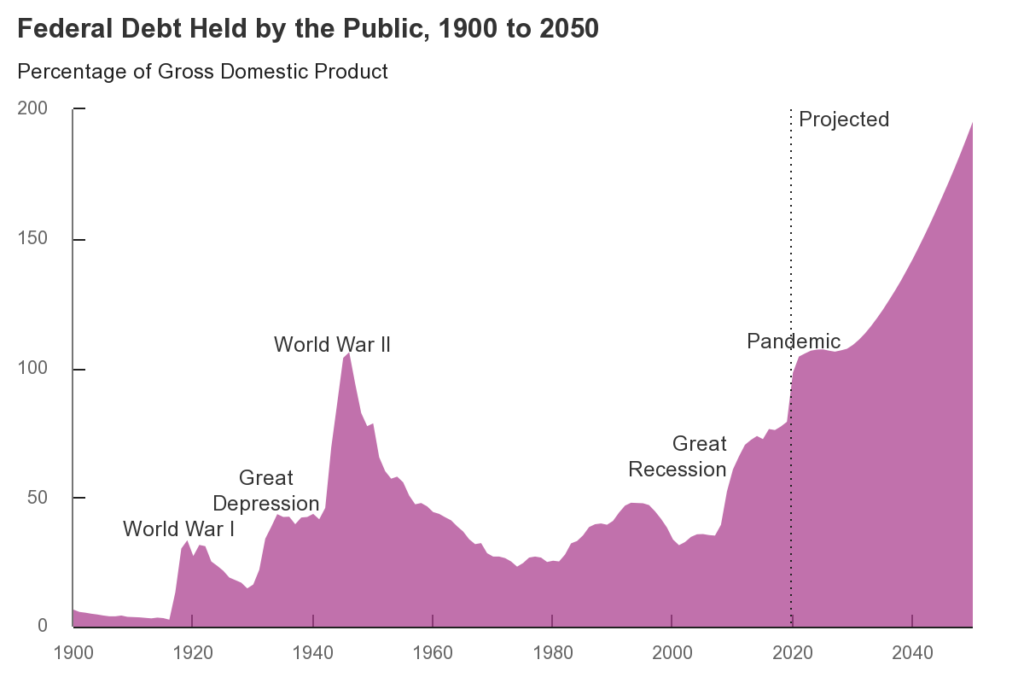
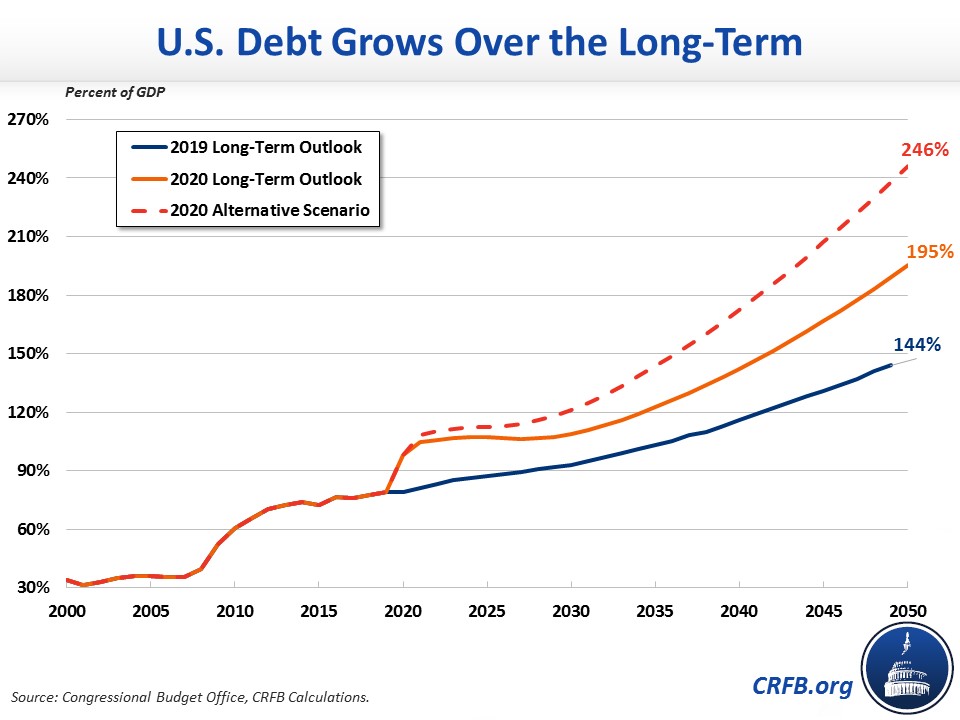
In 2025 and beyond, IMF data shows U.S. public debt could climb from near 100 % of GDP today to roughly 140 % by 2031 if current trends continue — a significant increase in a relatively short time span that warrants caution and strategic policy planning.
What the IMF Is Warning: An International Fiscal Alarm
The International Monetary Fund has been clear in its latest assessments: the U.S. fiscal trajectory is stable in the short term, but potentially dangerous in the long term without structural reforms. IMF leaders have emphasized two key points:
1. Growth Remains Resilient But Not Unstoppable
IMF forecasts indicate that the U.S. economy will continue to grow in 2026 and beyond, with unemployment remaining low and inflation edging toward central bank targets.
2. Debt Is Growing Faster Than GDP
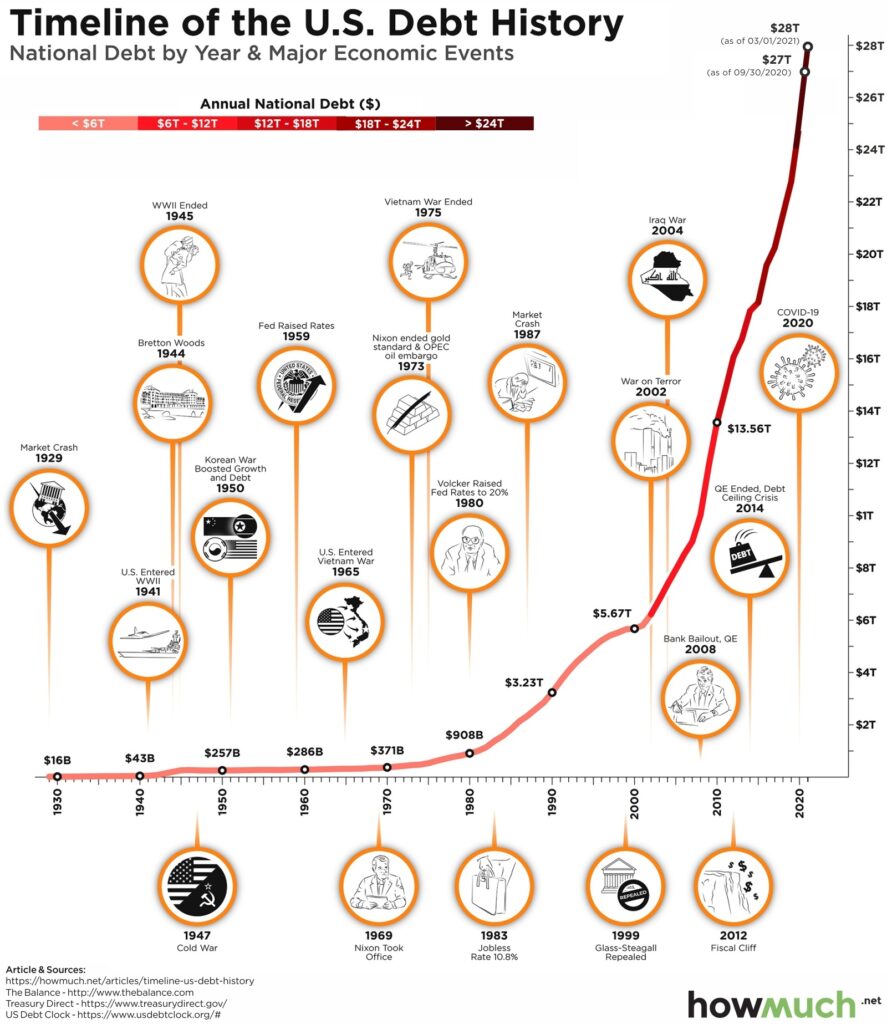
Despite this growth, the IMF warns that persistent budget deficits and rising debt margins could push the debt-to-GDP ratio beyond 140 % within the next decade if reforms are not implemented.
This is a serious warning — one seldom issued without cause, particularly for a global economic leader like the United States. The IMF has urged policymakers to adopt front-loaded fiscal consolidation plans — meaning tough budgeting reforms now to prevent structural imbalance later.
The Real Risks Behind High Public Debt
A rapidly rising debt burden carries several practical risks that go well beyond abstract economic charts:
Rising Interest Payments:
When government debt grows large, interest payments on that debt become a massive budget item. In the U.S., near-record interest obligations now consume a growing share of federal revenue that might otherwise go to education, infrastructure, or healthcare. High interest costs mean less money for investment and more for old debt.
Loss of Fiscal Flexibility:
High debt makes a government less able to respond to future crises, whether from economic downturns, pandemics, or geopolitical disruptions. With limited fiscal levers left, economic policymakers have fewer options in turbulent times.
Crowding Out Productivity Spending:
When the government borrows excessively, it can crowd out private investment and hamper future productivity, meaning economic growth could slow even further as citizens feel the squeeze.
While the U.S. dollar’s status as the global reserve currency provides unique advantages, fiscal recklessness can erode confidence over time if left unaddressed.
Why Some Analysts Think the Headlines Are Misleading
Not all economic reporting reflects the nuance of scholarly analysis. Claims such as “GDP crashed 68 %” are not supported by mainstream economic data. Current projections show modest growth, not contraction of that magnitude.

What is true is that the pace of government debt accumulation is outstripping GDP growth — and that global watchdogs like the IMF are paying attention. Distinguishing real fiscal concerns from sensational media talk is crucial for long-term readers and investors alike.
Policy Solutions and What’s at Stake for Americans
If the United States hopes to stabilize its fiscal trajectory, a mix of policy adjustments is widely discussed among economists and policymakers:
Spending Reforms:
Reducing discretionary spending, modernizing major social program costs, and reassessing defense budgets may help close fiscal gaps.
Revenue Adjustments:
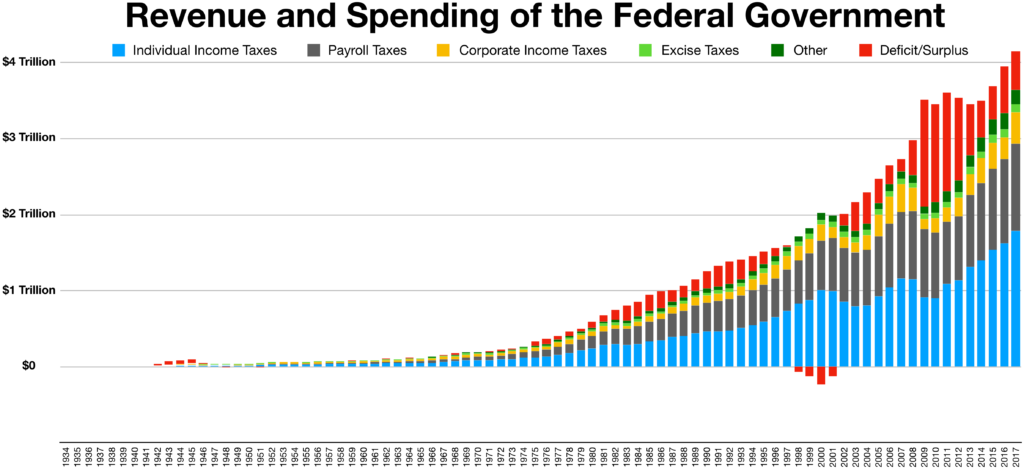
Thoughtful reform of the tax system to broaden revenue without unduly burdening growth could create long-term budget stability.
Growth-Enhancing Investments:
Redirecting resources to sectors such as education, research, infrastructure, and technology could raise future GDP — thereby easing the debt burden relative to economic output.
These are complex challenges that require bipartisan leadership and long-term commitment, yet the payoff — a more resilient and prosperous economy — is undeniable.
Navigating the Fiscal Crossroads
The United States finds itself at a critical junction of fiscal reality and future possibility. Although GDP growth remains positive and employment is strong, public debt is rising at a rate that outpaces economic expansion, triggering warnings from major institutions like the International Monetary Fund.
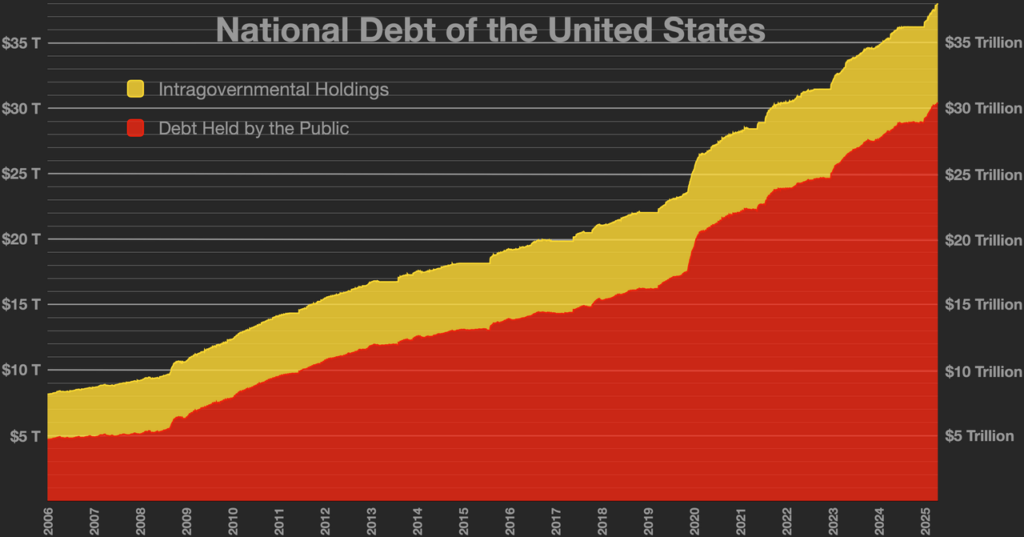
This pattern of growing deficits and debt accumulation holds real risks for economic stability, interest costs, and future government flexibility — making fiscal reform not just a political talking point but a strategic economic necessity.
Subscribe to trusted news sites like USnewsSphere.com for continuous updates.