
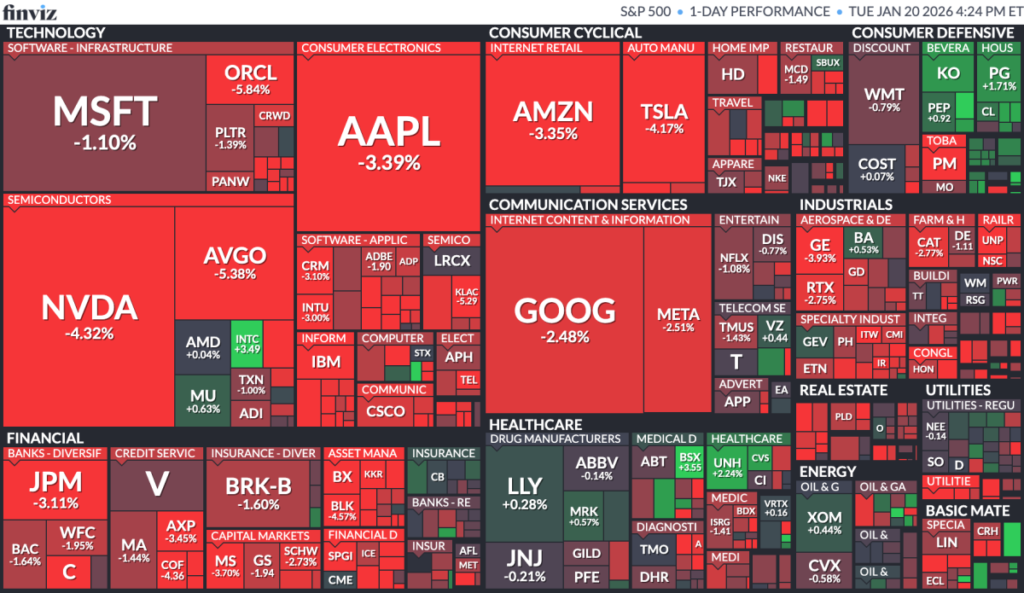
Dow, S&P 500, Nasdaq Drop on Middle East Tensions — What Smart Investors Are Doing Right Now — Global financial markets are once again reacting sharply to rising geopolitical risks, as escalating tensions in the Middle East trigger a wave of uncertainty across Wall Street. In recent trading sessions, the Dow Jones Industrial Average, S&P 500, and Nasdaq Composite have all declined, reflecting investor anxiety over oil supply disruptions, inflation pressures, and broader economic instability.
This sudden shift in sentiment highlights how quickly geopolitical developments can reshape market direction. Investors worldwide are now recalibrating strategies, shifting capital, and preparing for potential volatility spikes in the coming weeks.
Why Global Markets React Instantly to Middle East Tensions
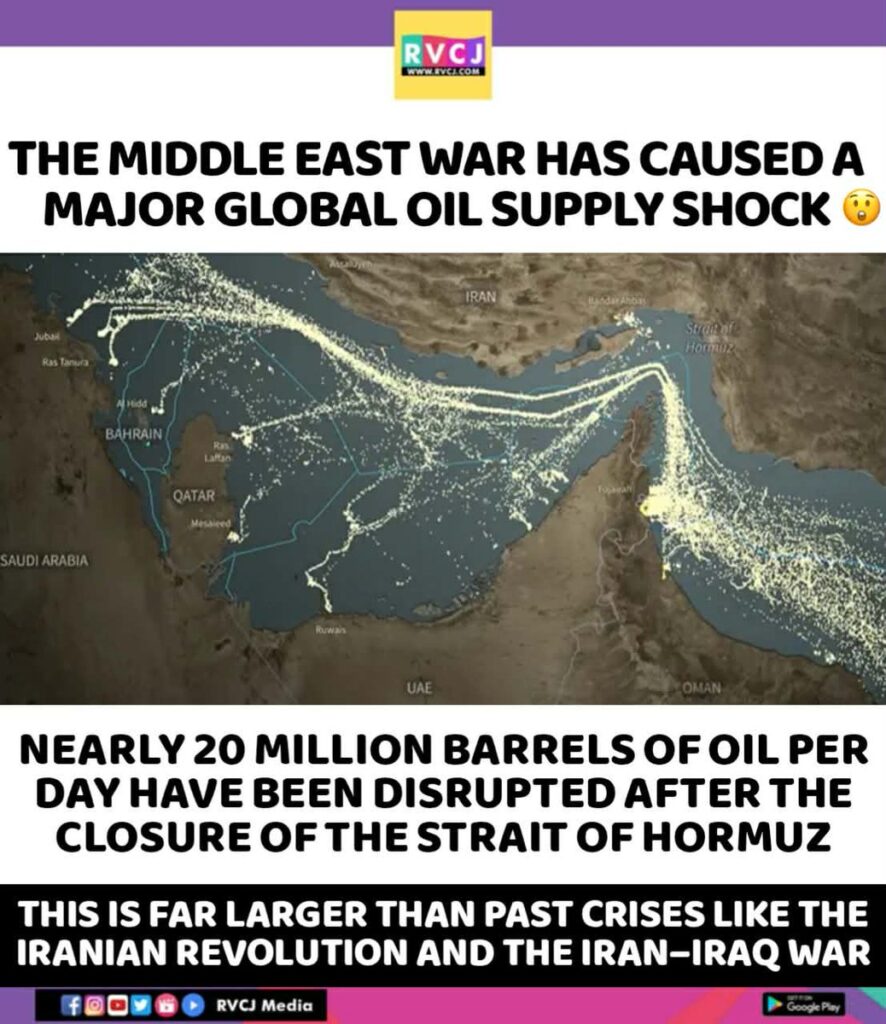
The Middle East plays a critical role in global energy supply, particularly oil. Any escalation in conflict in the region immediately raises concerns about supply disruptions, transportation risks, and increased costs. When oil prices surge, inflation expectations also rise, which directly impacts stock market performance.
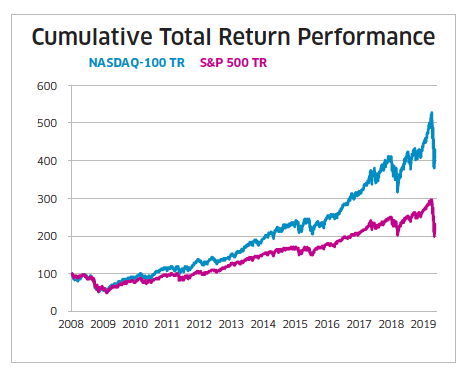
Historically, markets have shown a pattern: geopolitical uncertainty leads to short-term sell-offs, especially in risk-sensitive sectors like technology and consumer discretionary. This is exactly what we are witnessing now, with the Nasdaq experiencing sharper declines compared to more defensive indices.
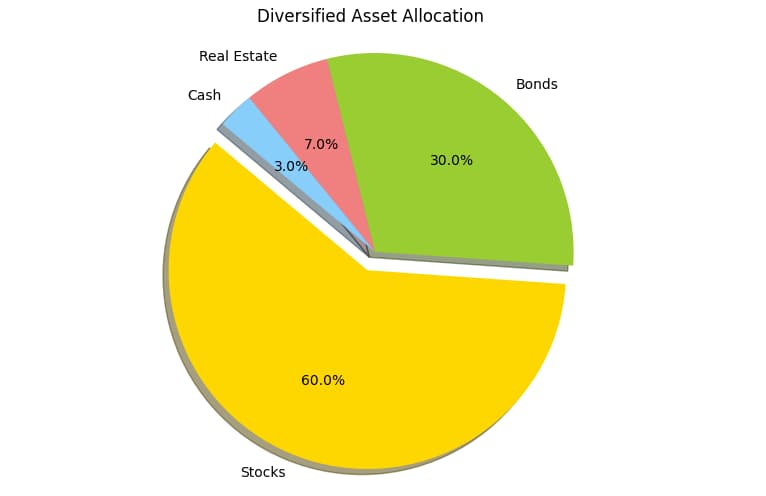
Another key factor is investor psychology. During times of uncertainty, institutional investors often shift funds into safer assets such as bonds, gold, and cash. This rotation reduces liquidity in equities, amplifying downward pressure on major indices.
Recent Market Data and What It Signals
Recent sessions have shown notable declines across all three major indices:
- Dow Jones Industrial Average: Down approximately 1.2%–1.8% in recent sessions
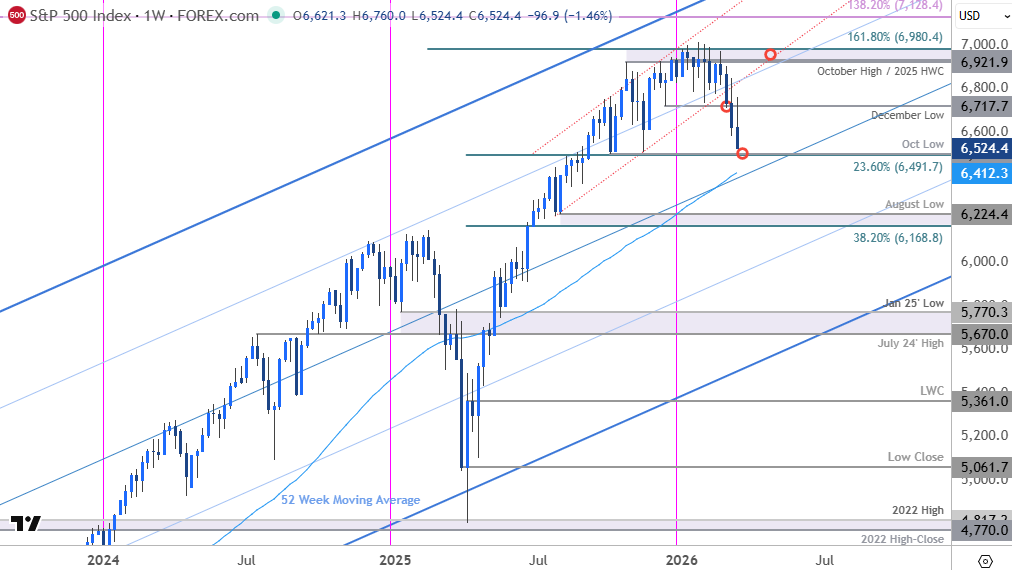
- S&P 500: Dropped around 1.5%–2.2%, reflecting broad market weakness
- Nasdaq Composite: Fell over 2%–3%, led by tech stock sell-offs
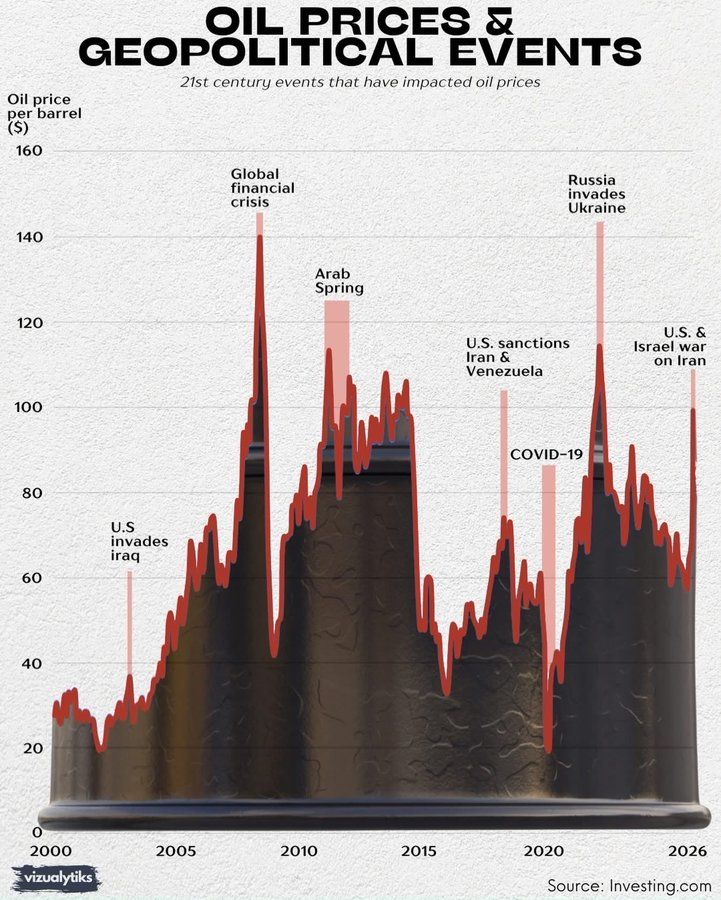
Technology stocks, which had been leading the market rally in previous months, are now under pressure due to their sensitivity to interest rates and global risk sentiment.
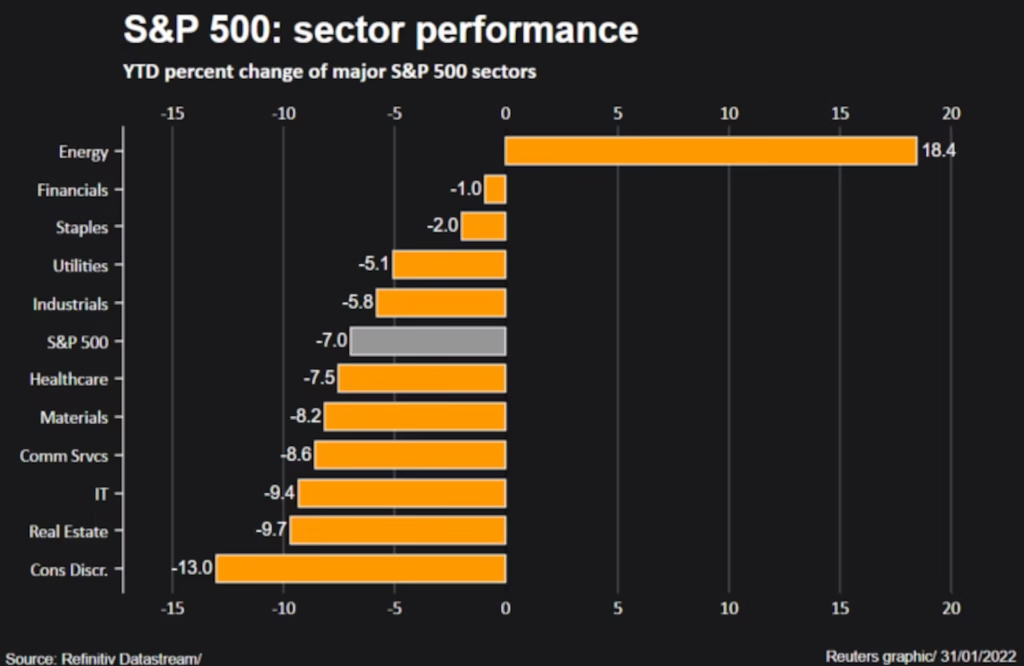
Energy stocks, however, have shown resilience. Rising oil prices have boosted companies in the oil and gas sector, making them one of the few bright spots in an otherwise declining market.
At the same time, volatility indices (like the VIX) have started to rise, indicating growing fear among investors.
Sector-Wise Impact: Winners and Losers in This Market Shift
Understanding sector performance is crucial for investors looking to navigate current conditions effectively.
Sectors Under Pressure
- Technology: High valuations and rate sensitivity
- Consumer discretionary: Reduced spending expectations
- Growth stocks: Heavily impacted by rising yields
Sectors Showing Strength
- Energy: Benefiting from higher oil prices
- Defense: Increased geopolitical risk boosts demand
- Utilities: Seen as stable, defensive investments
This rotation suggests that investors are moving away from growth-oriented assets toward more stable, income-generating sectors.
What Smart Investors Are Doing Right Now
In times like these, experienced investors focus less on panic and more on strategy. Here are some key moves being observed:
Portfolio Diversification
Investors are spreading risk across asset classes, including commodities, bonds, and international equities. This helps reduce exposure to any single market shock.
Shifting to Defensive Stocks
Companies with stable earnings, such as those in healthcare and utilities, are becoming more attractive.
Increasing Cash Positions
Holding cash provides flexibility to buy opportunities during market dips.
Hedging Against Volatility
Some investors are using options or investing in volatility-linked assets to protect portfolios.
Focusing on Long-Term Trends
Despite short-term turbulence, long-term themes like artificial intelligence, renewable energy, and infrastructure remain strong.
Oil Prices, Inflation, and the Federal Reserve Connection
One of the biggest concerns right now is the impact of rising oil prices on inflation. If tensions continue, oil prices could remain elevated, pushing inflation higher.
This creates a challenge for central banks, particularly the Federal Reserve. If inflation rises again, the Fed may delay interest rate cuts or even consider tightening policy further.
Higher interest rates generally:
- Reduce stock valuations
- Increase borrowing costs
- Slow economic growth
This is why markets react so strongly to geopolitical events—they can directly influence monetary policy decisions.
Market Outlook: Short-Term Volatility vs Long-Term Opportunity
In the short term, markets are likely to remain volatile. Headlines related to geopolitical developments will continue to drive price movements, often unpredictably.
However, long-term investors see this differently. Market corrections often create buying opportunities, especially in fundamentally strong companies.
Key factors to watch:
- Oil price trends
- Federal Reserve policy updates
- Corporate earnings reports
- Global diplomatic developments
If tensions ease, markets could recover quickly. But if the situation escalates further, downside risks remain.
Expert Insights and Strategic Takeaways
Market experts emphasize staying disciplined during uncertain times. Emotional decision-making often leads to losses, while a structured approach helps preserve capital and capture future gains.
Key takeaways from analysts:
- Avoid panic selling during market dips
- Focus on quality stocks with strong balance sheets
- Maintain a diversified portfolio
- Use corrections as strategic entry points
Many experts also highlight that geopolitical-driven sell-offs are often temporary, while long-term economic growth trends remain intact.
How This Impacts Global Investors, Including the USA and Europe
The ripple effects of Middle East tensions are not limited to the United States. European markets are also experiencing pressure due to their reliance on energy imports.
For U.S. investors:
- Inflation concerns are the primary risk
- Tech sector volatility is a key focus
- Energy stocks offer potential upside
For European investors:
- Energy costs are a major concern
- Industrial sectors may face challenges
- Defensive stocks are gaining attention
Global interconnectedness means that events in one region can quickly impact markets worldwide.
Navigating Uncertainty with Strategy and Confidence
The current market decline driven by Middle East tensions is a reminder of how interconnected geopolitics and financial markets truly are. While the Dow, S&P 500, and Nasdaq are experiencing short-term pressure, history shows that markets tend to recover once uncertainty stabilizes.
Smart investors are not reacting emotionally—they are adapting strategically. By focusing on diversification, defensive positioning, and long-term opportunities, they are turning uncertainty into potential advantage.
For readers and investors, the key is to stay informed, remain patient, and make decisions based on data rather than fear. Markets will continue to fluctuate, but disciplined strategies consistently outperform reactive behavior.
Subscribe to trusted news sites like USnewsSphere.com for continuous updates.