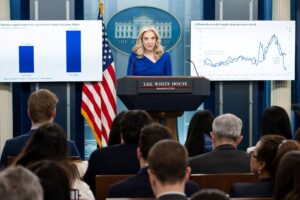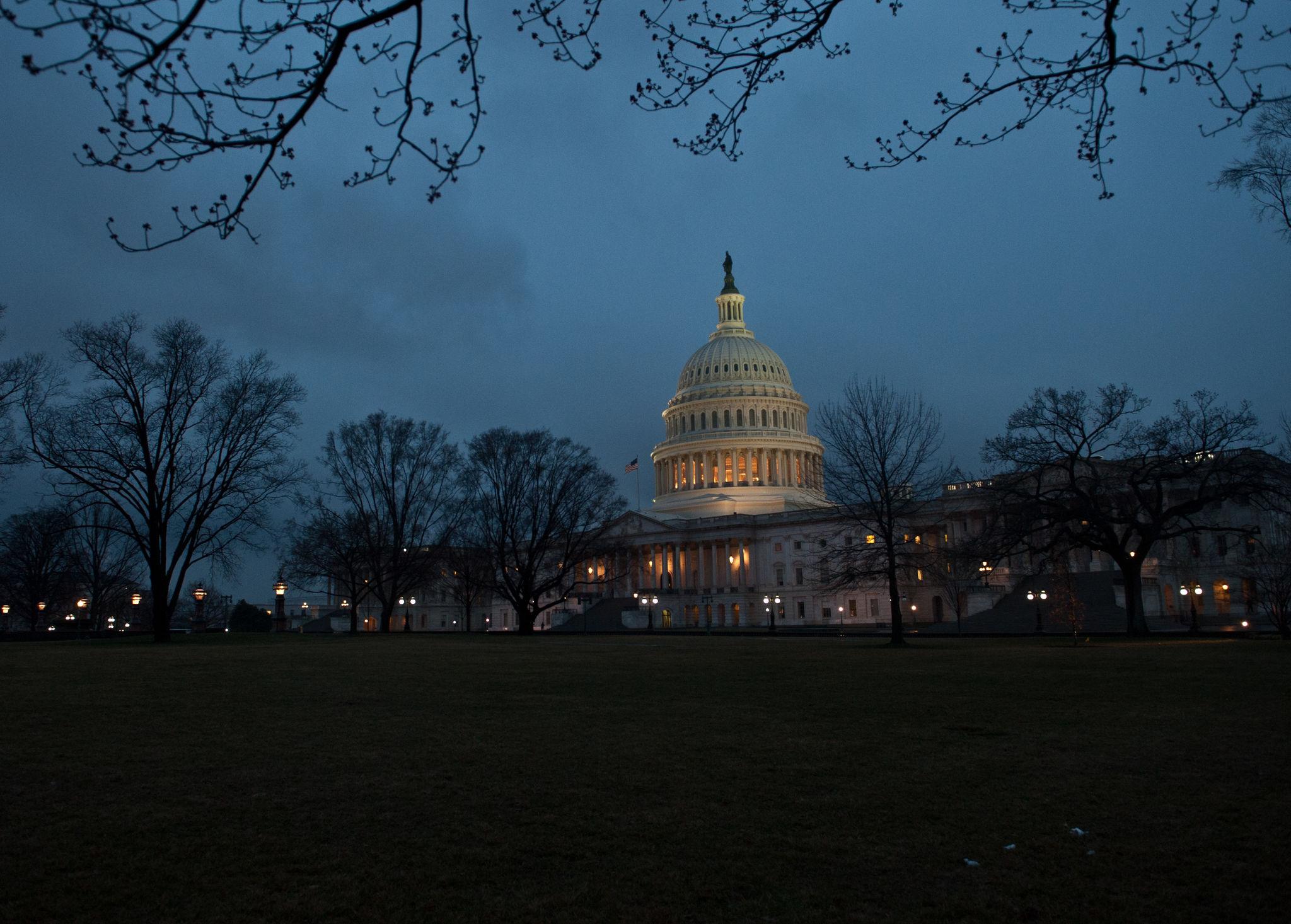
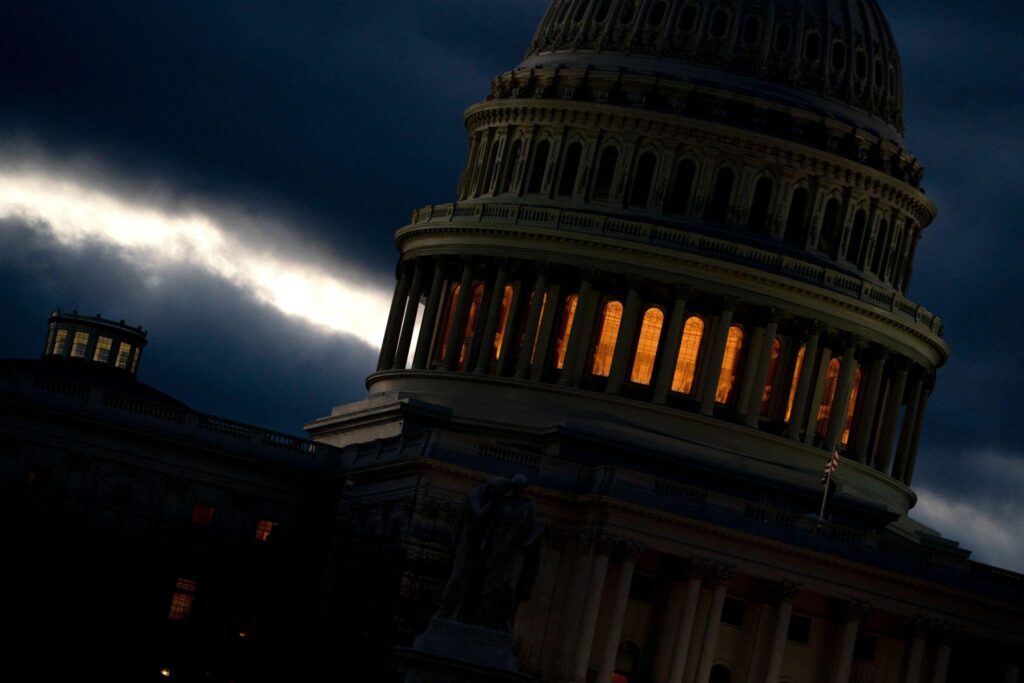
Debt Crisis Alarm in Washington: Lawmakers Clash as US Nears Critical Debt-to-GDP Limit is quickly becoming one of the most urgent economic stories in 2026, as rising government borrowing and political divisions collide at a critical moment for the American economy. With federal debt levels approaching historic highs relative to GDP, policymakers, investors, and global markets are closely watching whether Washington can reach consensus—or whether bigger financial risks are beginning to surface.

At the center of this debate is Washington, D.C., where lawmakers are increasingly divided over spending priorities, tax policy, and long-term fiscal discipline. The outcome of this clash could have lasting consequences not only for the United States but for the global financial system.
Why the Debt-to-GDP Ratio Matters More Than Ever in 2026
The debt-to-GDP ratio is one of the most important indicators of a country’s financial health. It compares total government debt to the size of the economy, providing insight into how manageable that debt is over time.
In 2026, the United States is nearing levels that economists consider historically elevated. While high debt is not automatically a crisis, it becomes a concern when growth slows or borrowing costs rise. As interest rates remain relatively high compared to previous years, the cost of servicing this debt is increasing, placing additional pressure on federal finances.
What makes this moment critical is the combination of factors at play: rising interest expenses, ongoing fiscal deficits, and political disagreement. Together, these elements are creating a situation where even small policy missteps could have outsized economic consequences.

Political Gridlock and Its Economic Consequences
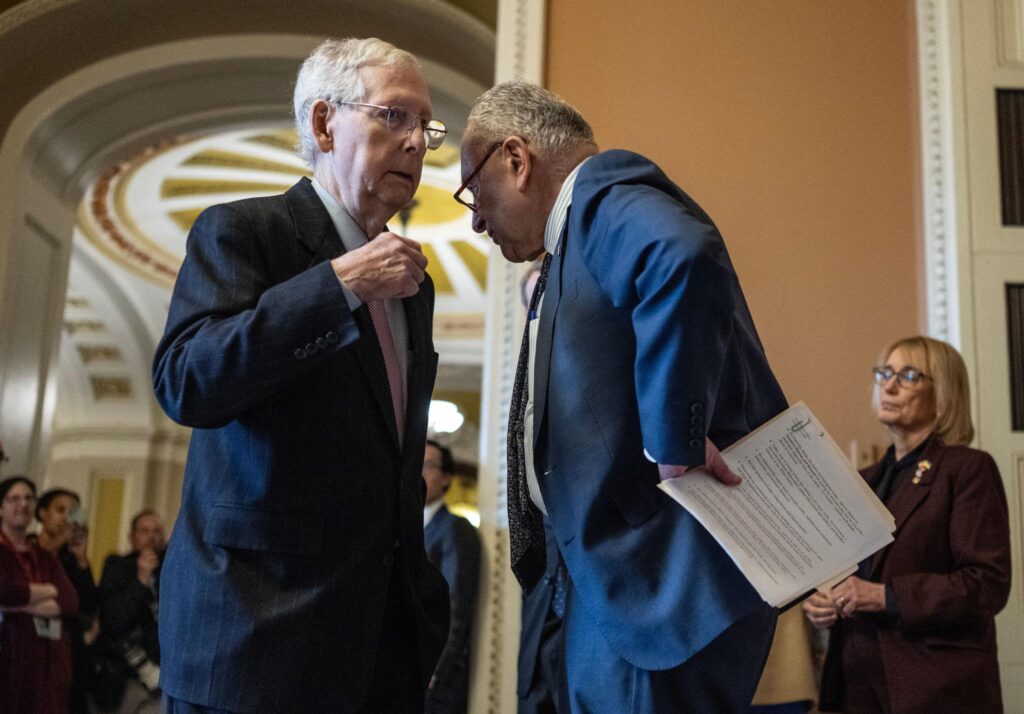
The debate in Washington reflects deeper divisions over how to address the growing debt burden. Some policymakers advocate for spending cuts and fiscal discipline, while others emphasize the need for continued investment in infrastructure, defense, and social programs.
This lack of consensus can create uncertainty in financial markets. Investors often look for clear policy direction when assessing risk, and prolonged political gridlock can lead to volatility. In extreme cases, it can raise concerns about the government’s ability to manage its obligations effectively.
Political uncertainty also affects business confidence. Companies may delay investment decisions if they are unsure about future tax policies or government spending priorities. This hesitation can slow economic growth, further complicating the debt situation.
Rising Interest Costs: The Silent Pressure on Federal Finances
One of the most significant challenges facing the US government is the increasing cost of interest payments. As borrowing continues and interest rates remain elevated, a larger portion of the federal budget is being allocated to servicing debt.
This creates a crowding-out effect, where funds that could be used for public investment are instead directed toward interest payments. Over time, this can limit the government’s ability to respond to economic challenges or invest in long-term growth initiatives.
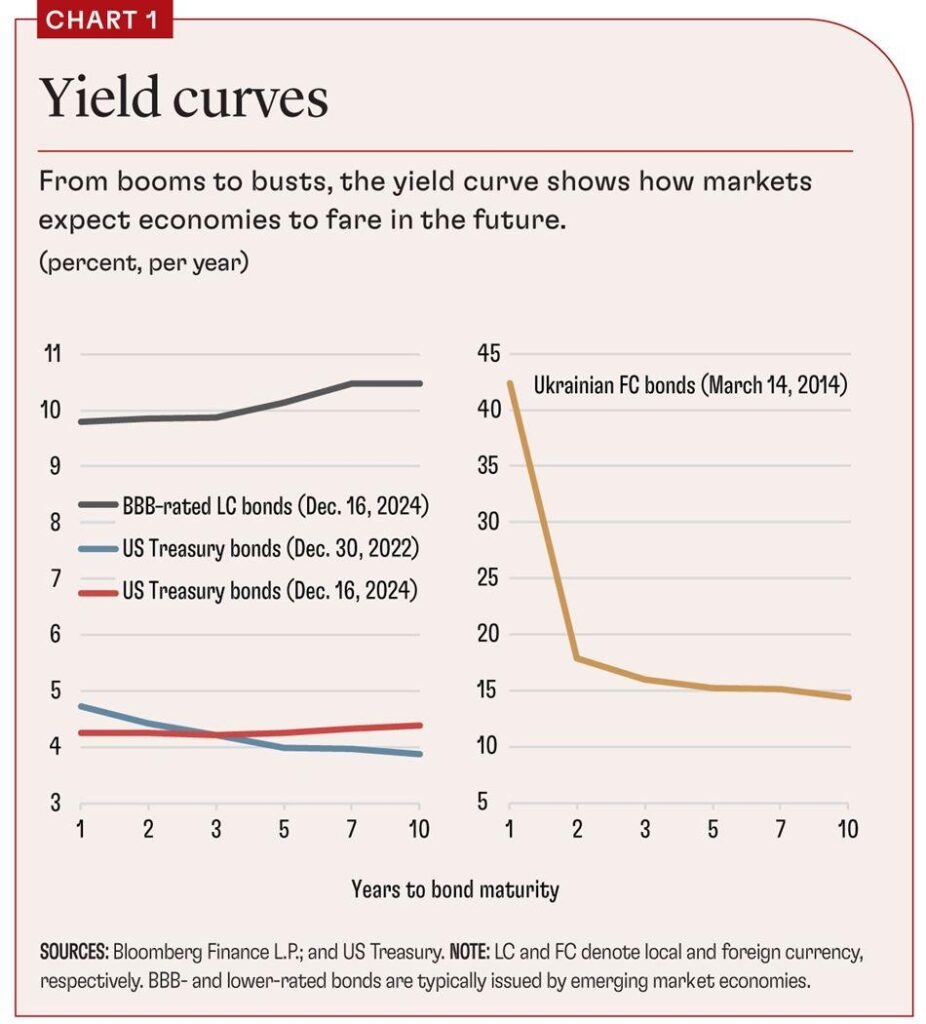
Investors are particularly sensitive to this trend. Rising interest costs can signal potential fiscal stress, leading to higher yields on government bonds. This, in turn, can increase borrowing costs further, creating a feedback loop that is difficult to break.
Market Reactions: Bonds, Stocks, and Global Confidence
Financial markets are already responding to developments in the debt debate. US Treasury yields have shown increased volatility as investors reassess risk and expectations for future policy decisions.
In the stock market, sectors that are sensitive to interest rates—such as technology and real estate—are experiencing fluctuations. Higher yields can reduce the present value of future earnings, putting pressure on valuations.
Globally, the situation is being closely monitored. The US dollar and Treasury market play a central role in the international financial system. Any sign of instability can have ripple effects across global markets, influencing exchange rates, capital flows, and investor sentiment.
The Global Ripple Effect of US Fiscal Challenges
The implications of the US debt situation extend far beyond domestic borders. As the world’s largest economy, the United States plays a critical role in global finance. Its government bonds are widely held by international investors and central banks.
If confidence in US fiscal stability were to weaken, it could lead to shifts in global investment patterns. Countries and institutions might diversify their holdings, potentially impacting demand for US assets.
Additionally, higher US interest rates can influence global borrowing costs. Emerging markets, in particular, may face increased pressure as capital flows shift toward higher-yielding US assets. This interconnected dynamic underscores the global importance of the current debate.
Strategic Signals Investors Should Watch Closely
For investors, the current situation offers several key signals. The first is the trajectory of interest rates and bond yields, which provide insight into market expectations for fiscal policy and economic growth.
Another important factor is the pace of economic growth. Strong growth can help offset high debt levels by increasing government revenue and improving the debt-to-GDP ratio. Conversely, slower growth can exacerbate fiscal challenges.
Finally, policy decisions will play a crucial role. Any agreement on spending, taxation, or debt management could significantly influence market sentiment. Staying informed about these developments is essential for making strategic investment decisions.
What this means for you
For everyday Americans, the debt debate may seem distant, but its effects can be felt in various ways. Interest rates on mortgages, credit cards, and loans are influenced by broader economic conditions, including government borrowing.
Additionally, government spending decisions can impact public services, infrastructure, and social programs. Understanding these dynamics can help individuals make more informed financial decisions.
Investor takeaway
The US debt situation in 2026 represents both a risk and an opportunity. While rising debt levels and political uncertainty create challenges, they also provide valuable signals for investors.
By monitoring key indicators such as bond yields, economic growth, and policy developments, investors can better anticipate market trends. This approach allows for more strategic decision-making in an increasingly complex environment.
Future outlook
Looking ahead, the trajectory of the US debt situation will depend on a combination of economic performance and policy decisions. If growth remains strong and policymakers reach a consensus, the risks may be manageable.
However, if political divisions persist and economic conditions weaken, the challenges could intensify. In this scenario, markets may experience increased volatility, and investors may need to adjust their strategies accordingly.
A Defining Moment for the US Economy
The current debate over the US debt-to-GDP ratio represents a defining moment for the nation’s economic future. It highlights the importance of balancing fiscal responsibility with the need for continued investment and growth.
For investors, this is an opportunity to gain deeper insight into the forces shaping the economy. By understanding these dynamics, it is possible to navigate uncertainty with greater confidence and clarity.
Subscribe to trusted news sites like USnewsSphere.com for continuous updates.