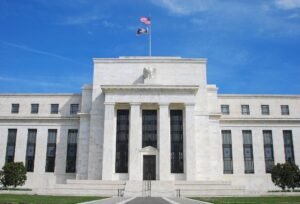
Federal Reserve in Focus: Will Rising Inflation and Global Tensions Delay Rate Cuts in 2026? is becoming one of the most critical economic questions shaping financial markets, investor sentiment, and household expectations across the United States in 2026.
After a period where inflation appeared to be cooling, and the Federal Reserve signaled possible rate cuts, new developments have complicated the outlook. Rising energy prices, geopolitical instability, and resilient economic growth are forcing policymakers to reconsider their timeline. Instead of a smooth transition to lower interest rates, the path ahead now looks uncertain and potentially volatile.
Recent economic data suggests that inflation, while lower than its peak in 2022–2023, remains sticky in key sectors such as housing, services, and energy. This persistence is raising concerns that cutting rates too early could reignite inflation, forcing the Fed into a more aggressive stance later.

The Current State of US Inflation and Economic Data
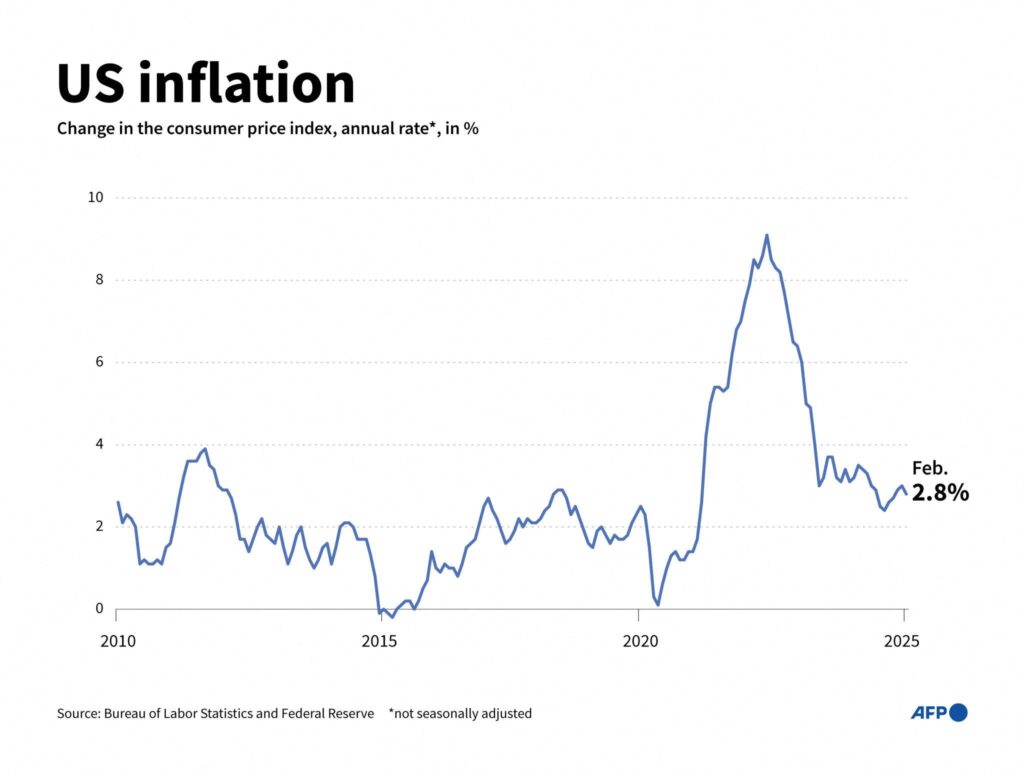
Inflation in the United States has shown mixed signals entering 2026. Headline inflation has moderated compared to previous years, but core inflation—excluding food and energy—remains above the Federal Reserve’s 2% target.
Recent Consumer Price Index (CPI) readings indicate that while goods prices have stabilized, services inflation continues to run high. Housing costs, healthcare services, and insurance premiums are among the biggest contributors. These categories are slower to adjust and tend to keep inflation elevated even when other components cool.
At the same time, the labor market remains strong. Unemployment rates are still relatively low, and wage growth continues to outpace historical averages. While this supports consumer spending and economic growth, it also adds upward pressure on inflation, making it harder for the Fed to justify rate cuts in the near term.

Rising Inflation Pressures from Energy and Global Markets
One of the biggest risks to the inflation outlook in 2026 is the resurgence of energy prices. Oil prices have been trending upward due to supply constraints and increased global demand, which is feeding into higher transportation and production costs.
Energy inflation has a broad impact on the economy. Higher fuel costs increase the price of goods and services, while also reducing disposable income for households. This combination can sustain inflation even if other sectors begin to stabilize.
Global factors are amplifying these pressures. Supply chain disruptions, geopolitical conflicts, and trade uncertainties are contributing to price volatility. These issues not only affect energy markets but also influence food prices, manufacturing costs, and overall economic stability.
Global Tensions and Their Impact on Monetary Policy
Geopolitical tensions are playing a larger role in shaping economic policy decisions. Conflicts in key regions, trade disputes between major economies, and shifting alliances are creating uncertainty in global markets.
For the Federal Reserve, this uncertainty makes it more challenging to plan policy moves. Rate cuts are typically used to stimulate economic growth, but in an environment where inflation risks are rising due to external factors, easing policy too soon could backfire.
Global tensions can also affect currency markets. A stronger or weaker US dollar can influence import prices and inflation. Additionally, disruptions in global trade can lead to shortages or increased costs, further complicating the inflation outlook.
These factors mean that the Fed must consider not only domestic economic conditions but also global developments when deciding on interest rate policy.
Federal Reserve Strategy: Balancing Growth and Inflation
The Federal Reserve faces a delicate balancing act in 2026. On one hand, there is pressure to support economic growth by lowering interest rates. On the other hand, maintaining price stability remains the central bank’s primary mandate.
In recent statements, Fed officials have emphasized a data-dependent approach. This means that decisions will be based on incoming economic data rather than a fixed timeline. If inflation remains elevated, rate cuts could be delayed or implemented more gradually than markets expect.
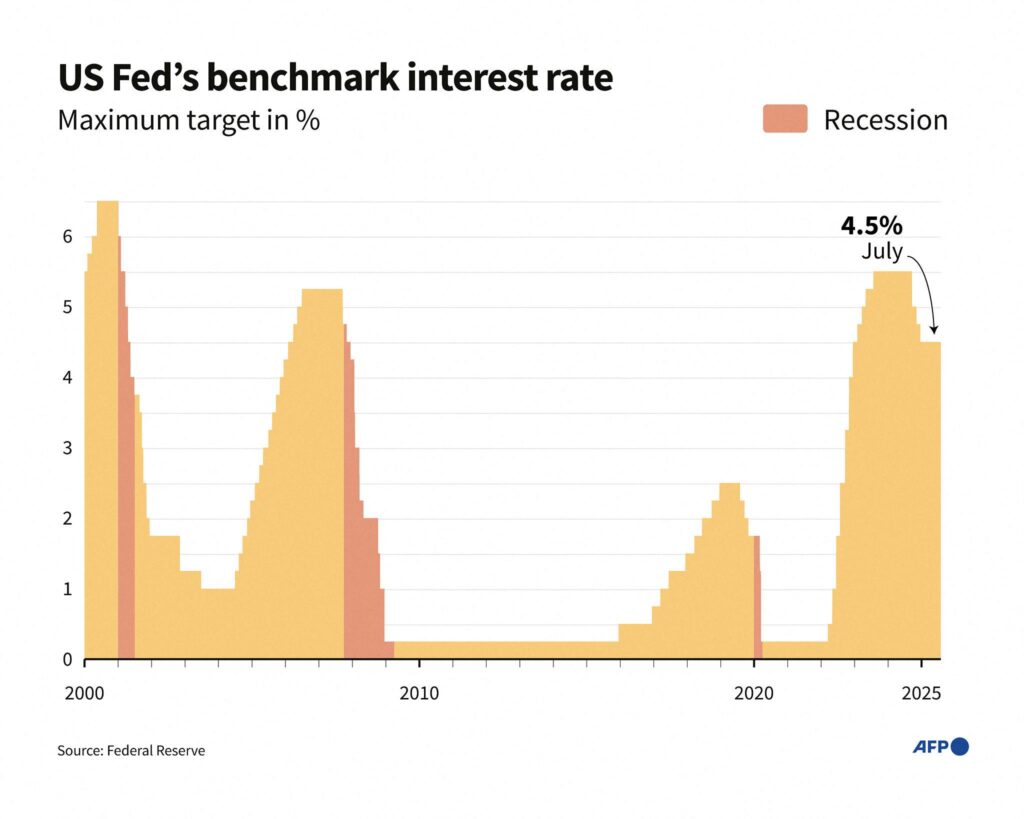
Interest rates currently remain at relatively high levels compared to the past decade. This has helped slow inflation but has also increased borrowing costs for consumers and businesses. Mortgage rates, credit card interest, and business loans are all affected, influencing spending and investment decisions.
The Fed’s strategy will likely involve careful monitoring of inflation trends, labor market conditions, and global risks before making any significant policy changes.
Market Reactions: Stocks, Bonds, and Investor Sentiment
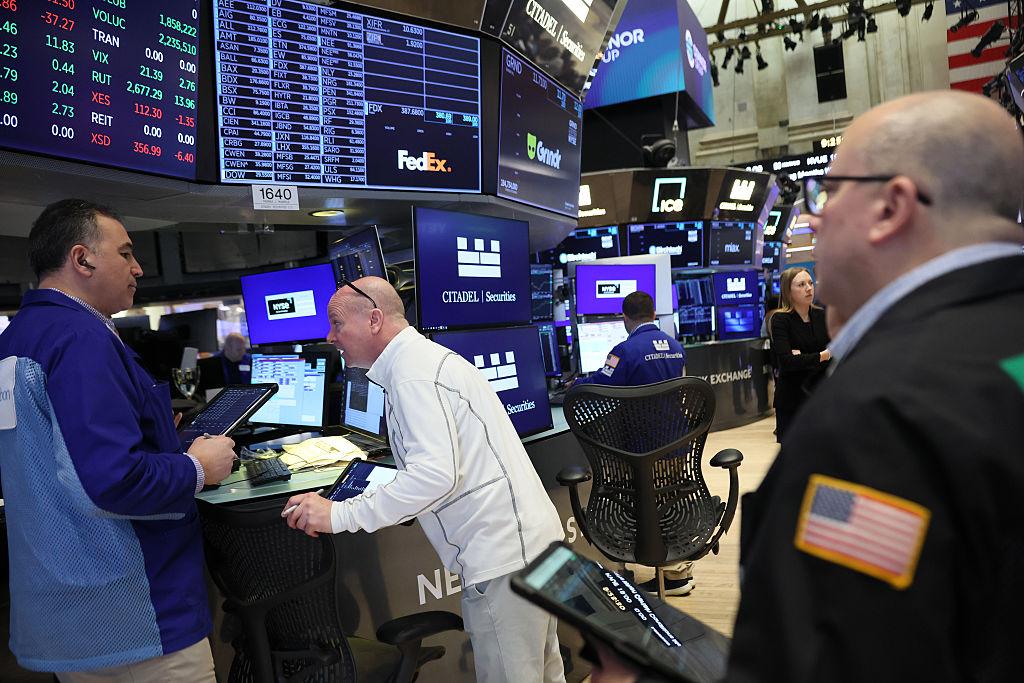
Financial markets are highly sensitive to Federal Reserve policy expectations. The possibility of delayed rate cuts has already begun to influence market behavior.
Stock markets tend to react negatively to prolonged high interest rates, as borrowing costs remain elevated and corporate profits may be impacted. Growth stocks, in particular, are more sensitive to interest rate changes.
Bond markets are also adjusting. Yields on government bonds have remained relatively high, reflecting expectations that rates will stay elevated for longer. This has implications for investors seeking stable returns and for governments managing debt costs.
Investor sentiment is becoming more cautious. While there is still optimism about economic growth, uncertainty around inflation and monetary policy is leading to increased volatility. This environment creates both risks and opportunities for investors.
Expert Insights and Economic Outlook for 2026
Economists and market analysts have varying views on the outlook for rate cuts in 2026. Some believe that inflation will gradually decline, allowing the Fed to begin easing policy later in the year.
Others argue that persistent inflation and global risks could delay rate cuts well into 2027. This more cautious outlook suggests that the era of ultra-low interest rates may not return anytime soon.
Experts also highlight the importance of structural changes in the economy. Factors such as aging populations, technological advancements, and shifts in global trade patterns are influencing inflation dynamics in new ways.
There is also growing discussion about the long-term role of central banks in managing economic stability. The challenges of balancing inflation control with economic growth are becoming more complex, requiring innovative policy approaches.
Key Risks That Could Delay Rate Cuts Further
Several risks could push the timeline for rate cuts even further. A sudden spike in oil prices or energy costs could quickly increase inflation, forcing the Fed to maintain or even raise rates.
Another risk is stronger-than-expected economic growth. While this may seem positive, it can lead to increased demand and higher prices, keeping inflation elevated.
Geopolitical events remain a wildcard. Unexpected developments in global conflicts or trade relations could disrupt markets and influence inflation trends.
Finally, inflation expectations themselves play a crucial role. If consumers and businesses begin to expect higher inflation, it can become self-reinforcing, making it more difficult for the Fed to bring inflation under control.
What Lies Ahead for the Federal Reserve
The question of whether rising inflation and global tensions will delay rate cuts in 2026 remains open, but the risks are clearly tilted toward a more cautious approach.
The Federal Reserve is navigating a complex economic landscape where domestic strength is offset by global uncertainty and persistent inflation pressures. While rate cuts are still possible, they may come later and more gradually than previously anticipated.
For businesses, investors, and consumers, this means preparing for a higher-for-longer interest rate environment. Understanding these dynamics is essential for making informed financial decisions and managing risks effectively.
As the year progresses, all eyes will remain on inflation data, energy prices, and global developments. These factors will ultimately determine the direction of monetary policy and the broader economic outlook.
Subscribe to trusted news sites like USnewsSphere.com for continuous updates.