
Bitcoin slides toward $65,000 as investors dumped risk assets this weekend and into Monday, dragging major cryptocurrencies and tech stocks lower, while macroeconomic pressures and inflation data rattled broader markets. Bitcoin briefly touched the mid-$65K territory, losing ground after an early-week rally toward $70,000 faded under fresh selling pressure. Ethereum, XRP, Solana, and Dogecoin also retreated sharply, reinforcing a widespread risk-off mood across digital assets and traditional markets. This matters now because elevated inflation concerns and falling risk sentiment are reversing gains and resetting trader expectations across crypto and equities.
Market moves this weekend showed how quickly sentiment can shift: Bitcoin’s rally lasted only roughly 48 hours before broader market weakness erased over half of those gains. Those declines highlight how sensitive cryptocurrencies remain to external macro forces despite strong inflows into spot Bitcoin ETFs earlier in the week.
Why This Matters Now: Macro Turmoil Dampens Crypto Appetite
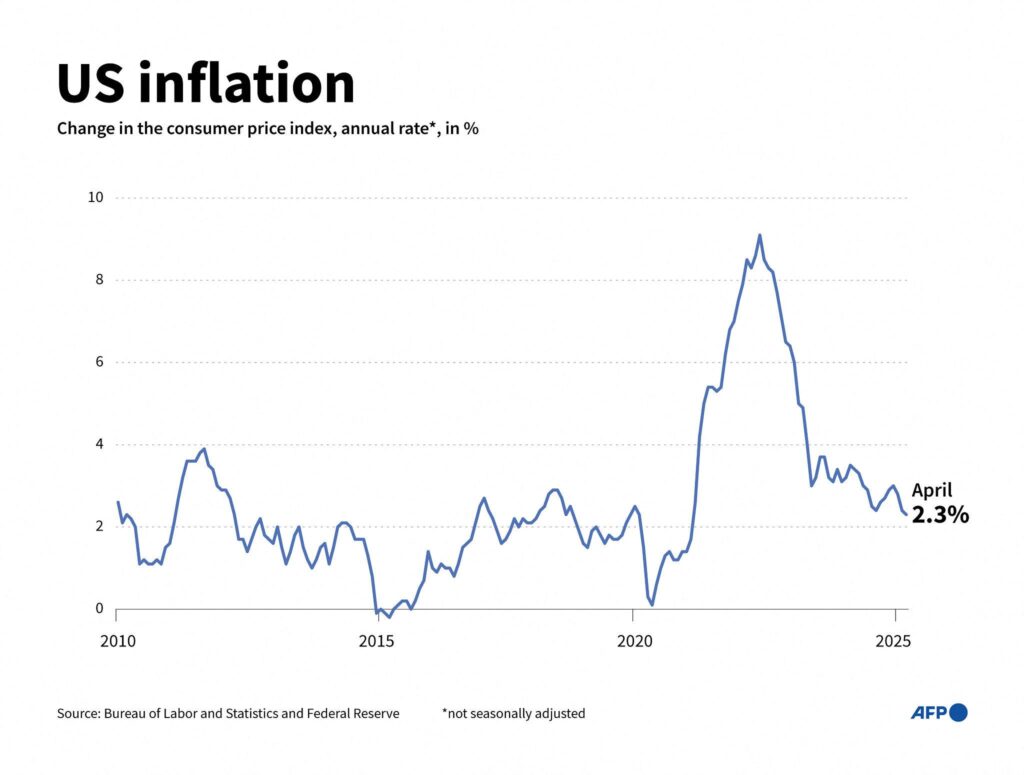
For many traders, the sudden reversal underscores a key reality: cryptocurrencies are no longer moving in isolation, but are deeply intertwined with global risk appetite and macroeconomic data. Higher producer prices and persistent inflation raise the likelihood that the Federal Reserve will keep interest rates higher for longer, placing further pressure on riskier assets like Bitcoin and altcoins.
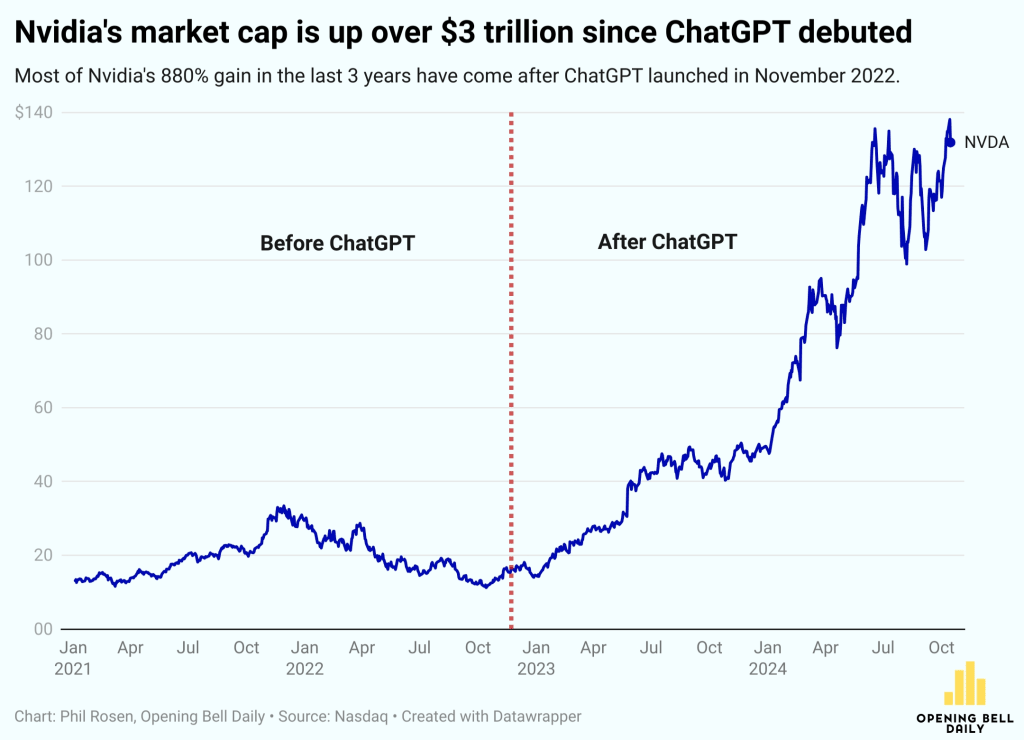
At the same time, major U.S. equity benchmarks, including the S&P 500 and Nasdaq, posted losses that rippled into crypto markets, amplifying selling. NVIDIA, a bellwether tech stock closely tied to AI and risk assets, slid after initial post-earnings enthusiasm faded — adding to broader market unease and dragging cryptos along with it.

Altcoins Bear the Brunt: Solana, XRP, Dogecoin Drop Sharply
While Bitcoin drew most headlines, many major alternative tokens also experienced sharp declines. Solana fell over 6%, Ether dipped more than 6%, XRP and Dogecoin both lost ground, and broader altcoin performance mirrored Bitcoin’s weakness. These losses wiped out much of the prior week’s brief gains across the sector.
Institutional and retail players alike reacted to the shift in sentiment by reducing exposure, particularly in assets perceived as higher risk. CryptoQuant data shows stablecoin reserves on exchanges have fallen significantly over recent weeks, signaling a potential reduction in dry powder for rebound buying.
This broad pullback highlights how even the strongest holders and sectors can be swept up in market-wide risk adjustments. As traders watch liquidity and sentiment gauges like the Fear & Greed Index hit low levels, the likelihood of sudden swings increases.
Inflation and Risk Aversion: A Double-Edged Sword
Persistent inflation has emerged as a central driver behind the market’s shift. A hotter-than-expected rise in producer prices signaled that inflationary pressures are still elevated, making the case for rate cuts less compelling. For risk assets like Bitcoin, which often perform best when borrowing costs are falling and liquidity is abundant, this is a challenging backdrop.
Investors, therefore, are recalibrating how they allocate capital between safe havens and risk-oriented instruments. With inflation sticking around and uncertainty over future Federal Reserve moves, traders are treading more cautiously. This reduction in risk appetite isn’t limited to crypto — equities, commodities, and tech stocks are reflecting similar anxieties.

Bitcoin: Tech Sell-Off and Broader Market Effects on Crypto
Beyond inflation, the technology sector’s recent volatility has also had a spillover effect. Stocks associated with high growth themes, particularly those linked to artificial intelligence, saw profit-taking after strong earnings disappointed expectations. NVIDIA’s stock, for example, initially climbed sharply but reversed as enthusiasm cooled.
This pattern reinforced a broader decline in risk assets, as traders re-weighed positions across tech and crypto markets. Given that many cryptocurrencies are still treated as speculative assets by institutional investors, cross-asset correlations remain significant. As a result, a downturn in stocks tends to accelerate selling in digital assets and vice versa.
Where Traders Are Watching Next: Support and Momentum
Analysts are now watching whether Bitcoin can hold key support levels between $60,000 and $65,000. Falling below this territory could signal deeper corrections, while reclaiming and holding higher ground could rebuild confidence. Volume patterns, ETF flows, and stablecoin reserves continue to be key indicators for who steps back into the market.
Sentiment gauges like the Fear & Greed Index, remain in extreme fear territory, suggesting caution among traders. Historically, these periods can sometimes precede rebounds, but they can also signal prolonged correction phases if macro headwinds remain dominant.
Bitcoin ETF Flows — The Full Picture: Strong Inflows Amid Outflows
While recent headlines focused on Bitcoin ETFs bleeding billions in net outflows, data from the past week shows a mixed and highly tactical institutional landscape. U.S. spot Bitcoin ETFs saw over $500 million in net inflows on a recent trading session, marking the largest single-day ETF inflow in several weeks.
This counters the narrative that all institutional interest has dried up and suggests that some large buyers see value at lower levels. These tactical flows — inflows on some days, outflows on others — point to a stop-start accumulation pattern, rather than a straight bearish trend.
Why this matters: It underscores that ETF data should be interpreted in context — not just net outflows — and that great institutional demand can still enter the market suddenly, helping fuel rebounds. This nuanced flow dynamic offers a more balanced view than simply saying Bitcoin ETFs are “bleeding” money.
Institutional Wallets and Accumulation Amid Price Pressure
Another dimension rarely discussed is corporate accumulation. Some institutional players, most notably Strategy (formerly MicroStrategy), have continued to buy Bitcoin even as prices have declined. During a recent week of selling pressure, Strategy purchased nearly 600 BTC for about $39.7 million, bringing its total holdings to more than 717,000 BTC — at a cost basis significantly above current prices.
This behavior signals that some institutional treasuries are treating Bitcoin as a long-term asset class, not a short-term trade, despite temporary valuation losses.
Strategy’s ongoing accumulation highlights a deeper divide in market psychology — while some institutional capital is exiting via ETFs, others are doubling down on long-term ownership, providing a structural support layer under the market.
On-Chain Activity & Participation Trends
Beyond prices and ETF flows, on-chain indicators reveal changing user behavior. Recent blockchain data shows that daily fee revenue and transaction activity on Bitcoin’s network remain relatively weak compared to past cycles, pointing to a lower breadth of network participation during this consolidation phase.
This doesn’t mean the network is broken — miners still earn significant rewards — but it suggests that everyday retail use and broad participation have cooled, shifting much of the trading volume to off-chain products such as ETFs and derivatives.
As Bitcoin evolves, its market structure is shifting. With more institutional flows and fewer retail transactions, price action increasingly resembles a macro financial instrument rather than purely a consumer utility network.
Evolving Role of Bitcoin in Institutional Portfolios
A broader academic analysis of Bitcoin’s correlation dynamics shows that after ETF approval, Bitcoin’s relationship with major U.S. equity indices has strengthened, particularly during major market events.
In practical terms, this means Bitcoin moves more in tandem with the Nasdaq and S&P 500 during risk-off periods, reducing its effectiveness as a pure “uncorrelated hedge.” This is especially relevant given recent inflation data and equity market weakness, which have hit both stocks and crypto simultaneously.
For investors treating Bitcoin as a diversification tool, evolving correlations highlight the need for balanced risk management and hedging, especially when macro shocks align across asset classes.
ETF Mechanics Can Dampen Price Impact
One structural nuance largely missing from mainstream commentary is how Bitcoin ETF flows translate (or fail to translate) into price action. Sometimes, even when ETFs show net inflows, those flows don’t immediately push spot prices higher. One reason is that authorized participants (the entities creating ETF shares) often hedge their exposure with futures positions, so large inflows may be offset by short positions in derivatives markets.
Understanding this mechanism explains why positive ETF data doesn’t always lead to breakout rallies, and why Bitcoin can remain range-bound even amid strong institutional interest.
Market Stress and Crypto’s Resilience Test
In the short term, the crypto market’s sharp decline is a reminder that digital assets remain vulnerable to broader financial and economic shocks. Selling pressure from traders and macro uncertainties dealt a blow to prices, but strong institutional interest — including significant spot Bitcoin ETF inflows — reveals ongoing long-term interest.
For investors and traders alike, the next weeks are likely to be a litmus test for resilience. If inflation begins to cool and risk sentiment improves, crypto assets could stabilize or rebound. However, continued selling pressure and macro volatility may keep prices under pressure.
Subscribe to trusted news sites like USnewsSphere.com for continuous updates.