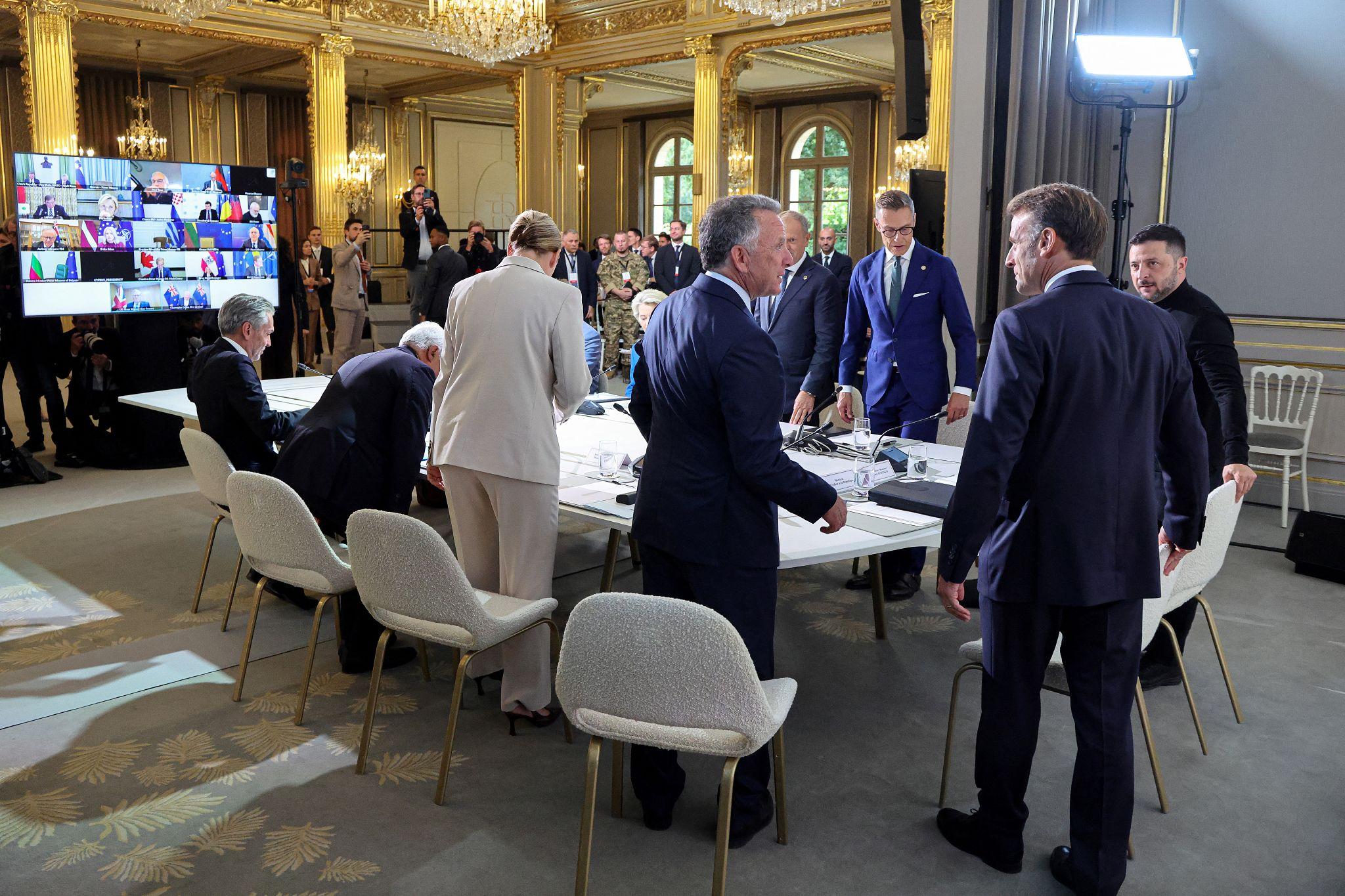
Europe rejects Trump’s war push as global tensions rise in 2026, marking a major shift in transatlantic relations as European leaders publicly distance themselves from potential U.S. military escalation.
In the first clear response to rising geopolitical pressure, multiple European officials signaled that they do not support any aggressive military action proposed under Donald Trump’s influence. The core message is simple: this is not Europe’s war. The situation raises urgent questions about NATO unity, global security, and the future of Western alliances.
This matters now because divisions between the U.S. and Europe could weaken global stability, affect financial markets, and reshape defense strategies worldwide.
Europe Draws a Line on Military Involvement
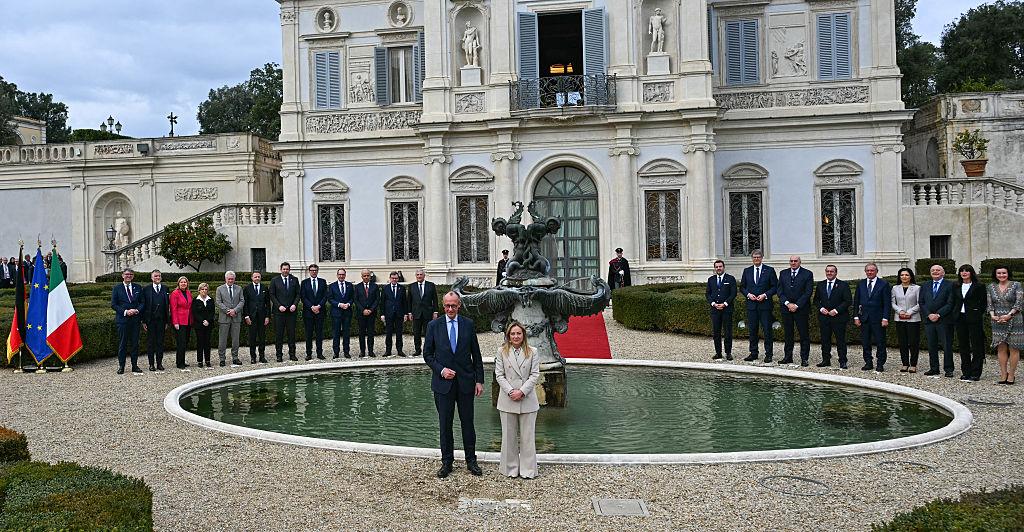
European leaders are becoming increasingly vocal about their unwillingness to follow the United States into another potential conflict. Officials across major nations like Germany, France, and Italy have emphasized that their priority remains diplomacy, not escalation.
This is a significant departure from past decades, where Europe often aligned closely with U.S. foreign policy decisions. The phrase “not our war” reflects growing public pressure within Europe, where citizens are wary of economic strain, energy crises, and prolonged instability.
Leaders are also aware that entering another war could severely impact domestic economies. Inflation, already a concern in many EU countries, could worsen if energy supply chains are disrupted again.
Why Europe Is Resisting Trump’s Approach
One of the main reasons Europe is resisting is the difference in strategic priorities. While Trump’s stance signals a more aggressive, America-first approach, Europe is focused on long-term regional stability and avoiding unnecessary confrontation.
Another key factor is political sentiment. Many European governments are facing elections or dealing with fragile coalitions. Supporting a controversial war could cost leaders public trust and political power.
Additionally, Europe has learned from past conflicts. Wars in Iraq and Afghanistan created long-term consequences that still influence policy decisions today. Leaders are now more cautious, preferring sanctions, negotiations, and economic pressure instead of direct military action.
Impact on NATO and Global Alliances
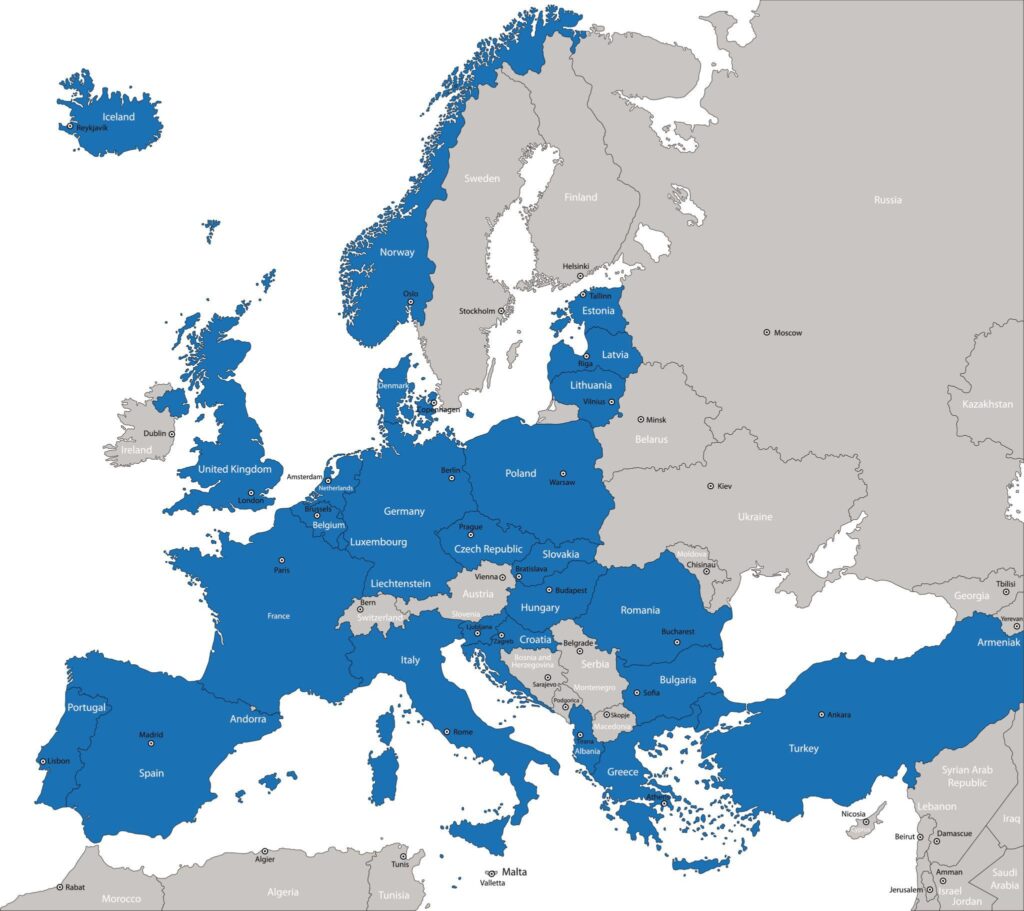
This divide could have serious implications for NATO. The alliance has long depended on unity between the United States and Europe. If that unity weakens, NATO’s effectiveness could be questioned.
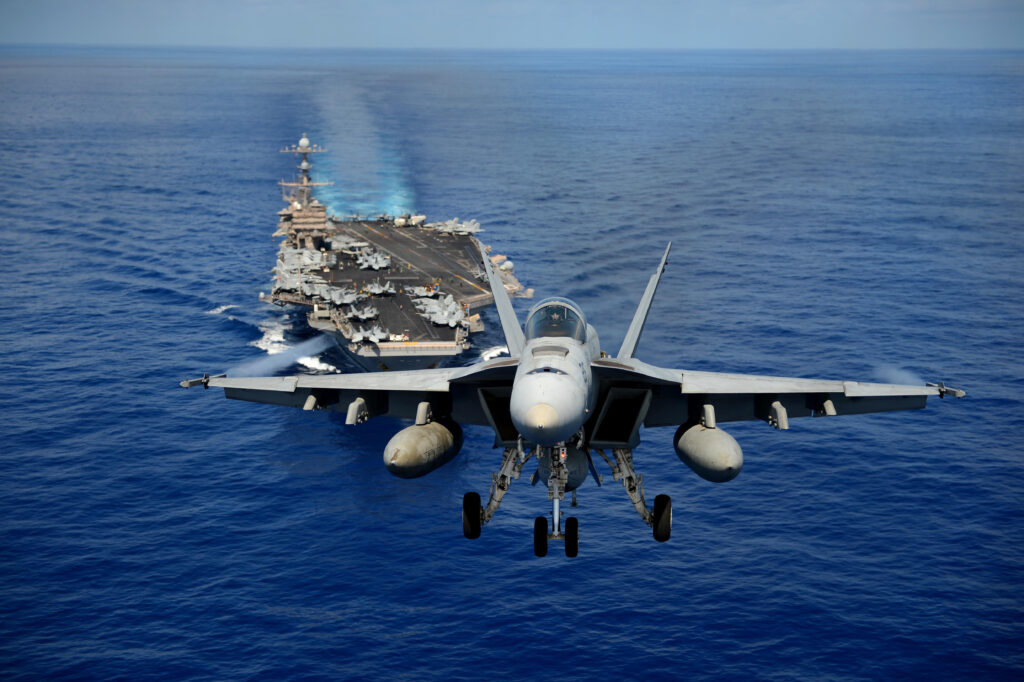
A fractured NATO could also embolden rival powers. Countries like Russia and China may see this as an opportunity to expand influence, knowing that Western alliances are not fully aligned.
Financial markets are already sensitive to geopolitical uncertainty. Defense stocks, energy prices, and global trade routes could all be affected if tensions escalate further without coordinated action.
Economic and Global Market Consequences
The economic impact of this situation could be far-reaching. Europe’s refusal to engage in conflict may help stabilize its own markets, but global uncertainty still poses risks.
Energy remains a major concern. Europe has only recently begun recovering from past supply disruptions. Another conflict could push oil and gas prices higher, affecting both European and U.S. consumers.
In the U.S., markets may react differently. Increased defense spending could boost certain sectors, but broader uncertainty often leads to volatility in stocks and currency markets. Investors are watching closely for any signs of escalation or diplomatic resolution.
Why This Matters Now for the World
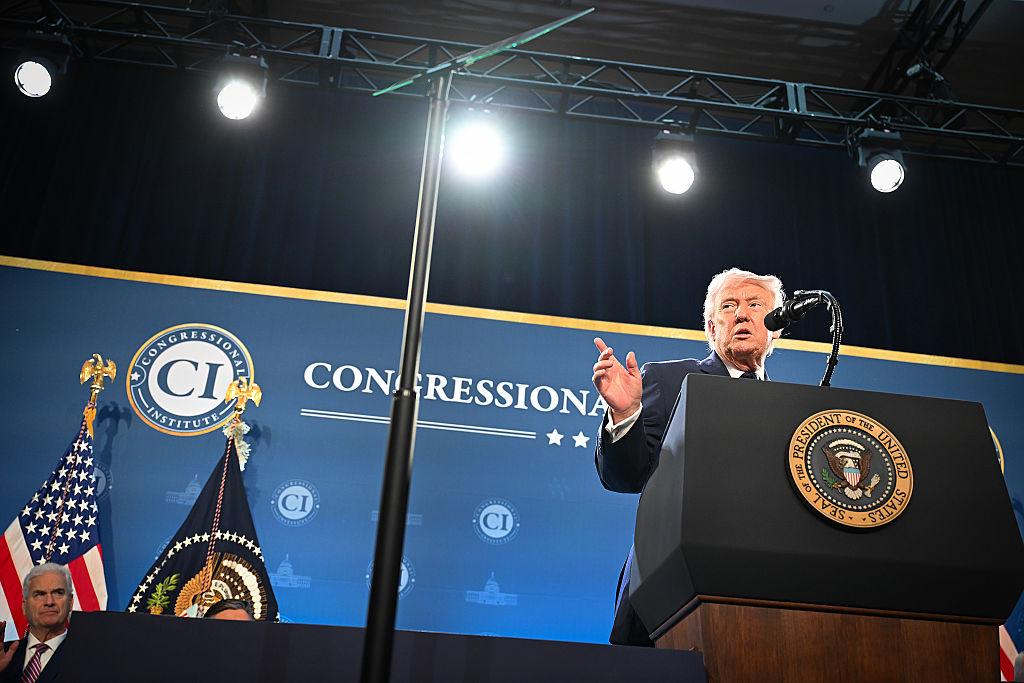
This moment represents a turning point in global politics. The traditional alignment between the U.S. and Europe is being tested, and the outcome could redefine international relations for years to come.
For the United States, this signals that unilateral decisions may no longer receive automatic support from allies. For Europe, it reflects a growing desire for independence in foreign policy.
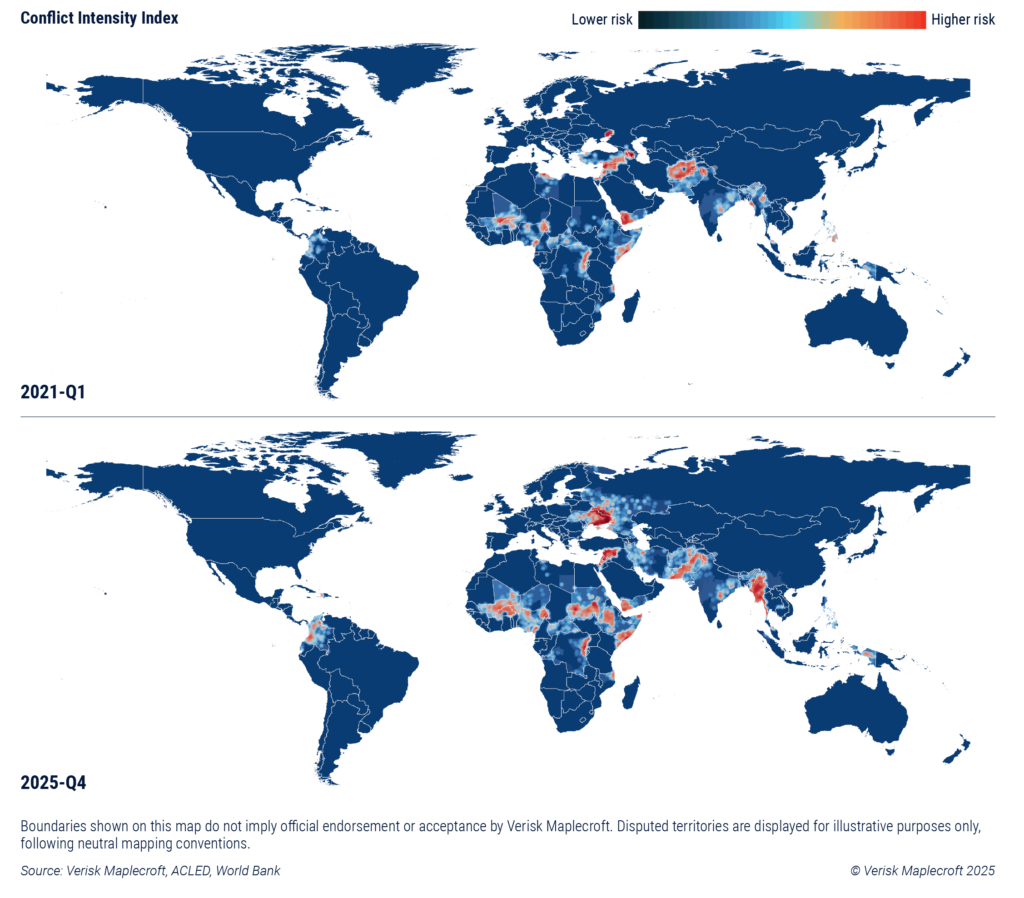
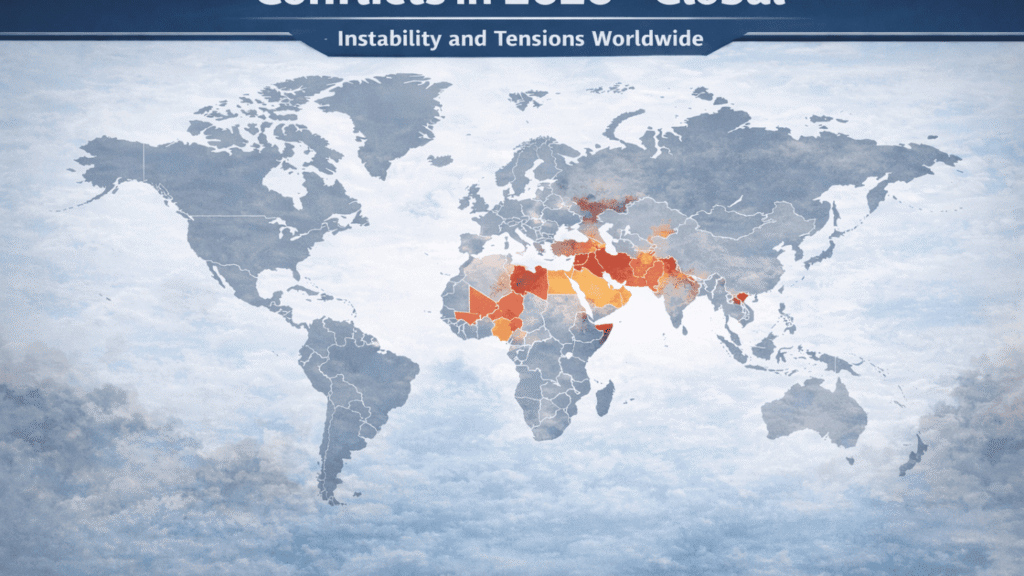
For the rest of the world, this situation highlights increasing uncertainty. Countries will need to reassess their own alliances and strategies based on how this conflict evolves.
What Happens Next in This Global Standoff
Looking ahead, the situation remains fluid. Diplomatic efforts are likely to intensify as both sides attempt to avoid a complete breakdown in relations.
There is also the possibility that internal political changes in either the U.S. or Europe could shift the direction of policy. Elections, leadership changes, and public opinion will all play a role.
The most likely short-term outcome is continued tension without immediate conflict. However, the long-term implications depend on whether the U.S. and Europe can find common ground again.
A New Era of Global Power Balance
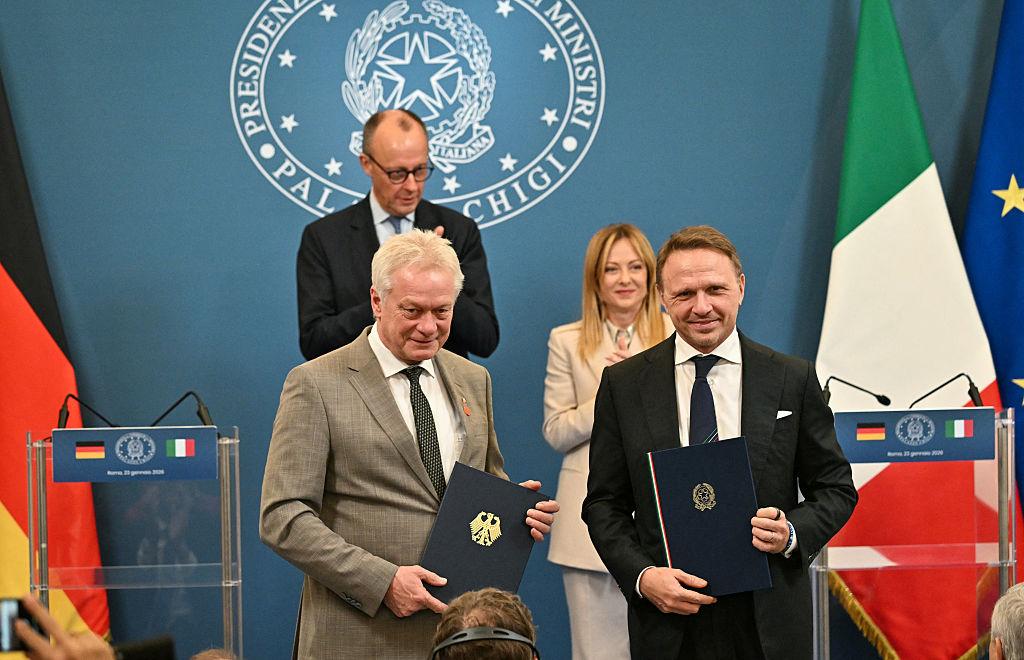
The current divide between Europe and Trump’s war stance signals a deeper transformation in global politics. Alliances are no longer guaranteed, and every major decision is being scrutinized more than ever before.
This is not just about one conflict—it’s about the future of international cooperation, economic stability, and global security.
If Europe continues to assert independence while the U.S. pushes a different agenda, the world could be entering a new era where power is more fragmented and less predictable.
Subscribe to trusted news sites like USnewsSphere.com for continuous updates.