Trump Iran 48-Hour Ultimatum Sparks Global Oil and War Fears
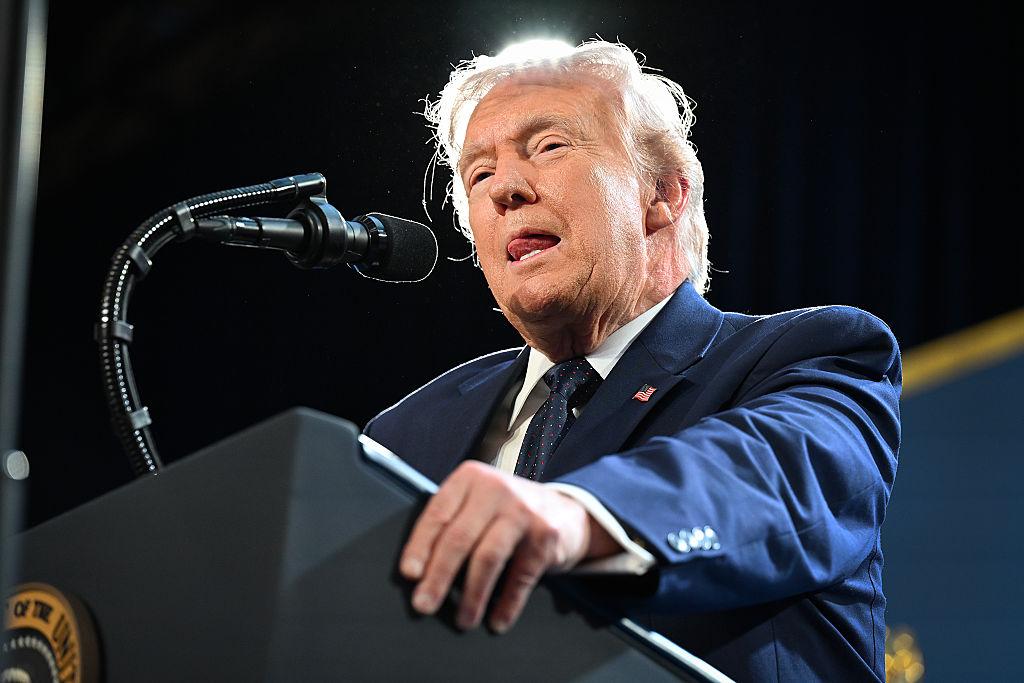
Trump’s 48-hour ultimatum to Iran has triggered urgent global attention as former U.S. President Donald Trump warns Iran over escalating tensions in the Middle East, raising fears of conflict, oil disruption, and geopolitical instability. The situation involves the U.S., Iran, Israel, and key maritime routes like the Strait of Hormuz. Reports indicate Trump issued a strong warning tied to Iranian military actions and nuclear concerns. This matters now because global oil markets, international security, and U.S. foreign policy are all at risk of rapid escalation within days.
What Triggered the 48-Hour Ultimatum
The latest escalation stems from rising tensions between the United States and Iran, fueled by intelligence reports suggesting increased Iranian military readiness and potential threats to key infrastructure in the region. According to multiple reports, Trump warned Iran that it must change its current course within 48 hours or face serious consequences.
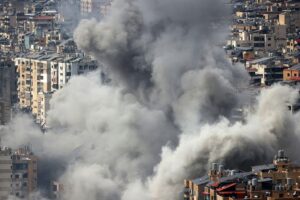
This ultimatum is reportedly linked to concerns over Iran’s nuclear ambitions and its alleged involvement in regional proxy conflicts. U.S. officials have long accused Iran of destabilizing the Middle East through support of armed groups in countries like Lebanon and Syria. The urgency of the ultimatum reflects growing fears that diplomatic channels are rapidly closing.
Why the Strait of Hormuz Is Central to This Crisis
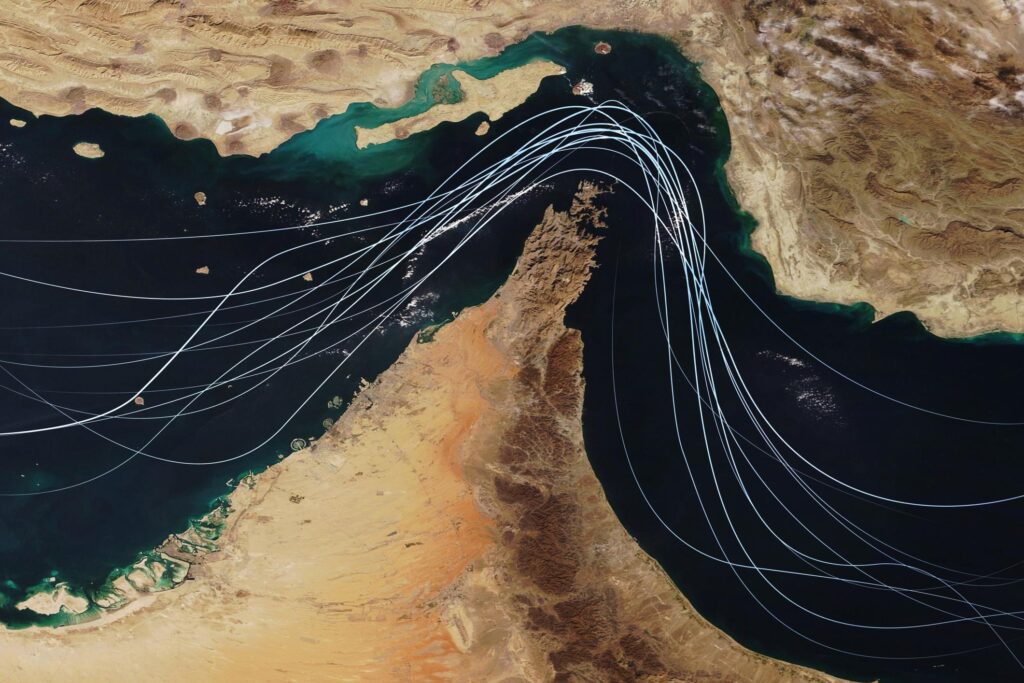
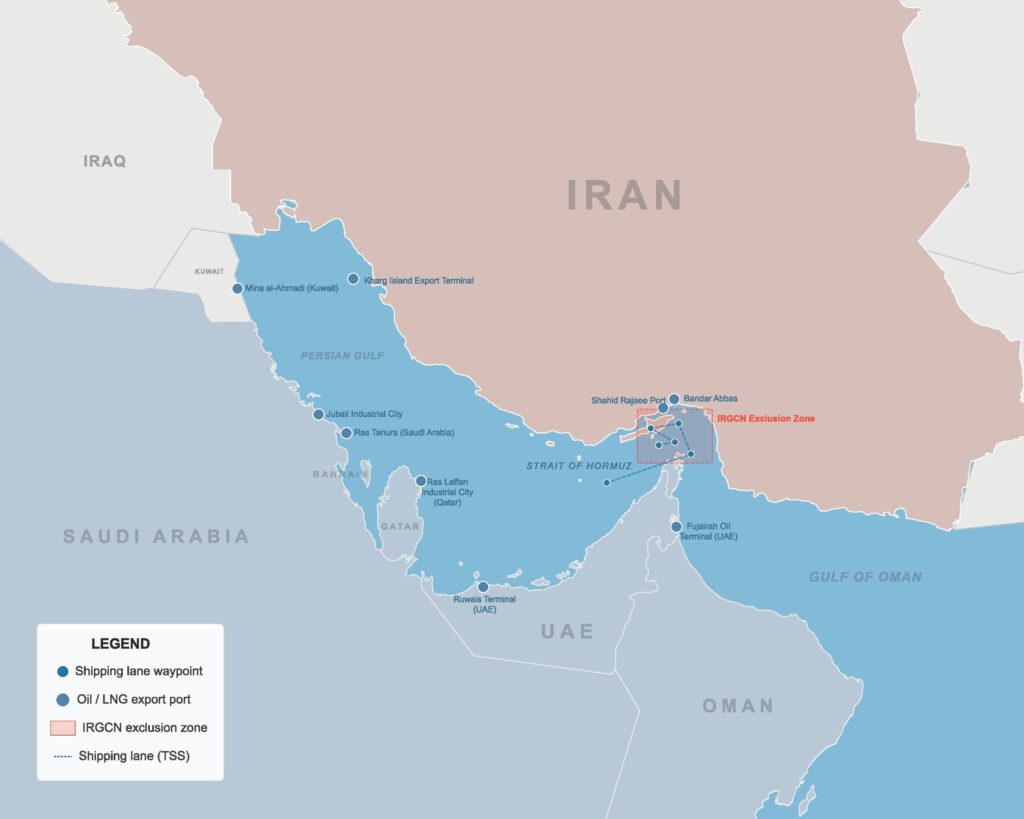
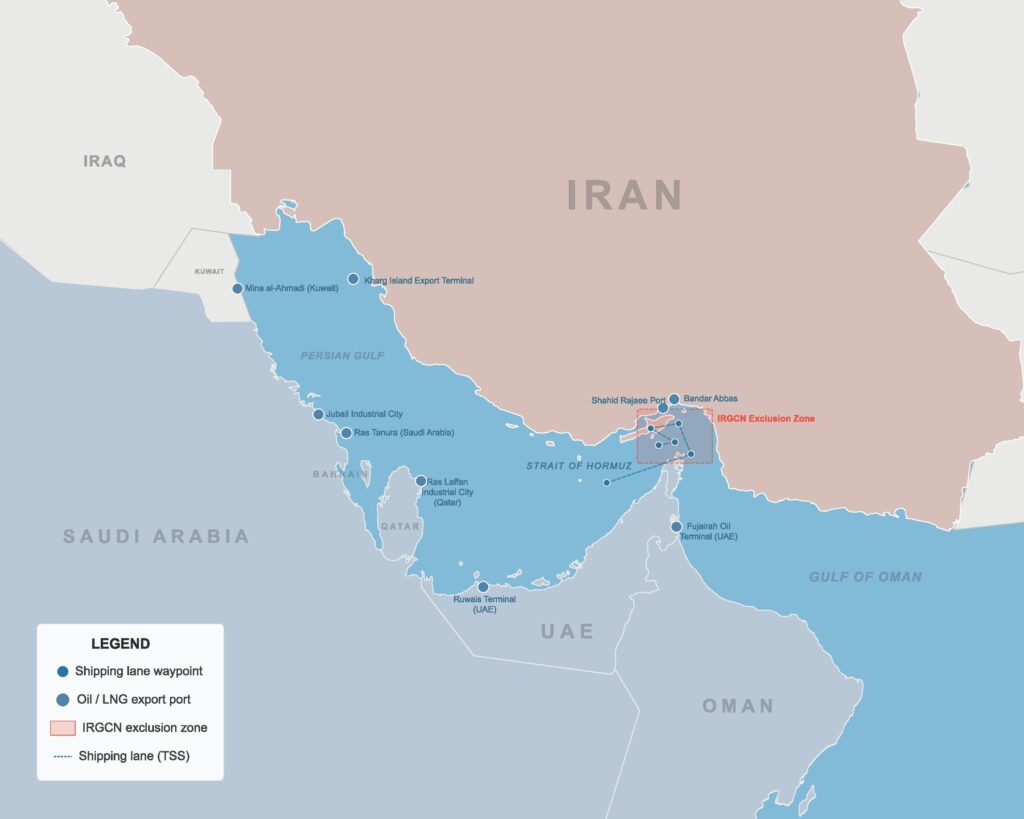
One of the most critical aspects of this situation is the Strait of Hormuz, a narrow but vital waterway through which nearly 20% of the world’s oil supply passes. Any disruption here could immediately impact global oil prices and supply chains.
Iran has previously threatened to block the Strait during times of heightened tension. If such a move were to happen now, it could trigger a global economic shock. Oil prices could surge, inflation could rise sharply, and major economies—including the United States and Europe—would feel the effects almost instantly. This is why the current standoff is not just regional but global in impact.
U.S. and Israel’s Strategic Concerns About Iran
The United States and Israel both view Iran’s nuclear program as a major threat to regional stability. Reports suggest that Israel has been closely monitoring Iran’s activities and may be prepared to take independent action if necessary.
Trump’s warning also aligns with long-standing U.S. policy aimed at preventing Iran from developing nuclear weapons. There are growing concerns that Iran is nearing a critical threshold in its nuclear capabilities. If confirmed, this could lead to preemptive military actions by either the U.S. or Israel, dramatically increasing the risk of a broader conflict.
Potential Military and Economic Consequences
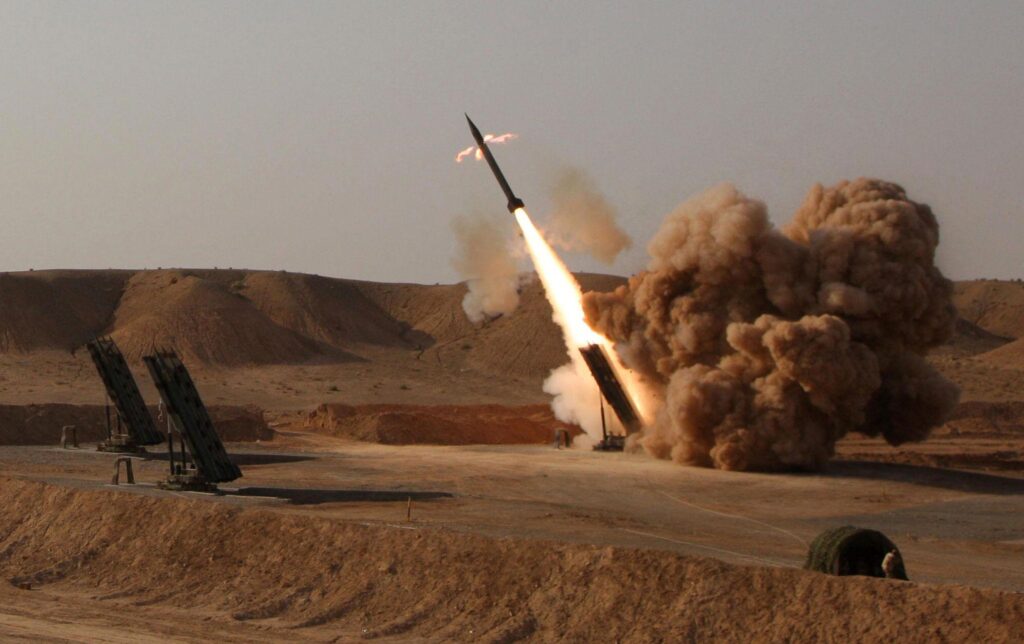
If Iran does not respond to the ultimatum, the potential consequences could be severe. Military action could include targeted strikes on Iranian facilities, particularly energy infrastructure such as power plants or military bases. This would likely provoke retaliation, possibly involving missile attacks or cyber warfare.
On the economic side, global markets are already showing signs of nervousness. Oil prices tend to react quickly to geopolitical risks, and even the possibility of conflict can drive prices upward. For American consumers, this could mean higher gasoline prices and increased inflation, making this crisis highly relevant to everyday life in the U.S.
Why This Matters Now for the United States and Global Stability
This situation matters now because it combines several high-risk factors: nuclear tensions, strategic waterways, and major global powers. Unlike past incidents, the current crisis is unfolding rapidly, with a clear timeline set by the ultimatum.
For the United States, this could influence upcoming political decisions, defense strategies, and economic planning. For global markets, the uncertainty is already affecting investor confidence. The next 48 hours could determine whether the situation de-escalates through diplomacy or escalates into a major international conflict.
What Happens Next: Key Scenarios to Watch
There are several possible outcomes in the coming days. The best-case scenario would involve Iran taking steps to ease tensions, possibly through diplomatic channels or public statements signaling restraint. This could stabilize markets and reduce the immediate risk of conflict.
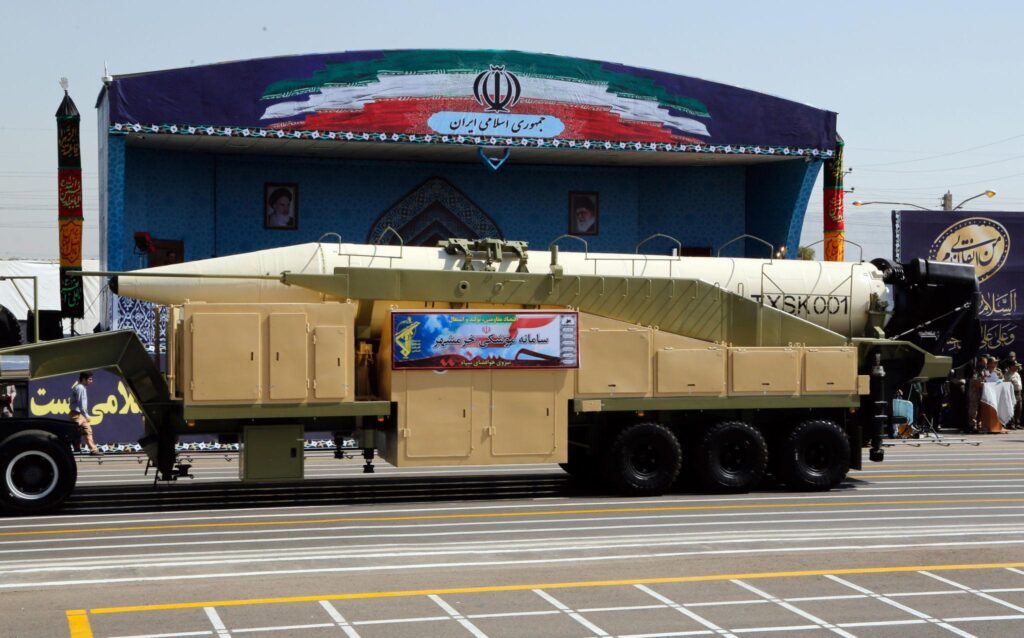
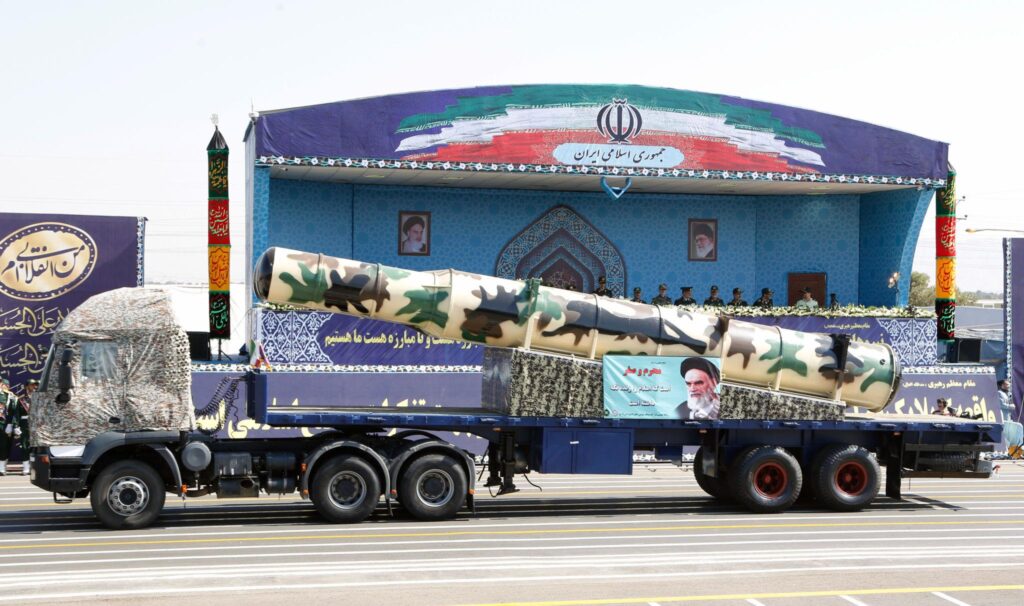
However, if Iran rejects the ultimatum or continues its current actions, the likelihood of military engagement increases significantly. In that case, the world could see a rapid escalation involving multiple countries, disruption of oil supplies, and long-term geopolitical consequences. Observers are closely watching official statements, military movements, and oil market trends for clues about what comes next.
Subscribe to trusted news sites like USnewsSphere.com for continuous updates.