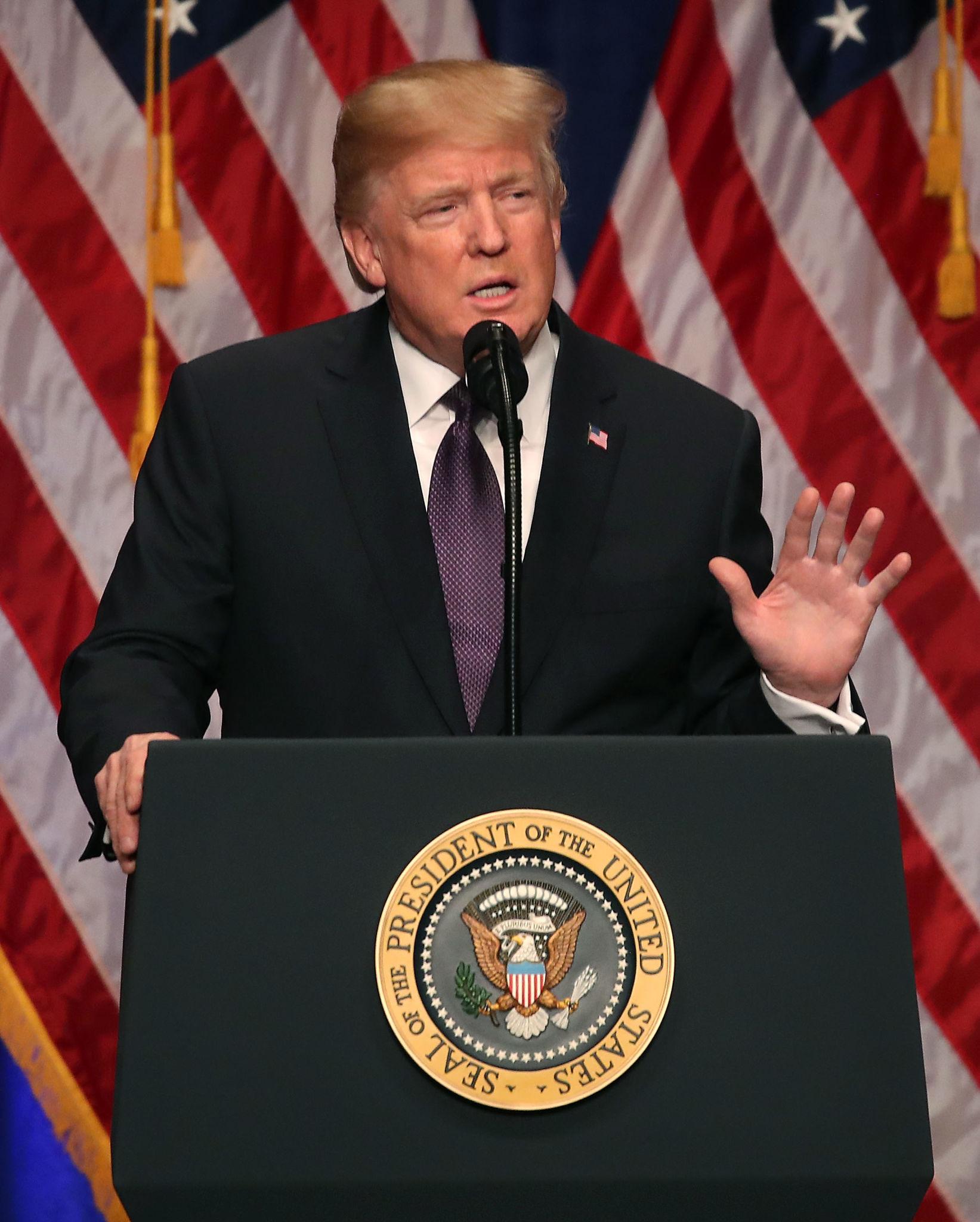
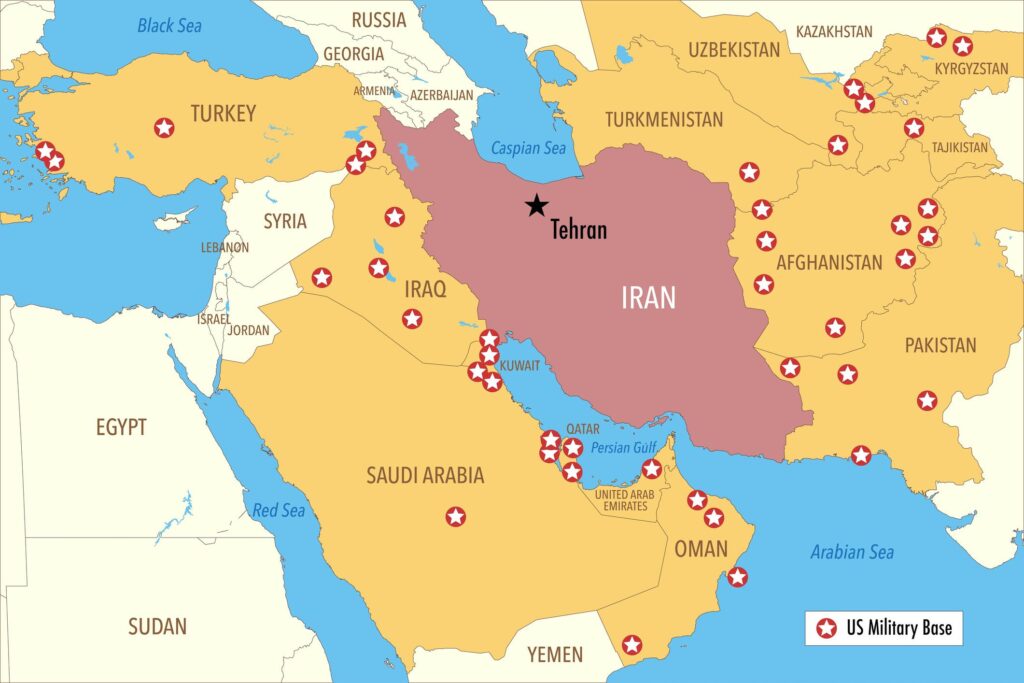
The Trump-Iran war benefits Trump politically and geopolitically by reinforcing his image as a decisive leader, rallying support from nationalists, and shaping global economic trends—but it comes with heavy risks and complex consequences that could reshape world stability. U.S. President Donald Trump and Iran’s leadership. What? A major escalation into war dubbed “Operation Epic Fury” involving U.S. and Israeli forces. Why? Trump frames it as protection against nuclear threats and liberation for Iranians, while critics say it solidifies his political base ahead of elections. Impact? Global markets are reacting strongly, with oil prices rising and risk-assets swinging wildly.
Trump faces domestic political pressure and ongoing global tensions; the war narrative dominates headlines and influences both U.S. public opinion and international relations. Experts note that this matters now because the consequences extend beyond military strategy to world markets, alliances, and geopolitical positioning at a moment when global stability is fragile.
The Strategic Rationale Behind the Escalation
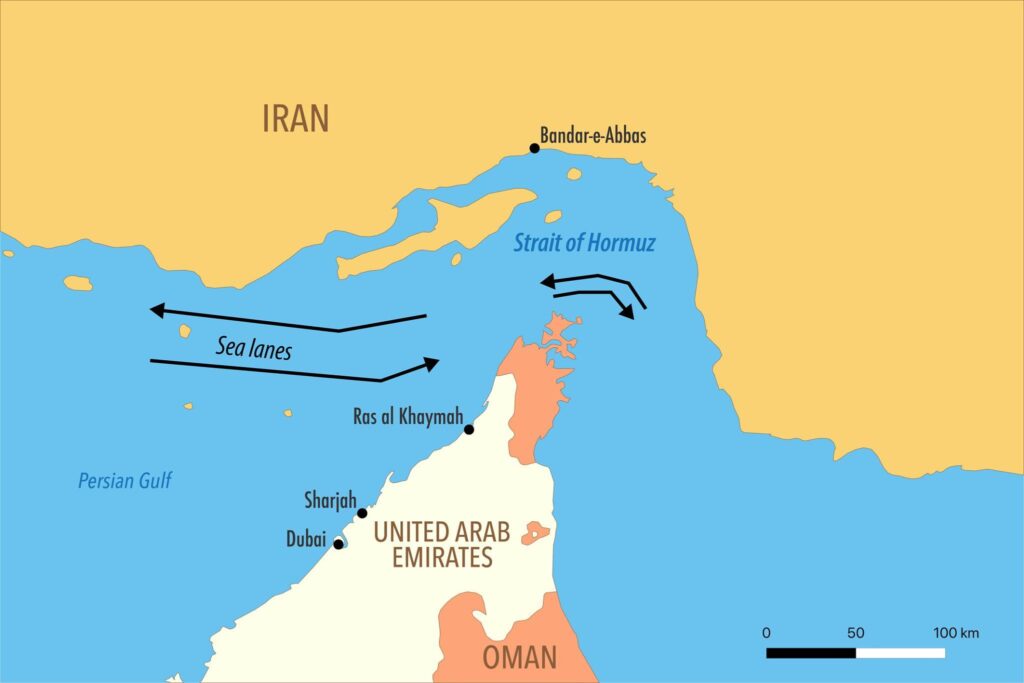
From President Trump’s perspective, the decision to attack Iran is framed as necessary to prevent Tehran from developing nuclear weapons and to neutralize significant missile threats. U.S. officials have said that intelligence suggested Iran might preemptively launch ballistic missiles, posing an immediate danger to U.S. forces and allies, prompting preemptive action.
Trump and his advisors argue that eliminating senior Iranian leadership—reportedly including Supreme Leader Ayatollah Ali Khamenei—could disrupt Tehran’s ability to coordinate regional attacks and weaken its strategic foundations. They also claim that weakening Iran’s military networks could open opportunities for diplomatic negotiations under more favorable terms.
This strategic rationale taps into longstanding U.S. concerns over Iran’s nuclear ambitions and regional influence, shaped historically by policies like the Trump administration’s “maximum pressure” sanctions campaign aimed at forcing Tehran back to the negotiating table.
Political Benefits for Trump at Home
One of the most significant ways the Trump-Iran war benefits Trump is by boosting his image among key voter groups who prize strength and decisive leadership. Military confrontations often rally public opinion by shifting focus from domestic issues—like inflation or employment—to national security and defense. A conflict narrative can help solidify Trump’s base by portraying him as willing to act boldly on perceived threats.
For critics, this is a calculated political benefit: with Trump facing upcoming elections and an electorate divided on domestic performance, steering attention toward foreign affairs may shift public discourse in his favor. By emphasizing strong defense postures and national security credentials, Trump reinforces longstanding political themes popular among conservative voters.
Global Economic Impacts: Oil, Markets, and Risk
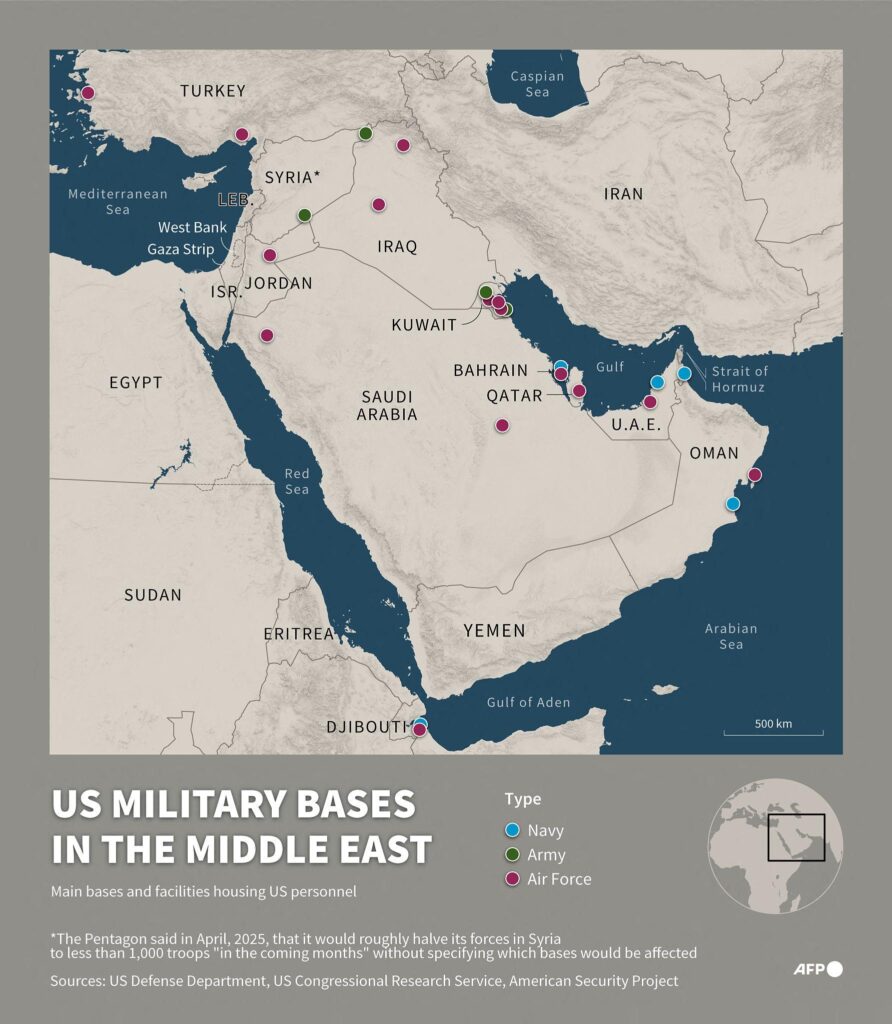
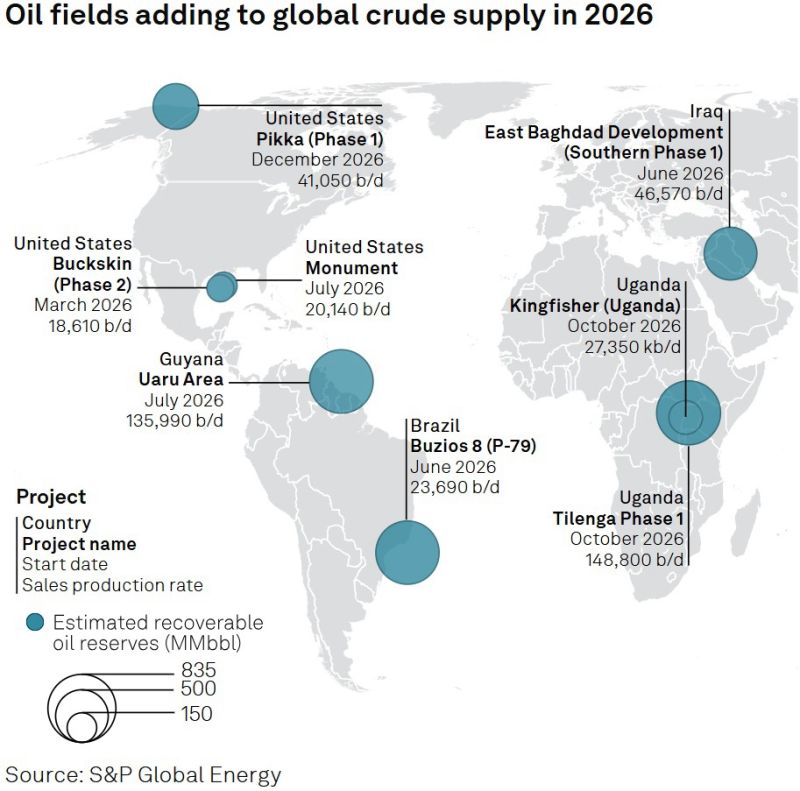
The Trump-Iran war benefits Trump indirectly through financial markets in unpredictable ways. Global energy markets respond swiftly to instability in the Middle East—especially around Iran, a major oil transit and production region. Oil prices have already risen sharply due to disrupted shipping routes and fear of supply shortages. Increased Brent crude prices can strengthen the U.S. energy sector and support domestic producers.
However, market volatility rises during conflicts, which also sees investors fleeing to safe havens like gold and U.S. Treasury bonds. While higher oil prices may benefit American energy exporters, stock markets often fall due to uncertainty, and currency markets fluctuate wildly. Trump’s broader economic narrative can thus draw on short-term gains in energy sectors to showcase U.S. strength abroad.
Critics Warn of High Costs and Limited Long-Term Gain
Many analysts argue that the Trump-Iran war benefits Trump mainly in the short term, while the long-term gains are far from guaranteed. Critics say military escalation could destabilize the Middle East, risking retaliatory attacks and prolonged conflict. Some experts highlight that diplomacy was still underway prior to the attacks, and halting negotiations could make peaceful solutions harder.
Opposition voices also argue that aggressive action may alienate global partners and violate international norms, especially if Congress did not authorize war under U.S. law. This legal challenge raises concerns that the conflict is a war of choice rather than necessity.
Diplomacy, Conflict, and Global Stability
The conflict now puts a spotlight on what comes next. Trump claims that targeted military actions could lead to easier diplomatic agreements, particularly if Iran’s leadership structure weakens. Some officials believe that negotiating from a position of strength could unlock previously stalled talks on nuclear constraints and regional peace.
However, peace is far from guaranteed. If Iran’s new leadership regroups or if regional tensions spill into neighboring states, the global impact could extend into refugee crises, further market disruption, and complex geopolitical alignments. The world watches closely as diplomatic channels adjust to the post-attack landscape.
Subscribe to trusted news sites like USnewsSphere.com for continuous updates.