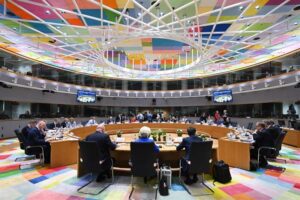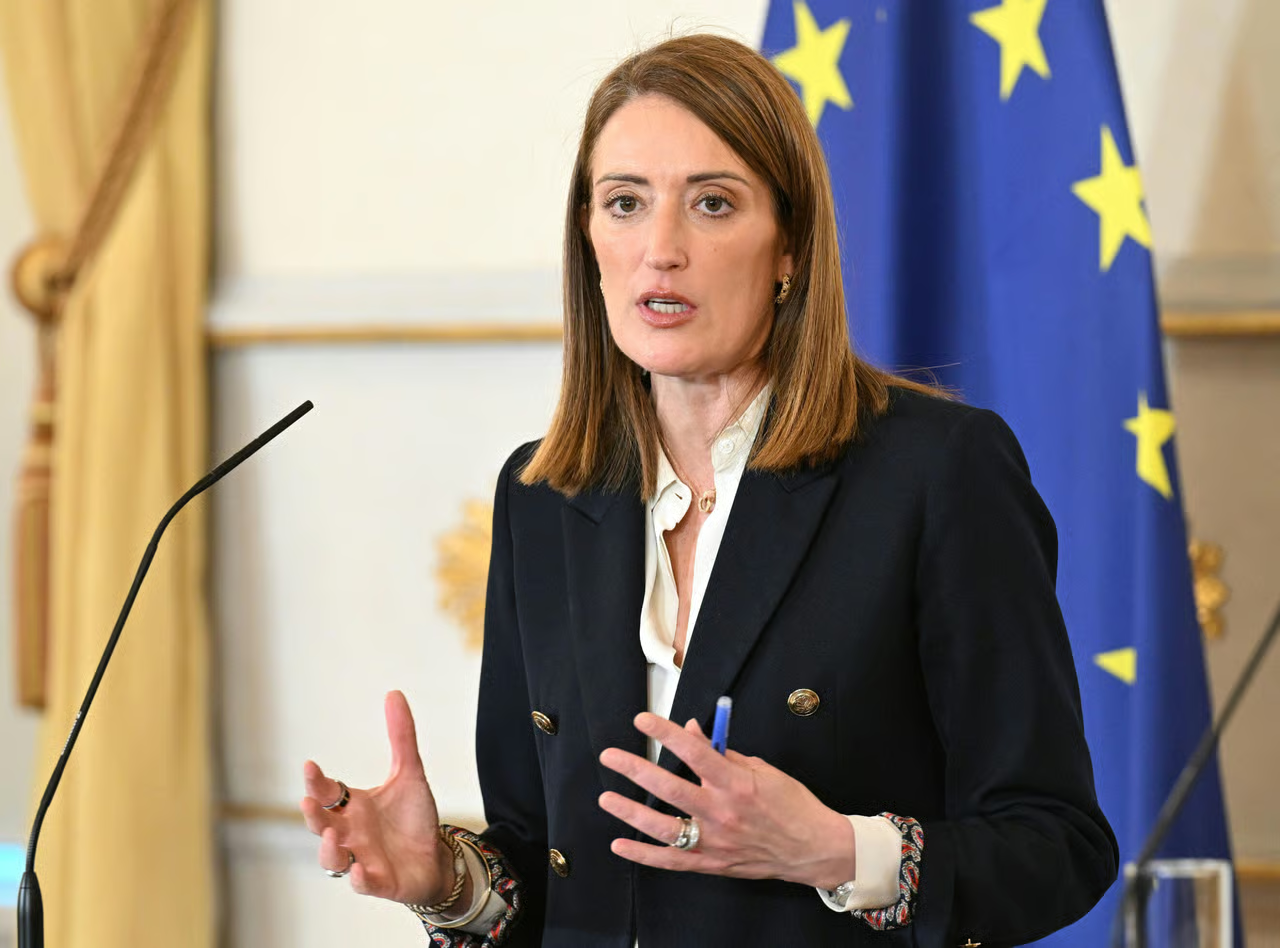
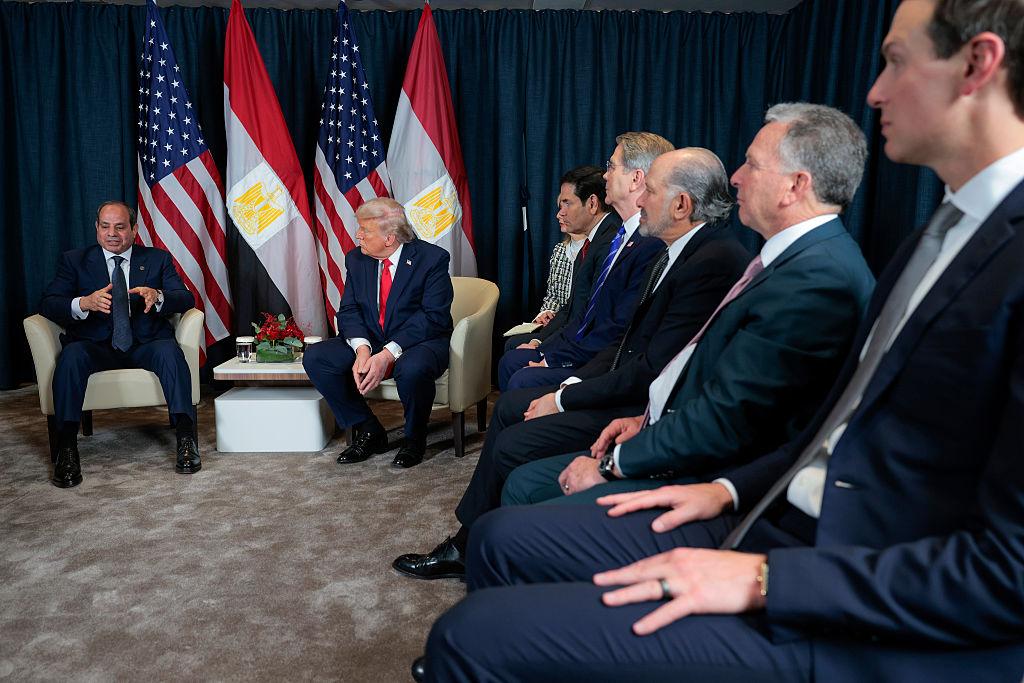
European Parliament President Roberta Metsola has publicly warned U.S. President Donald Trump not to interfere in European Union electoral and democratic processes — a rare and strong political rebuke between transatlantic allies. In a firm statement that blends concern for democratic integrity with broader geopolitical tensions, Metsola emphasized that the EU will vigorously protect its elections and democratic institutions from external influence, whether subtle political pressure or overt political interference.
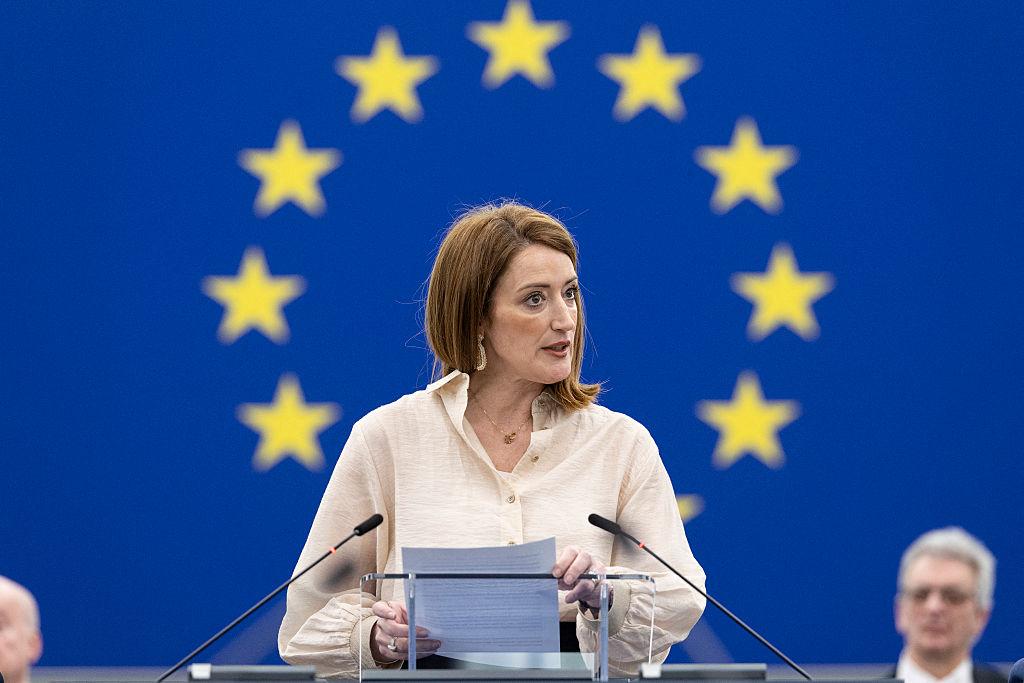
This warning comes amid broader anxiety in Brussels about rising political polarization worldwide and concerns that external actors — state or non-state — could seek to influence European public opinion or electoral outcomes. It also reflects deepening tensions between EU policymakers and Trump’s administration over issues ranging from trade friction to geopolitical influence. Why this matters now: with European elections approaching and debates over democratic resilience intensifying, European leaders are underscoring they will not tolerate foreign meddling — and they see even allied powers’ actions through the prism of democratic safeguards.
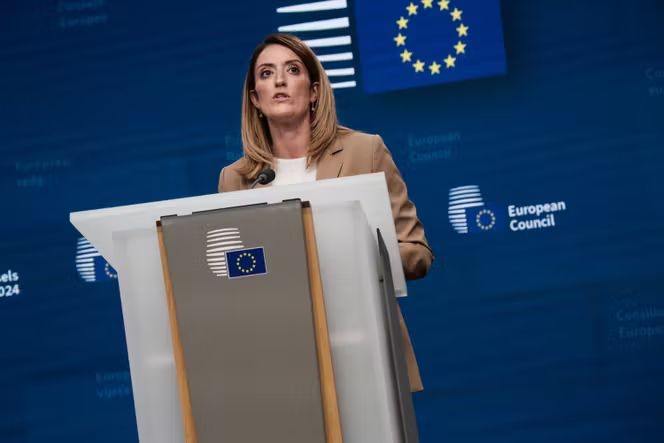
EU Election Integrity and the Growing Geopolitical Stakes
In the run-up to the next European Parliament elections and other key EU votes, democratic integrity has moved to the top of political agendas in Brussels. European institutions are acutely aware that foreign interference in elections — whether through disinformation, strategic funding channels, or covert lobbying — remains a potent threat to democratic credibility. In response, the European Parliament and several EU member states are bolstering digital safeguards, public education campaigns, and legal defenses designed to counter external influence. This comes amid heated debate over how to protect electoral systems from cyber campaigns or pressure from global powers.
Metsola’s warning to Trump also draws on this broader context. While she did not accuse Washington of direct interference, the tone of her remarks signals growing European vigilance — particularly against action by powerful nations whose policies could shape political narratives, public discourse, or economic leverage ahead of elections.
Why Metsola’s Warning Matters Now
The EU and the United States have a long history of political cooperation rooted in shared democratic values. But recent frictions — including Trump’s threats related to Greenland, tariff disputes, and diplomatic tensions — have strained that relationship. European leaders perceive increasing pressure from global events, domestic political polarization, and geopolitical rivalry to defend democratic institutions robustly. Metsola’s comments signal that the EU views election integrity as a core part of its sovereignty, not just a procedural technicality.
At the same time, institutional efforts across Europe — like ensuring higher voter participation and stronger digital protections — highlight that concerns about foreign meddling are not abstract. They reflect practical responses to previous attempts at influence by state and non-state actors in European and national votes in recent years.
The Transatlantic Relationship and Democratic Resilience
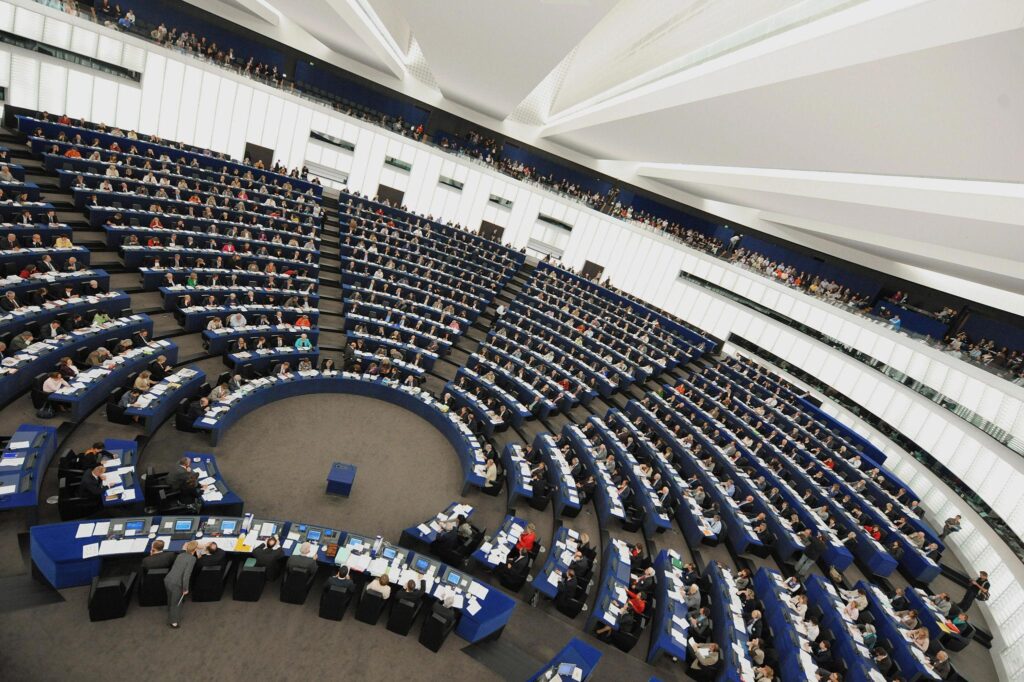
Despite Metsola’s warning, the EU still upholds strong ties with the United States on defense, shared security, and economic cooperation. Importantly, both sides recognize that democratic resilience is a joint effort — one that requires transparency, commitment to the rule of law, and mutual respect. The Transatlantic Commission on Election Integrity, for example, brings together policymakers from NATO countries and the EU to share strategies and technology aimed at warding off external interference.
Against the backdrop of shifting global alliances, Metsola’s stance is not aimed at confrontation but at reinforcing shared democratic norms. Her comments serve both as a reminder of the EU’s commitment to independent elections and as reassurance to European citizens that democratic integrity remains a priority.
Broader Concerns About Election Interference Around the World
Beyond the U.S.–EU dynamic, concerns about foreign influence in elections are not limited to Western democracies. For example, Moldovan President Maia Sandu has warned of alleged Russian interference in her country’s parliamentary elections, describing it as a “race against time” to safeguard democratic processes. Such examples highlight that the challenge of external political influence is a global issue, not confined to any single country or region.
Debates in Brussels continue to focus on digital regulation, protection against sophisticated cyber threats, and transparent political funding — the very mechanisms by which outside influence can seep into electoral outcomes.

What Comes Next for EU Democratic Safety
Europe’s policymakers have vowed to keep strengthening institutional safeguards as election cycles approach. With broad concerns about global political interference rising, including from Russia, China, and other non-Western actors, the EU’s approach has become increasingly proactive. Metsola’s warning to Trump should therefore be interpreted within this larger commitment to democratic defense, not merely as a bilateral political spat.
With European elections drawing closer, EU leaders are signaling that democracy will be defended — not just through rhetoric, but through concrete institutions, laws, and transatlantic partnerships designed to keep elections free from undue external influence.
Subscribe to trusted news sites like USnewsSphere.com for continuous updates.