Zelenskyy Invites Putin to Kyiv as Russia-Ukraine War Intensifies
A bold diplomatic move aiming to push for peace amid relentless Russian attacks, rising civilian suffering, and tenuous ceasefire talks that experts say could reshape momentum in the long-running conflict. In his strongest public statement yet, Ukrainian President Volodymyr Zelenskyy rejected Kremlin invitations to negotiate in Moscow and instead invited Russian President Vladimir Putin to Kyiv — signaling Ukraine’s confidence and resolve while highlighting deep distrust. This unprecedented offer comes as Russia continues military strikes across multiple regions and global leaders pursue pause efforts to ease civilian suffering during extreme winter cold. Why this matters now: the war is entering another critical diplomatic and humanitarian phase, with both battlefield escalation and tentative diplomatic overtures unfolding simultaneously.
Zelenskyy Rebukes Kremlin and Extends Bold Invitation to Putin
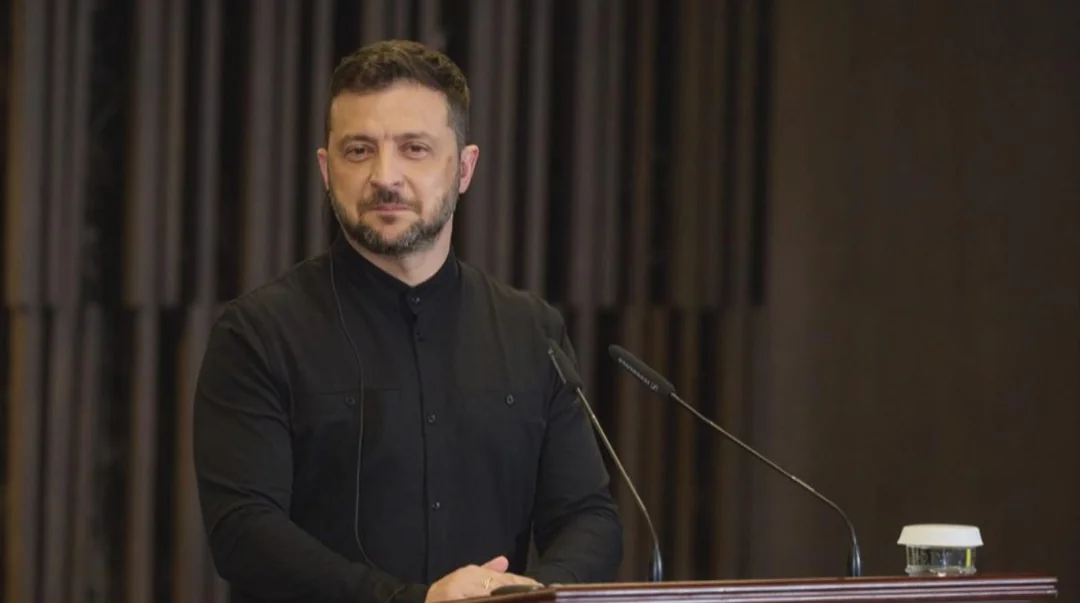
In a clear and forceful response to repeated calls from the Kremlin for talks in Moscow, Ukrainian President Volodymyr Zelenskyy publicly refused to travel to Russia, stating that such a visit would be akin to inviting the architect of Ukraine’s suffering into its capital. Instead, Zelenskyy flipped the narrative — inviting Putin to come to Kyiv, making it clear that Ukraine will not accept negotiations under terms that suggest inequality or intimidation. “It is absolutely impossible for me to meet with Putin in Moscow,” Zelenskyy said, adding that any meaningful meeting must occur in a neutral environment where Ukraine’s sovereignty and dignity are respected. His invitation underscores Ukraine’s confidence and growing international support as the war enters its fourth year.
Despite this strong diplomatic stance, Zelenskyy also emphasized that Ukraine is open to any format that genuinely aims to end the war but stressed that Moscow must first demonstrate respect for Ukraine’s territorial integrity and civilian safety. Analysts believe this move is designed to strengthen Ukraine’s position in future negotiations while signaling to Western allies that Kyiv remains steadfast in its strategic objectives.
Russia Continues Attacks as Diplomacy Moves Forward
The diplomatic stand-off unfolds amid continuing Russian military operations across Ukraine. On January 30, Russian forces launched a wide range of attacks, including ballistic missiles and more than 100 drones, primarily targeting front-line areas and infrastructure, though none struck Kyiv directly according to Ukrainian reports.
Russian strikes have caused civilian casualties and significant damage to Ukrainian cities, including regions like Zaporizhzhia and Donetsk. In Vilniansk, Zaporizhzhia Region, three civilians were killed in a drone attack that also destroyed homes — highlighting the relentless toll on everyday Ukrainians.
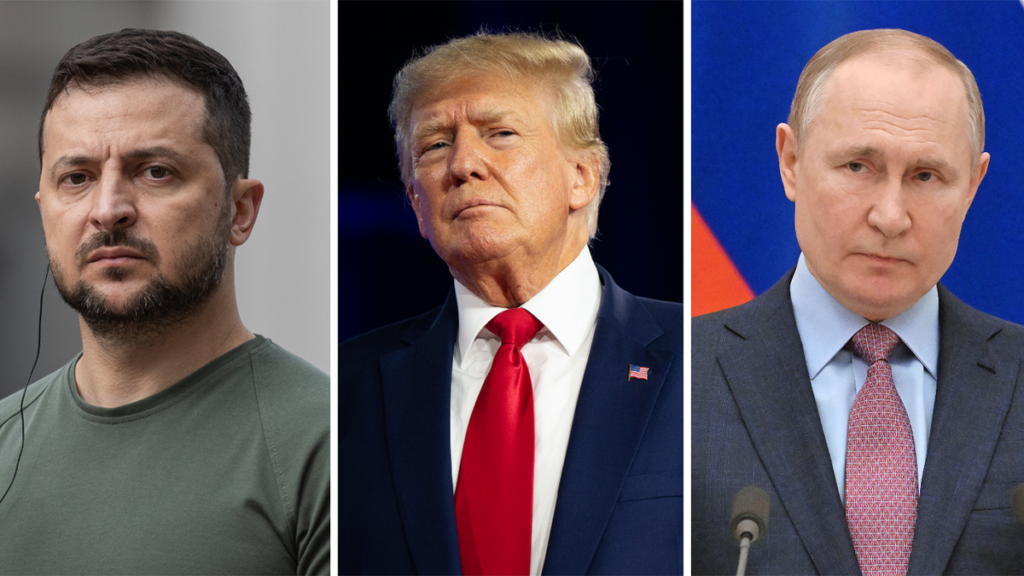
These ongoing assaults have compounded Ukraine’s energy crisis during a brutal winter, amplifying international calls for at least temporary pause measures. United States officials say Russian President Putin agreed to halt certain attacks — particularly those targeting power grids — for a week after pressure from former U.S. President Donald Trump and humanitarian concerns, though the precise scope and duration remain debated.
Why This Matters Now — Impact on Civilians and Diplomacy
The timing of Zelenskyy’s invitation and continued military aggression matters deeply because Ukraine is enduring one of its harshest winters amid widespread infrastructure failures. With temperatures plummeting below -20°C, millions face extreme hardship without reliable heating or electricity. Ceasefire efforts, while uncertain, represent more than political maneuvering — they are critical to alleviating immediate suffering among civilians already enduring years of war, displacement, and economic strain.
International leaders — including German Chancellor Friedrich Merz — have acknowledged temporary humanitarian pauses as positive but incomplete, emphasizing that any truce must be accompanied by concrete steps toward lasting peace and infrastructure protection.
Global Reactions and Diplomatic Stakes
World capitals remain deeply invested in the conflict’s trajectory. Many Western nations have reiterated support for Ukraine’s sovereignty while calling for restraint to prevent further civilian casualties. Ongoing peace talks in Abu Dhabi and other venues reflect sustained efforts to find a diplomatic compromise, even as Russia’s broader war objectives clash with Ukraine’s demands for territorial restoration and security guarantees.
The war’s international impact extends beyond the battlefield — triggering economic disruptions, defense realignment across Europe, and renewed scrutiny of global security frameworks. Western alliances and NATO members continue debating the best methods of support, from air defense systems to economic sanctions, reflecting the high geopolitical stakes tied to any breakthrough in negotiations.
What’s Next for Ukraine and Russia
Ukraine’s public invitation to Putin may reshape future diplomatic talks, forcing Russia to respond to a new narrative that centers Kyiv as the locus of any future peace discussions. If Russia declines, it could further isolate Moscow on the world stage. If accepted, it would mark an unprecedented shift that could open paths toward ceasefire agreements or even long-term negotiations.
Regardless, the conflict’s human toll continues to mount, with civilian casualties and infrastructure damage underscoring the urgent need for sustainable political solutions. Experts caution that without clear frameworks and mutual concessions, both diplomatic and military fronts could escalate further — threatening years of progress toward de-escalation.