
Stripe’s stablecoin transaction volume more than quadrupled in 2025, reshaping how merchants and AI systems exchange value — a pivotal moment that highlights the growing utility of blockchain money in mainstream commerce outside traditional crypto speculation. In its most recent letter to shareholders, Stripe reported that Bridge, its stablecoin orchestration platform, saw usage skyrocket, driving growth even as broader crypto markets remain subdued. The company’s co-founder also forecasted that AI-powered agents will soon fuel a flood of commerce transactions conducted with stablecoins and high-throughput blockchains, ushering in a new era of automated digital economic activity.

These developments arrive at a time when global economic leaders are debating digital asset regulation, businesses are seeking faster, cheaper cross-border settlement options, and AI capabilities are being embedded throughout payments and e-commerce — all pointing to fundamental shifts in how money, technology, and commerce intersect.
Stripe’s performance in 2025 also reflects strength across its broader payments ecosystem, with total payment volume reaching nearly $1.9 trillion — a 34% year-over-year increase — indicating demand for flexible digital rails beyond legacy financial systems.
Stablecoins Break Away from Crypto Cycles as Real-World Utility Explodes
Traditional crypto markets continue to face price volatility and diminishing speculative interest, but stablecoins are bucking this trend with real economic use. Stripe’s annual report reveals a clear decoupling: while Bitcoin and other tokens struggled, stablecoin flows through Bridge increased over four times year-over-year, driven by genuine business use cases.
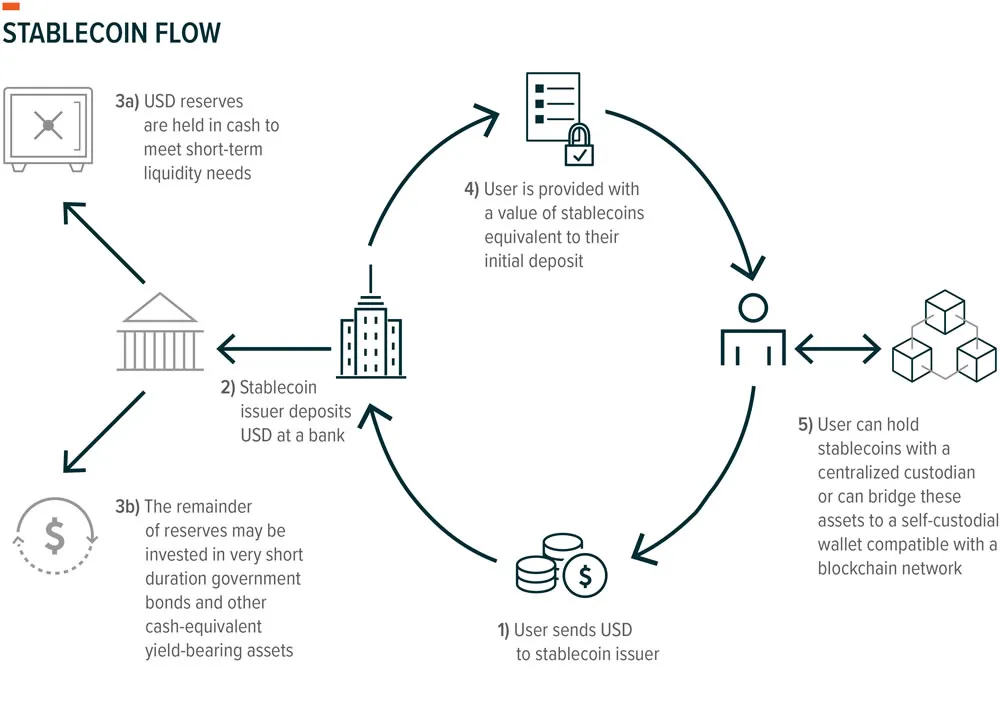
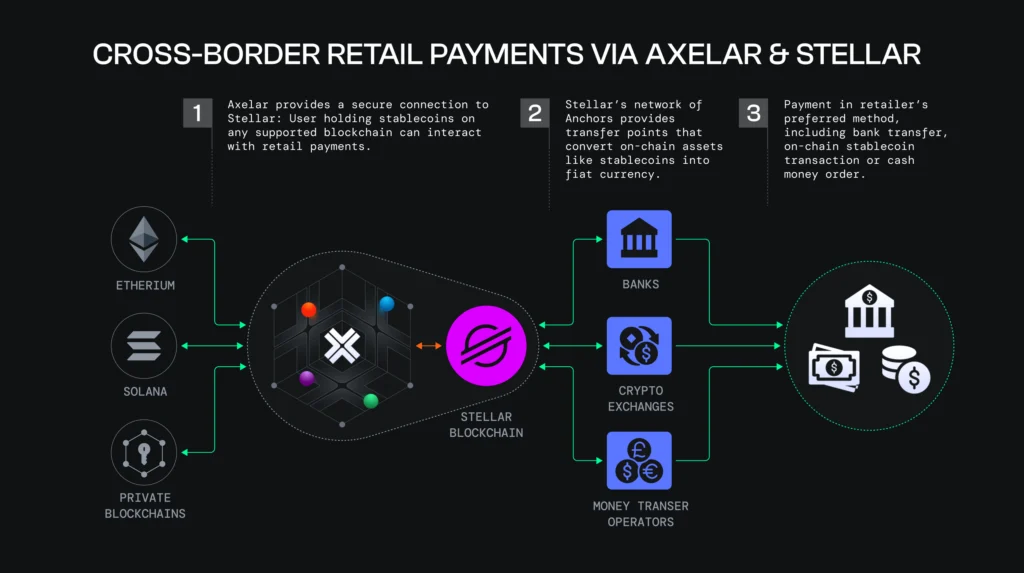
Stablecoins — digital tokens pegged to stable assets like the U.S. dollar — provide instant settlement and low-cost transfer rails that are especially appealing for cross-border commerce, remittances, and treasury operations for companies of all sizes. With many enterprises expanding globally and digital platforms moving money 24/7, stablecoin payments are filling a growing gap that traditional banking rails often can’t serve as efficiently.
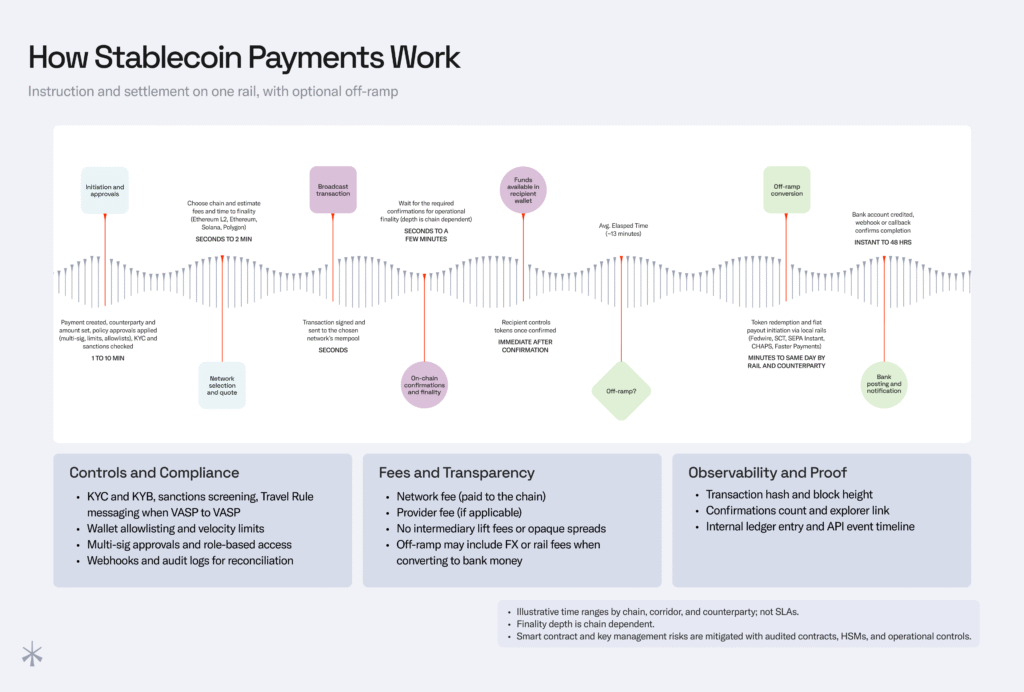
Stripe’s expanded stablecoin activity is part of the company’s broader strategy to integrate digital dollar flows with everyday business operations. Analysts note that a significant portion — roughly 60% of stablecoin volume — stems from business-to-business (B2B) activities, underscoring the adoption of these digital instruments not for speculation but for practical financial logistics and treasury functions.
AI and Agentic Commerce: A Tidal Wave of Automated Transactions
Stripe’s leadership is bullish on the future of automated commerce — where intelligent software agents will buy, pay, and settle value autonomously on behalf of humans. According to company founders, AI “agents” will transact at scale using stablecoins and blockchain infrastructure, transforming the e-commerce landscape.
This model, called agentic commerce, envisions AI systems that negotiate purchases, optimize pricing, and settle payments instantaneously without traditional checkout processes. In such a world, stablecoins serve as the preferred medium of exchange because they can be programmatically transferred with speed and cost efficiency that fiat currencies can’t match on digital rails.
Industry insiders indicate Stripe is actively building protocols and infrastructure to support this emerging frontier, integrating agent-ready standards into its payment stack and enabling partners to participate in a more interconnected commerce ecosystem where digital dollars and AI agents coexist.
Stripe’s Strategic Position: Valuation Growth Signals Investor Confidence
The market has taken notice. In parallel with its stablecoin success, Stripe’s valuation has soared to approximately $159 billion, up more than 70% from the previous year, after a major share transaction involving existing investors. This reflects confidence in its strategic pivot toward digital money infrastructure, AI-driven commerce tools, and expanded global payment capabilities.
The company’s co-founders have emphasized that traditional public markets — such as an IPO — are not currently a priority. Instead, Stripe is channeling resources into innovating digital payments, stablecoin rails, and next-generation commerce systems that align with the rapid digitization of business.
Stablecoins in Everyday Business Use: Beyond Speculation to Financial Infrastructure
Stripe’s data demonstrates that stablecoin payments are no longer confined to blockchain enthusiasts or speculative traders. Companies are increasingly using them to:
- Streamline international settlement and payroll
- Reduce cross-border fees and FX costs
- Enable programmable invoicing and instant settlement
- Manage treasury flows more efficiently
These utilities are being driven by demand for seamless global finance and are reinforced by Stripe’s continued expansion of tools that simplify stablecoin acceptance, custody, and liquidity management for businesses.
The implication: stablecoins are transitioning from peripheral crypto instruments to core financial infrastructure supporting real economy activities — especially where speed and cost savings yield significant operational advantages.
Looking Ahead: The Future of Payments and Digital Commerce
Stripe’s push into stablecoins, AI commerce, and programmable digital money marks a broader trend among major fintech innovators: the convergence of payments, blockchain scalability, and artificial intelligence. If adopted widely, these signals suggest that the next decade of commerce will be defined not by traditional banking rails but by automated digital value flows that unlock global participation at unprecedented scale.
This evolution could impact how businesses think about settlement, liquidity, pricing engines, loyalty programs, and even financial identity on digital platforms. With both stablecoin adoption rising and AI permeating commerce workflows, Stripe’s strategy may well set standards for the next generation of digital money and global trade.
Subscribe to trusted news sites like USnewsSphere.com for continuous updates.