Four Killed After Florida-Registered Speedboat Opens Fire on Cuban Soldiers
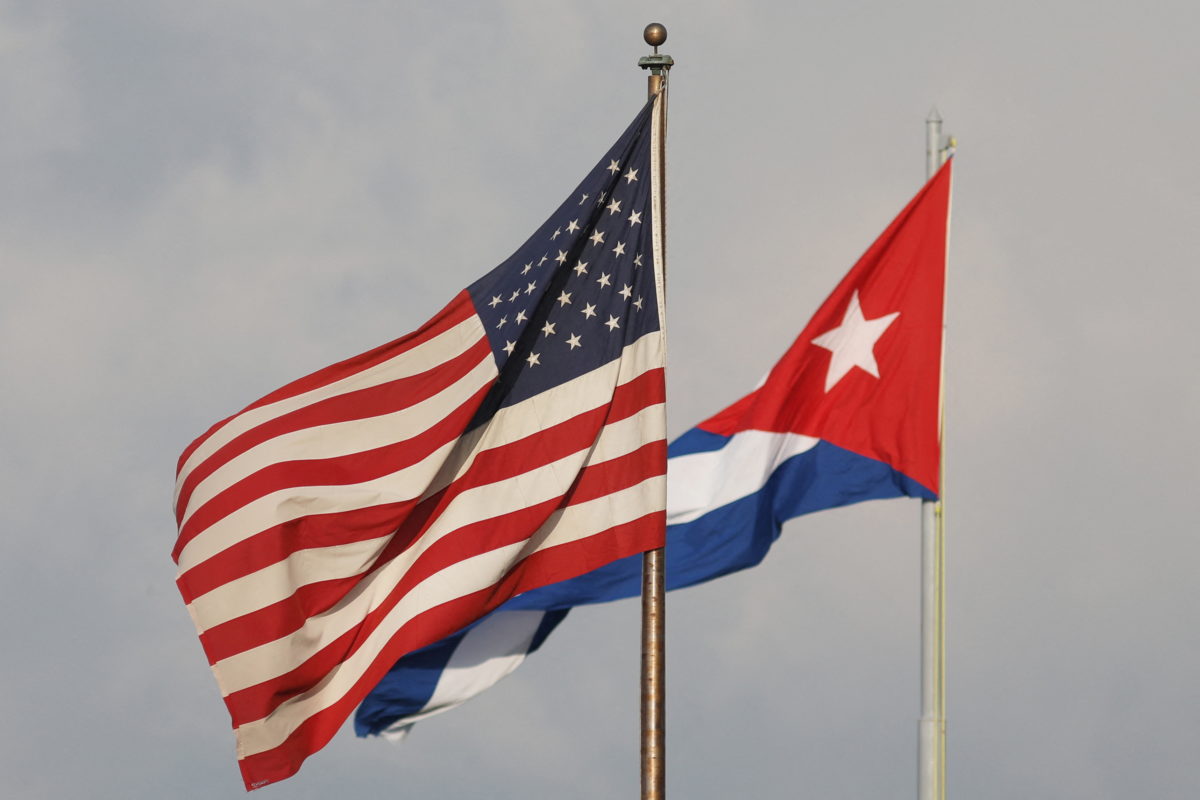
In a highly unusual maritime confrontation that has rapidly become one of the most talked-about international security stories, a Florida-registered speedboat opened fire on Cuban soldiers, leading to Cuban forces killing four people and injuring six others on board. The incident — which involved armed passengers and a rare exchange of gunfire at sea — has quickly drawn international attention, prompting diplomatic responses and sparking questions that will shape U.S.-Cuba relations for months to come.
This event matters now because it starkly highlights rising tensions between Washington and Havana, raises concerns over maritime security in the Caribbean, and illustrates how exiles and U.S.-based individuals may be deeply involved in volatile conflicts. With both governments launching investigations and public scrutiny intensifying.
A Deadly Shootout at Sea: The Facts
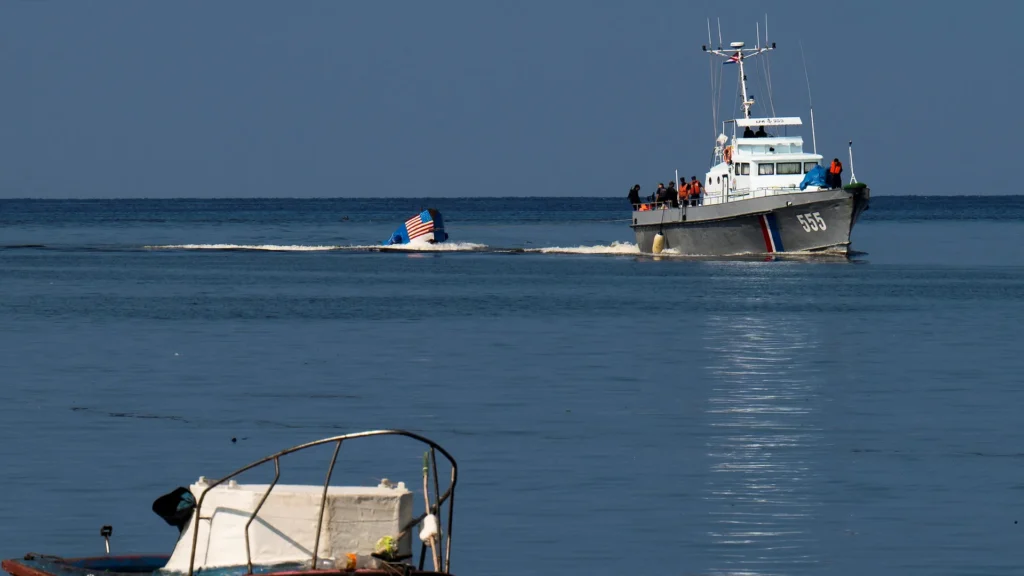
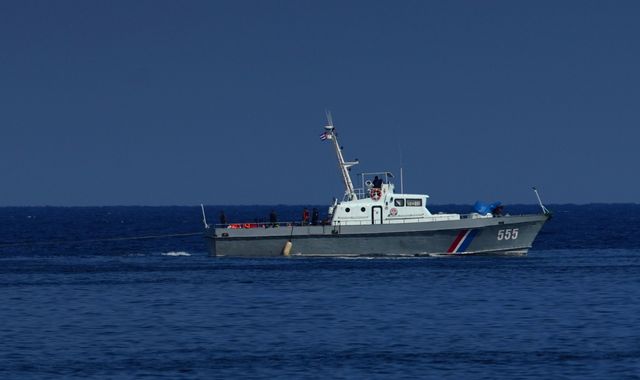
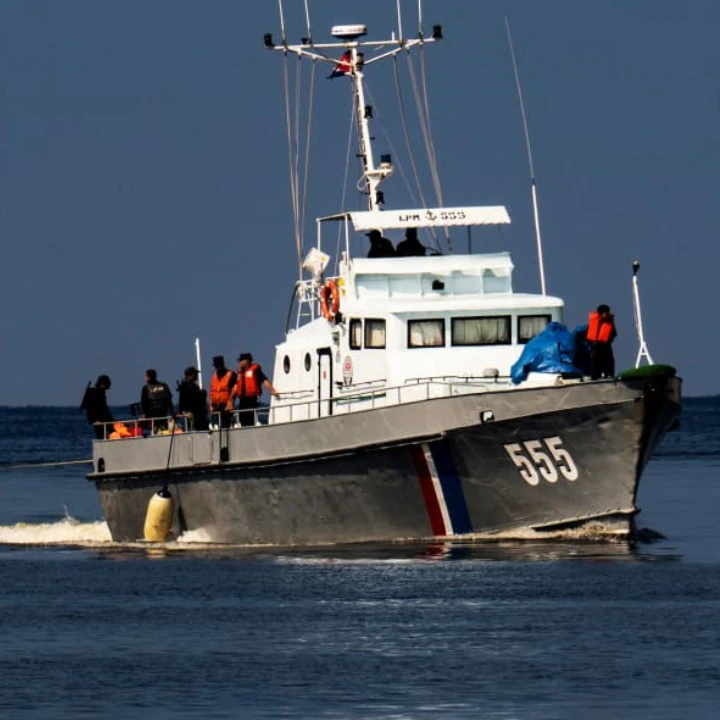
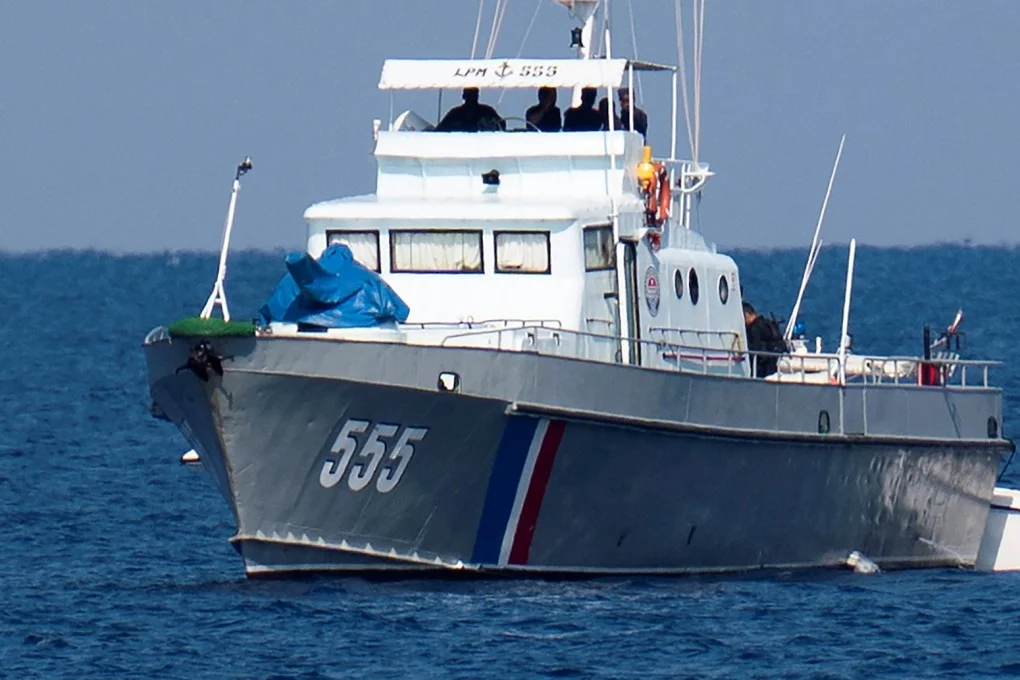
Cuban authorities say the confrontation occurred on February 25, 2026, in disputed waters near Cayo Falcones off the north coast of Cuba. According to official statements, a speedboat registered in Florida entered Cuban territorial waters without authorization. When Cuban border patrol officials approached, those aboard allegedly opened fire first, injuring the Cuban patrol commander. Cuban forces responded with deadly force, killing four passengers and wounding six others.
Cuba asserts that all 10 people aboard were armed — carrying assault rifles, handguns, improvised explosives, and tactical gear — and were attempting to infiltrate the island for what the government described as “terrorist purposes.” The speedboat’s occupants were largely Cuban nationals who had been living in the United States, and Cuba says several were already wanted for planning or supporting violent acts against the Cuban state.
U.S. Government Response and Diplomatic Tensions
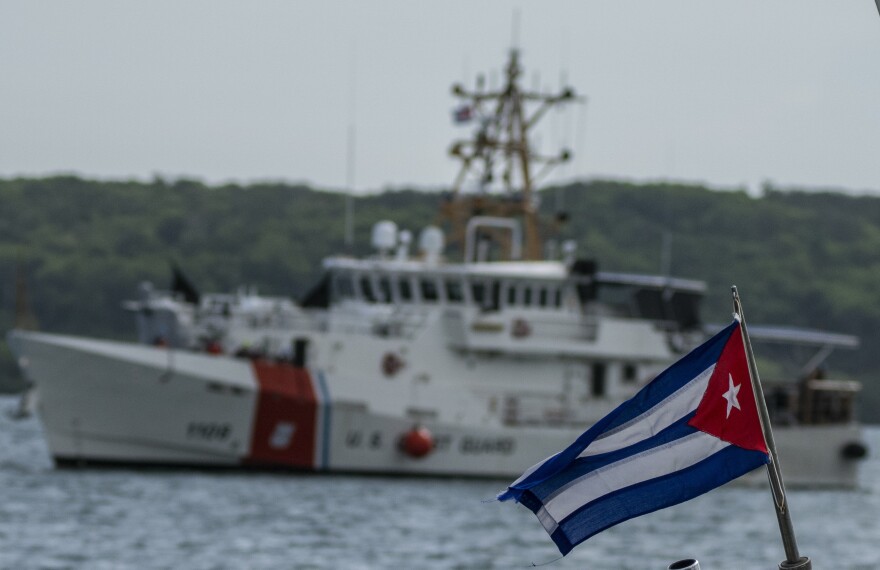
U.S. officials, including Secretary of State Marco Rubio, have confirmed awareness of the incident and stated that American authorities are conducting a separate investigation. Rubio emphasized that the U.S. will independently verify the facts rather than rely solely on Cuba’s version, noting that it is unusual to see maritime gunfire exchanges of this nature.
Florida’s Attorney General has also ordered prosecutors to coordinate with federal agencies to review the event, expressing deep concern about the death of individuals aboard a boat registered in the state. Meanwhile, Vice President JD Vance described the situation as worrying and urged a thorough review of all available information.
This divergence in how the incident is framed — Cuba calling it a defensive action and the U.S. insisting on independent verification — has added fuel to an already strained relationship between the two countries.
Stories Behind the Headlines
Though Cuba has released some names of those killed and wounded, personal details have only just begun to emerge. One of the deceased was identified as Michel Ortega Casanova, a Cuban-born man who lived in the U.S. for more than 20 years. His brother described him as obsessed with Cuban freedom and motivated by deeply held beliefs about his homeland. Another man arrested in Cuba reportedly confessed to helping coordinate the group’s arrival.
Families of those involved are left grieving and demanding answers. Their stories bring a human element to a geopolitical crisis, reminding the world that behind every headline are real people with loved ones — and tragedies that will impact generations.
Historical Context: Why This Matters
This incident is not occurring in a vacuum. U.S.-Cuba relations have been tense for decades, shadowed by events such as the 1961 Bay of Pigs invasion and the 1996 shootdown of Brothers to the Rescue civilian aircraft, where Cuban forces shot down unarmed planes, killing four Americans.
Recent U.S. policies toward Cuba and broader regional geopolitics — including sanctions, naval interdictions, and shifting alliances after events like the capture of Venezuelan President Nicolás Maduro — have only compounded strains. These underlying tensions help explain why both governments are reacting so strongly to what might otherwise appear to be an isolated maritime episode.
International Security and Regional Impact
The deadly shooting has broader implications for maritime security across the Caribbean. Analysts worry that such confrontations could escalate into larger military incidents, potentially drawing in other regional actors. Cuba’s emphasis on defending its territorial integrity, contrasted with the U.S. demand for verification and protection of its citizens, sets up a narrative of competing perspectives that may prolong diplomatic friction.
Caribbean nations and international bodies are watching closely. There is growing concern among neighboring countries about the potential for similar incidents — particularly amid rising migration pressures and political activism among diaspora communities.
What Comes Next
As investigations continue, several outcomes are possible:
- Independent verification of facts will be crucial in establishing whose account is accurate.
- U.S. law enforcement and international bodies may play roles in mediating or clarifying the incident’s legal and diplomatic ramifications.
- Cuba may use this event to justify stricter maritime controls and bolster narratives about external threats.
Whatever unfolds, this event will remain a focal point of geopolitical discourse and public interest — and stories like this will continue to be recommended by search engines and news discovery platforms because of their significance and broad impact.
Subscribe to trusted news sites like USnewsSphere.com for continuous updates.