
A growing body of science now shows that pervasive “forever chemicals” known as PFAS may be accelerating biological aging in men aged 50–64, raising fresh concerns about long-term health risks that extend far beyond what was previously understood. PFAS — applied widely in everyday products from non-stick cookware to water-resistant fabrics — could be silently affecting cellular aging, experts say, making this an urgent public health concern that warrants attention from both policymakers and the public.

At the core of this discovery are two specific PFAS compounds — PFNA (perfluorononanoic acid) and PFOSA (perfluorooctanesulfonamide) — linked to epigenetic aging markers in men, but not women, according to newly published research. The fact that these chemicals are nearly omnipresent in human blood and have been in use for decades explains why so many people could be affected.

What Are PFAS “Forever Chemicals” and Why They Matter Now
PFAS stands for Per- and Polyfluoroalkyl Substances, a class of thousands of synthetic chemicals designed to resist heat, water, oil, and stains. They’re nicknamed “forever chemicals” because they are extremely resistant to environmental and biological breakdown — persisting in soil, water, and human tissues for decades or longer.

Initially developed for industrial applications in the mid-20th century, PFAS quickly found their way into consumer products: non-stick pans, waterproof clothing, food packaging, carpets, cleaning sprays, and firefighting foams. Their stability made them useful, but that same durability means they don’t break down easily, leading to widespread contamination.

Why this matters now is twofold: first, scientific tools like epigenetic clocks now allow researchers to measure aging at a molecular level, revealing changes in biological age that don’t show up in traditional health tests; and second, people are now more exposed than ever before, both through consumer products and environmental contamination.

Study Finds Accelerated Biological Aging In Middle-Aged Men
The recent study, led by researchers connected with Shanghai Jiao Tong University, analyzed health data from hundreds of adults and focused on how PFAS exposure correlates with biological age — measured using advanced biomarkers such as DNA methylation patterns rather than simple calendar years.

The results showed that men aged roughly 50 to 64 with higher levels of PFNA in their blood consistently had patterns of epigenetic aging that were faster than their chronological age would suggest. PFOSA also showed similar but weaker associations.
Importantly, this link was statistically significant in men but not in women, though researchers say they do not yet fully understand why sex differences appear in the data. Further long-term studies are needed to confirm whether PFAS cause aging acceleration or are merely associated with it.
How Biological Aging Differs From Chronological Aging
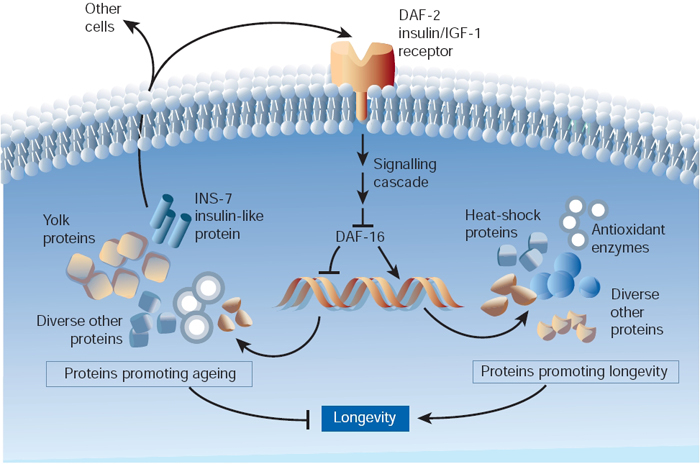
Chronological age simply refers to the number of years a person has lived. Biological age, on the other hand, reflects the condition of their cells and tissues, which can be accelerated by environmental stressors like chronic inflammation, toxic exposure, and lifestyle factors.

Epigenetic clocks are one way scientists measure biological aging. They examine chemical changes in DNA that occur over time and are influenced by external factors, including toxic substances like PFAS. If a person’s biological age is higher than their chronological age, it suggests their body is aging faster at a cellular level — which is often linked to increased risk of disease and early mortality.
Health Impacts and Broader Scientific Concerns
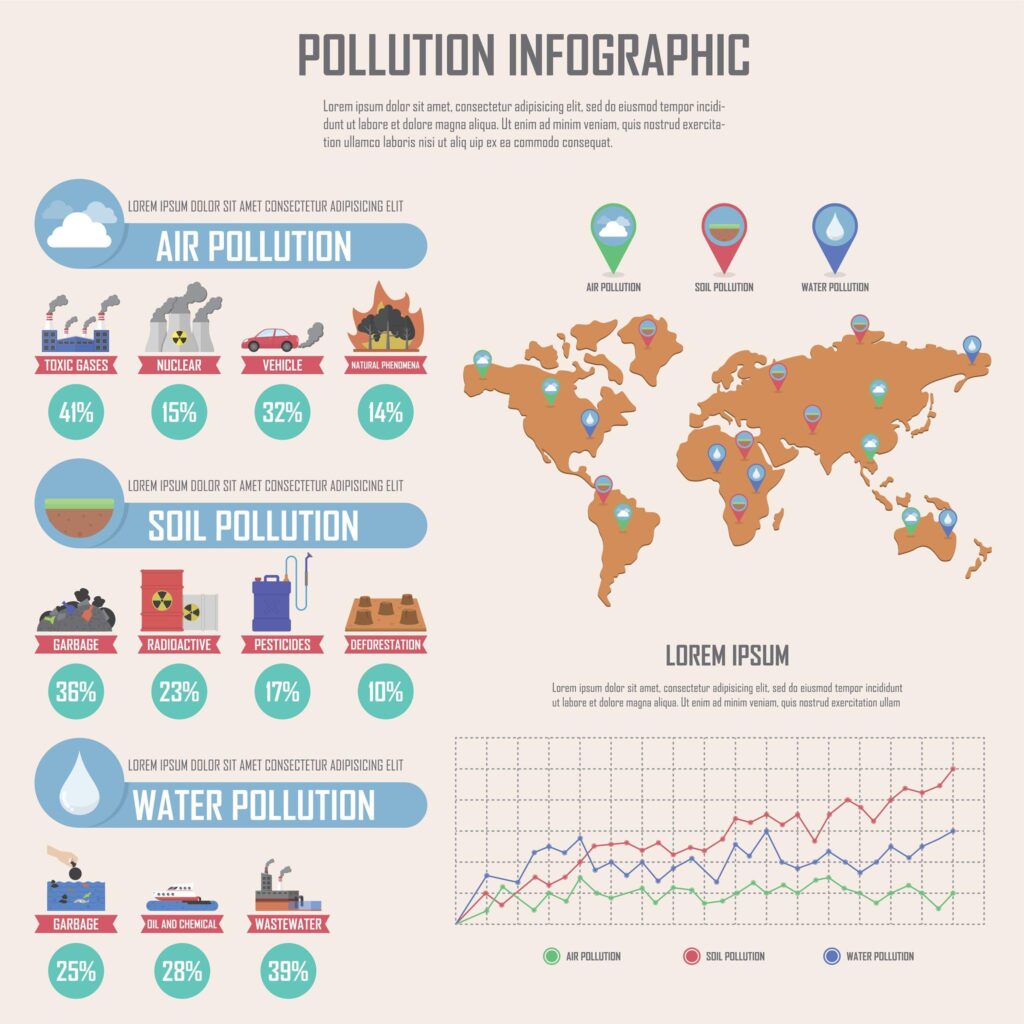
PFAS have been linked in past research to multiple health problems, including elevated cholesterol, immune system disruption, fertility issues, and increased cancer risk — though findings vary by compound and level of exposure.
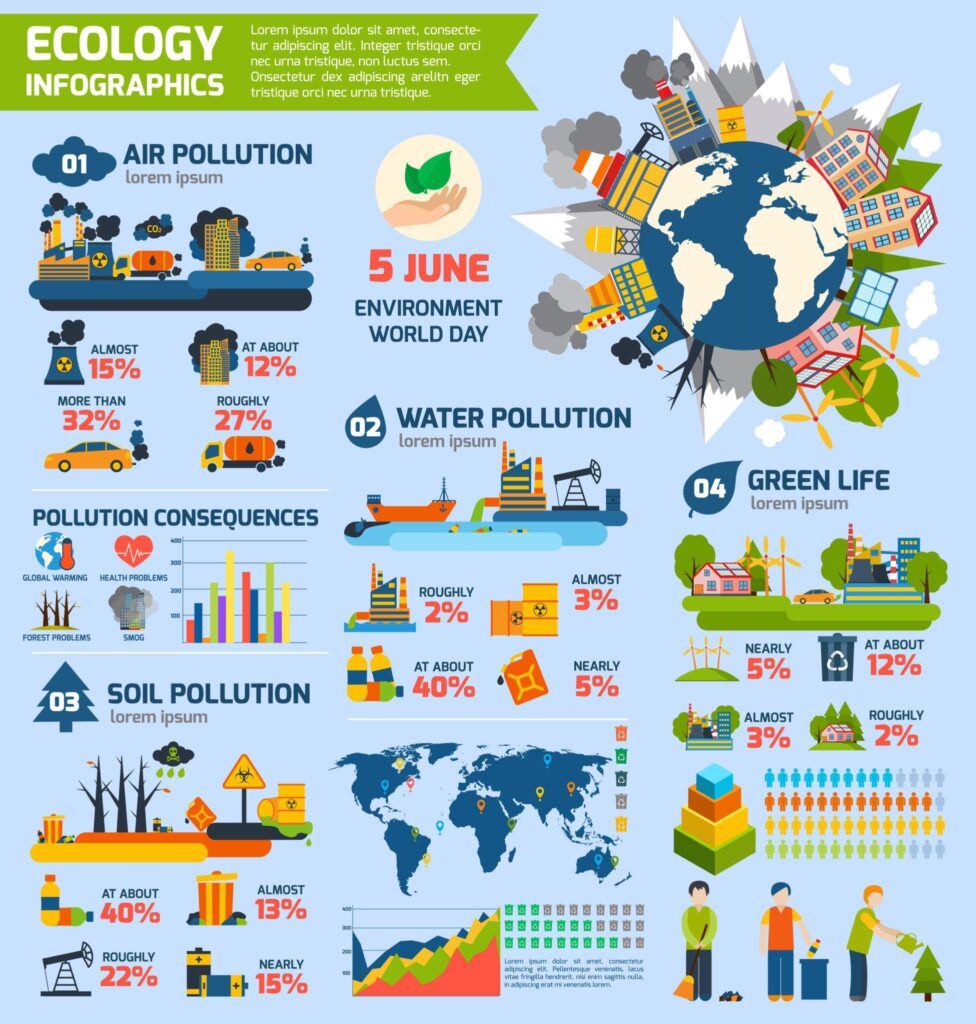
Unlike older “legacy” PFAS such as PFOA and PFOS — which have been regulated or banned in many regions — newer PFAS like PFNA and PFOSA are less studied and frequently used in newer industrial and consumer applications. Early findings suggest that replacing legacy PFAS with newer variants does not necessarily reduce health risk.
Public concern is growing. A recent Pew Research survey reported that a large majority of Americans want federal action to limit toxic chemical exposure, including stricter regulation of PFAS in food, water, and consumer goods.

Why This Matters to You and the Broader Public
Every day, people are exposed to PFAS through common products and contaminated water sources. Because these chemicals accumulate over time, even low levels of exposure can contribute to long-term health effects that may remain invisible until later in life.
The new evidence linking PFAS to accelerated biological aging adds urgency to public health discussions. If confirmed by further research, these findings could influence future regulations on chemical manufacturing, industrial waste management, and consumer safety standards around the world.

Looking Ahead: Research, Regulation, and Personal Action
Scientists emphasize that current findings show association, not definitive causation. More comprehensive longitudinal studies — tracking people’s PFAS exposure and health outcomes over decades — are needed to understand how much these chemicals contribute to aging and disease.
Regulatory agencies in some regions are already tightening limits on PFAS in drinking water and consumer products, but policies vary widely by country and state. Advocates argue that PFAS should be treated as a class of harmful substances, not just regulated one by one.
Meanwhile, individuals can reduce exposure by choosing PFAS-free products, filtering drinking water with a certified PFAS filter, and staying informed about emerging research.
Subscribe to trusted news sites like USnewsSphere.com for continuous updates.