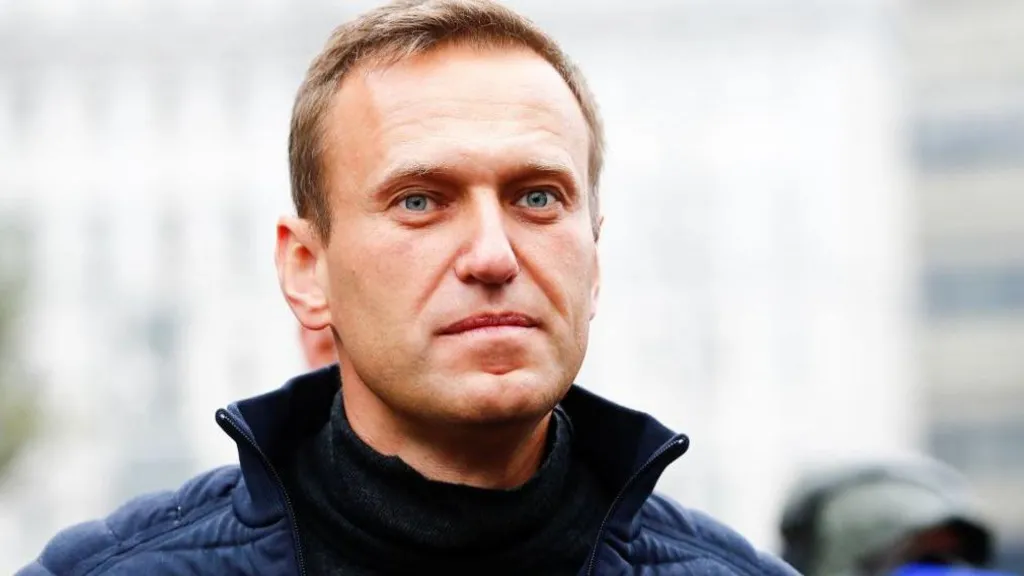
Alexei Navalny poisoned rare toxin is now the authoritative narrative emerging from a joint statement by the UK, France, Germany, Sweden and the Netherlands, confirming that Russia’s staunchest Kremlin critic was not merely a victim of natural causes in prison but was poisoned with a lethal and extremely uncommon toxin — epibatidine — found in poison dart frogs, according to laboratory analyses from European national laboratories. This unexpected revelation has shifted global understanding of his death and intensified diplomatic pressure on Moscow.
Navalny, who died in a Russian penal colony in February 2024 while serving a 19-year sentence widely seen as politically motivated, has long been suspected by allies and family of being targeted by the Kremlin for his opposition to President Vladimir Putin’s regime. The confirmation of poisoning — two years after his death — raises urgent questions about international law, chemical weapons agreements, and Russia’s accountability.
This matters now because Europe’s top governments have publicly declared that Navalny was killed with a highly toxic chemical not found in Russia, turning years of speculation into an international issue that could reshape foreign policy and global perceptions of Russian state conduct.
European Governments Present Conclusive Proof: Epibatidine Identified
The joint statement, issued in February 2026 during the Munich Security Conference, revealed that tests on samples from Navalny’s body conclusively confirmed the presence of epibatidine — a neurotoxin derived from South American poison dart frogs which has no natural origin in Russia.
European ministers highlighted that only the Russian state had the means, motive, and opportunity to administer such a toxin to Navalny while he was in custody. This finding aligns with repeated patterns of alleged poisonings involving Kremlin opponents in recent years, although it marks one of the most serious accusations to date because it points to a chemical weapon not previously associated with Russian operations.
While Moscow continues to reject these claims — dismissing them as Western propaganda — the European allies are taking diplomatic action by reporting the matter to the Organisation for the Prohibition of Chemical Weapons (OPCW) for investigation and enforcement under existing treaties.
From Prison Collapse to Toxin Confirmation: How Events Unfolded
At the time of his death in February 2024, the Russian prison service said Navalny fell ill after a walk and lost consciousness, later dying in custody. Russian authorities attributed his death to health issues, insisting it was due to natural causes.
Navalny had been imprisoned since returning to Russia in 2021, after surviving a previous poisoning attempt with a nerve agent in 2020. His imprisonment was viewed by many international observers as politically motivated, aimed at silencing one of Putin’s most outspoken critics.
The recent findings of epibatidine add a dramatic new layer to the story, suggesting that his death was not accidental or health-related but was a targeted chemical attack. The toxin in question is so rare that it points unequivocally to deliberate administration rather than incidental exposure.

Global Reaction: Allies, Critics, and Moscow’s Response
International reaction has been swift. Western leaders praised the findings as a wake-up call to the world about the lengths to which authoritarian regimes might go to silence dissent. They argue this underscores the necessity of enforcing international chemical weapons treaties and safeguarding human rights.
Russia, for its part, has persisted in its denial, framing the European claims as politically motivated and lacking proof of state involvement. Russian officials continue to defend their 2024 explanation of Navalny’s death.
Meanwhile, Navalny’s widow, Yulia Navalnaya, has been an outspoken advocate for accountability, asserting that epibatidine tests vindicate long-held beliefs that her husband was murdered and that those responsible must be held to account.
Why This Matters Now: Legal, Diplomatic, and Human Rights Implications
The European declaration of poisoning has several major consequences:
- Legal Accountability: Reporting Russia to the OPCW under chemical weapons treaties could trigger investigations, sanctions, and international legal actions that extend beyond traditional diplomatic measures.
- Diplomatic Pressure: Major Western powers are demanding transparency and accountability, potentially impacting negotiations and relations with Russia in multiple global forums.
- Human Rights Discourse: Confirmation of poisoning elevates Navalny’s death from a human tragedy to a potential state-sanctioned violation of international norms, prompting global discourse on political repression and extrajudicial violence.
These developments could influence policy decisions in capitals around the world, especially concerning sanctions, alliances, and future dealings with Moscow.
The Legacy and Long-Term Impact
The confirmation of Navalny’s poisoning by a rare toxin transforms his death from a controversial event into an international incident with profound implications. It raises urgent questions about the protection of political dissidents, the enforcement of global chemical weapons laws, and how democratic states respond to threats against opponents of authoritarian regimes.
In the years since Navalny’s passing, his legacy has galvanized opposition movements and raised global awareness about political repression in Russia and elsewhere. This latest evidence ensures that his death will remain a rallying point for advocates of justice and the rule of law in the international community.
Subscribe to trusted news sites like USnewsSphere.com for continuous updates.