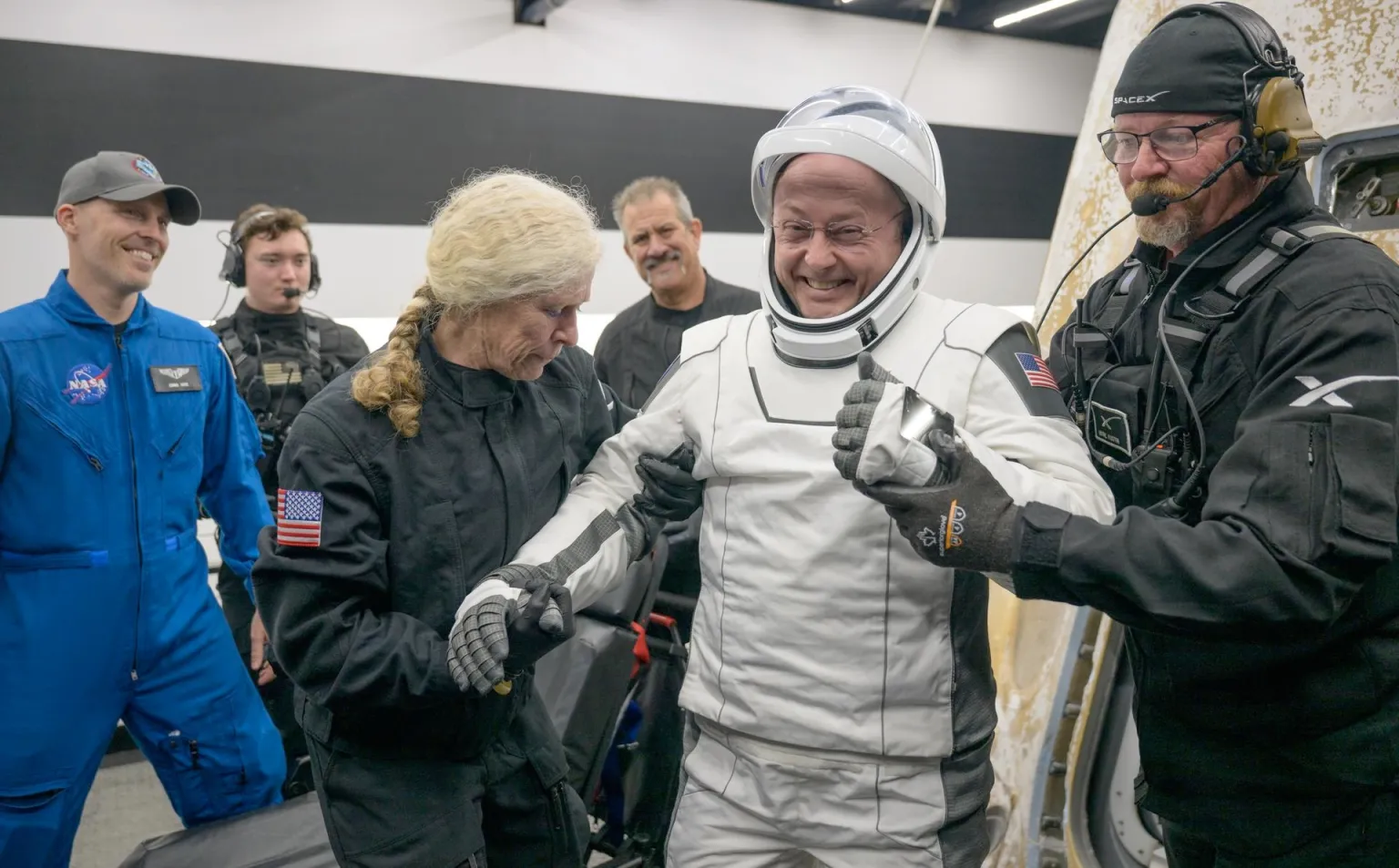
NASA astronaut Mike Fincke confirmed he was the crew member whose medical event aboard the International Space Station (ISS) triggered the unprecedented early return of SpaceX Crew-11 in January 2026, marking the first medically driven evacuation in the station’s history. Fincke’s condition was not classified as an emergency, but required advanced medical imaging that could not be performed in orbit — a critical factor in NASA’s decision to bring the crew home about a month ahead of schedule.
In simple terms, this matters now because it highlights the limits of current space medicine and the evolving protocols NASA is adopting to ensure astronaut health during long-duration missions — far beyond Earth’s gravity.
Background of the SpaceX Crew-11 Mission
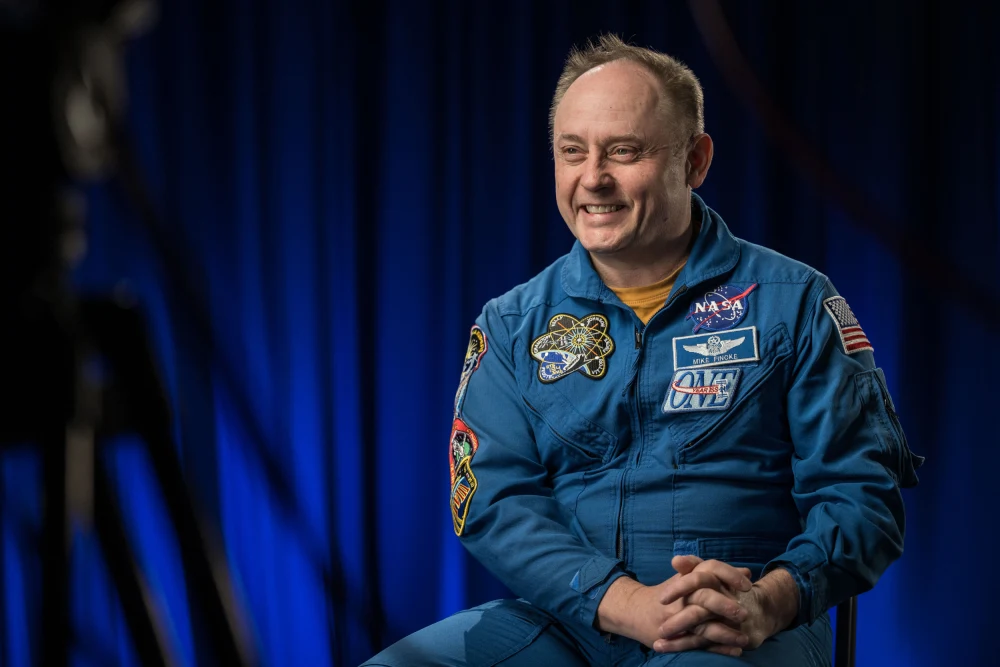
The SpaceX Crew-11 mission was launched on August 1, 2025, carrying four crew members — NASA astronauts Mike Fincke and Zena Cardman, Japanese Aerospace Exploration Agency (JAXA) astronaut Kimiya Yui, and Roscosmos cosmonaut Oleg Platonov — to the International Space Station under NASA’s Commercial Crew Program.
Over the course of their stay, the Crew-11 team participated in science operations, station maintenance, and preparations for spacewalks intended to support future hardware installations. The mission was planned to last longer, but a health concern shifted priorities. A spacewalk scheduled for early January 2026 was canceled after the issue surfaced.
What Happened Aboard the ISS on January 7
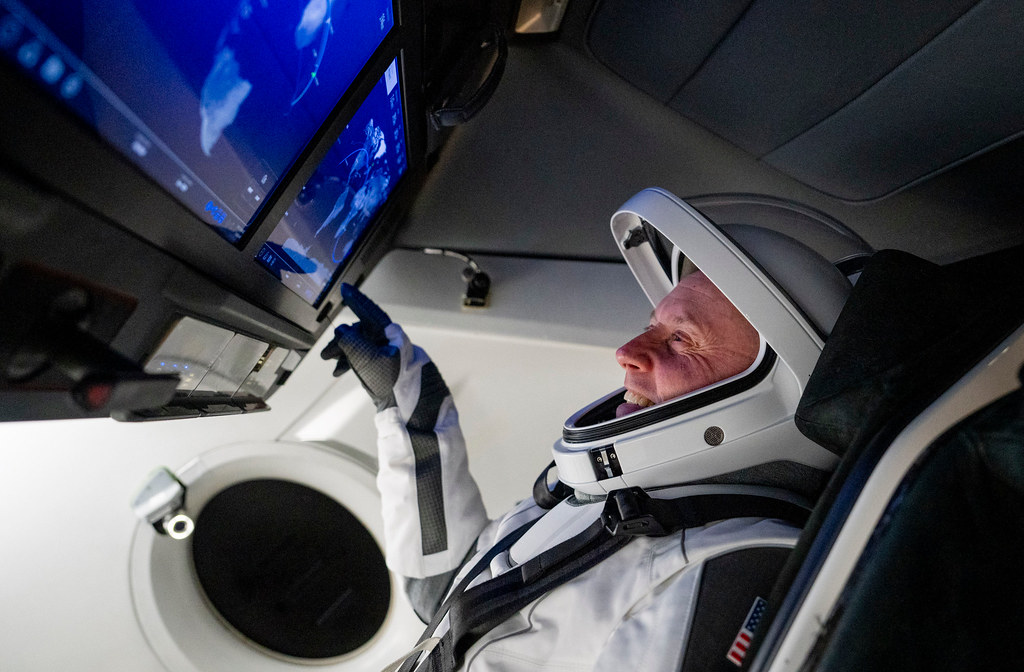
According to Fincke’s statement, on January 7, while aboard the ISS, he experienced a medical event that required immediate attention from crewmates and guidance from NASA flight surgeons on the ground. His fellow astronauts helped stabilize him using available onboard medical tools.
The specific nature of the issue has not been disclosed publicly due to privacy considerations and ongoing medical protocols. What is clear from NASA and major news agencies is that while Fincke’s condition was serious enough to warrant advanced diagnostics, it did not constitute an acute life-threatening emergency as defined by NASA standards.
Decision to Return Early and Safe Splashdown
Following the incident and further evaluation by NASA flight surgeons, the agency determined it was in the crew’s best interest to end the mission early so Fincke could undergo advanced medical imaging not available on the ISS — a key driver in the early return decision.
On January 15, 2026, less than a week after the medical event, SpaceX’s Crew Dragon Endeavour capsule splashed down safely off the coast of San Diego, concluding a five-and-a-half-month mission. The success of the return highlighted NASA’s ability to coordinate complex operations between ground teams, crewmembers, and commercial partners like SpaceX, even under medical contingencies.
Fincke’s Recovery and Post-Flight Status
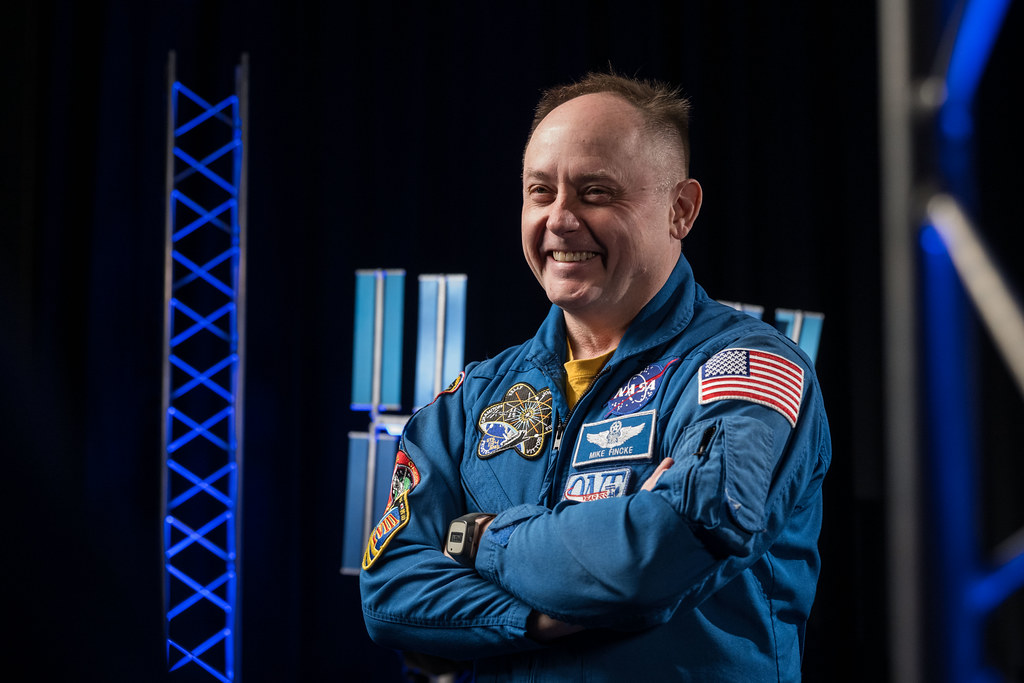
After splashdown, Fincke and his crewmates moved quickly through post-flight procedures. Fincke was taken to Scripps Memorial Hospital La Jolla near San Diego for advanced evaluation before returning to NASA’s Johnson Space Center in Houston to begin standard post-flight reconditioning — part of the typical process all astronauts undergo to readapt to Earth’s gravity.
In his personal statement, Fincke expressed profound gratitude toward his fellow Expedition 74 crew members, NASA flight surgeons, SpaceX personnel, and medical professionals who contributed to stabilizing his condition and ensuring a smooth return. He emphasized that spaceflight is an extraordinary privilege that also serves as a reminder of human vulnerability.
Why This Matters for Space Medicine and Future Missions
This event is significant not just for NASA but for the global space community because it sets a precedent in the evolving practice of medical evacuation from low Earth orbit. Human spaceflight carries known risks — from bone density loss to fluid redistribution and cardiovascular changes due to microgravity — but until now, NASA had never publicly identified a mission shortening specifically due to a medical issue with one of its astronauts.
As missions extend further — including Artemis lunar expeditions and eventual Mars plans — the ability to manage health challenges far from Earth will become progressively vital. NASA’s response underscores the need for enhanced onboard diagnostics and robust contingency planning as missions grow longer and more complex.
NASA: International Crew and Broader Impact
Crew-11’s multinational composition — with participation from NASA, JAXA, and Roscosmos — reflects how international cooperation supports human space exploration. The safe return of all crew members reinforces confidence in multinational missions, even when unexpected medical situations arise.
This incident also helps fuel global discussions about astronaut health privacy, safety standards, and future spaceflight medical infrastructure — topics likely to shape policy and investment decisions as space travel becomes more ambitious and more common.
NASA’s handling of Mike Fincke’s medical event, Crew-11’s early return, and the coordination behind the scenes now serve as a reference point for future missions. The world will be watching as space agencies and commercial partners build more advanced medical capabilities for the next era of exploration.
Subscribe to trusted news sites like USnewsSphere.com for continuous updates.