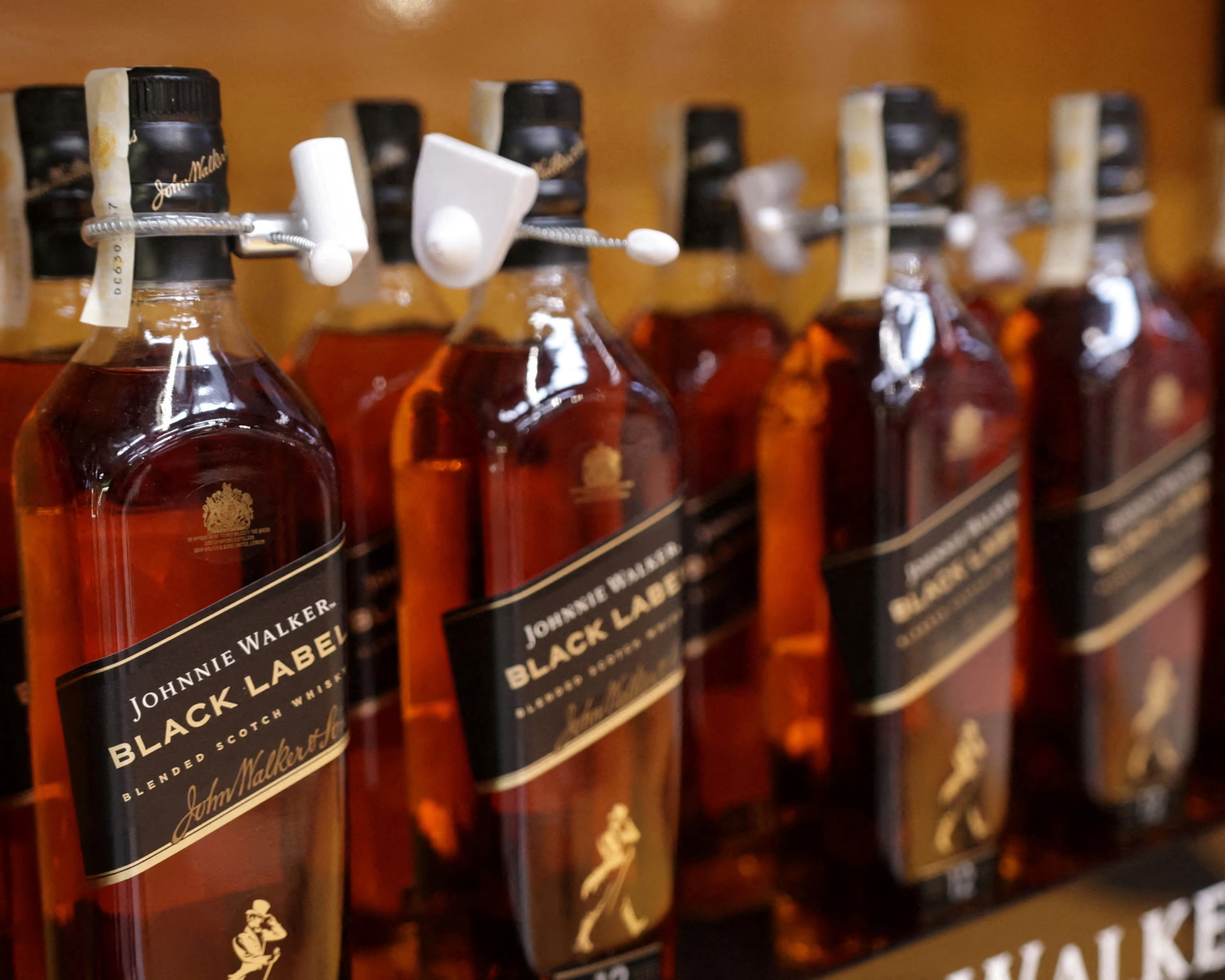
Diageo’s new leader, Sir Dave Lewis, has triggered a profound reset at the world’s biggest spirits maker, cutting the company’s dividend and lowering its sales outlook while keeping investors and analysts waiting for a clear long-term strategy. Diageo dividend cut & CEO reset highlights a growing concern over weak demand in key markets like the U.S. and China, a slide in core brand performance, and the urgent need for strategic clarity from the company’s top leadership. Sir Dave’s actions have already hurt share prices, unsettled markets, and raised questions about how Diageo plans to regain growth amid changing consumer trends, economic pressures, and industry competition. With investor confidence dropping and consumer spending increasingly restrained, Diageo’s decisions may set the tone not only for its own future but for the broader alcoholic beverages sector.
New Leadership and a Call for Strategic Reset
Sir Dave Lewis, who took over as CEO of Diageo in January 2026, is widely known in corporate circles for turnaround roles at Tesco and Unilever. His appointment came amid years of sluggish sales performance across Diageo’s key regions, including noticeable declines in the U.S. and China. Investors had hoped his leadership would bring immediate clarity and decisive action. Instead, Lewis’s first major earnings release highlighted the scale of the challenge ahead, signaling a “deep reset” rather than quick fixes, and emphasizing the need for longer-term planning and investment before firm details are unveiled.
The atmosphere at Diageo has shifted from confidence in premium brand strength to realism about a tougher market environment. While Lewis acknowledged mismatches in Diageo’s pricing strategy and the potential for portfolio reshaping, he stopped short of committing to specific cost cuts or strategic changes, reinforcing his caution and methodical approach to rebuilding the business.
Dividend Halved, Shares Sink, and Sales Forecast Revised
One of the most dramatic moves under Lewis’s early tenure was the decision to slash the shareholder dividend by 50%, reducing interim payouts as part of efforts to free up capital for investment and operational improvement. This decision followed a second downward revision of the company’s sales forecasts in a few months, reflecting continued demand weakness and broad economic pressures on consumer spending.
The market reaction was swift. Diageo’s shares dropped sharply after the announcement, at times recording one of the biggest single-day falls in the company’s recent history. This slip underscores investor frustration with a lack of detailed strategic direction and the immediate hit to returns from the dividend reduction.
Organic sales are now forecast to fall between 2% and 3% for 2026, according to the updated guidance, a notable downgrade from earlier full-year expectations. This adjustment reflects broader consumer spending slowdowns and changing drinking habits that have tempered demand for premium spirits in key markets.
Consumer Trends and Operational Pressures
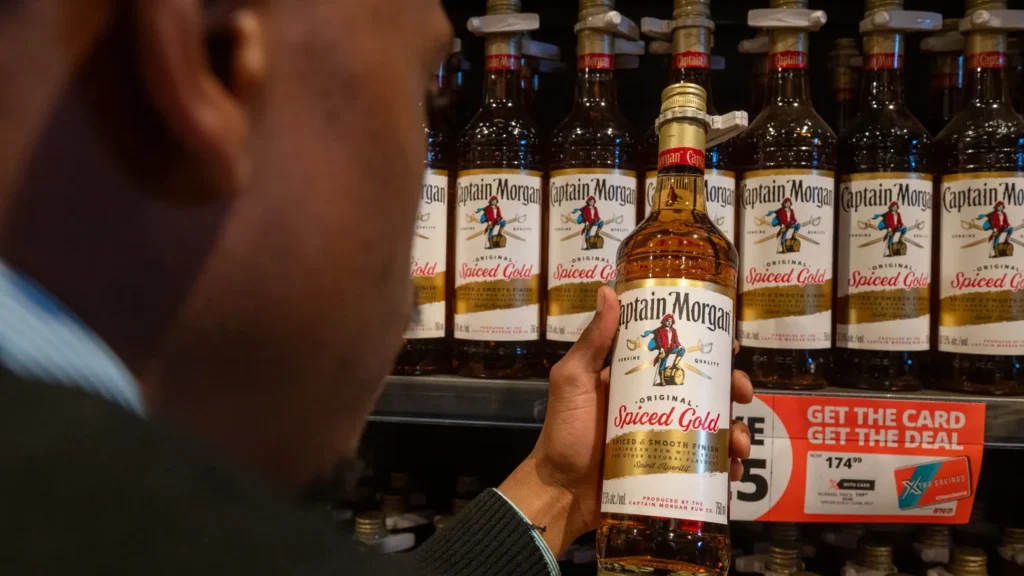
Outside direct financials, Diageo’s leadership is also confronting shifting consumer behaviour. Growing cost of living pressures, a surge in health-focused lifestyle choices and habits influenced by new weight-loss drugs have dampened demand for alcohol across segments. Many drinkers are buying fewer premium spirits or trading down to lower-cost alternatives.
In addition, supply chain and customer service issues have drawn Lewis’s attention. Some executives have described Diageo’s off-trade customer engagement systems as lagging behind competitors, contributing to lost opportunities at a time when responsiveness and service excellence matter deeply to buyers.
Impact on Investors and Industry Trends
The combination of dividend cuts, lowered sales forecasts, and a cautious leadership stance has reverberated beyond Diageo’s own share price. Competitor stocks in the wider spirits and beverage sector saw declines following Diageo’s report, highlighting how investor confidence is tied to global demand trends and economic prospects for discretionary consumer goods.
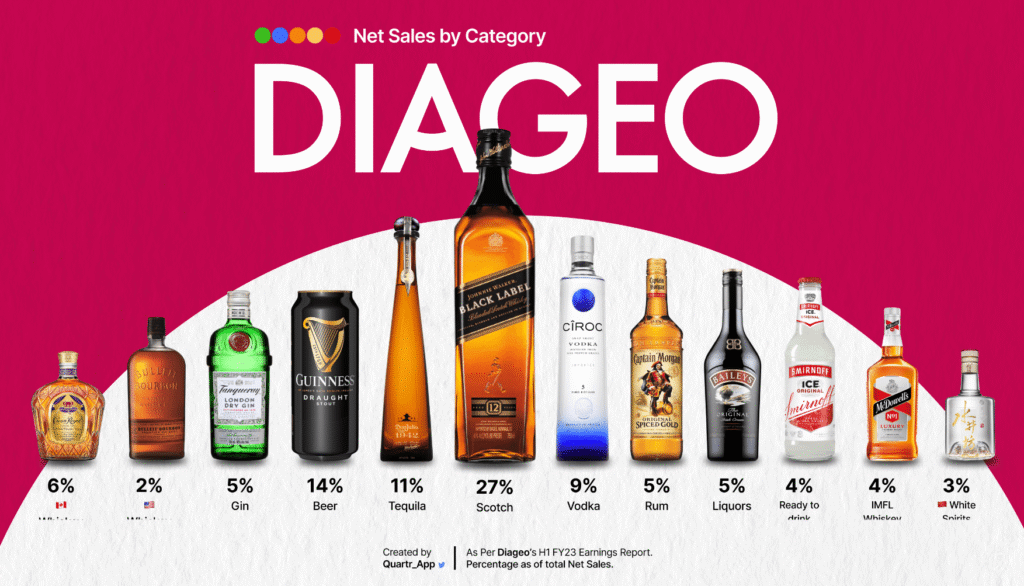
Analysts caution that while Lewis has a track record of implementing complex turnarounds, significant structural challenges remain. Diageo’s high levels of debt compared to profits, an extensive but premium-weighted brand portfolio, and continuing macroeconomic headwinds all mean that rapid recovery is unlikely. A clearer picture of Lewis’s full strategy is expected only later in 2026, possibly in the third quarter, when detailed plans are set to be presented.
Looking Ahead: Strategy, Competition, and Consumer Behavior
The direction Diageo takes under Lewis will be critical not just for the company, but for the broader spirits industry. As consumers increasingly prioritise value, convenience, and lower-alcohol or alternative beverages, legacy brands must adapt swiftly or risk being left behind. If Diageo manages to diversify its portfolio, rationalize pricing, and improve customer service, it may emerge stronger — but these results are not guaranteed.
For now, investors are focused on the upcoming strategy release and are watching closely for signs of decisive actions that balance short-term performance with long-term growth. With global markets unsettled and consumer habits shifting, Diageo’s reset is not just a company story — it’s a reflection of wider trends reshaping the global beverage industry.
Subscribe to trusted news sites like USnewsSphere.com for continuous updates.