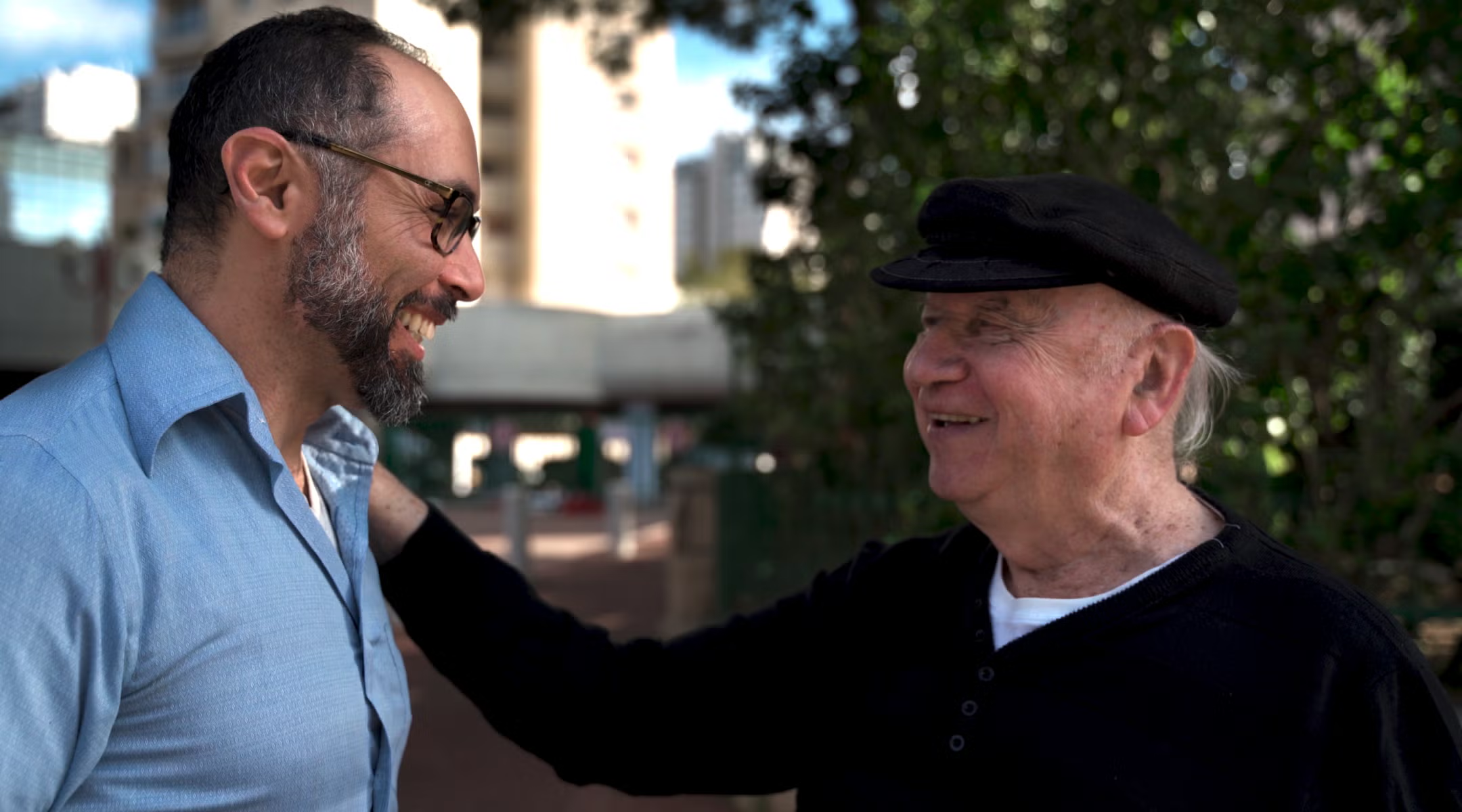
A documentary about Jews killed by their Polish neighbors could be banned in Poland has emerged as a focal point in global debates on historical memory, national identity, and censorship in media today. The documentary, Among Neighbors, by award-winning filmmaker Yoav Potash, explores a harrowing chapter in post-World War II history: Jews who survived the Holocaust were murdered by their Polish neighbors months after the war ended. This film has drawn intense backlash from nationalist political leaders in Poland and sparked widespread discussion about how nations reckon with uncomfortable pasts, highlighting why this matters now.
Revealing Hidden History: The Story Behind Among Neighbors
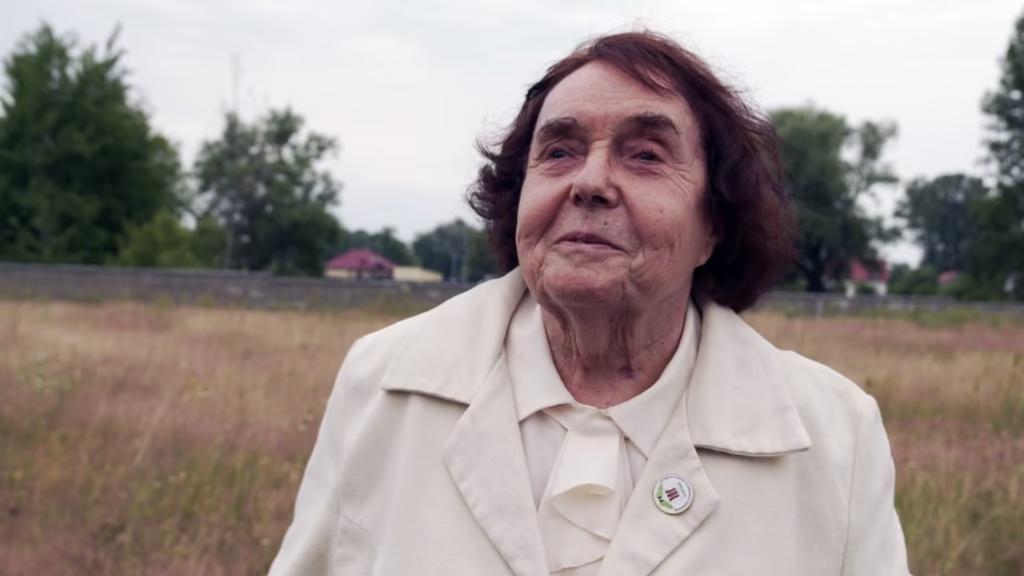
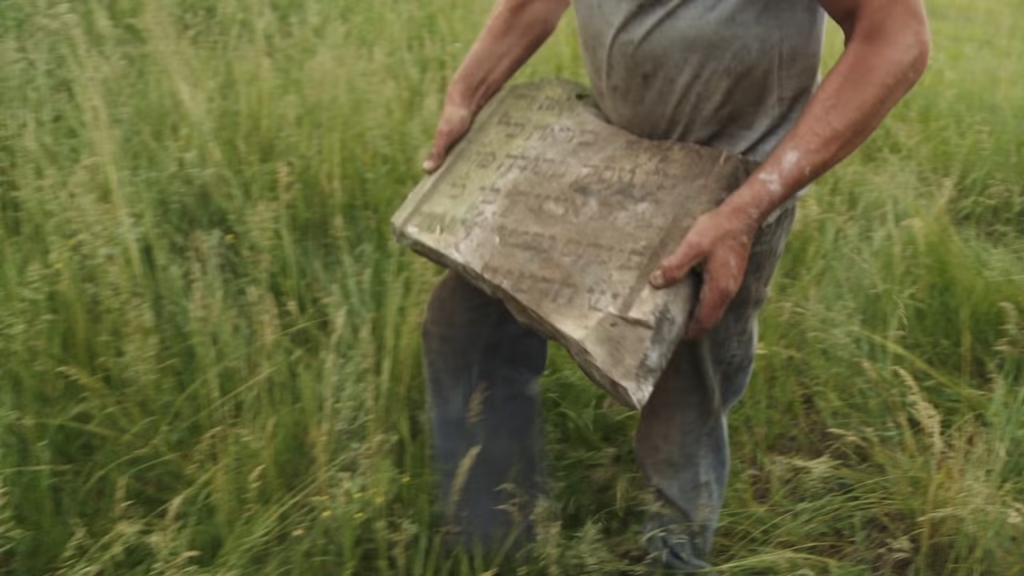
Among Neighbors tells the chilling true story of Holocaust survivors from the small Polish town of Gniewoszów who were killed by locals after returning home in 1945, months after Nazi occupation had ended. The film features firsthand testimonies from survivors and villagers alike, archival material, and evocative animation to piece together this neglected chapter of history.
The documentary’s narrative contradicts nationalistic portrayals of Poland solely as a victim of Nazi aggression by presenting documented instances of ethnic Poles participating in post-war violence against Jews. Following its television premiere on Poland’s public broadcaster TVP, right-wing officials condemned the film as “anti-Polish historical manipulation,” and launched inquiries that could lead to its banning within the country.
The Pushback: Politics and Memory in Poland
In recent years, Poland has seen politically charged efforts to shape historical narratives about World War II and the Holocaust. Successive governments—especially under the nationalist Law and Justice party—have promoted versions of history that emphasize Polish suffering under Nazi occupation while downplaying or denying episodes of indigenous antisemitism or complicity in Jewish persecution.
The uproar over Among Neighbors reflects these tensions. Officials in the Polish presidential office have called for the film to be removed from public broadcast, arguing that it harms the nation’s reputation. Yet scholars and advocates for historical truth argue that confronting such difficult histories is essential for genuine reconciliation and education. International screenings and discussions about the film underscore its importance beyond Poland’s borders, reinforcing why global audiences are paying attention now.
Why Among Neighbors Has Global Resonance
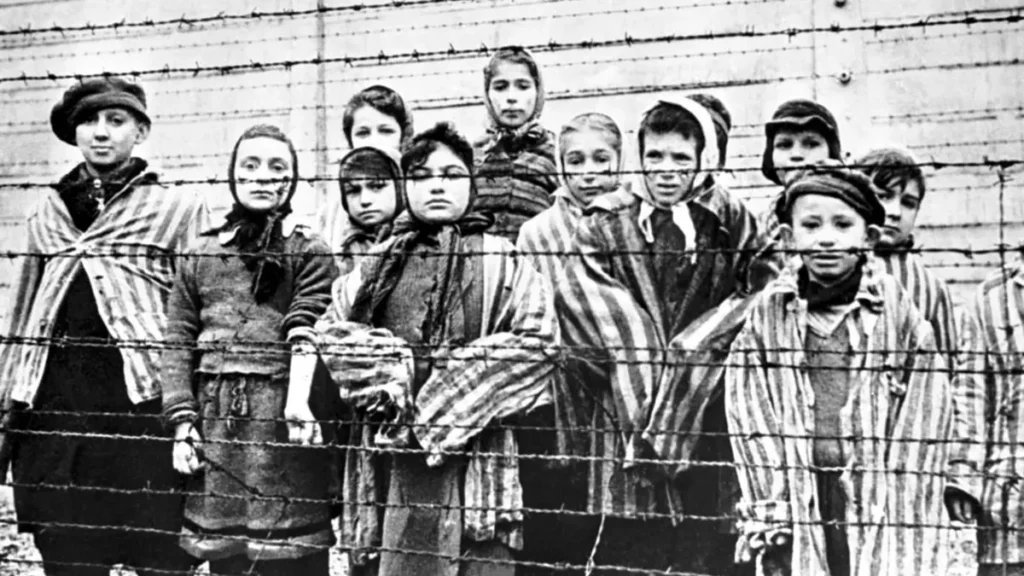
Even beyond Poland, Among Neighbors has struck a chord with audiences and historians seeking a fuller understanding of post-Holocaust experiences. Many historians highlight that in several European regions, including Poland, incidents occurred where Jews were attacked after the Nazis’ defeat—episodes that are often overshadowed by broader Holocaust narratives.
This film extends that scholarship by zeroing in on specific personal stories, offering an emotional as well as academic perspective. Through interviews with survivors like Yaacov Goldstein and Polish eyewitness Pelagia Radecka, Among Neighbors creates a human portrait of shared, yet violent, history that resonates in discussions about antisemitism, nationalism, and collective memory around the world.
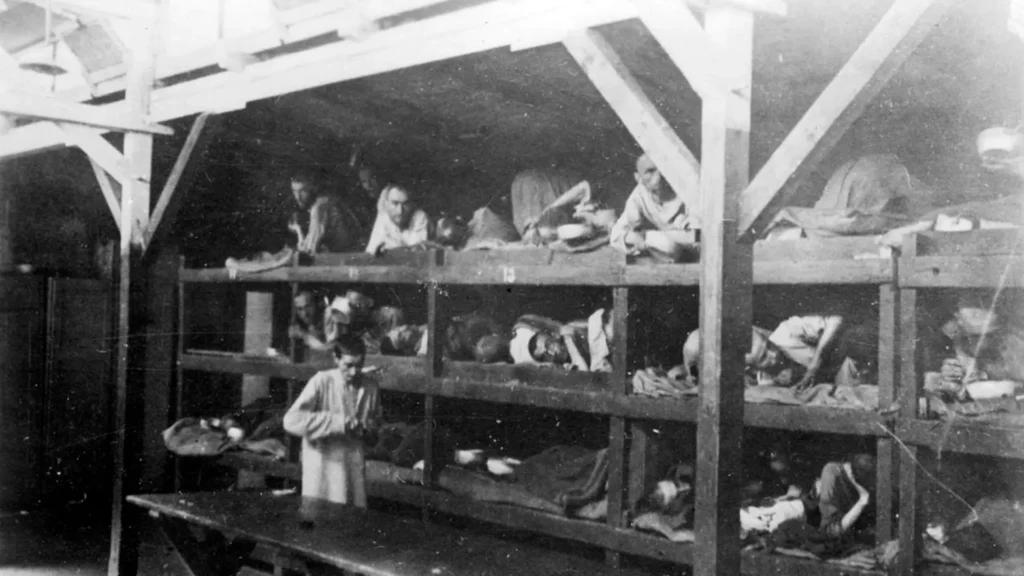
Historical Background: Poland, Jews, and Contested Narratives
The controversy surrounding Among Neighbors connects to a longer historical debate over how Poland’s role during World War II and its immediate aftermath is understood. For decades, works like Jan T. Gross’s Neighbors have challenged myths about Polish innocence by documenting instances—such as the 1941 Jedwabne massacre—where Polish villagers killed their Jewish neighbors. These revelations sparked intense debate in Poland about national identity and collective guilt.
Education and truth-seeking efforts, like those embodied in Among Neighbors, are part of a broader movement to ensure that all aspects of historical persecution are neither forgotten nor misrepresented. The film’s very existence speaks to the ongoing struggle in many societies to confront painful legacies head-on and promote openness about historical injustices.
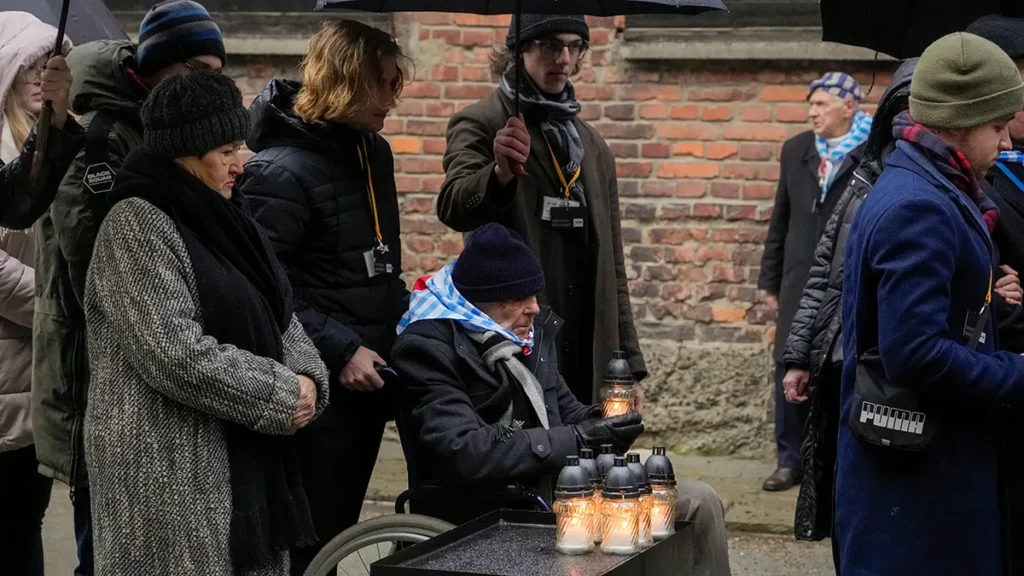
Impact and the Path Forward: Confronting Difficult Truths
The potential banning of Among Neighbors raises significant questions about freedom of expression, state control over historical narratives, and the responsibilities of media institutions. Critics warn that suppressing such documents stifles public understanding and academic inquiry, while supporters of restriction claim it protects national honor and cohesion. This clash highlights how deeply history can shape contemporary politics and collective identity.
For educators, historians, and advocates of open discourse, the controversy underscores the importance of confronting uncomfortable truths. Films like Among Neighbors do more than revisit history—they invite new generations to critically engage with the past. This is why the documentary’s journey, struggles, and real-world impact continue to draw attention internationally.
Looking Back, Moving Forward
In an era where national narratives are increasingly politicized, Among Neighbors represents a courageous attempt to broaden understanding of post-Holocaust reality. The film’s courageous storytelling and the backlash it faces reflect broader struggles over memory, accountability, and how societies choose to remember their past. As debates continue in Poland and around the world, audiences are reminded that history is never static, and grappling with painful chapters can be a step toward a more informed and just future.
Subscribe to trusted news sites like USnewsSphere.com for continuous updates.