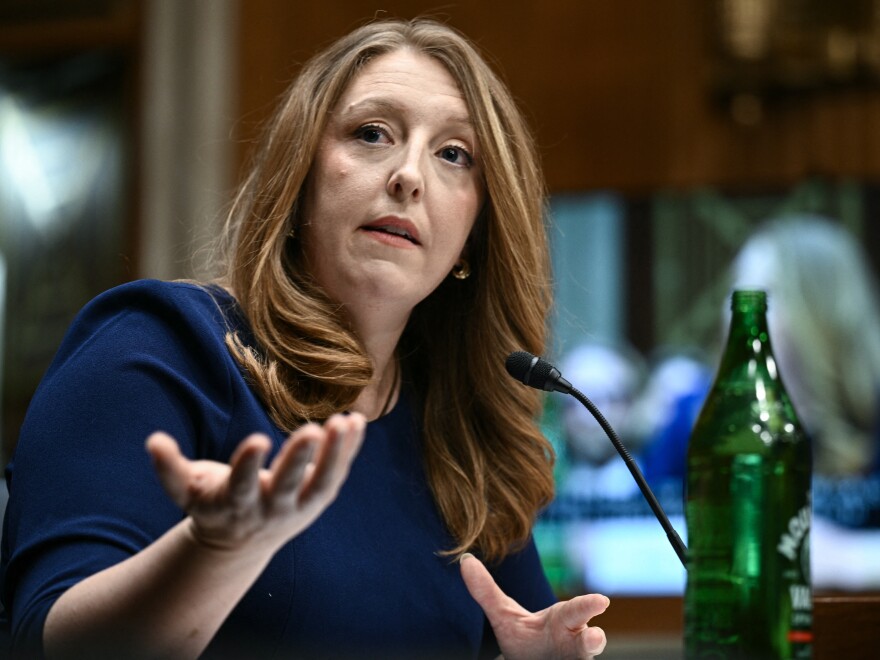
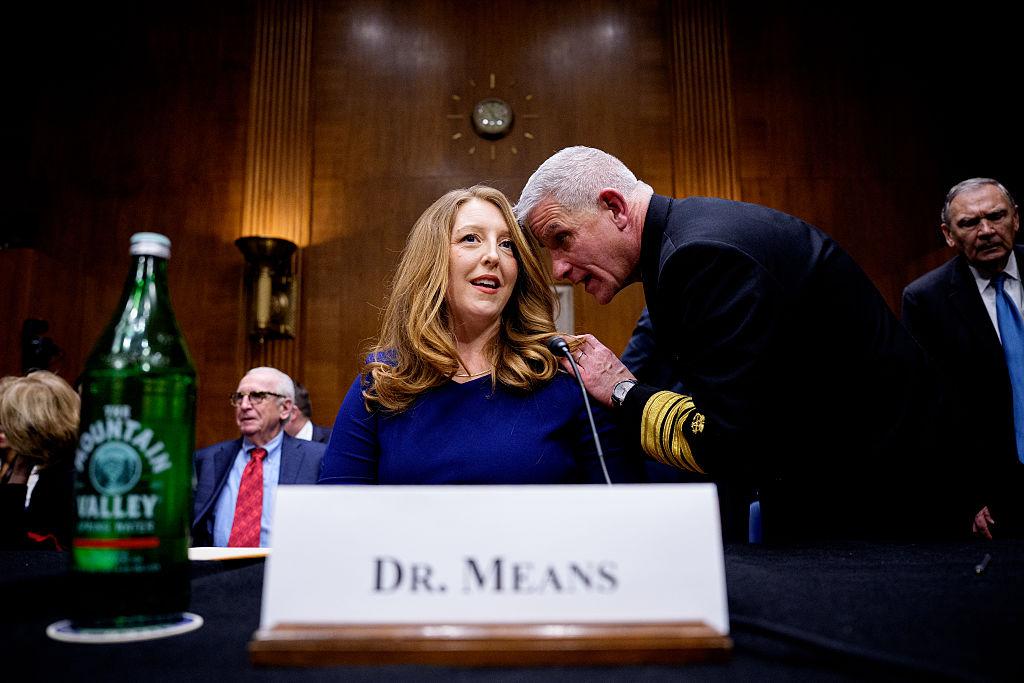
Dr. Casey Means, President Donald Trump’s nominee for U.S. Surgeon General, appeared before the Senate Health, Education, Labor, and Pensions (HELP) Committee on February 25, 2026, where she faced sustained scrutiny from lawmakers over her views on vaccinations, pesticides like glyphosate, birth control, conflicts of interest, and her broader public-health approach. This confirmation hearing has captured national attention because it touches on core questions about federal health leadership, scientific credibility, and the future direction of U.S. public health policy.
Means, a wellness influencer and co-founder of the Make America Healthy Again (MAHA) movement, was nominated as surgeon general amid debate about her lack of an active medical license and her unconventional views. The role of U.S. Surgeon General traditionally serves as the nation’s top medical communicator, championing science-based public-health guidance. Her responses at the hearing raised key issues — especially about vaccines, environmental exposures, and the role of federal health messaging — making this a pivotal moment in American health leadership.
Vaccine stance draws bipartisan concern and scientific criticism
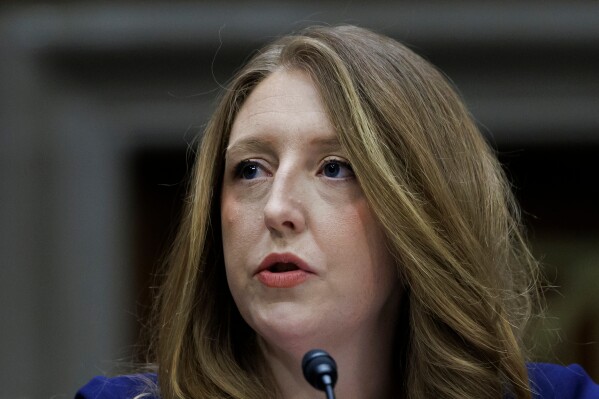
One of the most closely watched parts of the hearing was Dr. Means’ response to questions about routine childhood vaccinations, including measles, hepatitis B, and the flu vaccine. While Means stated she believes vaccines save lives, she repeatedly declined to issue direct public guidance urging families to vaccinate their children, instead emphasizing that “patients should have an informed discussion with their doctors.” These remarks diverge from customary public-health recommendations that promote universal vaccination as a key measure to prevent disease outbreaks.
Senators on both sides of the committee expressed unease. Republican Senator Bill Cassidy, a physician himself, pressed Means on whether she would advocate for universal Hepatitis B vaccination at birth — a proven strategy to prevent serious liver disease — yet Means maintained her focus on individualized decision-making. Some Democrats highlighted that leading scientific bodies, such as the CDC, have firmly rejected any connection between vaccines and autism — a stance beyond debate in mainstream medicine — and expressed concern that Means’ ambiguous comments could undermine public trust in lifesaving vaccines.
With measles outbreaks emerging across parts of the U.S. and public-trust in vaccination being a critical public-health issue, the surgeon general’s messaging can deeply influence healthcare behaviors nationwide.
Glyphosate and environmental exposures: Markey pushes for clarity
Senator Edward Markey (D-MA) questioned Means about her views on glyphosate, the widely used herbicide at the center of prolonged legal and health controversies. Markey specifically asked if she agreed with scientific research identifying glyphosate as potentially harmful to humans — concerns echoed by many environmental and health activists. Rather than condemn glyphosate outright, Means walked a nuanced line, expressing grave concern about environmental chemicals but cautioning that abrupt disruption of the agricultural system could harm food security, farmers, and consumers.
Means referenced President Trump’s executive order to increase domestic glyphosate production, noting it was framed as a matter of national food-security. Although she shared worries about the cumulative health impacts of chemical exposures, she did not fully align with calls to immediately phase out glyphosate, reflecting tensions between environmental health advocates and agricultural stability.
The exchange highlighted broader debates about how to balance public-health protection with economic and food-system concerns.
Background and conflicts: influence in the wellness sector under the microscope
Beyond policy positions, Senators challenged Means on her background, credentials, and potential conflicts of interest. Means graduated from Stanford University’s School of Medicine but voluntarily placed her medical license in inactive status, raising questions about her day-to-day clinical experience. Critics also pressed her about past financial relationships with wellness companies she promoted on social media and newsletters. Some Senators suggested that Means may not have fully disclosed compensation tied to those endorsements, potentially conflicting with ethics rules.
Means defended her integrity, saying she has been working with the Office of Government Ethics to ensure compliance and pledged to divest from any companies if confirmed as surgeon general. Yet, these discussions underscored broader concerns about transparency and the influence of social-media health influencers on federal public-health roles.
Chronic disease strategy and controversial beliefs
Throughout the hearing, Means emphasized her belief that chronic diseases — such as diabetes, heart disease, and obesity — are driven more by environmental exposures, diet, and lifestyle than by traditional medical interventions. She vowed to use the surgeon general’s platform to push for healthier diets, reduced ultra-processed food consumption, and more attention on the root causes of widespread metabolic health issues — themes central to the MAHA movement’s agenda.
However, some of her past comments — including references to psychedelic substances, criticisms of conventional medical practices, and alternative health perspectives — have drawn criticism from medical professionals and former public-health leaders, who argue that the surgeon general’s role requires strict adherence to evidence-based science.
What’s next and the far-reaching impact
Following the hearing, the committee is expected to vote on Means’ nomination, after which a full Senate vote would determine whether she becomes the next U.S. surgeon general. This decision carries implications beyond confirmation: it could signal a shift in how federal health communications are framed, how vaccines and chronic disease are addressed at the national level, and how environmental health risks are prioritized.
Whether championed or opposed, Dr. Means’ hearing represents a crossroads in U.S. health policy — merging scientific rigor with broader cultural debates about health and wellness.
Subscribe to trusted news sites like USnewsSphere.com for continuous updates.