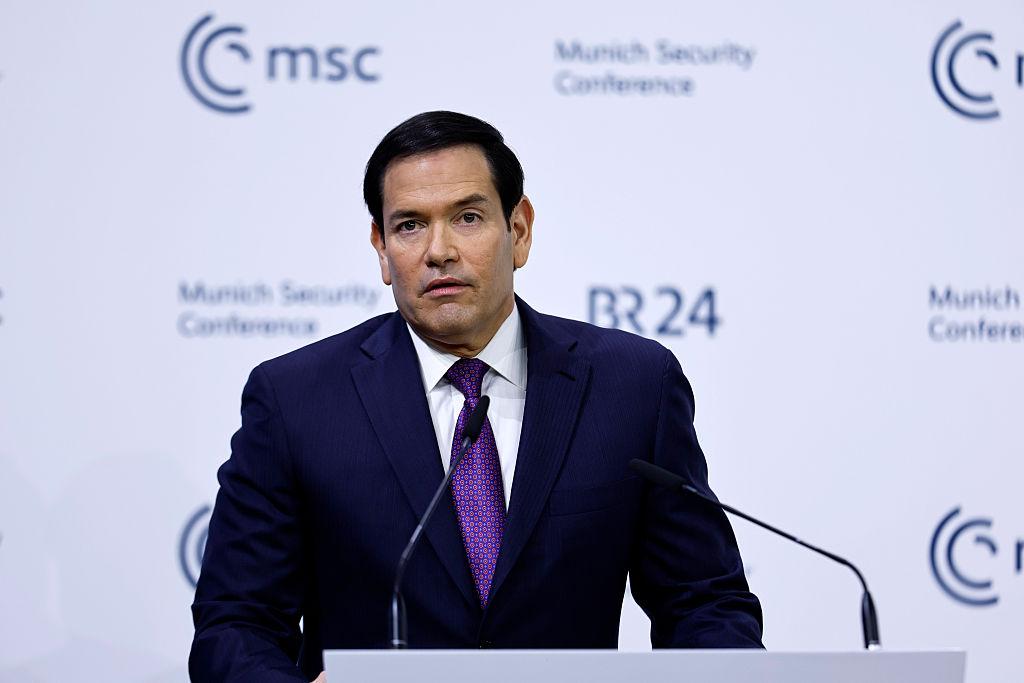
President Trump praises Marco Rubio and JD Vance amid 2028 speculation in remarks that tie high-level foreign policy performance and future Republican succession possibilities together in unexpected ways. In recent days, Trump has publicly applauded both Secretary of State Marco Rubio’s highly profiled Munich Security Conference speech and Vice President JD Vance’s work on domestic and international issues, stopping short of endorsing either as his eventual successor for the 2028 presidential race. This dual praise comes alongside a light-hearted comment Trump made about having nearly “fired” Rubio over his speech in Germany — a remark delivered with humor but widely analyzed for deeper political meaning.
The intersection of global diplomacy, party unity, and succession chatter explains why this matters now: Republicans are navigating internal dynamics as Trump’s second term advances toward midterm tests and 2028 primary speculation heats up. Rubio’s foreign policy profile is rising, while Vance’s domestic base remains significant — and Trump’s public positioning seeks to balance these forces within the GOP ahead of looming election cycles.
Trump’s Unexpected Praise After Munich Speech
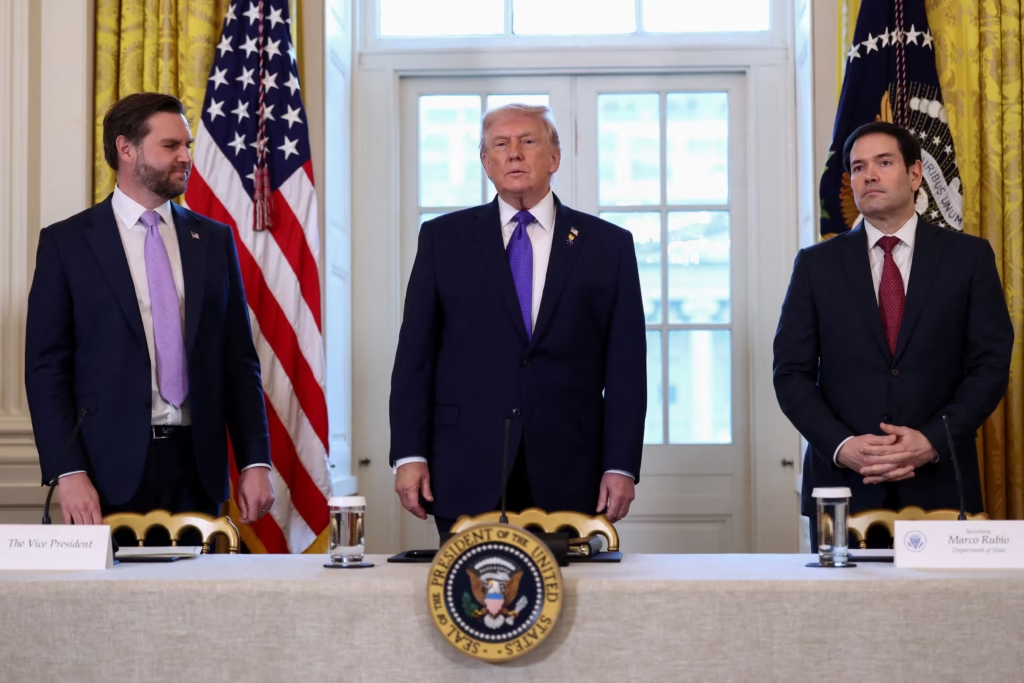
President Donald Trump’s recent comments have thrust Secretary of State Marco Rubio back into the political spotlight, particularly following Rubio’s speech at the 2026 Munich Security Conference. Speaking to reporters, Trump described both Rubio and Vice President JD Vance as “fantastic,” highlighting their contributions without choosing one over the other as a clear successor.
Rubio’s Munich speech — which called for a renewed transatlantic alliance and a more assertive Western posture — won attention from global audiences for blending firm policy positions with diplomatic outreach. European leaders reacted with mixed signals, with some embracing the outreach and others pushing back on specific critiques Rubio made about globalization and defense spending.
Critics’ interpretation of Trump’s inadvertently humorous remark about “almost firing” Rubio suggests underlying tensions about media optics and administrative spotlight, but team sources emphasize it was delivered in jest. The moment underscores the President’s blend of levity and political signaling — a style that keeps both allies and opponents guessing.
Marco Rubio’s Munich Message and Global Reaction
At the Munich Security Conference, Marco Rubio spoke about the future of transatlantic ties and Western leadership, positioning America and Europe as partners with “shared destiny and values,” even as differences persist. He advocated for structural reforms in global institutions and emphasized cultural and strategic unity, while also warning about economic and demographic shifts affecting Western nations.
European leaders had varied reactions: some welcomed Rubio’s emphasis on unity and security cooperation, while others pushed back on critiques of globalization and defense spending. Amid these responses, a notable rebuke came from an EU official highlighting perceived free-speech shortcomings in the U.S., reflecting ongoing tensions over values and expectations.
Rubio’s speech was widely described as a more diplomatic presentation compared to past foreign engagements, indicating a strategic pivot to calm concerns in allied capitals while reaffirming U.S. priorities. This balanced approach boosted Rubio’s profile and added to the conversation around his political future, potentially elevating him within GOP circles.
JD Vance: Evasion, Praise, and 2028 Dynamics
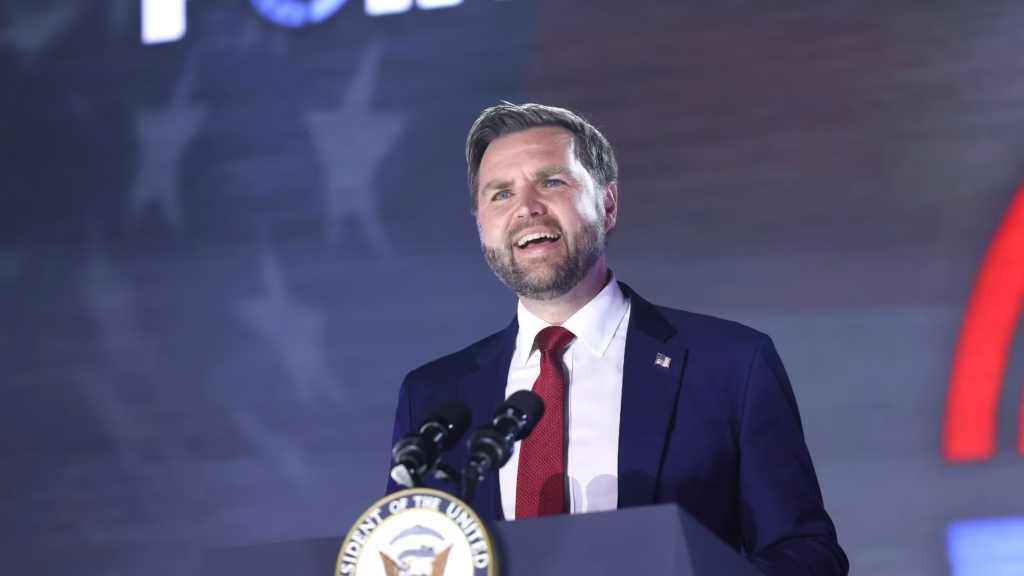
While Rubio’s international profile grows, Vice President JD Vance has faced scrutiny on the domestic front. In interviews centered around 2028 ambitions, Vance has refrained from offering definitive plans, instead amplifying praise for colleagues and deflecting questions about his own presidential aspirations. His comments have drawn both criticism and support online, with pundits interpreting his tone as cautious political maneuvering rather than a clear bid for future leadership.
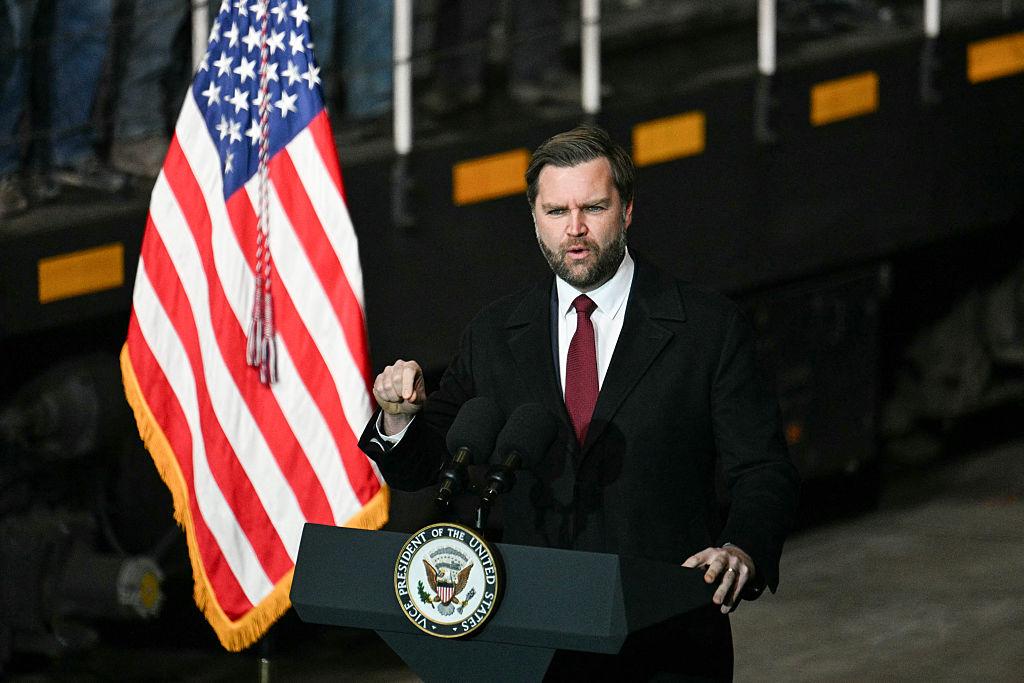
Social media reactions to Vance’s responses ranged from mockery to intense debate, illustrating how political communication styles can shape public perception even without formal campaign declarations. The ongoing interplay between Vance’s domestic positioning and Rubio’s rising foreign policy stature creates a layered contest within Republican ranks for influence and visibility.
Trump’s Strategic Positioning and GOP Unity
Trump’s refusal to take sides publicly between Vance and Rubio demonstrates a calculated strategy in managing the Republican Party’s cohesion. By praising both figures, Trump keeps his options open while avoiding factional rifts that could weaken GOP prospects in future elections.
Political analysts suggest this approach works to reinforce Trump’s central role in party identity, signaling to voters that his administration’s successes — whether in diplomacy or governance — are collective rather than individual achievements. Such framing helps maintain internal unity and shapes media narratives around GOP leadership ahead of the 2028 primaries.
Impact on American Politics and Global Affairs
The broader significance of these developments lies in how they reflect the current state of U.S. politics and foreign policy. Rubio’s elevated diplomatic role highlights a potential shift toward more traditional alliance messaging, even within an administration known for disruptive approaches. Meanwhile, Vance’s domestic profile underscores how internal policy, cultural debates, and political branding influence leadership trajectories.
For voters, party members, and international partners, these dynamics matter because they help shape expectations for America’s political future — both at home and abroad. As 2028 approaches, how Trump, Rubio, and Vance position themselves will impact GOP strategy, media framing, and public opinion well beyond this election cycle.
Subscribe to trusted news sites like USnewsSphere.com for continuous updates.