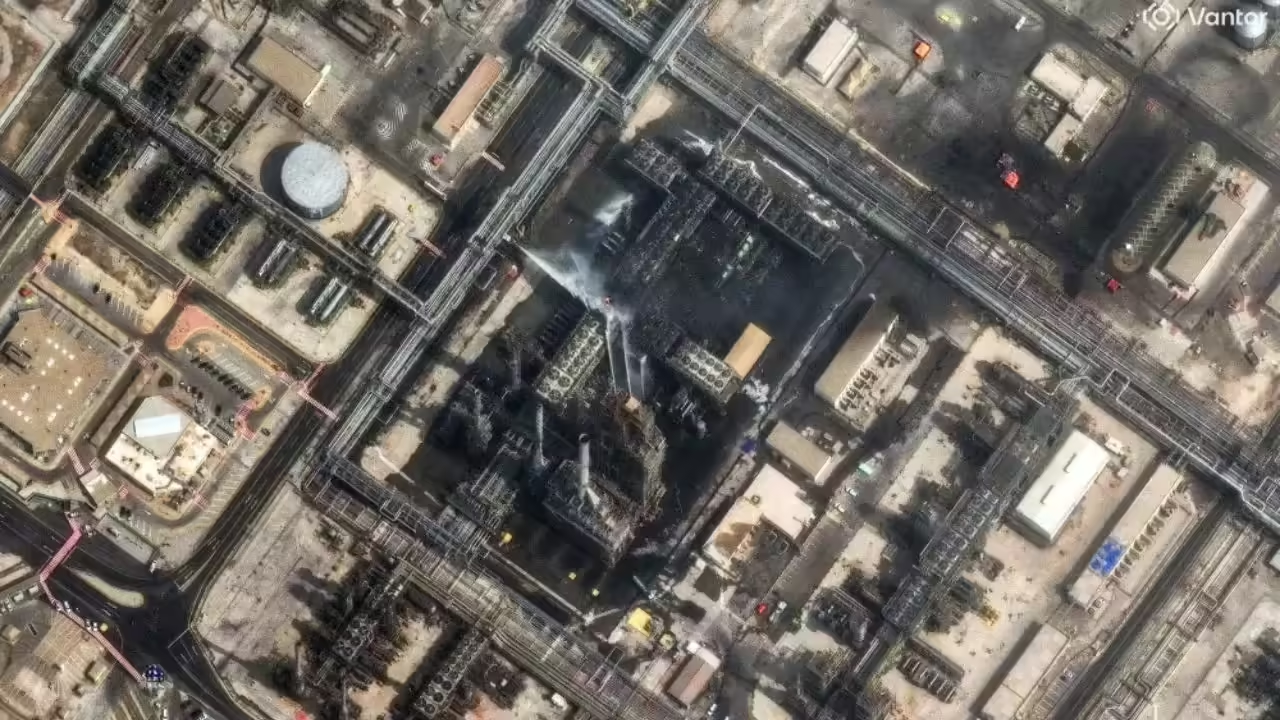
Global Oil Crisis 2026 is escalating fast as reports confirm that 30–40% of Gulf energy infrastructure has been severely damaged, creating immediate concerns over global oil supply, rising prices, and economic instability. Governments, energy analysts, and investors are now closely watching the situation as disruptions in one of the world’s most critical oil-producing regions could affect fuel costs, inflation, and financial markets worldwide.
This crisis matters now because the Gulf region supplies a major share of global oil exports, especially to the United States, Europe, and Asia. Any disruption at this scale can trigger price spikes, supply shortages, and geopolitical tensions, making it one of the most significant energy risks of 2026.
What Happened in the Gulf Energy Infrastructure
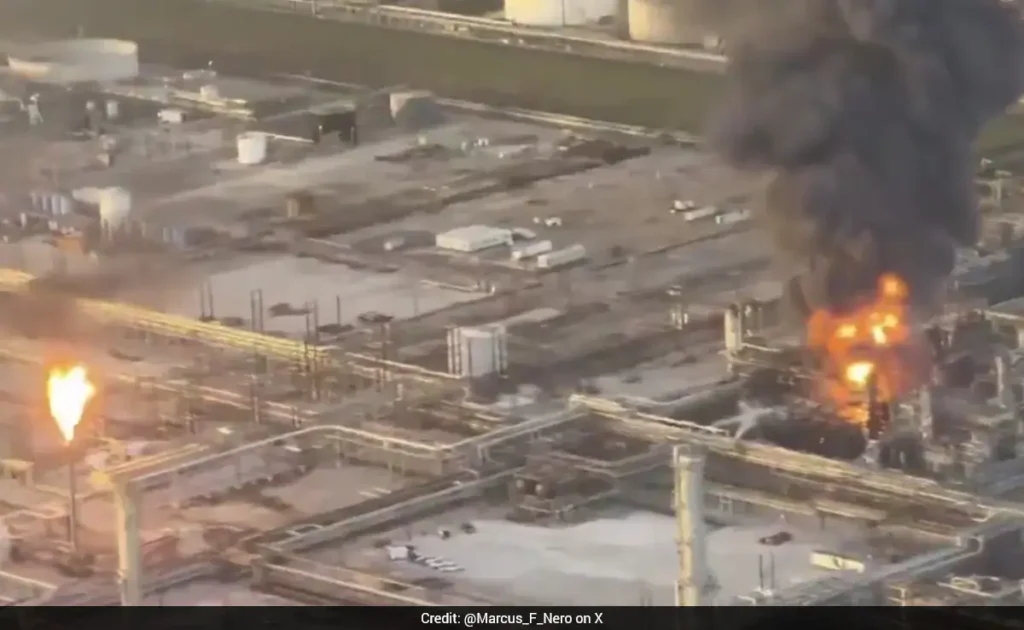
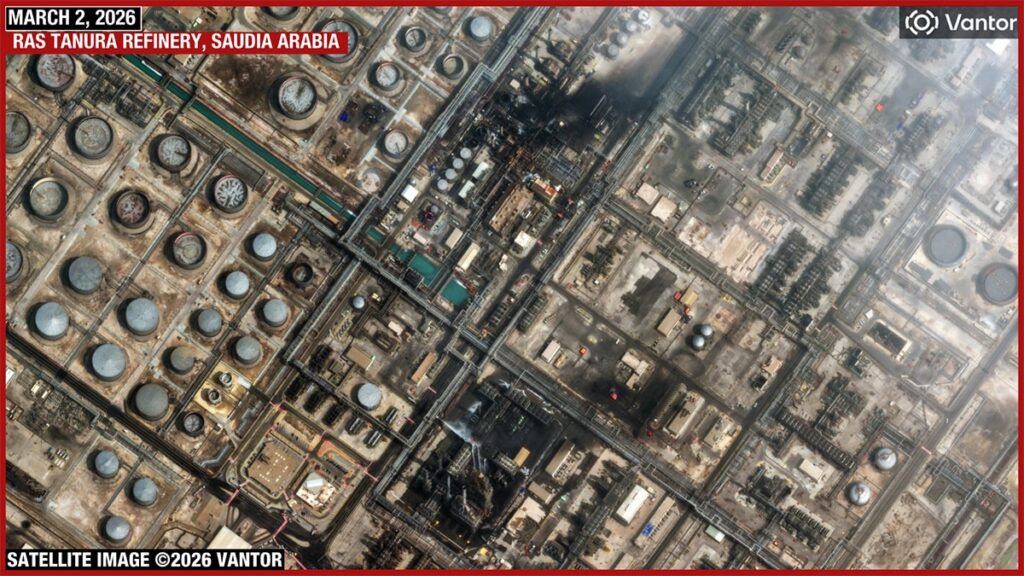
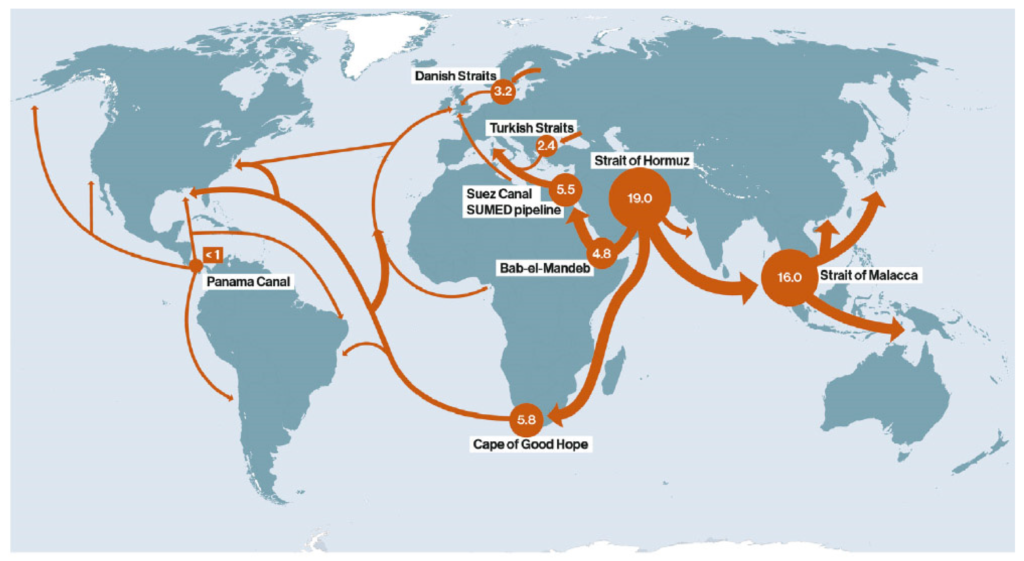
Recent developments indicate that a significant portion of oil facilities in the Gulf region has been damaged, with estimates suggesting up to 40% of key infrastructure impacted. This includes oil refineries, storage terminals, pipelines, and export ports—critical systems that ensure a steady global energy supply.
Energy experts say the damage is not just physical but operational. Even facilities that remain structurally intact are facing shutdowns due to safety concerns, workforce disruptions, and logistical breakdowns. This combination has sharply reduced the region’s ability to process and export crude oil efficiently, amplifying global concerns.
Why the Gulf Region Matters for Global Oil Supply
The Gulf region plays a central role in the global energy market, accounting for a large share of daily oil exports. Countries in this region supply millions of barrels per day to major economies, including the United States, China, and European nations.
Because of this dependency, even a partial disruption creates ripple effects worldwide. Oil prices are highly sensitive to supply shocks, and the Gulf acts as a backbone of energy stability. When production or export capacity is reduced, global markets react instantly, often leading to higher fuel costs and increased economic uncertainty.
Immediate Impact on Oil Prices and Markets
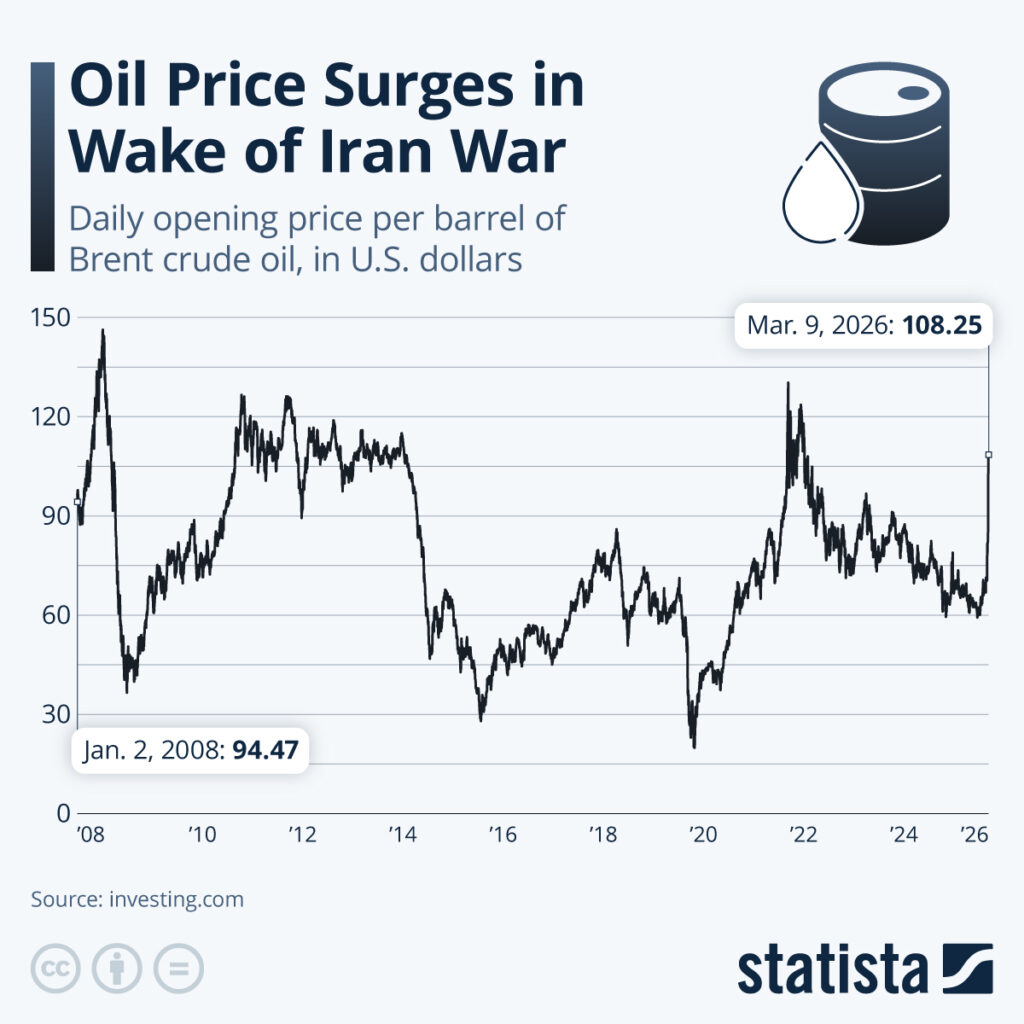
Following the reports of infrastructure damage, global oil prices have shown strong upward pressure. Traders and investors are factoring in reduced supply and potential long-term disruptions, which is driving volatility across energy markets.
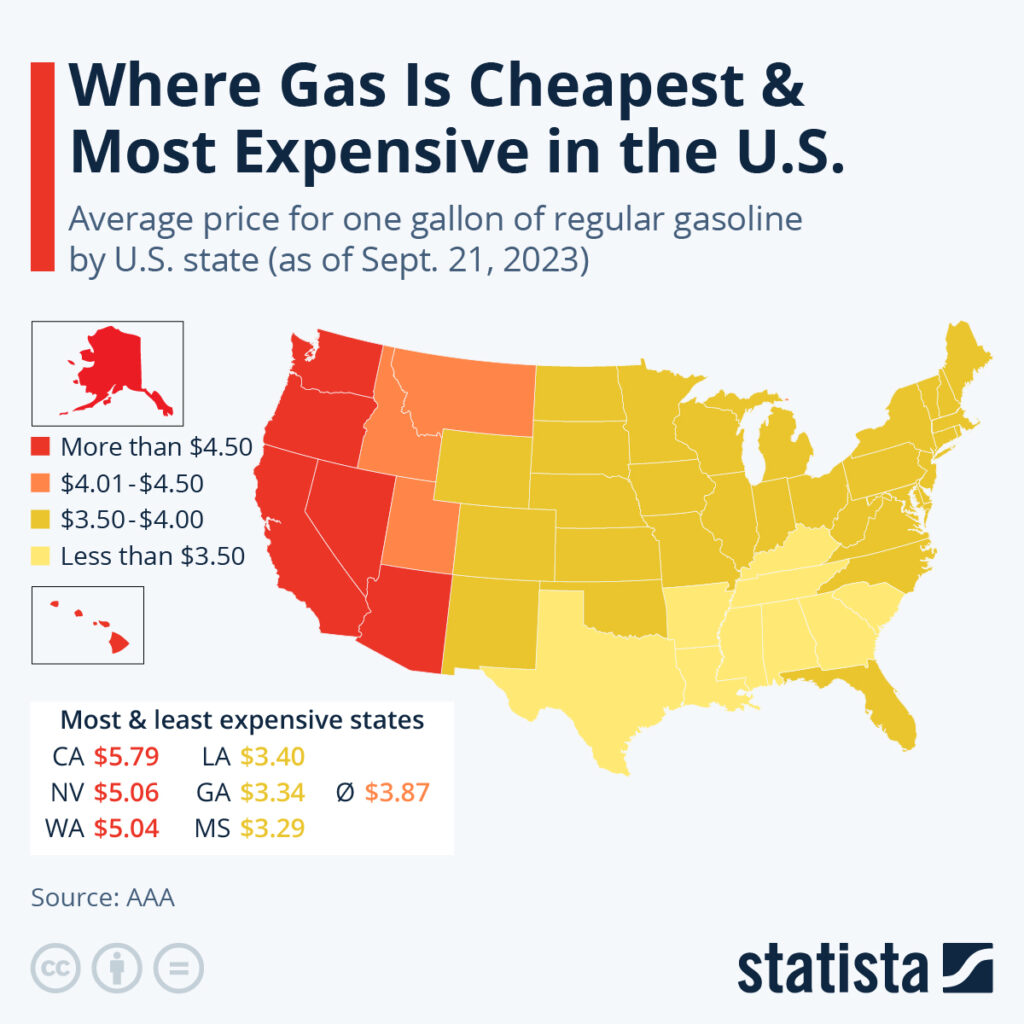
In the United States, rising oil prices could translate into higher gasoline costs for consumers. Historically, similar supply disruptions have led to price increases of 10–30% within weeks. Financial markets are also reacting, with energy stocks gaining while sectors dependent on cheap fuel, such as transportation and manufacturing, face potential declines.
Why This Matters Now for the US and Global Economy
This crisis comes at a time when global inflation remains a key concern. Rising oil prices can directly increase transportation, production, and heating costs, which in turn affect everyday goods and services. For the US economy, this could slow down recovery efforts and impact consumer spending.
Additionally, central banks may face difficult decisions. If energy-driven inflation rises, interest rates may need to stay higher for longer, affecting loans, mortgages, and business investments. This creates a chain reaction that goes beyond energy markets and touches nearly every sector of the economy.
Long-Term Risks and Strategic Responses
Governments and energy companies are already discussing potential responses to stabilize the situation. These include releasing strategic petroleum reserves, increasing production in other regions, and accelerating investments in renewable energy.
However, rebuilding damaged infrastructure in the Gulf could take months or even years, depending on the extent of the destruction. This means the current crisis may not be short-lived. Long-term strategies will likely focus on diversifying energy sources and reducing dependence on a single region for oil supply.
What Happens Next in the Global Oil Crisis
The next phase of this crisis will depend on how quickly the Gulf region can restore its energy infrastructure. Monitoring supply levels, geopolitical developments, and market reactions will be critical in the coming weeks.
Energy analysts suggest that if disruptions continue, oil prices could remain elevated throughout 2026, potentially reshaping global energy policies. For consumers, businesses, and governments alike, this situation highlights the importance of energy security and resilience in an increasingly uncertain world.
Subscribe to trusted news sites like USnewsSphere.com for continuous updates.