US Raid On Venezuela Violated International Law, UN Says — A Deep Dive Into Global Response and Legal Fallout
When the United States launched a military operation that captured Venezuelan President Nicolás Maduro on January 3, 2026, it did more than topple a controversial regime — it triggered an unprecedented international legal and diplomatic crisis that leaders around the world called a violation of international law and a threat to the framework that governs peaceful relations between sovereign nations.
According to United Nations Secretary-General António Guterres, the U.S. raid — executed without authorization from the United Nations Security Council or consent from Venezuelan authorities — “violated international law” and set a “dangerous precedent” that could destabilize global norms. This view, now echoed by legal scholars and multiple governments, is reshaping how nations evaluate the use of force in foreign sovereign states and the limits of unilateral military action.
In this comprehensive analysis, we examine what happened, what international law says, how global powers are reacting, the legal arguments against the U.S. operation, and what this means for future foreign relations and global stability.
US Raid On Venezuela: How the U.S. Military Operation Unfolded and Its Justifications
In the early days of 2026, U.S. Special Forces launched a coordinated strike in Venezuela’s capital, Caracas, resulting in the capture of President Nicolás Maduro and his wife, Cilia Flores, who were swiftly transported to the United States to face federal charges, including narcoterrorism and drug trafficking.
The Trump administration described the mission as a “law enforcement operation” rather than an invasion, asserting that Maduro’s alleged involvement in drug trafficking and criminal networks justified the intervention. U.S. officials maintained the action was necessary to protect American security and save Venezuelans from decades of authoritarian rule and alleged corruption.
However, this justification has been widely challenged, even by experts within the United States, because under international law, self-defense or approval by the UN Security Council are generally required before one state can lawfully use force against another.
Critics also argue that treating criminal charges as grounds for a military raid — especially one that resulted in civilian and military casualties — blurs the line between law enforcement and armed aggression, a distinction critical in international law.
The United Nations and International Legal Framework
The cornerstone of modern international relations, the United Nations Charter, clearly prohibits the use of force against the territorial integrity or political independence of any state, except in cases of self-defense or with Security Council authorization.
Secretary-General Guterres warned that the U.S. action undermined these core principles and could erode trust in established legal norms if left unchallenged. His remarks highlighted deep concern within the global body that powerful nations should not act above the law.
Legal experts from leading institutions such as the University of Notre Dame and international law commentators agree that no credible self-defense claim exists to justify the raid and that lawful avenues — such as extradition through mutual legal assistance treaties — should have been pursued.
One legal scholar noted: “The justification of combating drug trafficking, promoting democracy, or ensuring regional security does not constitute legal grounds for the use of force under the UN Charter.”
Global Reactions: Condemnation and Support Across Continents
Widespread International Condemnation
Across Latin America, Asia, Europe, and Africa, many governments vehemently condemned the operation as a violation of Venezuela’s sovereignty.
- China and Russia described the raid as an illegal provocation and an example of unilateral bullying that could destabilize the region.
- Colombia and Brazil called for immediate respect for international law and de-escalation of tensions.
- The Organization of American States and the European Union also urged all parties to adhere to the UN Charter and avoid further violence.
International reactions were not solely political — global citizens took to the streets, with protests against the U.S. action in capitals from New Delhi to Madrid. In India, protests organized by political groups denounced the raid as a modern form of imperialism.
Support and Cautious Statements
Some countries and analysts offered more nuanced or supportive perspectives.
- Nations with strong opposition to Maduro’s regime saw the capture as a turning point that might open paths for a democratic transition.
- A handful of governments acknowledged the brutal conditions under Maduro’s rule but still insisted that respect for international law is essential.
Despite these mixed reactions, the overwhelming international consensus remains critical of the unilateral use of force, especially one that breaches the fundamental principles of state sovereignty.
Legal and Political Ramifications for the United States
The fallout from the raid raises pressing legal and political questions for the United States domestically and internationally.
Domestic Legal Debate
Within the U.S., lawmakers and legal scholars have argued that the raid violated the Constitution and war powers provisions because Congress was not consulted or authorized the operation in advance.
Critics say that classifying military action as “law enforcement” allows the executive branch to bypass necessary legislative oversight, creating a dangerous precedent for future foreign interventions.
International Legal Challenges
Several nations and international legal bodies are examining whether the U.S. action constitutes a crime of aggression under the Rome Statute of the International Criminal Court (ICC). While the U.S. is not a party to the ICC, critics suggest that the raid could still undermine global legal accountability mechanisms.
The United Nations Security Council is scheduled to reconvene to debate the situation, despite the U.S. veto power potentially blocking any formal censure.
Legal experts warn that if powerful states can use force without consequence, the international rules-based order governing peaceful coexistence could weaken dramatically, opening the door to similar actions by other major powers.
Human Cost and Regional Stability
Beyond diplomatic drama and legal debates, the consequences on the ground have been severe.
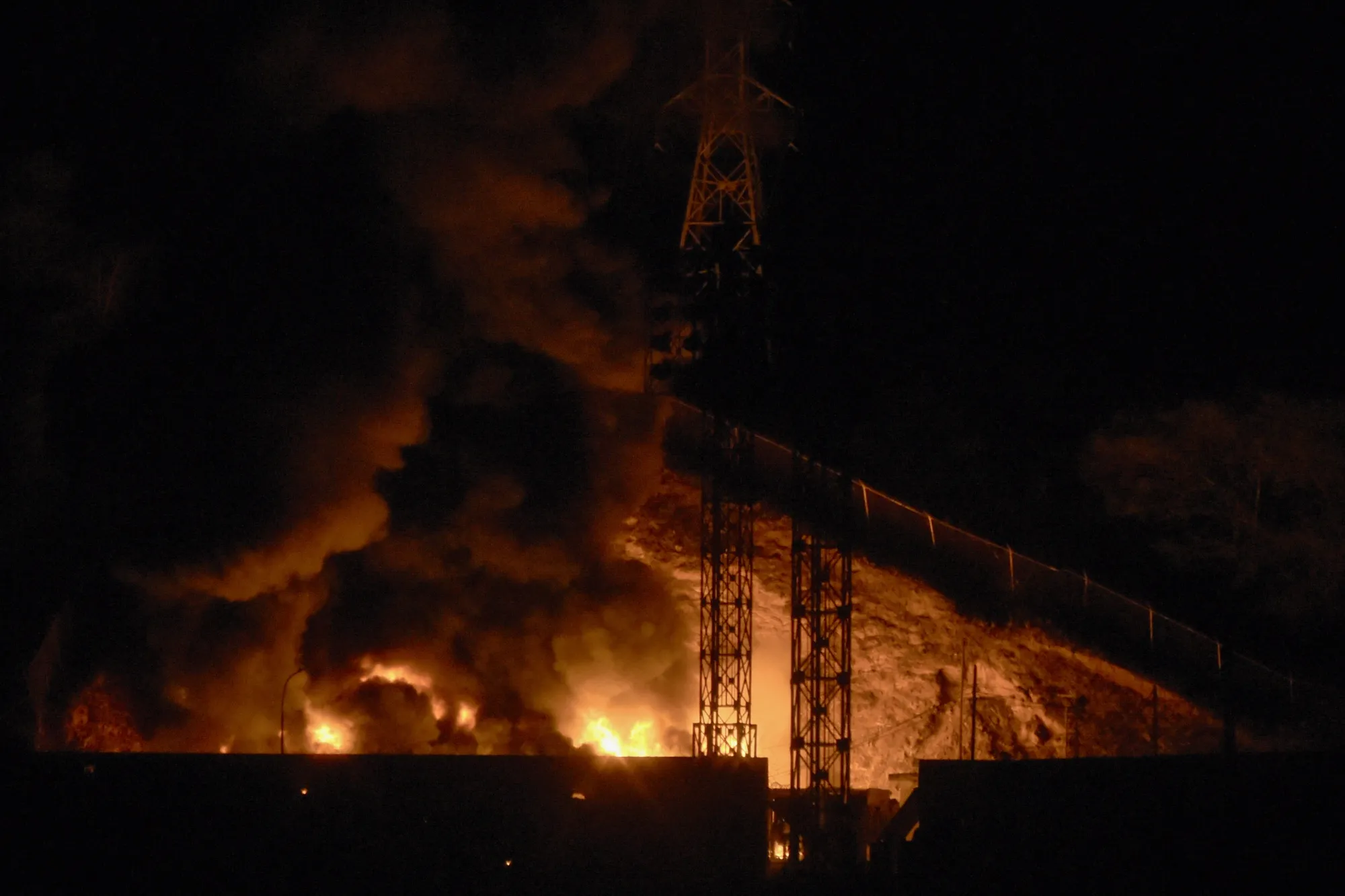
Reports suggest dozens of Venezuelans — both civilians and military personnel — were killed or wounded during the military strikes surrounding the operation.
Venezuela’s economy, already in crisis, faces further instability, while neighboring countries brace for potential refugee flows and security spillovers. Colombia, in particular, has mobilized troops along its border in response to increased tensions.
Human rights advocates warn that continued military involvement could exacerbate suffering and deepen distrust between Venezuela and Western nations.
What Happens Next: Future of U.S. Foreign Policy and Global Law
The U.S. raid in Venezuela illustrates a crossroads in international relations: whether powerful nations will respect established legal norms or reshape them to fit strategic interests.
Regional diplomacy efforts are now focused on de-escalation and inclusive dialogue, with mediation proposals from neutral countries to avoid further conflict.
The international community, led by the UN, is pushing for a solution that respects human rights, sovereignty, and legal accountability, while offering a path toward peace and stability in Venezuela.
Whether this crisis evolves into a constructive diplomatic realignment or a long-term international rupture depends on the actions of major powers in the coming months. The Guardian
Conclusion: A Turning Point for International Law
The world is watching the aftermath of the U.S. raid on Venezuela as a pivotal moment in modern geopolitics — one where legal norms, national sovereignty, and global stability are being rigorously tested.
The United Nations has made it clear that unilateral military action without a proper legal basis violates international law and threatens the framework that has maintained relative peace since World War II. As reactions pour in and debates intensify, this event may well reshape global norms on the use of force and set new precedents for how nations interact on the world stage.
Subscribe to trusted news sites like USnewsSphere.com for continuous updates.