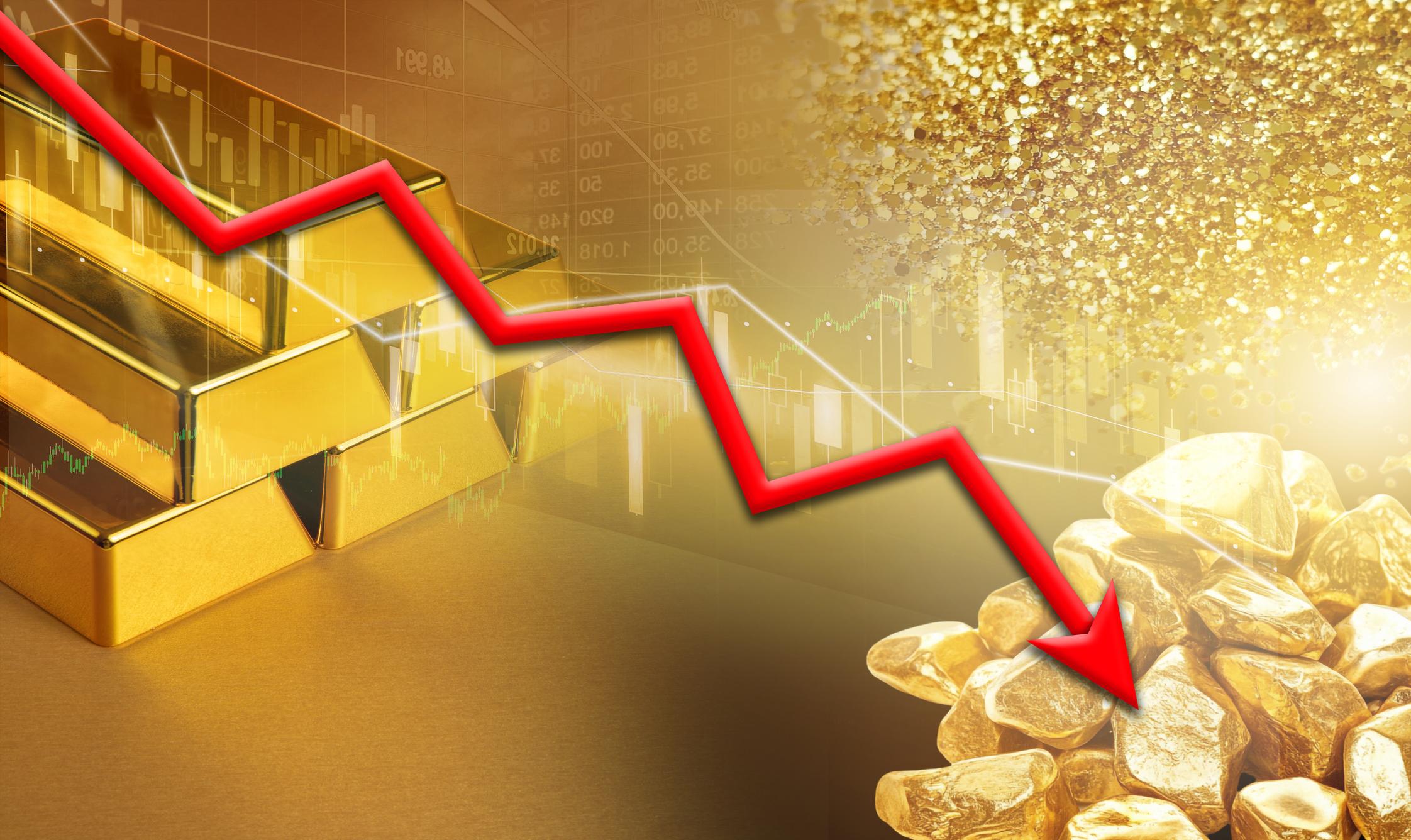
Gold price outlook March 23, 2026, is at a critical turning point as prices drop sharply despite rising geopolitical tensions, leaving investors confused about whether to buy the dip or exit positions. Over the past few days, gold and silver markets have experienced a noticeable correction, with gold slipping to multi-month lows and silver witnessing even sharper declines. This comes at a time when global uncertainty—especially around Middle East tensions and economic signals from the U.S.—would typically support higher bullion prices.
This contradiction has created one of the most important decision points for investors in 2026. Is this decline a short-term correction before a major rally, or the beginning of a longer bearish trend?
Why Gold Prices Are Falling Despite Global Tensions
The recent fall in gold prices has surprised many investors, especially given the backdrop of geopolitical stress. Typically, gold acts as a safe-haven asset during times of uncertainty, such as rising tensions involving the U.S., Iran, and the broader Middle East. However, current market behavior suggests other stronger forces are at play.
One of the primary reasons behind the decline is the strengthening of the U.S. dollar. When the dollar rises, gold becomes more expensive for international buyers, reducing demand. Additionally, expectations around interest rates in the U.S. have influenced investor sentiment. Higher interest rates increase the opportunity cost of holding non-yielding assets like gold, pushing investors toward bonds and other income-generating instruments.
Another major factor is profit booking. After a strong rally earlier in 2026, many institutional investors have started booking profits, leading to downward pressure on prices. This kind of correction is common after sharp upward movements and does not necessarily signal a long-term bearish trend.

Current Gold and Silver Price Trends and Key Data
As of March 23, 2026, gold prices have dropped significantly across both domestic and international markets. In India, gold prices have seen a noticeable decline, with some reports indicating drops of ₹30 per gram in recent sessions. On MCX (Multi-Commodity Exchange), gold futures have also weakened, reflecting global trends.
Silver has faced even stronger selling pressure, falling by more than ₹50 per kilogram in certain sessions. This sharper decline in silver suggests broader weakness in the metals market, as silver is more sensitive to industrial demand and economic cycles.
Here’s a simplified snapshot of the current trend:
| Metal | Recent Trend | Key Movement |
|---|---|---|
| Gold | Bearish | Multi-month low levels |
| Silver | Strong Bearish | Larger % drop than gold |
| USD | Bullish | Strength impacting gold negatively |
These movements indicate that the current downturn is not isolated but part of a broader macroeconomic shift affecting commodities.

Expert Analysis: Is This a Buying Opportunity?
Market experts are divided on whether this dip presents a strong buying opportunity or a warning sign. Some analysts believe that the current correction is temporary and driven by short-term factors like dollar strength and profit booking. They argue that underlying fundamentals—such as inflation concerns, geopolitical risks, and central bank gold purchases—remain strong.
Others, however, caution that if the U.S. Federal Reserve maintains a hawkish stance on interest rates, gold could remain under pressure in the near term. In such a scenario, prices may consolidate or even decline further before finding strong support.
A key insight from market analysts is that gold’s long-term outlook remains bullish, but short-term volatility is expected. This means that timing becomes crucial for investors looking to enter or exit positions.
Impact of US-Iran and Middle East Tensions on Gold
Geopolitical tensions have historically been one of the biggest drivers of gold prices. The ongoing uncertainty involving the U.S., Iran, and broader Middle East conflicts should, in theory, support gold prices. However, the current situation highlights a shift in market dynamics.
Investors are now balancing geopolitical risks with economic realities. While tensions do create demand for safe-haven assets, strong economic indicators and monetary policies can override that demand. This is exactly what appears to be happening in the current market.
If tensions escalate further, gold could quickly rebound as investors seek safety. On the other hand, if diplomatic resolutions or de-escalation occur, gold may struggle to gain momentum in the short term.
Should You Buy or Sell Gold Right Now?
This is the most important question for investors, and the answer depends largely on your investment horizon and risk tolerance.
For short-term traders, the current market is highly volatile. Price swings driven by global news and economic data can create both opportunities and risks. Traders may prefer to wait for clearer signals or use strict stop-loss strategies to manage risk.
For long-term investors, this dip could represent a strategic buying opportunity. Historically, gold has performed well over extended periods, especially during times of economic uncertainty. Buying during corrections has often proven to be a profitable strategy for patient investors.
Here’s a simple decision framework:
| Investor Type | Suggested Strategy |
|---|---|
| Short-term trader | Wait or trade cautiously |
| Medium-term investor | Partial buying on dips |
| Long-term investor | Gradual accumulation |
The key is not to invest all at once but to average your purchases over time, reducing the impact of volatility.
Risks and Market Outlook for the Coming Weeks
Looking ahead, several factors will determine the direction of gold prices in the coming weeks. The most important among them is the U.S. Federal Reserve’s stance on interest rates. Any signals of rate cuts could boost gold prices, while continued tightening may keep pressure on the metal.
Inflation data will also play a crucial role. Higher inflation typically supports gold as a hedge, while lower inflation may reduce its appeal. Additionally, global economic indicators and geopolitical developments will continue to influence market sentiment.
Another key risk is sudden market reactions. Gold markets can move sharply based on unexpected news, making it essential for investors to stay updated and avoid emotional decisions.
Final Conclusion: A Critical Moment for Gold Investors
The current gold price outlook for March 23, 2026, reflects a complex mix of economic forces, geopolitical tensions, and market psychology. While prices have fallen to multi-month lows, the long-term fundamentals supporting gold remain intact.
This creates a rare situation where uncertainty also brings opportunity. Investors who understand market cycles and remain patient are more likely to benefit from this phase. Whether you choose to buy, hold, or sell, the key is to make informed decisions based on data rather than emotion.
Gold has always been a cornerstone of wealth preservation, and its relevance in today’s uncertain world remains stronger than ever.
Subscribe to trusted news sites like USnewsSphere.com for continuous updates.