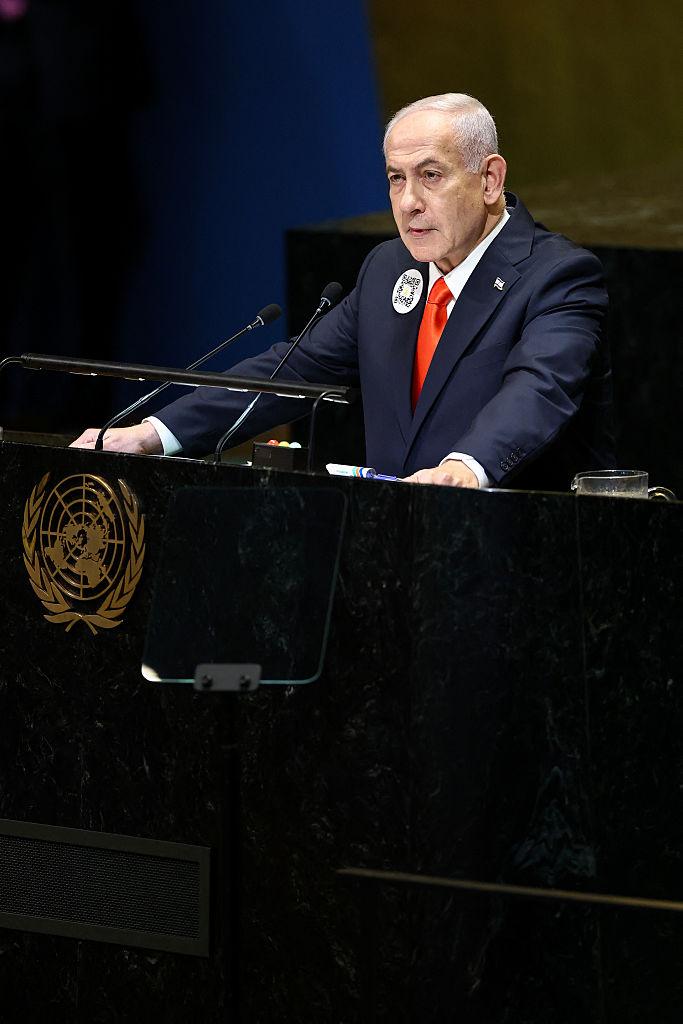
Netanyahu says Iran has no capacity to enrich uranium, denies dragging the US into the Middle East conflict. This statement by Benjamin Netanyahu comes at a critical moment as tensions rise between Iran, Israel, and the United States. Netanyahu claims Iran’s nuclear capabilities have been significantly weakened, while also rejecting accusations that Israel is pulling the US into a broader regional war. The situation matters now because it could reshape global security, oil markets, and military alliances, especially as conflicts in the Middle East continue to escalate.

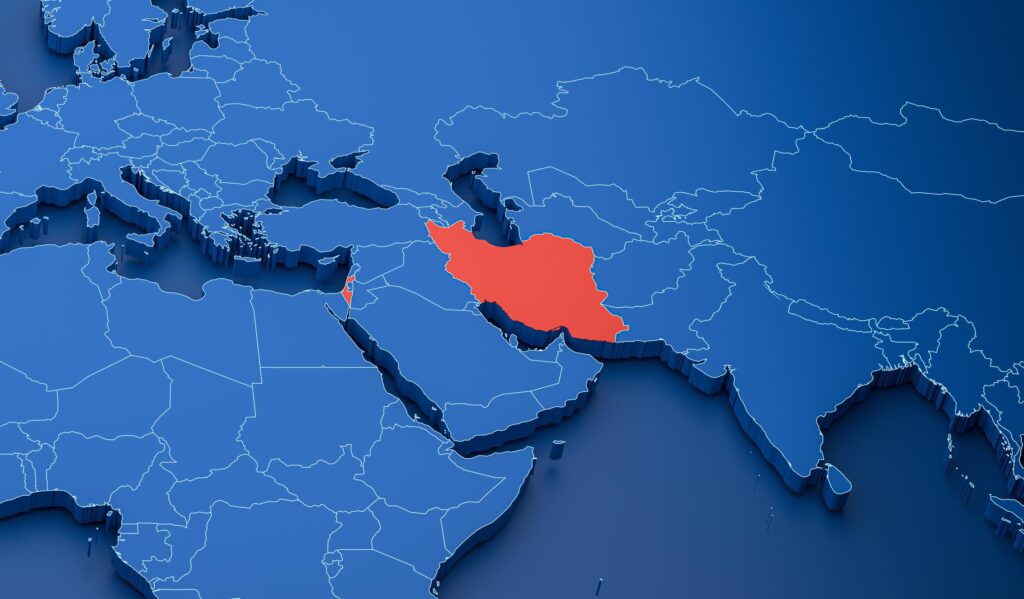
Netanyahu’s Claim: Iran’s Nuclear Capability Under Pressure
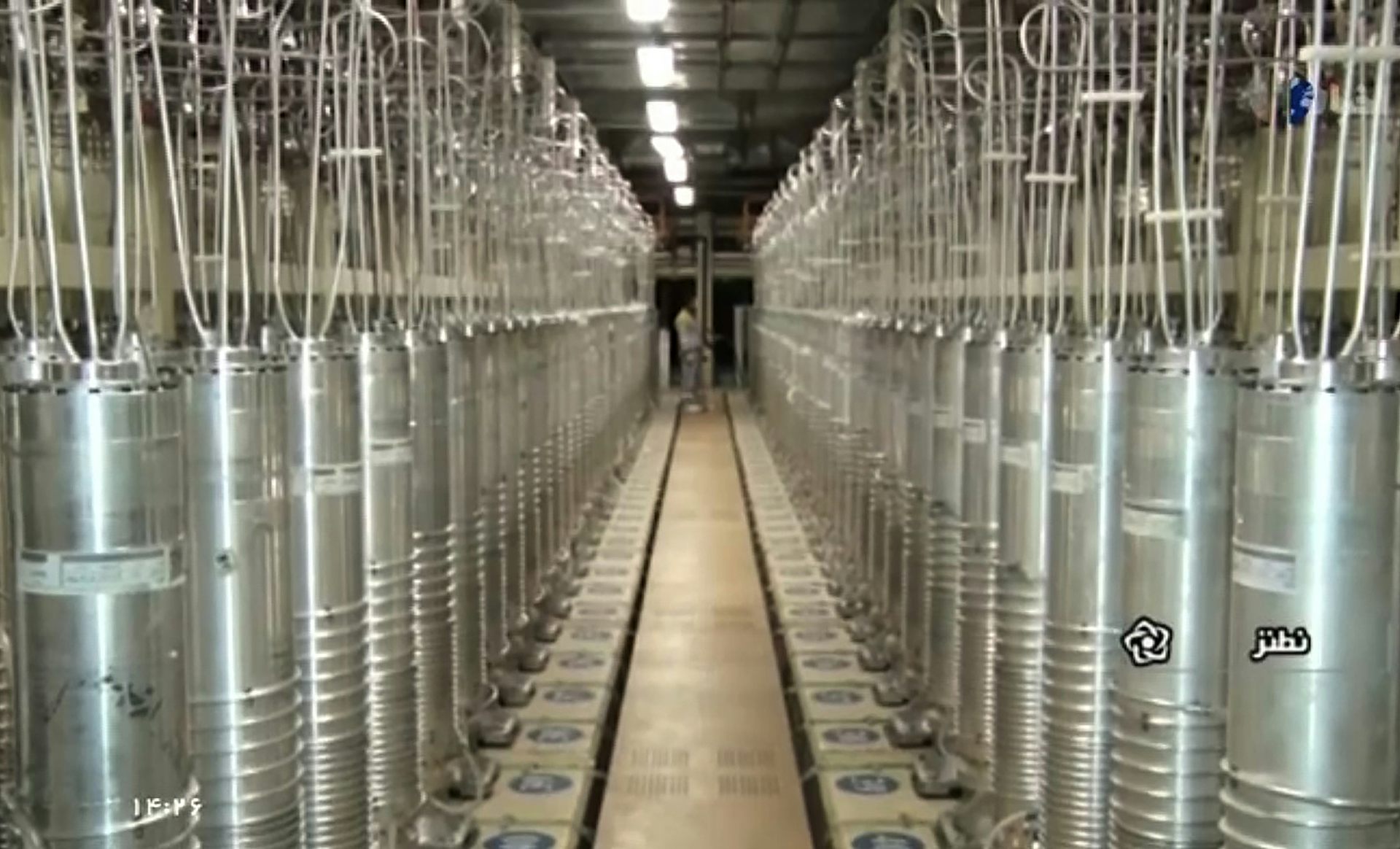
Israeli Prime Minister Benjamin Netanyahu has publicly stated that Iran no longer has the operational capacity to enrich uranium at levels required for nuclear weapons. According to Israeli assessments, recent disruptions—whether from sanctions, cyber operations, or targeted actions—have significantly slowed Iran’s nuclear progress.
This claim directly challenges earlier intelligence reports suggesting Iran was advancing toward higher enrichment levels. Experts note that uranium enrichment is a complex process involving centrifuges and infrastructure, and even minor disruptions can delay progress for months or years. However, independent verification of Netanyahu’s statement remains limited, leaving global observers cautious about accepting the claim at face value.
Iran’s Nuclear Program: What We Know So Far
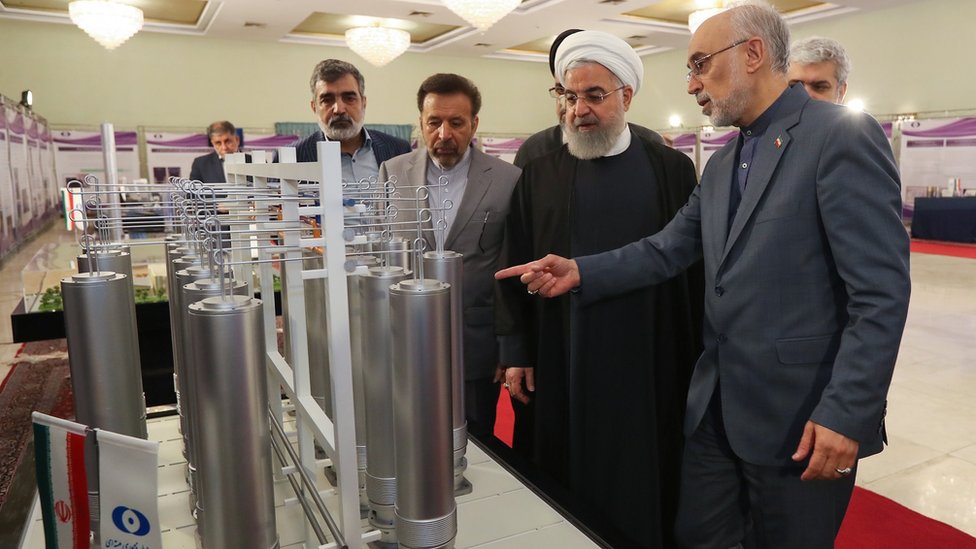

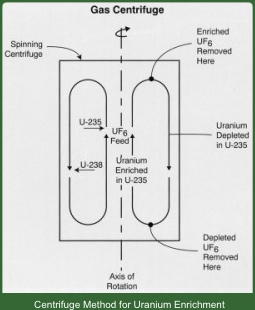
Iran has long maintained that its nuclear program is intended for peaceful purposes, such as energy production and medical research. However, Western nations, including the United States, have expressed concerns that enrichment levels could be diverted toward weaponization.
The collapse of the Joint Comprehensive Plan of Action significantly changed the landscape. Since then, monitoring has become more difficult, and Iran has expanded certain aspects of its nuclear activities. While Netanyahu claims these capabilities are now weakened, international agencies like the International Atomic Energy Agency continue to call for transparency and inspections.
US Involvement: Denials and Strategic Concerns
Netanyahu strongly denied accusations that Israel is dragging the United States into a wider Middle East conflict. He emphasized that Israel acts independently to protect its national security, though it maintains close strategic ties with Washington.
The United States, meanwhile, has repeatedly stated its preference for diplomacy over escalation. However, it has also increased its military presence in the region as a deterrent. This dual approach—diplomacy backed by force—reflects the complexity of the situation, where any miscalculation could lead to broader confrontation involving multiple nations.
Rising Middle East Tensions and Global Impact


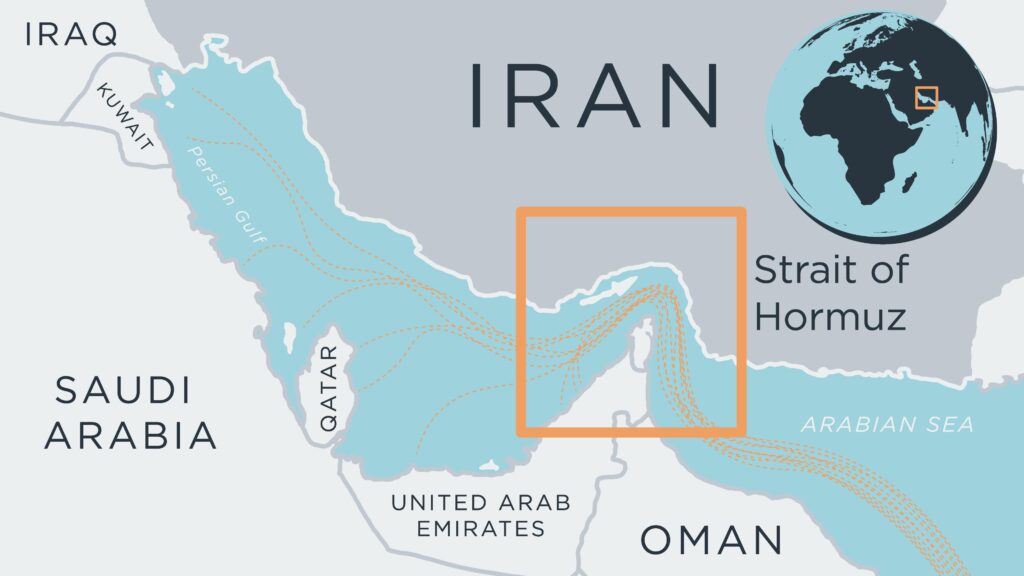
The ongoing tensions between Iran and Israel are not isolated—they have far-reaching global consequences. The Middle East remains a critical hub for global energy supply, and any escalation could disrupt oil shipments, particularly through the Strait of Hormuz.
Financial markets have already shown signs of volatility, with oil prices reacting to geopolitical developments. For the United States and Europe, stability in this region is crucial not only for energy security but also for maintaining international trade routes and economic growth.
Why This Matters Now for the World
This situation matters now because it sits at the intersection of nuclear security, global energy markets, and geopolitical alliances. If Iran’s nuclear capability is indeed reduced, it could shift the balance of power in the region. However, if the claim is overstated, it may lead to miscalculations that escalate tensions further.
For global audiences—especially in the United States—this issue directly impacts fuel prices, defense policies, and international relations. It also raises questions about the effectiveness of sanctions, intelligence accuracy, and long-term diplomatic strategies.
What Could Happen Next in the Iran-Israel-US Dynamic
Looking ahead, several scenarios are possible. Diplomatic efforts could resume, potentially leading to a revised nuclear agreement or renewed inspections. Alternatively, continued tensions could trigger localized conflicts or broader military engagement.
Much will depend on how key players—including Israel, Iran, and the United States—navigate the coming weeks. Strategic decisions made now could define the region’s stability for years. For readers and policymakers alike, staying informed is essential as this situation evolves rapidly.
Subscribe to trusted news sites like USnewsSphere.com for continuous updates.