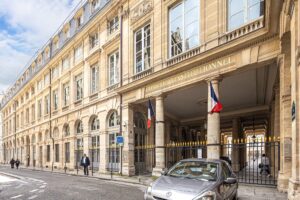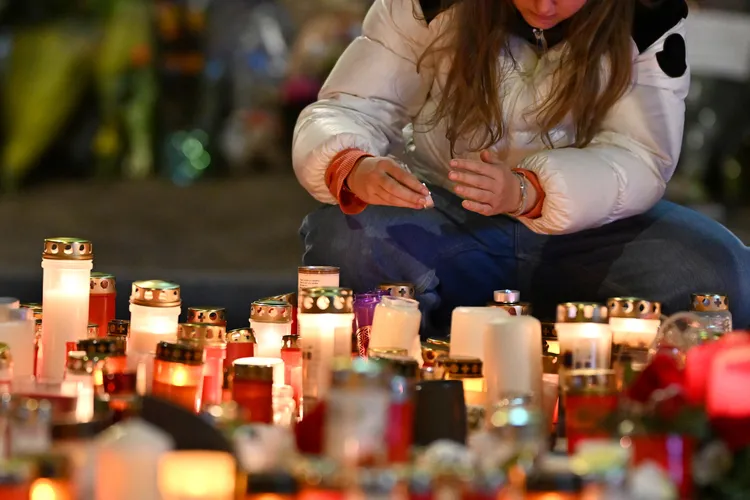
Deadly New Year’s Fire in Switzerland Investigation Launched — Swiss authorities have opened a detailed criminal inquiry after a catastrophic fire tore through a packed bar during New Year’s Eve celebrations at the Crans‑Montana ski resort, resulting in at least 40 confirmed deaths and 119 severe injuries. Officials are investigating whether negligence in safety practices, fire‑spark generating devices, overcrowding, and improper materials contributed to one of the deadliest peacetime disasters in modern Swiss history. Early findings indicate the blaze spread with horrifying speed, turning what should have been a night of celebration into a tragedy for families spanning many countries.
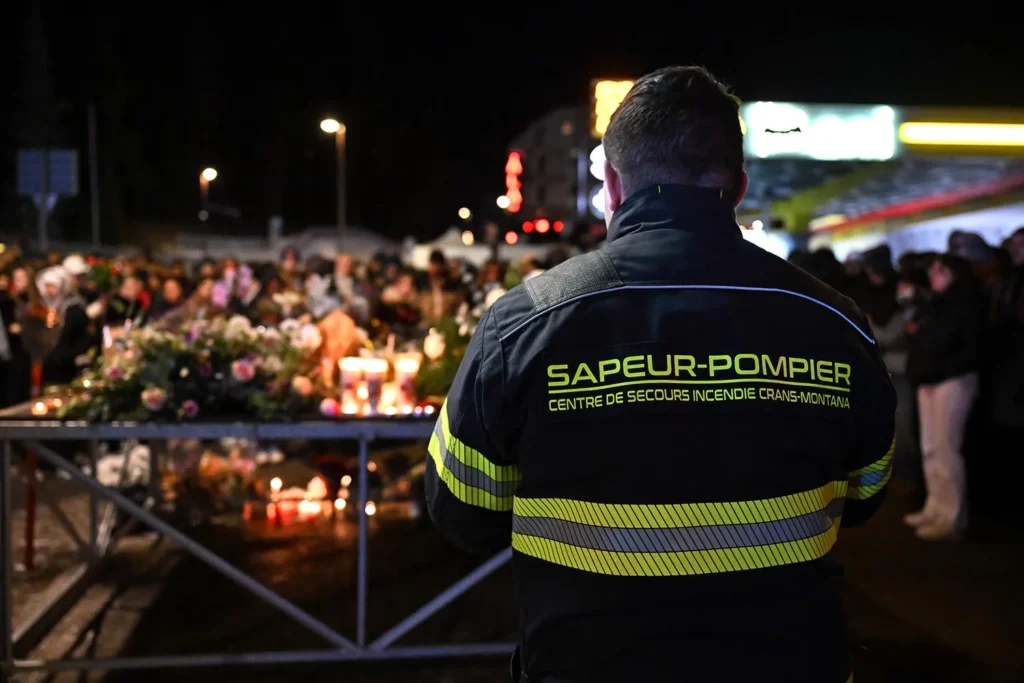
What is known so far — how the fire began, who is under investigation, the human toll, what authorities are examining next, and why this incident has sparked urgent safety questions across Europe.
What Happened at the Le Constellation Bar in Switzerland
Late on January 1, 2026, at about 1:30 a.m. local time, a fire erupted in the Le Constellation bar — a popular venue nestled in the French‑speaking ski resort town of Crans‑Montana, in the Valais canton of southwestern Switzerland.
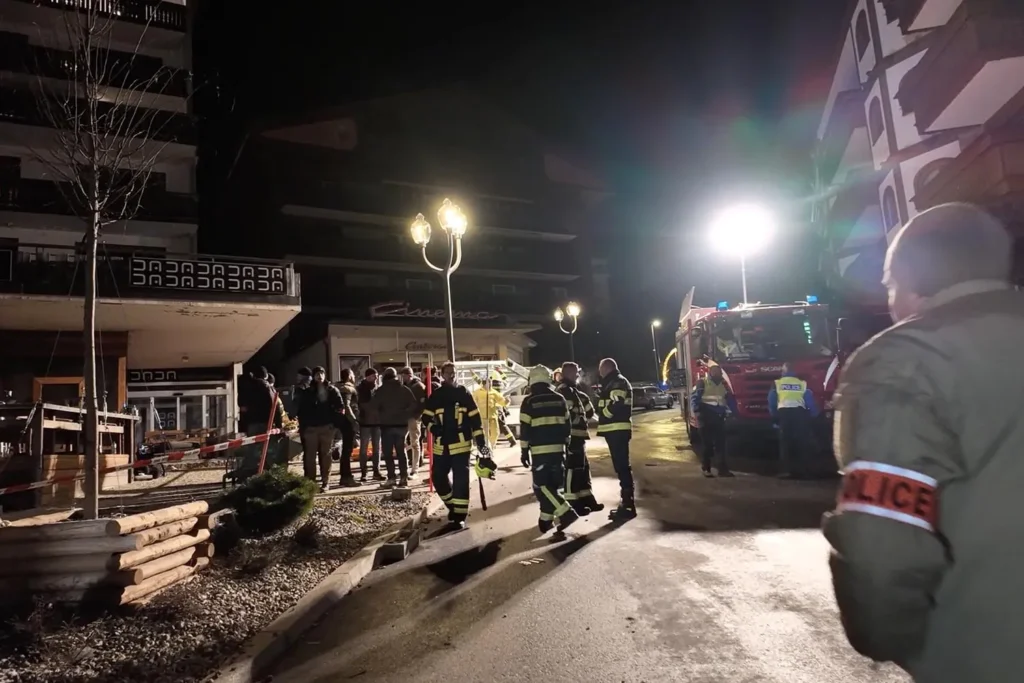
The bar, packed with young revellers celebrating New Year’s Eve, quickly became engulfed in flames. According to prosecutors and eyewitnesses, the blaze spread “very rapidly,” feeding on combustible interior materials and creating a flashover — a rapid surge of heat that turns a room into an inferno. This sudden intensification left many trapped inside.
Officials reported that the majority of victims were young, with multiple teenagers among those killed or seriously hurt during the pandemonium. Hospitals in the region quickly hit capacity, forcing emergency transfers to burn units across France and Germany.
Survivors and bystanders painted grim scenes of chaos: frantic attempts to escape through narrow exits, windows smashed to gain fresh air, and rescue workers battling against dense smoke and flames.
Early Theories on the Cause of the Fire
Swiss investigators now believe the blaze originated from sparkler‑style candles attached to champagne bottles that were raised too close to the bar’s low ceiling during the celebrations. Prosecutors say these “fountain” or “Bengal light” devices can emit upward jets of sparks — and in this case, those sparks likely ignited flammable materials.
According to Valais Attorney General Beatrice Pilloud, the sparklers’ contact with the ceiling triggered a flashover, meaning the fire did not burn slowly — it erupted explosively, feeding on surrounding soundproofing foam and other interior materials.
Authorities are also examining whether the insulation and sound‑dampening materials used in renovations complied with fire safety regulations. These materials can be dangerously flammable if not properly installed or certified for indoor use.
Officials have not ruled out other potential ignition sources, but the sparklers theory remains the leading explanation at this stage of the probe.
Who Is Under Investigation and Legal Actions
Swiss police and prosecutors have taken the rare step of launching a criminal investigation into the managers of the Le Constellation bar, identified as a French couple, for possible negligent homicide, negligent personal injury, and negligent arson.
Authorities emphasize that the presumption of innocence applies until all evidence is assessed and any charges are formally proven. Still, the breadth of the investigation is expansive, focusing on whether safety protocols were followed, occupancy limits were observed, fire extinguishers were available and functional, and emergency exits were accessible and clear.
Officials have indicated that if evidence shows gross negligence in how the sparklers were used, in-venue materials, or in crowd management, criminal charges could be brought against those responsible.
The Human Toll: Victims and Identification Efforts
As of the latest updates, 40 people have been confirmed dead from the fire, though this number may evolve as identification efforts continue.
Among those identified so far are several Swiss teenagers and a young Italian golf star, 17‑year‑old Emanuele Galeppini, whose death was confirmed publicly. People from Switzerland, France, Italy, Serbia, Bosnia‑Herzegovina, Luxembourg, Belgium, Portugal, and Poland are among the injured and deceased.
Officials warned that identification remains a painstaking process due to the severity of burns suffered by victims, with DNA tests and dental records being used alongside clothing descriptions.
Families of those missing have endured agonizing waits, with some reporting hours of uncertainty after loved ones failed to communicate following the incident.
The tragedy has prompted international mourning, with governments and sporting bodies paying tribute to those lost and injured.
Wider Implications and Safety Questions Raised
This disaster has reignited discussion about fire safety regulations in public entertainment venues across Europe. Experts warn that even brief moments of neglect — such as using indoor sparklers or misjudging crowd capacity — can escalate into devastating outcomes.
Comparisons with previous nightclub and bar fires in other countries underline the ongoing need for rigorous enforcement of safety codes, regular inspections, and public awareness of evacuation procedures.
Authorities in Switzerland are expected to recommend new guidelines to prevent similar events, potentially influencing fire safety policy across the European Union and beyond.
What Happens Next in the Investigation
Swiss prosecutors are systematically reviewing video footage, witness testimonies, renovation records, material safety certifications, and fire marshal reports. The investigation will determine:
- Whether the venue exceeded its licensed capacity on New Year’s Eve.
- If safety equipment, such as fire extinguishers and sprinkler systems, were present and functioning.
- Whether the venue materials met fire safety standards and were suitable for indoor use.
- If any staff or decision‑makers failed to follow Swiss safety regulations.
Authorities have pledged transparency but stressed that final conclusions may take weeks or months due to the resulting legal complexity and ongoing interviews with survivors. Sky News
Conclusion: A Night of Celebration Turns to Tragedy
The deadly New Year’s Eve fire at the Le Constellation bar has shocked Switzerland and the world, killing dozens and injuring many more during what should have been a joyful moment. The ongoing criminal investigation marks a significant moment of accountability and scrutiny into how safety practices are enforced in crowded venues. With families still awaiting news and investigators piecing together evidence, this tragedy highlights the human cost of even minor oversights.
Switzerland now faces a long period of mourning, recovery, and reflection — and possibly reform in fire safety regulations that are meant to protect citizens and visitors alike.
Subscribe to trusted news sites like USnewsSphere.com for continuous updates.