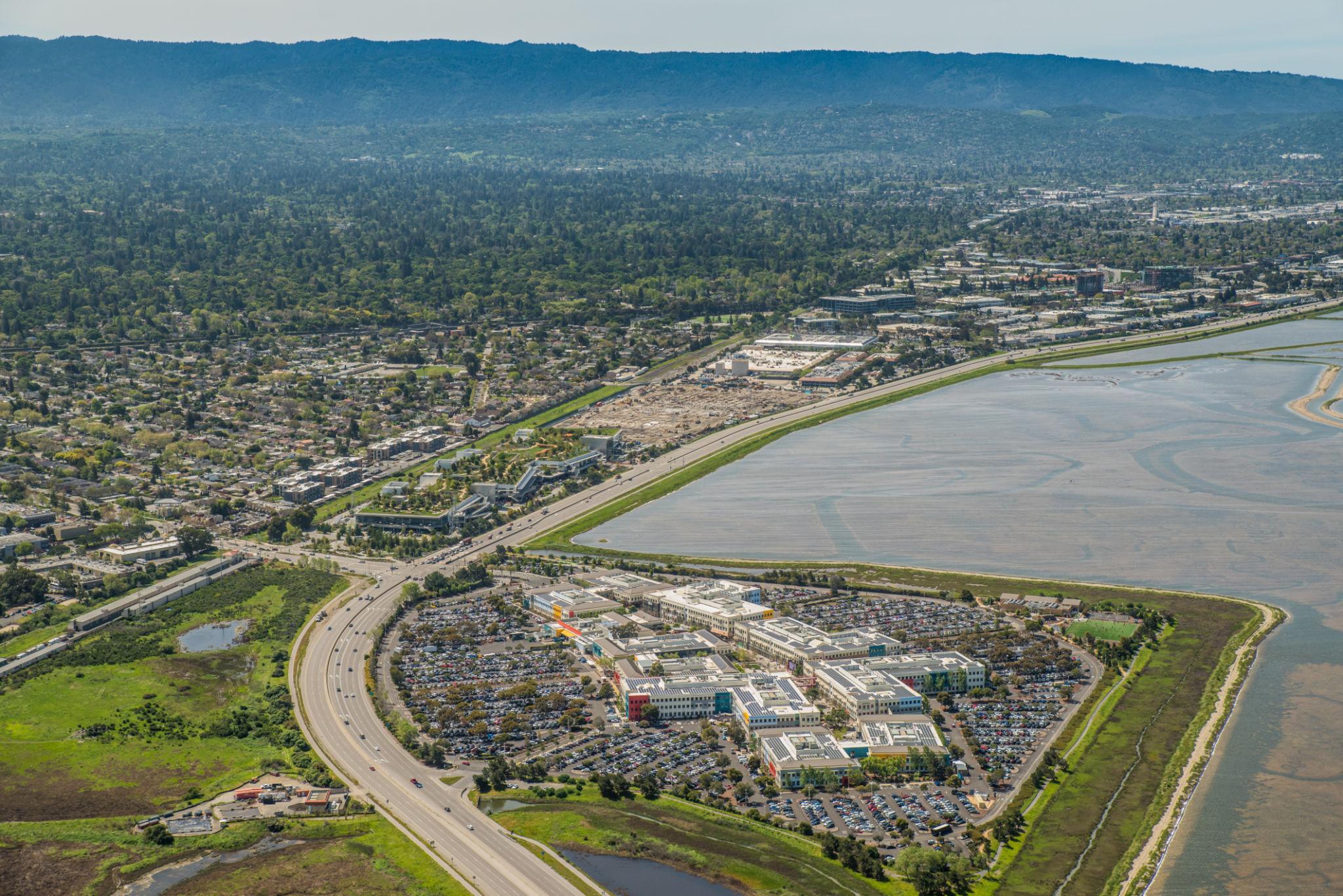
Meta Cuts 10% Workforce Amid AI Shift—What It Means for Big Tech Stocks and Future Profits is rapidly becoming one of the most talked-about developments in the technology and financial markets in 2026. The decision by Meta Platforms to reduce approximately 10% of its workforce signals a deeper transformation underway across Silicon Valley—one driven by artificial intelligence, efficiency demands, and shifting revenue priorities.
This move is not just about layoffs—it reflects a strategic pivot toward AI-first operations, cost optimization, and long-term profitability. For investors following the stock market, this moment offers critical insights into how Big Tech companies are reshaping themselves to stay competitive in a rapidly evolving digital economy.
Why Meta Is Cutting Jobs While Investing Heavily in AI


The layoffs at Meta Platforms come at a time when the company is simultaneously increasing investments in artificial intelligence infrastructure, data centers, and machine learning talent. This dual approach—cutting costs in traditional areas while expanding in AI—is becoming a defining strategy across the tech industry.
Meta’s leadership has emphasized efficiency as a key priority. By streamlining operations and reducing workforce redundancies, the company aims to allocate more resources toward high-growth areas such as generative AI, recommendation algorithms, and immersive digital experiences.
This trend reflects a broader shift where companies are prioritizing automation and AI-driven productivity. Roles that can be optimized or replaced by AI tools are being reduced, while demand for specialized AI engineers and data scientists continues to grow.
The Bigger Picture: A New Phase of Tech Industry Transformation


Meta’s decision is part of a wider transformation happening across the technology sector. Companies like Microsoft and other major players are also restructuring their workforces to align with AI-driven business models.
The shift toward AI is not just about innovation—it’s about survival in an increasingly competitive market. As AI capabilities expand, companies that fail to adapt risk falling behind. This has led to a wave of restructuring efforts, including layoffs, hiring freezes, and strategic pivots.
For the broader economy, this transformation raises important questions about the future of work. While AI creates new opportunities, it also disrupts traditional roles, leading to short-term uncertainty for employees and long-term changes in workforce dynamics.
How Meta Layoffs Could Impact Big Tech Stocks


From a market perspective, layoffs are often viewed as a signal of cost discipline, which can be positive for stock performance. Investors typically reward companies that demonstrate the ability to improve margins and control expenses.
In Meta’s case, the workforce reduction is expected to lower operating costs significantly, potentially boosting profitability in the coming quarters. This could strengthen investor confidence, particularly if AI investments begin to generate measurable returns.
However, the market reaction is not always straightforward. Layoffs can also raise concerns about slowing growth or underlying challenges. Investors will closely monitor Meta’s earnings reports and forward guidance to assess whether the strategy delivers sustainable value.
Future Profit Outlook: AI as the Core Growth Engine
The long-term success of Meta’s strategy depends heavily on its ability to monetize AI technologies. From targeted advertising to content recommendations and virtual reality experiences, AI has the potential to unlock new revenue streams.
Advertising remains Meta’s primary revenue driver, and AI enhancements are expected to improve ad targeting, user engagement, and overall efficiency. This could lead to higher ad revenues and stronger financial performance.
At the same time, Meta is investing in emerging areas such as the metaverse and AI-powered tools. While these initiatives carry risks, they also offer significant growth potential if executed successfully. Investors are increasingly viewing AI as the next major catalyst for tech industry expansion.
Risks and Challenges Investors Should Watch
Despite the optimism surrounding AI, several risks remain. One of the biggest challenges is execution. Developing and deploying advanced AI systems requires substantial investment, and returns may take time to materialize.
There are also regulatory concerns. Governments around the world are paying closer attention to AI technologies, particularly in areas such as data privacy, content moderation, and ethical use. Increased regulation could impact how companies operate and monetize AI.
Additionally, workforce reductions can affect company culture and employee morale. Retaining top talent while undergoing significant restructuring will be critical for Meta’s long-term success.
What This Means for Investors and the Future of Tech
For investors, Meta’s decision highlights a broader trend that is likely to shape the future of the technology sector. Companies are becoming leaner, more focused, and increasingly reliant on AI to drive growth.
This creates both opportunities and challenges. On one hand, AI-driven efficiencies can lead to higher profit margins and stronger financial performance. On the other hand, the pace of change introduces uncertainty and requires careful analysis.
Investors should pay close attention to how companies balance cost-cutting measures with growth investments. Those who successfully navigate this transition are likely to emerge as leaders in the next phase of the tech industry.
A Turning Point for Big Tech and AI-Driven Growth
The workforce reduction at Meta Platforms is more than just a corporate decision—it represents a turning point in the evolution of Big Tech. As companies embrace AI and redefine their business models, the implications will extend far beyond individual organizations.
For the market, this marks the beginning of a new era where efficiency, innovation, and adaptability will determine success. For investors, staying informed about these changes is essential to understanding the future of technology and finance.
As AI continues to reshape industries, the companies that can effectively integrate these technologies while maintaining financial discipline will be best positioned for long-term growth.
Subscribe to trusted news sites like USnewsSphere.com for continuous updates.